
 By George Ongkojoyo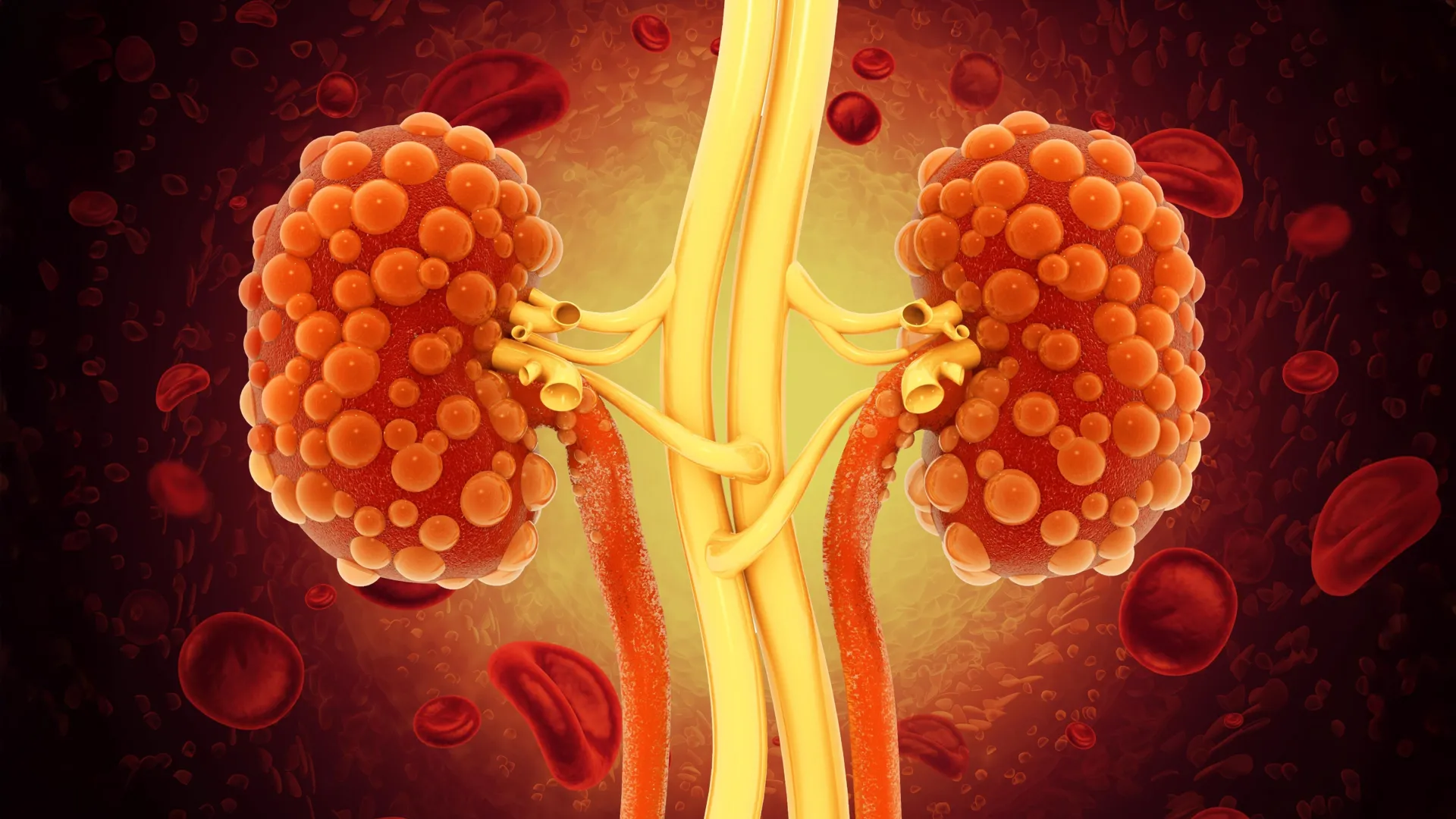
Researchers at the University of California, Santa Barbara (UCSB) have unveiled a pioneering therapeutic approach that could fundamentally alter the treatment landscape for Polycystic Kidney Disease (PKD), an inherited condition that currently lacks a definitive cure. Published in the journal Cell Reports Medicine, the study details how a specially engineered class of monoclonal antibodies can penetrate the otherwise inaccessible fluid-filled cysts that characterize the disease, effectively disrupting the molecular signaling that drives their relentless expansion. By utilizing dimeric immunoglobulin A (dIgA), a protein naturally adapted for crossing cellular barriers, the research team has successfully targeted internal growth factors that previous small-molecule drugs and standard antibodies could not reach without significant systemic toxicity.
Polycystic Kidney Disease is a progressive genetic disorder affecting millions worldwide, characterized by the development of thousands of cysts within the kidneys. As these cysts grow, they compress and destroy healthy renal tissue, eventually leading to end-stage renal disease (ESRD). For many patients, the only remaining options are lifelong dialysis or organ transplantation. The UCSB study, led by senior author and biologist Thomas Weimbs, suggests that the "sealed" nature of these cysts—which has long acted as a barrier to effective medication—can be bypassed using the body’s own biological transport mechanisms.
The Biological Challenge of Polycystic Kidney Disease
To understand the significance of the UCSB breakthrough, one must look at the unique pathology of PKD. The disease is primarily caused by mutations in the PKD1 or PKD2 genes, which regulate how kidney cells grow and organize. When these genes are defective, the epithelial cells lining the kidney tubules begin to proliferate uncontrollably and secrete fluid, forming expanding sacs. These cysts are not merely passive growths; they function as autonomous, self-stimulating environments.
"The cysts just keep growing endlessly," explained Thomas Weimbs. "And we want to stop them. So we need to get a drug into these cysts that will make them stop." The difficulty lies in the fact that each cyst is a closed chamber lined with a tight layer of epithelial cells. While traditional drugs circulate in the bloodstream, they often fail to accumulate in sufficient concentrations within the cyst fluid where the disease-driving activity occurs. Furthermore, the cells lining these cysts create a "never-ending scheme" of self-activation. They secrete growth factors into the internal fluid, which then bind back to receptors on the same cells, creating a feedback loop of perpetual growth and fluid secretion.
Limitations of Current Therapeutic Interventions
The current standard of care for PKD is largely focused on managing symptoms, such as hypertension and pain, rather than halting the underlying cyst progression. Until recently, the only FDA-approved drug specifically for slowing PKD progression was Tolvaptan (marketed as Jynarque). While Tolvaptan can slow the decline of kidney function, it is associated with severe side effects, including significant liver toxicity risk and aquaresis—a condition where patients must consume and excrete massive amounts of water daily, often up to several gallons.
The pharmaceutical industry has long looked toward monoclonal antibodies as a more precise alternative. Immunotherapy using immunoglobulin G (IgG)—the most common type of lab-made antibody—has revolutionized cancer treatment. However, IgG molecules are structurally incapable of treating PKD. Their size and molecular configuration prevent them from crossing the epithelial cell layers that wall off the kidney cysts. Consequently, while IgG might circulate around the exterior of a cyst, it cannot enter the interior "chamber" to neutralize the growth factors driving the disease.
Engineering a Molecular "Trojan Horse"
Recognizing the limitations of IgG, the UCSB team turned their attention to dimeric immunoglobulin A (dIgA). In the human immune system, dIgA is the primary antibody found in mucosal secretions, such as tears, saliva, and mucus. It is uniquely designed by nature to be transported across epithelial membranes—the very same type of barrier that protects PKD cysts.
The mechanism hinges on the polymeric immunoglobulin receptor (pIgR). In 2015, Weimbs and his colleagues hypothesized that because kidney cyst cells express high levels of pIgR, they could be tricked into "shuttling" dIgA from the outside of the cyst to the inside. This process, known as transcytosis, allows the dIgA to move in a one-way direction through the membrane, effectively acting as a molecular Trojan Horse.
To test this, the researchers performed a complex feat of protein engineering. They modified the DNA sequence of a standard IgG antibody to "give it a different backbone," effectively converting it into a dIgA format. This redesigned protein retained its ability to recognize a specific target—the mesenchymal-epithelial transition (cMET) receptor—but gained the ability to penetrate the cyst wall.
Experimental Results and Data Analysis
The research team tested the engineered dIgA in mouse models of PKD with significant results. Upon administration, the antibody successfully navigated the pIgR transport system and accumulated within the kidney cysts. Once inside, it targeted the cMET receptor, a well-known driver of cell proliferation in both PKD and various cancers.
The data presented in Cell Reports Medicine revealed several critical outcomes:
- Signaling Inhibition: The dIgA antibody successfully bound to the cMET receptors, leading to a measurable decrease in the signaling pathways that encourage cyst growth.
- Selective Apoptosis: Perhaps most significantly, the treatment triggered a "dramatic onset of apoptosis" (programmed cell death) specifically within the cyst epithelial cells.
- Tissue Safety: Crucially, the apoptosis was confined to the diseased cyst tissue. The healthy renal tissue remained unaffected, suggesting a high level of selectivity and a low risk of the systemic toxicity that plagues current small-molecule treatments.
- Retention: Unlike smaller molecules that might be quickly filtered out or flushed from the system, the dIgA antibodies remained within the cyst fluid, providing a sustained therapeutic effect.
This work was supported in part by the National Institutes of Health (NIH) and the U.S. Department of Defense, highlighting the clinical priority of finding a viable solution for PKD, which affects approximately 600,000 people in the United States and over 12 million people worldwide.
A Chronology of Discovery
The journey toward this breakthrough has been decades in the making. The understanding of PKD evolved from a structural observation of "holes in the kidney" in the mid-20th century to the identification of the PKD1 and PKD2 genes in the 1990s.
- Early 2000s: Researchers identified that cyst growth was driven by external growth factors and internal signaling loops.
- 2010-2014: Studies confirmed that the cMET receptor and various epidermal growth factors were prevalent in cyst fluid, but delivery methods remained the primary obstacle.
- 2015: Thomas Weimbs and his team published the foundational hypothesis that the pIgR transport system could be exploited for drug delivery in kidney disease.
- 2024: The current study provides the first "proof of concept" that an engineered dIgA can successfully execute this delivery and achieve therapeutic efficacy in a living model.
Implications for the Future of Immunotherapy
The implications of the UCSB study extend beyond Polycystic Kidney Disease. The successful engineering of dIgA for targeted delivery through epithelial barriers suggests a new frontier for treating other diseases involving "sealed" epithelial compartments, such as certain types of lung or intestinal disorders.
However, the path to human application remains long. "In the literature, there are dozens of growth factors that have been shown to be active in these cyst fluids," Weimbs noted. "So it would be a good idea to compare blocking of several different growth factors and several receptors, maybe side-by-side to see which is the most effective." The researchers also suggest that a "cocktail" of antibodies—targeting multiple receptors simultaneously—might be necessary to prevent the cysts from developing resistance to a single-target therapy.
The next steps for the research team include identifying commercial partners to assist with the high costs of antibody production and clinical trials. Manufacturing dIgA is more complex and expensive than standard IgG, requiring specialized cell lines and purification processes. Furthermore, the team must identify which specific biological targets, beyond cMET, will yield the best results in human subjects.
Analysis of Clinical Impact
From a clinical perspective, the UCSB approach represents a shift toward "precision nephrology." By using a delivery mechanism that is only active where the disease is present (in cells expressing pIgR), the risk of off-target effects is minimized. For patients who are currently facing the prospect of decades of declining health followed by dialysis, the prospect of a therapy that can "slow or reverse" the disease is a significant development.
The economic impact is also noteworthy. The cost of treating end-stage renal disease is a massive burden on healthcare systems; in the United States, Medicare spends over $50 billion annually on kidney failure care. A therapeutic intervention that prevents patients from reaching the stage of needing dialysis would result in multi-billion dollar savings and a vastly improved quality of life for the patient population.
The research conducted by Margaret F. Schimmel, Bryan C. Bourgeois, Alison K. Spindt, and the rest of the UCSB team marks a pivotal moment in the fight against PKD. While the transition from mouse models to human patients is a hurdle that many promising therapies fail to clear, the biological logic of using the dIgA pathway provides a robust foundation for future clinical development. For now, the medical community watches closely as this "one-way" antibody strategy moves closer to becoming a reality for those living with the burden of Polycystic Kidney Disease.
