
 By Budi Oetomo Narendra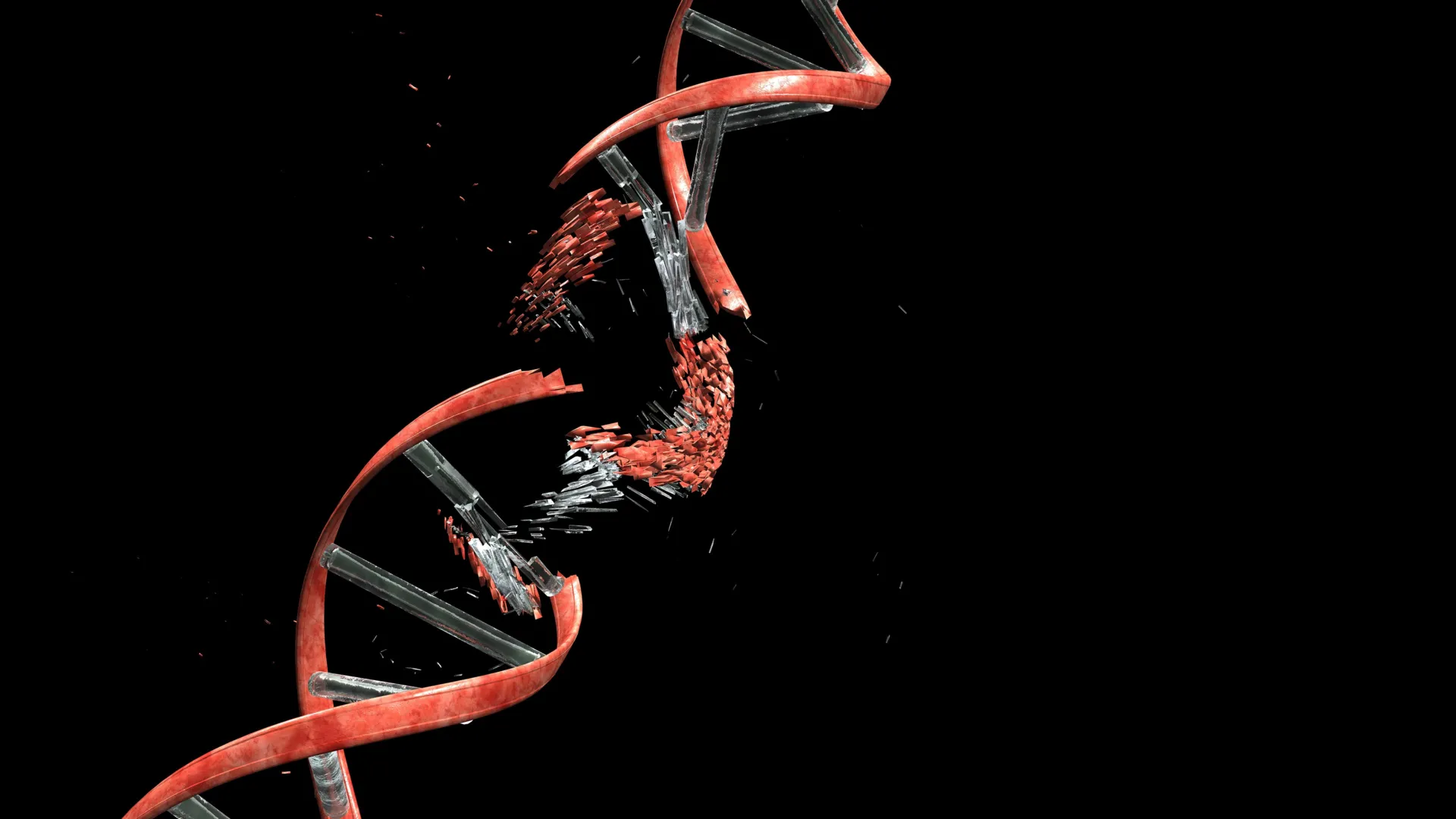
New research has unveiled a critical vulnerability within cancer cells, suggesting that the very mechanisms driving their aggressive proliferation may also be their undoing. The study, led by PhD student Osama Hidmi under the guidance of Prof. Rami Aqeilan of the Hebrew University of Jerusalem, indicates that powerful DNA control regions known as super-enhancers, which force critical genes to operate at extreme levels to support tumor growth, inadvertently place immense strain on the DNA, leading to severe breaks. This relentless activity, while essential for a tumor’s rapid expansion, paradoxically makes its genetic material increasingly unstable, potentially enabling cancers to evolve and become more aggressive, yet simultaneously exposing a new target for therapeutic intervention. The findings, published in Science Advances, offer a fresh perspective on the origins of genetic instability in cancer and propose innovative strategies to exploit this self-inflicted damage.
Unpacking the Mechanism: Super-Enhancers and DNA Stress
At the core of this discovery lies the function of super-enhancers. These are specialized stretches of DNA that act as powerful regulatory hubs, capable of amplifying the activity of nearby genes far beyond what typical enhancers achieve. In healthy cells, super-enhancers play crucial roles in defining cell identity and driving essential developmental programs. However, in cancer, these regions are often hijacked or aberrantly activated, driving the overexpression of oncogenes—genes that promote cell division, survival, and unchecked growth. This phenomenon, sometimes referred to as "transcriptional addiction," means that many aggressive cancers are heavily reliant on super-enhancers to maintain their high-output genetic programs. For example, super-enhancer dysregulation has been implicated in various malignancies, including acute myeloid leukemia, prostate cancer, and triple-negative breast cancer, where they drive the expression of key oncogenic drivers.
The researchers discovered that this hyperactive gene expression comes at a physical cost. As super-enhancers push growth-related genes into overdrive, the sheer intensity of transcriptional activity places enormous mechanical and structural stress on the DNA helix within these regions. This stress manifests as DNA damage, specifically double-strand breaks—one of the most severe forms of DNA lesions, where both strands of the DNA molecule are severed. Unlike single-strand breaks, which are relatively easily repaired, double-strand breaks pose a significant threat to genomic integrity, as their improper repair can lead to chromosomal rearrangements, deletions, or translocations, all hallmarks of cancer progression.
A Deeper Look at Genetic Instability in Cancer
Genetic instability has long been recognized as a fundamental characteristic and driving force of cancer. As early as the turn of the 20th century, Theodor Boveri observed chromosomal abnormalities in tumor cells, hypothesizing a link between these aberrations and cancer development. Decades of research have confirmed that cancer cells accumulate a vast array of genetic alterations, from point mutations to large-scale chromosomal rearrangements. This instability provides the raw material for evolution, allowing tumor cells to acquire traits that promote their survival, proliferation, metastasis, and resistance to therapy.
The current study adds a crucial layer to our understanding of how this instability arises. While previous theories have pointed to errors during DNA replication, exposure to carcinogens, or defects in DNA repair pathways, the Hebrew University team has identified an intrinsic mechanism directly linked to the very engine of cancer growth. The repeated cycles of breaking and repair within these super-enhancer-controlled regions are critical. While cancer cells possess robust repair machinery—such as homologous recombination (HR) and non-homologous end joining (NHEJ)—to mend these breaks, every repair event carries the risk of introducing errors. These mistakes, however small, can accumulate over time, leading to the mutations that drive cancer’s evolution, allowing tumors to adapt to stressful environments, evade the immune system, and develop resistance to chemotherapy and radiation. The research thus paints a picture of a tumor trapped in a destructive loop: its relentless pursuit of growth directly creates the instability that fuels its long-term survival and aggressiveness.
The Landmark Study from Hebrew University
The investigative journey began with a meticulous examination of cancer cell genomes. The team, led by Hidmi and Aqeilan, employed sensitive genome-mapping methods to precisely locate where double-strand breaks occurred across the entire cancer genome. Their analysis revealed a striking pattern: these severe DNA lesions were not randomly distributed but instead clustered significantly within the genes and regulatory regions controlled by super-enhancers. This direct correlation provided compelling evidence that the unusually intense transcriptional activity orchestrated by super-enhancers was indeed the culprit behind the DNA damage.
To further validate their findings, the researchers monitored a natural cellular "alarm" signal—a specific protein modification that marks damaged DNA and recruits the necessary repair machinery. Their observations confirmed that these super-enhancer-driven regions were sites of continuous damage and subsequent repair. This constant "fix-it" cycle underscores the high-stress environment within these active genomic loci, demonstrating that cancer cells are perpetually struggling to mend the very DNA they are simultaneously overworking. The publication of these findings in Science Advances, a highly respected peer-reviewed journal, signals the scientific community’s recognition of this novel contribution to cancer biology.
Insights from the Research Team
Prof. Rami Aqeilan articulated the core paradox of their discovery: "Cancer cells rely on super-enhancers to keep growth genes running at high speed. What we found is that this same high-output activity can put real strain on the DNA, creating break hotspots that the cell has to repair again and again. That cycle may help tumors survive in the short term, but it also increases the risk of mutations that can fuel cancer’s evolution." This statement highlights the intricate balance within the cancer cell: the immediate need for rapid growth clashing with the long-term imperative for genomic integrity. The "break hotspots" represent physical vulnerabilities that are a direct consequence of the tumor’s aggressive nature.
Osama Hidmi, the driving force behind the experimental work, emphasized the therapeutic potential of these findings. "What is especially exciting," Hidmi remarked, "Because cancer cells depend on these high-stress DNA regions to keep growing, they may also be more vulnerable there. This opens the door to treatments that target the very processes tumors rely on to survive." Hidmi’s insights point towards a paradigm shift in therapeutic strategy, moving beyond merely targeting the products of oncogenes to disrupting the fundamental machinery that enables their overexpression and the subsequent damage it causes.
Broader Implications for Cancer Therapy
The identification of these super-enhancer-driven "break hotspots" offers a compelling new direction for cancer treatment, potentially transforming one of cancer’s greatest strengths—its rapid growth—into its most significant weakness. Current cancer therapies often aim to target specific oncogenes or block cellular signaling pathways. This new understanding suggests a two-pronged approach:
-
Disrupting Super-Enhancer Activity: Several classes of drugs are already being investigated or are in early clinical trials that target super-enhancers. For instance, BET inhibitors (e.g., JQ1) and CDK7 inhibitors (e.g., THZ1) are designed to interfere with the proteins that help assemble and maintain super-enhancer complexes. By dampening the intense gene activity driven by these regions, such therapies could reduce the stress on DNA and potentially sensitize cancer cells to other forms of damage. This strategy could be particularly effective in cancers known to be highly dependent on super-enhancers for their survival, offering a path towards more personalized and effective treatments.
-
Interfering with DNA Repair Mechanisms: Given that cancer cells are constantly repairing DNA damage in these high-stress regions, inhibiting these repair pathways could prove devastating to the tumor. Drugs like PARP inhibitors, already approved for certain cancers with DNA repair deficiencies (e.g., BRCA-mutated ovarian and breast cancers), could potentially be repurposed or combined with other agents to exploit this vulnerability. If cancer cells are forced to endure repeated double-strand breaks without adequate repair, the accumulated damage would likely trigger programmed cell death (apoptosis), leading to tumor regression. This approach leverages the concept of "synthetic lethality," where two non-lethal events become lethal when combined.
This research also opens avenues for combination therapies, where drugs that reduce super-enhancer activity are paired with agents that block DNA repair. Such a combination could create a synergistic effect, overwhelming the tumor’s ability to cope with its self-inflicted damage.
The Evolving Landscape of Cancer Research
The connection between rapid growth and genetic instability, as elucidated by the Hebrew University team, provides another crucial piece of the complex cancer puzzle. It refines our understanding of how tumors acquire the mutations necessary for their aggressive behavior, including metastasis and resistance to treatment. This knowledge is not merely academic; it has profound implications for translational research and clinical practice.
Firstly, these "break hotspots" could serve as novel diagnostic or prognostic biomarkers. Identifying specific patterns of DNA damage or repair activity within super-enhancer regions might help clinicians predict which tumors are likely to be more aggressive, more prone to developing drug resistance, or more responsive to specific targeted therapies. Secondly, the findings emphasize the dynamic nature of the cancer genome, where constant assault and repair shape its evolutionary trajectory. Understanding this process in greater detail could lead to strategies that limit a tumor’s adaptability, essentially boxing it into a corner where it cannot evolve new traits to escape treatment. Future research will undoubtedly focus on validating these findings in various cancer models, conducting in vivo studies, and eventually moving towards clinical trials to assess the efficacy of targeting these vulnerabilities.
Expert Perspectives and Future Outlook
The broader scientific community is likely to view this research as a significant advancement in cancer biology. While the concept of genetic instability is well-established, identifying a direct, intrinsic link between the fundamental machinery of tumor growth and the generation of severe DNA damage offers a novel mechanistic explanation. Experts in cancer genomics and drug discovery might suggest that this work provides a clearer rationale for developing drugs that interfere with transcriptional regulation or DNA repair, particularly in cancers exhibiting high super-enhancer activity.
This discovery underscores the notion that cancer, in its relentless pursuit of uncontrolled growth, often creates its own Achilles’ heel. The immense pressure placed on its genetic material to sustain rapid proliferation leads to a fragile state that can be exploited. By unraveling the intricate connection between super-enhancers, DNA damage, and genetic instability, researchers are paving the way for a new generation of cancer therapies that could turn the tumor’s greatest strength against itself, offering renewed hope in the ongoing battle against this complex disease. The long-term vision involves translating this mechanistic understanding into precision medicine approaches, where treatments are tailored to disrupt the specific vulnerabilities created by a patient’s unique tumor biology, moving closer to a future where cancer is not just treated, but outsmarted.
