
 By Budi Oetomo Narendra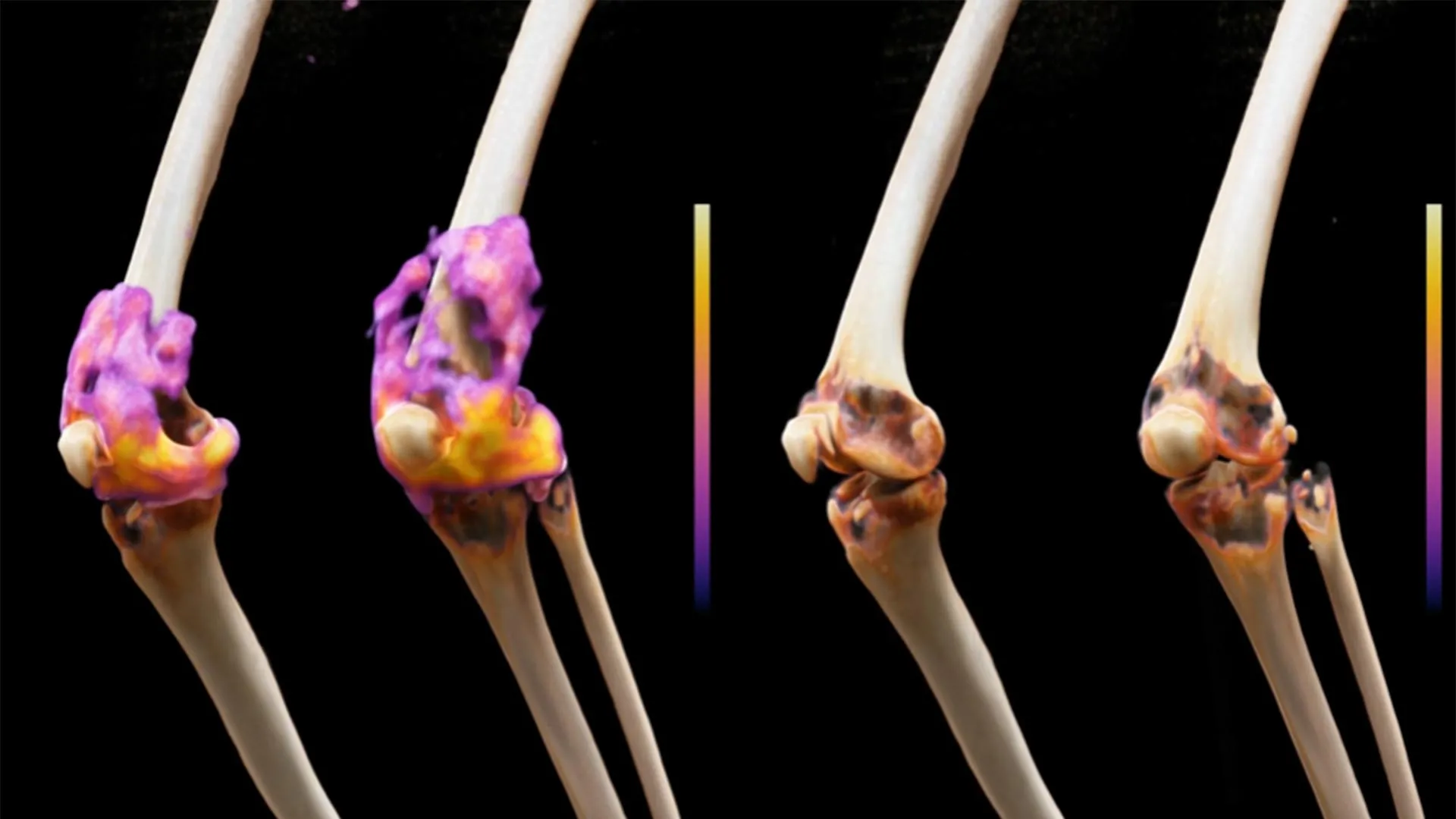
Immunotherapies, initially celebrated for their revolutionary impact on cancer treatment, are now demonstrating astonishing promise in the battle against autoimmune diseases. Among these personalized treatments, which harness a patient’s own immune cells, CAR T-cell therapy stands out, particularly in its emerging role for conditions beyond oncology. Scientists are actively investigating whether this sophisticated approach, previously a beacon of hope for certain cancers, could offer a therapeutic or even curative path for debilitating autoimmune disorders like rheumatoid arthritis (RA).
A New Frontier in Autoimmune Disease Treatment
In a groundbreaking development, researchers at Charité – Universitätsmedizin Berlin have conducted the world’s first clinical trial testing CAR T-cell therapy in individuals suffering from particularly severe, treatment-refractory rheumatoid arthritis. The initial findings, published in the prestigious journal Nature Medicine, have been met with considerable enthusiasm within the scientific and medical communities. The trial, involving six patients, yielded encouraging early results, with a substantial reduction in disease activity observed across all participants. Most remarkably, by the end of the observation period, three of the six patients had achieved sustained remission, no longer requiring conventional medication for their rheumatoid arthritis. This unprecedented outcome suggests a potential paradigm shift from lifelong symptom management to a more profound, disease-modifying intervention.
Understanding Rheumatoid Arthritis: A Persistent Challenge
Rheumatoid arthritis is a chronic autoimmune disease affecting an estimated 1% of the global adult population, impacting millions worldwide. It is characterized by the immune system mistakenly attacking the body’s own tissues, primarily the synovial lining of the joints. This misguided assault triggers persistent inflammation, leading to swelling, pain, stiffness, and eventually irreversible joint damage, deformity, and significant functional disability. Beyond the joints, RA can also affect other organs, including the skin, eyes, lungs, heart, and blood vessels, contributing to a substantial reduction in patients’ quality of life and often a shortened lifespan.
Current therapeutic strategies for RA typically involve a multi-faceted approach aimed at controlling inflammation and preventing joint destruction. These include conventional synthetic disease-modifying antirheumatic drugs (csDMARDs) like methotrexate, sulfasalazine, and hydroxychloroquine, as well as biological DMARDs (bDMARDs) such as TNF inhibitors, IL-6 inhibitors, and B-cell depleting agents, and targeted synthetic DMARDs (tsDMARDs) like JAK inhibitors. While these medications have revolutionized RA management over the past few decades, improving outcomes for many, they generally do not offer a cure. Patients often require lifelong treatment, which can be associated with significant side effects, including increased risk of infections, gastrointestinal issues, and liver toxicity, depending on the drug.
For a subset of patients, even the most advanced therapies fail to adequately control their disease. These cases are clinically described as "treatment-refractory rheumatoid arthritis," representing a critical unmet medical need. Individuals in this category continue to experience persistent pain, limited mobility, fatigue, and a severely diminished quality of life despite exhausting multiple lines of treatment. The underlying reason for this recalcitrance is often attributed to persistent, disease-driving immune cells that evade conventional therapies. As Professor David Simon, who co-designed the trial, elucidates, "One reason could be disease-driving B cells – memory cells of the adaptive immune system that may survive in the lymph nodes, bone marrow or joint tissue after an infection, where they produce harmful antibodies directed against the body’s own tissues and repeatedly reignite the inflammation." These deeply entrenched, self-reactive B cells pose a significant challenge for existing medications, which may not effectively reach or eliminate these hidden reservoirs of disease. This persistent pathological immune memory is precisely what the Berlin researchers aimed to target with CAR T-cell therapy, with the goal of eliminating these abnormal B cells and effectively "resetting" the B-cell system.
The Revolutionary Mechanism of CAR T-Cell Therapy
CAR T-cell therapy, or Chimeric Antigen Receptor T-cell therapy, originated as a powerful tool in cancer immunology, particularly effective against certain blood cancers like leukemia and lymphoma. Its core principle involves genetically engineering a patient’s own T cells – a type of immune cell crucial for recognizing and destroying infected or abnormal cells – to express a synthetic receptor called a Chimeric Antigen Receptor (CAR). This CAR is designed to specifically recognize and bind to a unique protein marker, or "name tag," present on the surface of target cells.
In the context of cancer, this "name tag" is typically found on tumor cells, enabling the modified CAR T cells to precisely locate and destroy malignant cells. For autoimmune diseases like rheumatoid arthritis, the strategy is similar but redirected. Instead of targeting cancer cells, scientists engineer the CAR T cells to identify and eliminate specific immune cells that are mistakenly driving the autoimmune response.
For rheumatoid arthritis, the target of choice is the CD19 surface molecule. "The identifying marker on many B cells, both abnormal B cells in cancers of the blood or lymphatic system and disease-driving B cells in rheumatoid arthritis, is the surface molecule CD19. You could think of it as a kind of ‘name tag’," explains Professor Simon. By equipping a patient’s T cells with a receptor that acts as a "search sensor" for CD19, the engineered CAR T cells can then specifically detect and eliminate all CD19-positive B cells.
The intricate process of CAR T-cell therapy involves several key steps:
- Apheresis: T cells are first collected from the patient’s blood using a process similar to dialysis.
- Genetic Engineering: In a specialized laboratory, these collected T cells are genetically modified using a viral vector to insert the gene for the CAR, enabling them to produce the CD19-specific receptor on their surface. This process transforms them into "super soldiers" specifically programmed to target CD19.
- Expansion: The engineered CAR T cells are then multiplied in large numbers in the lab to create a sufficient therapeutic dose.
- Lymphodepleting Chemotherapy: Before receiving the modified cells, patients undergo a short course of preparatory chemotherapy. This crucial step temporarily reduces the number of existing immune cells, primarily lymphocytes, creating "space" within the patient’s body for the infused CAR T cells to engraft, multiply, and function effectively without being outcompeted.
- Infusion: The genetically modified and expanded CAR T cells are then returned to the patient through a single intravenous infusion.
- Targeting and Depletion: Once inside the body, these engineered cells actively seek out and bind to any cells expressing the CD19 marker, including the disease-driving B cells in the joints, lymph nodes, and bone marrow. Upon binding, the CAR T cells become activated and proliferate, initiating a powerful cytotoxic response that destroys the target B cells. This leads to a profound, temporary depletion of all CD19-positive B cells.
- Immune System Reset: By clearing out these long-lived, pathological B cells, particularly those residing in deeper tissue reservoirs that are difficult for conventional drugs to reach, the treatment aims to essentially "reset" the immune system, allowing for the regeneration of a new, healthy B-cell repertoire.
The COMPARE Trial: Unveiling Promising Early Results
The first phase of the COMPARE trial, an acronym for "CAR T-cell therapy in Patients with refractory Autoimmune RHEUMATOID ARTHRITIS," was designed to rigorously assess both the safety and effectiveness of CD19 CAR T-cell therapy in the challenging cohort of patients with treatment-refractory rheumatoid arthritis. The Charité team initially enrolled six patients – three women and three men, ranging in age from 31 to 69 years old. This group represented the most challenging cases, having endured a decade of their disease and failing to respond adequately to as many as eight different targeted or biologic therapies. The primary objectives were to ascertain whether CAR T cells could indeed reach the elusive disease-driving B cells within deep joint tissues and, critically, whether this revolutionary approach could be administered safely in this patient population.
The results from this initial phase have been highly encouraging. Professor Gerhard Krönke, who leads the joint Clinical Rheumatology research group at Charité and the German Rheumatology Research Center (DRFZ), a Leibniz Institute, reported, "Disease activity decreased markedly in all six patients. During follow-up of up to one year, three patients were in sustained remission without any medication for rheumatoid arthritis." He further emphasized the profound significance of this outcome: "This is particularly remarkable given that none of the established treatments had previously been able to relieve their symptoms adequately." This observation suggests not just a temporary suppression of symptoms, but a potential fundamental alteration of the disease course.
Crucially, the treatment appeared to achieve more than a transient reduction in joint inflammation. Advanced analyses confirmed that the modified immune cells successfully infiltrated and eliminated disease-promoting B cells in deeper, previously inaccessible locations, including the bone marrow, lymph nodes, and the inflamed joint tissue itself. Over the subsequent 12 months of regular follow-up visits, researchers observed a sharp decline in the levels of autoantibodies – the self-attacking antibodies that are characteristic hallmarks of rheumatoid arthritis.
Further reinforcing the "immune reset" hypothesis, Professor David Simon noted, "When the B-cell system later recovered, predominantly naïve B cells that had not yet been shaped by the disease returned. In contrast, the B cells directed against the body’s own tissues that had been present before treatment were no longer detectable in almost all patients, an indication that the treatment may indeed be able to reset the pathological immune memory." This finding is pivotal, as it suggests that the therapy not only eliminates harmful B cells but also allows for the regeneration of a "clean slate" immune system, free from the self-reactive memory that perpetuates the disease.
An important safety consideration for B-cell depleting therapies is the potential impact on protective immunity, such as that conferred by vaccinations. The study found that antibodies generated by earlier vaccinations, including those against chickenpox and tetanus, remained detectable in patients after CAR T-cell therapy. This observation is highly significant, suggesting that while the therapy induced a profound temporary depletion of B cells, the essential protective antibody memory, critical for defending against common pathogens, was largely preserved. This minimizes a major concern associated with broad immune suppression. Nevertheless, researchers acknowledge the need for continued long-term monitoring to fully understand any potential extended effects on the immune system.
Safety Profile and Patient Experience
The application of CAR T-cell therapy, while highly effective, is known to carry a risk of specific side effects, most notably cytokine release syndrome (CRS) and neurotoxicity. Therefore, a thorough evaluation of the safety profile was paramount in this pioneering trial for rheumatoid arthritis. The findings in this regard were largely reassuring.
Dr. Marie Luise Hütter-Krönke, Medical Director of the Hematology Early Clinical Trial Unit at Charité’s Department of Hematology, Oncology and Cancer Immunology, reported positive safety outcomes: "After the participants received the CD19 CAR T cells, we observed only a temporary, mild-to-moderate cytokine release syndrome (CRS) in all participants, which was readily manageable." CRS is a systemic inflammatory response triggered by the rapid activation and proliferation of CAR T cells and the subsequent release of inflammatory cytokines. Symptoms can range from fever and fatigue to more severe organ dysfunction. The fact that CRS was consistently mild-to-moderate and manageable in all patients, without escalation to severe forms, is a critical positive indicator. Furthermore, Dr. Hütter-Krönke added, "There were no severe neurological complications or other serious adverse events, and infections were rare." This absence of severe neurotoxicity, a potentially life-threatening complication observed in some cancer CAR T-cell trials, is particularly encouraging. The low incidence of infections, despite the temporary B-cell depletion, further supports the therapy’s manageable safety profile in this initial cohort.
While the overall safety and efficacy signals were positive, the trial also highlighted the inherent variability in patient responses. While three patients achieved sustained medication-free remission, others did not achieve a complete response, and one patient experienced a relapse of their disease after an initial period of remission. This underscores the need for further research to identify patient characteristics that predict a better response and to optimize treatment strategies for all individuals.
Implications and The Road Ahead
The early results from the COMPARE trial represent a landmark achievement in the treatment of autoimmune diseases. For carefully selected patients whose rheumatoid arthritis has proven refractory to all available treatments, this therapy offers a beacon of hope for a future where pathological immune memory can be directly reset, potentially halting ongoing inflammation rather than merely suppressing it with continuous medication. This marks a potential paradigm shift from chronic disease management to genuine disease modification or even a functional cure for a subset of patients.
However, it is crucial to reiterate that CAR T-cell therapy for autoimmune diseases, including rheumatoid arthritis, remains experimental. The scientific community has not yet accumulated long-term experience with this specific application of the treatment. Therefore, the results, while promising, must be interpreted with cautious optimism.
The next phase of the COMPARE trial is already planned and will include ten additional patients. This expansion will be critical, as researchers intend to compare CAR T-cell therapy with an already approved rheumatoid arthritis drug that also targets B cells. This comparative study will provide invaluable data, helping to determine whether CAR T cells produce stronger or more durable effects and, most importantly, whether they truly lead to a sustained resetting of the immune memory in a larger patient cohort.
If these encouraging results are confirmed in this expanded phase and subsequently in larger, multi-center studies, CAR T-cell therapy could eventually offer a groundbreaking new option for individuals living with severe rheumatoid arthritis whose lives are profoundly impacted by the disease and for whom current treatments offer insufficient relief. The implications extend beyond RA; successful application in this context could pave the way for exploring CAR T-cell therapy in other severe autoimmune conditions, such as systemic lupus erythematosus, scleroderma, and myasthenia gravis, potentially revolutionizing the therapeutic landscape for a broad spectrum of debilitating immune-mediated disorders.
The study was initiated and designed at Charité, with significant contributions from its Department of Rheumatology and Clinical Immunology and the Department of Hematology, Oncology and Cancer Immunology, alongside scientists from the Cluster of Excellence ImmunoPreCept, the German Rheumatology Research Center (DRFZ), and the Fraunhofer Institute for Translational Medicine and Pharmacology ITMP. Financial support was also provided by Kyverna Therapeutics. Importantly, the immunotherapy company’s role was limited to support, with no involvement in the study’s design, data collection, analysis, or presentation of results, thus maintaining the scientific integrity and independence of the research findings. The journey from experimental therapy to widespread clinical application is long and arduous, but these initial steps offer profound hope for millions grappling with the relentless burden of severe autoimmune disease.
