
 By Suherman Candra Maholtra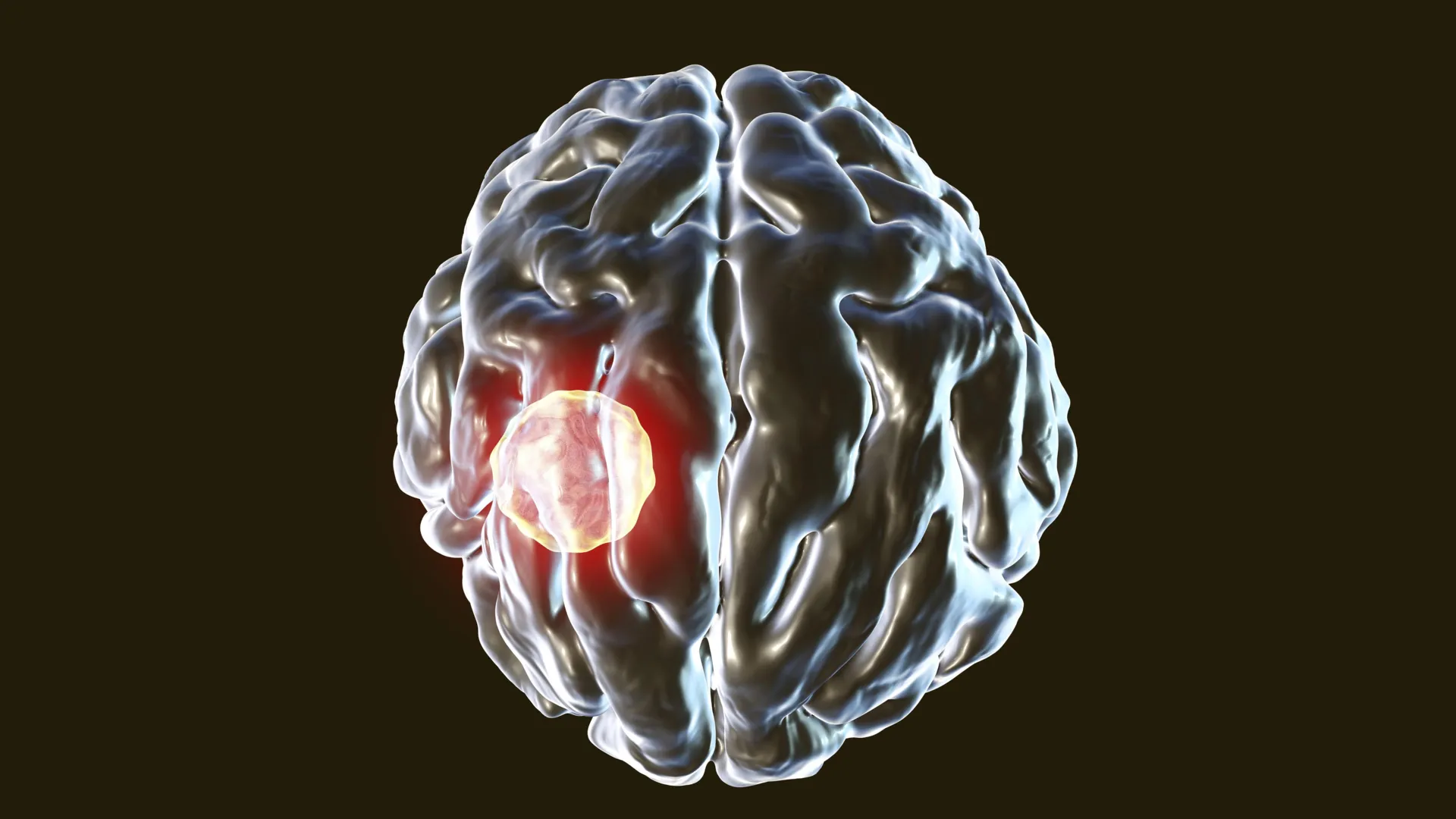
The human brain, long considered an immunologically privileged site protected by the blood-brain barrier, serves as a permanent residence for one of the world’s most successful parasites: Toxoplasma gondii. While this microscopic invader is known for its ability to evade detection and persist for the lifetime of its host, new research from the University of Virginia (UVA) School of Medicine has unveiled a sophisticated "self-destruct" mechanism that the body’s primary defense cells use to prevent the parasite from overwhelming the central nervous system. Led by Tajie Harris, PhD, the research team discovered that CD8+ T cells—the "special forces" of the immune system—rely on a specific enzyme called caspase-8 to undergo programmed cell death when they themselves become infected. This sacrificial act effectively terminates the parasite’s life cycle within the cell, providing a critical layer of protection that prevents fatal brain inflammation.
The study, published in the journal Science Advances, provides a groundbreaking look at the internal arms race between pathogens and the immune system. By identifying caspase-8 as a master regulator of this defense, the UVA team has opened new avenues for treating toxoplasmosis in vulnerable populations, including those with HIV/AIDS, organ transplant recipients, and others with suppressed immune systems.
The Global Burden of Toxoplasma Gondii
Toxoplasma gondii is a protozoan parasite capable of infecting virtually all warm-blooded animals, though it relies on felines as its definitive host for sexual reproduction. In humans, infection typically occurs through the ingestion of undercooked, contaminated meat, exposure to oocysts in cat feces, or the consumption of unwashed fruits and vegetables. According to the Centers for Disease Control and Prevention (CDC), more than 40 million people in the United States alone carry the parasite, while global estimates suggest that roughly one-third of the human population is chronically infected.
For most healthy individuals, the initial infection is either asymptomatic or results in mild, flu-like symptoms. However, the parasite is never truly cleared from the body. Instead, it enters a latent stage, forming cysts in muscle tissue and, most notably, the brain. These cysts can remain dormant for decades. The danger arises when the host’s immune system is compromised; in these cases, the parasite can reactivate, leading to toxoplasmic encephalitis—a severe and often fatal inflammation of the brain.
The Paradox of the Infected Hunter
The UVA research focused on a specific subset of immune cells known as CD8+ T cells. Under normal circumstances, these cells are the aggressors of the immune system. They patrol the body, identifying and destroying cells that have been compromised by viruses or intracellular parasites. They achieve this by releasing toxic proteins or sending chemical signals that instruct other immune cells to attack.
However, Toxoplasma gondii is a master of evasion. The researchers discovered that the parasite does not just hide from T cells; it actively infects them. This creates a biological paradox: the very cells designed to eliminate the infection become the hosts for the pathogen. "We know that T cells are really important for combatting Toxoplasma gondii, and we thought we knew all the reasons why," explained Tajie Harris, PhD, Director of the Center for Brain Immunology and Glia (BIG Center) at the UVA School of Medicine. "We found that these very T cells can get infected, and, if they do, they can opt to die."
This "option to die" is not a failure of the immune system but a highly evolved tactical sacrifice. Because Toxoplasma is an obligate intracellular parasite—meaning it must live inside a host cell to survive and replicate—the death of the T cell acts as a "dead end" for the invader.
The Role of Caspase-8: A Molecular Kill Switch
The core of the UVA discovery lies in the function of caspase-8, a protease enzyme well-known in cellular biology for its role in apoptosis, or programmed cell death. In the context of the brain’s defense against Toxoplasma, caspase-8 acts as a molecular sensor and executioner.
To test the importance of this enzyme, Harris and her team conducted laboratory experiments using mouse models. They compared two groups: one with normal T cells and another in which the T cells lacked the gene for caspase-8. When exposed to Toxoplasma gondii, both groups of mice initially mounted a strong immune response, producing the necessary T cells to fight the infection. However, the outcomes soon diverged sharply.
The mice lacking caspase-8 in their T cells saw a massive surge in parasite levels within their brain tissue. Despite having an abundance of T cells, these cells were unable to stop the parasite because they could not "self-destruct" upon infection. Instead, the T cells became vessels for the parasite to thrive. These mice quickly became severely ill and succumbed to the infection. In contrast, the mice with functioning caspase-8 remained healthy, as their T cells successfully sacrificed themselves to contain the parasite’s spread.
"Mice with caspase-8 remained healthy, while those without it became severely ill and died," the researchers noted. Examination of brain tissue confirmed that without the enzyme, CD8+ T cells were significantly more likely to be riddled with the parasite, essentially serving as a "Trojan horse" that allowed the infection to escalate.
Chronology and Evolution of the Research
The UVA study represents a significant milestone in a research timeline that spans over a century. Toxoplasma gondii was first described in 1908 by Nicolle and Manceaux, and for decades, research focused primarily on its life cycle in cats and its impact on fetal development during pregnancy. It wasn’t until the HIV/AIDS epidemic of the 1980s that the medical community fully realized the parasite’s devastating potential in the human brain.
In the early 2000s, advances in imaging and genetic sequencing allowed scientists to begin tracking the parasite’s movement through the blood-brain barrier. The Harris lab at UVA has spent years investigating the unique environment of the brain, where traditional immune responses must be carefully balanced to avoid damaging delicate neural tissue.
"We scoured the scientific literature to find examples of pathogens infecting T cells. We found very few examples," said Harris. "Now, we think we know why. Caspase-8 leads to T cell death. The only pathogens that can live in CD8+ T cells have developed ways to mess with Caspase-8 function."
This finding suggests that caspase-8 is not just a specific defense against Toxoplasma, but likely a universal safeguard that prevents various pathogens from hijacking the immune system’s most potent weapons.
Implications for Immunocompromised Patients
The discovery has immediate implications for clinical medicine. Currently, toxoplasmosis is treated with a combination of antimicrobial drugs such as pyrimethamine and sulfadiazine. While effective at killing the active form of the parasite, these drugs do not eliminate the dormant cysts in the brain and can have significant side effects.
By understanding the role of caspase-8, researchers may be able to develop therapies that bolster this natural defense mechanism. For patients with weakened immune systems—such as those undergoing chemotherapy or living with advanced HIV—the failure of the T-cell "self-destruct" mechanism may be a primary reason why the infection becomes unmanageable.
Furthermore, the study sheds light on the broader field of neuro-immunology. The brain’s reliance on T-cell apoptosis suggests that the body prioritizes the containment of a pathogen over the survival of individual immune cells. This "altruistic" cellular behavior is essential in the brain, where the uncontrolled replication of a parasite would lead to irreversible tissue damage.
Supporting Data and Collaborative Efforts
The research was a collaborative effort within the UVA Department of Neuroscience and the BIG Center. The team included Lydia A. Sibley, Maureen N. Cowan, Abigail G. Kelly, NaaDedee A. Amadi, Isaac W. Babcock, Sydney A. Labuzan, Michael A. Kovacs, Samantha J. Batista, and John R. Lukens.
The study’s data indicated that the absence of caspase-8 did not prevent T cells from migrating to the brain, nor did it prevent them from producing inflammatory cytokines like interferon-gamma. This suggests that the "traditional" immune functions remained intact, but they were insufficient without the specific "kill switch" provided by caspase-8. This nuance is vital for future drug development, as it identifies a very specific vulnerability in the host-parasite relationship.
Funding for this extensive research was provided by the National Institutes of Health (NIH) through multiple grants, alongside support from the University of Virginia Pinn Scholars Award and the UVA Strategic Investment Fund. The scientists involved reported no financial conflicts of interest, emphasizing the objective nature of the findings.
Future Directions in Brain Immunology
As the scientific community digests these findings, the next steps for the Harris lab involve investigating whether other brain-resident parasites or viruses are subject to the same caspase-8 regulation. There is also a growing interest in how this mechanism might change with age, as the immune system’s efficiency naturally declines, potentially making the elderly more susceptible to the reactivation of latent infections.
The discovery that CD8+ T cells "opt to die" to save the host provides a profound example of the complexity of human biology. It redefines our understanding of T-cell functionality, moving beyond the simple "hunter-prey" model to a more complex system of biological checks and balances.
For the millions of people living with Toxoplasma gondii, the research offers a sense of security in the body’s hidden defenses. For the medical community, it provides a roadmap for protecting the most vulnerable patients from a parasite that, while often silent, remains a persistent threat to neurological health. By unlocking the secrets of caspase-8, UVA researchers have not only explained how we survive a common infection but have also highlighted a fundamental principle of survival: sometimes, the most effective way to win a war is through a calculated sacrifice at the cellular level.
