
 By Hendra Lukman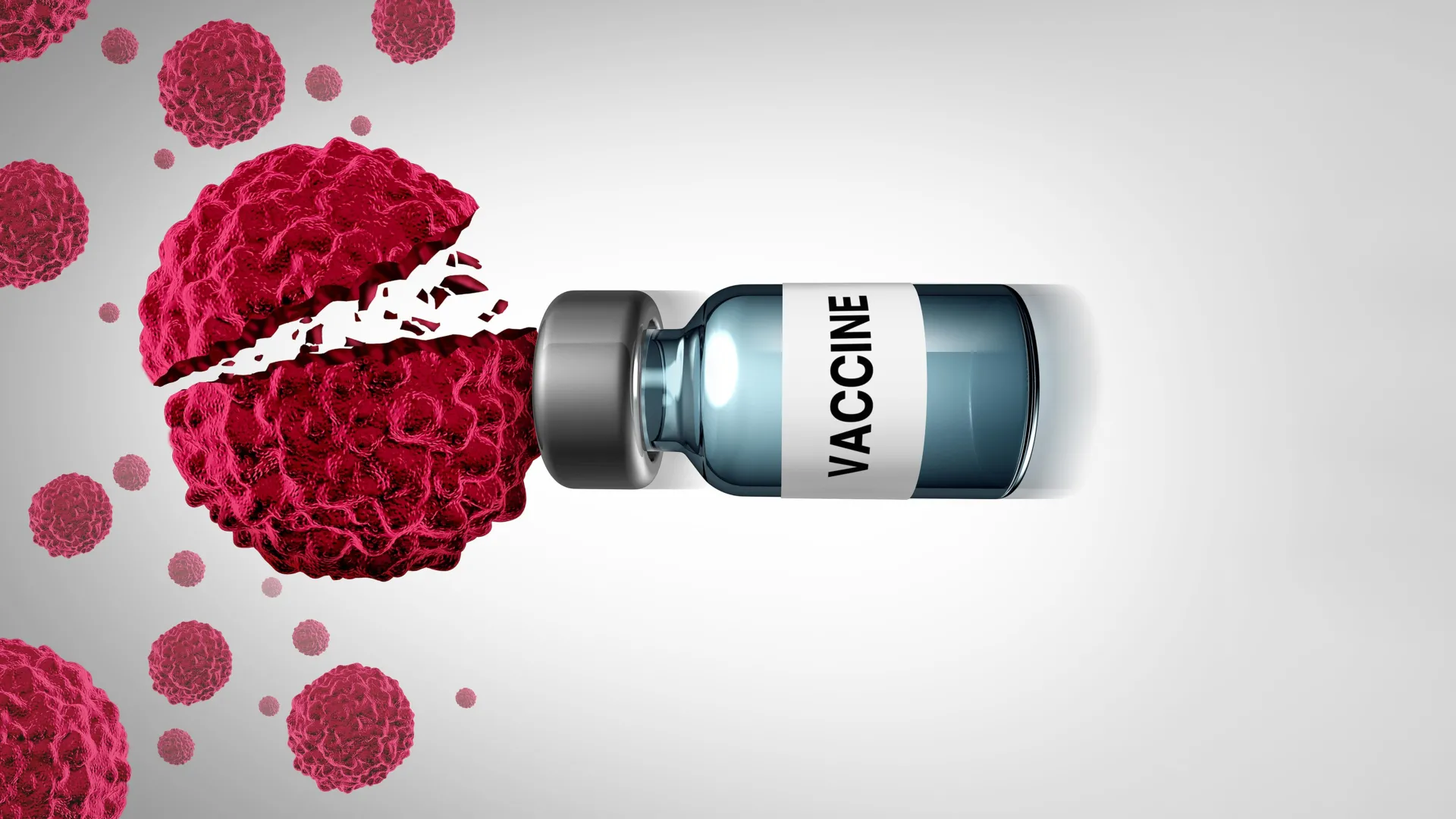
Patients battling advanced lung or skin cancer who received a COVID-19 mRNA vaccine within 100 days of commencing immunotherapy treatment demonstrated a considerable increase in survival rates compared to their unvaccinated counterparts, according to groundbreaking new research. This discovery, stemming from the collaborative efforts of scientists at the University of Florida (UF) and the University of Texas MD Anderson Cancer Center, offers a beacon of hope and suggests a revolutionary shift in the landscape of cancer care, potentially paving the way for universal cancer vaccines.
The research, published on October 22 in the prestigious journal Nature, builds upon over a decade of scientific inquiry into the potential of messenger RNA (mRNA) technology to harness the body’s inherent immune defenses against malignancies. The findings underscore the transformative power of mRNA, the same technology that revolutionized vaccine development during the COVID-19 pandemic, and hint at its broader applications beyond infectious diseases.
Unveiling a Potent Synergy: mRNA Vaccines and Immunotherapy
At the heart of this discovery lies an in-depth analysis of over 1,000 patient records from MD Anderson Cancer Center, a leading institution in cancer research and treatment. The study meticulously examined the outcomes of patients with Stage 3 and 4 non-small cell lung cancer and metastatic melanoma who were undergoing immunotherapy. Immunotherapy, a cornerstone of modern cancer treatment, aims to "unleash" the patient’s own immune system to identify and destroy cancer cells, often by blocking specific "brakes" that cancer cells exploit to evade immune detection. However, in advanced stages of these cancers, a significant proportion of patients do not respond optimally to these therapies, having often exhausted other treatment modalities such as radiation, surgery, and chemotherapy.
The research team, led by co-senior author Elias Sayour, M.D., Ph.D., a pediatric oncologist at UF Health and a leading researcher in pediatric oncology, observed a striking correlation. Patients who received a COVID-19 mRNA vaccine – specifically the Pfizer-BioNTech or Moderna vaccines – within a 100-day window before or after initiating immunotherapy, exhibited significantly longer survival times. This period was chosen based on the understanding of how vaccines prime the immune system and how immunotherapy works to sustain an anti-cancer response.
Quantifying the Impact: Survival Data Insights
The statistical data unearthed from the patient records is compelling. In the cohort of advanced lung cancer patients, approximately 180 individuals received a COVID-19 mRNA vaccine within the specified timeframe alongside their immunotherapy. This group demonstrated a near doubling of their median survival, which increased from 20.6 months to an impressive 37.3 months.
For patients battling metastatic melanoma, the impact was equally profound. Out of 167 patients who did not receive a vaccine while on immunotherapy, 43 individuals had received a COVID-19 mRNA vaccine within the 100-day window. In this group, median survival saw an increase from 26.7 months to a range of 30 to 40 months. Critically, at the time the data was compiled, some of these vaccinated patients were still alive, suggesting that the full extent of the vaccine’s benefit might be even greater.
Importantly, the study also found no comparable increase in longevity among patients who received non-mRNA vaccines, such as those for pneumonia or influenza, indicating that the observed effect is specific to the mRNA technology.
From COVID-19 to Cancer: A Serendipitous Revelation
The genesis of this particular line of inquiry can be traced back to Dr. Sayour’s extensive work over the past eight years, focusing on the synergistic combination of lipid nanoparticles with mRNA technology. Messenger RNA, a vital molecule naturally present in all cells, carries genetic instructions for synthesizing proteins. Dr. Sayour’s earlier research had already indicated that stimulating the immune system broadly, much like it responds to a viral infection, could be sufficient to trigger an anti-tumor response, without necessarily targeting a specific cancer protein. This led to the development of an experimental "nonspecific" mRNA vaccine designed to broadly mobilize the immune system.
In laboratory experiments conducted earlier in the year, Dr. Sayour’s team combined this experimental vaccine with immune checkpoint inhibitors in mice. The results were remarkable, producing a potent immune response that effectively combatted tumors. This experimental vaccine, it is crucial to note, was not directed at the COVID-19 spike protein or any other specific cancer molecule; it utilized the same underlying mRNA technology as COVID vaccines but was designed for a broader immune activation.
This pivotal discovery prompted a crucial question from Adam Grippin, M.D., Ph.D., a former lab member and the first author of the Nature paper, who had trained at UF’s Preston A. Wells Center for Brain Tumor Therapy and is now affiliated with MD Anderson. He wondered if the readily available COVID-19 mRNA vaccines, designed to elicit a strong immune response against the SARS-CoV-2 virus, could function similarly to their experimental nonspecific vaccine in boosting anti-cancer immunity.
"Extraordinary Implications" for Oncologic Care
The potential implications of these findings are far-reaching, with experts suggesting a paradigm shift in how cancer is treated. "The implications are extraordinary – this could revolutionize the entire field of oncologic care," stated Dr. Sayour. "We could design an even better nonspecific vaccine to mobilize and reset the immune response, in a way that could essentially be a universal, off-the-shelf cancer vaccine for all cancer patients."
This sentiment is echoed by Jeff Coller, Ph.D., an esteemed mRNA expert and professor at Johns Hopkins University, who highlighted the broader impact of the federal government’s Operation Warp Speed initiative. "The results from this study demonstrate how powerful mRNA medicines truly are and that they are revolutionizing our treatment of cancer," Coller remarked, emphasizing that the benefits of this accelerated vaccine development continue to unfold in unexpected and beneficial ways.
A Universal Cancer Vaccine on the Horizon?
The concept of a "universal cancer vaccine" has long been a scientific aspiration. Such a vaccine would ideally be effective across a broad spectrum of cancer types and patient profiles, requiring minimal customization. The current research suggests that the fundamental principles behind mRNA vaccine technology – its ability to broadly activate and re-educate the immune system – could be harnessed for this purpose.
The research team is already taking concrete steps to validate these preliminary findings. A randomized clinical trial is in the design phase, aiming to prospectively confirm the observational data and further elucidate the mechanisms behind this synergistic effect. This rigorous scientific approach is essential to move from correlation to causation and to establish definitive treatment guidelines.
Duane Mitchell, M.D., Ph.D., Dr. Grippin’s doctoral mentor and director of the UF Clinical and Translational Science Institute, emphasized the urgency of this confirmatory work. "Although not yet proven to be causal, this is the type of treatment benefit that we strive for and hope to see with therapeutic interventions – but rarely do," he stated. "I think the urgency and importance of doing the confirmatory work can’t be overstated."
Unraveling the Mechanism: How the Vaccine Might Enhance Immunotherapy
While the exact biological mechanisms are still under investigation, researchers propose that mRNA vaccines act as a powerful immune stimulant, akin to a "flare" that redirects immune cells. "One of the mechanisms for how this works is when you give an mRNA vaccine, that acts as a flare that starts moving all of these immune cells from bad areas like the tumor to good areas like the lymph nodes," explained Dr. Sayour. This mobilization of immune cells to lymph nodes, where they are more likely to encounter antigens and become activated, could significantly enhance the effectiveness of immunotherapy drugs that rely on a robust immune presence to function.
The experimental data in mice further supports this hypothesis. When researchers combined an mRNA vaccine specifically targeting the COVID-19 spike protein with immunotherapy drugs in laboratory models, they observed a remarkable transformation. Tumors that had previously resisted treatment became responsive, and tumor growth was effectively halted. This suggests that even vaccines developed for specific pathogens can have unintended but beneficial effects on the immune system’s ability to combat cancer.
Moving Forward: A Large-Scale Clinical Trial
The next critical phase of this research involves launching a large-scale clinical trial through the UF-led OneFlorida+ Clinical Research Network. This consortium, comprising a vast network of hospitals, health centers, and clinics across multiple states, provides an ideal infrastructure for conducting such a crucial study. Betsy Shenkman, Ph.D., who leads the consortium, highlighted its mission: "One of our key motivations at OneFlorida is to move discoveries from academic settings out into the real world and the places where patients get care."
If the confirmatory trial yields positive results, the implications for patients with advanced cancers would be immense. Even incremental improvements in survival rates – a 5% or 10% increase – would translate into invaluable extra time for patients and their families, especially if this benefit can be generalized across different cancer types and patient populations.
The research was supported by funding from the National Cancer Institute and several other foundations, underscoring the significant scientific and public health interest in this area of investigation. It is also noteworthy that Drs. Sayour, Grippin, and Mitchell hold patents related to UF-developed mRNA vaccines, which have been licensed by iOncologi Inc., a biotech company that originated as a spinout from UF, with Dr. Mitchell holding an interest in the company. This highlights the translational aspect of the research and the potential for commercial development of these life-saving therapies.
The journey from understanding viral immunity to potentially revolutionizing cancer treatment is a testament to scientific curiosity, collaborative spirit, and the relentless pursuit of better patient outcomes. This ongoing research into mRNA vaccines and their synergy with cancer immunotherapies represents a significant leap forward, offering a renewed sense of hope in the fight against some of the most challenging forms of cancer.
