
 By Gabriel Paijo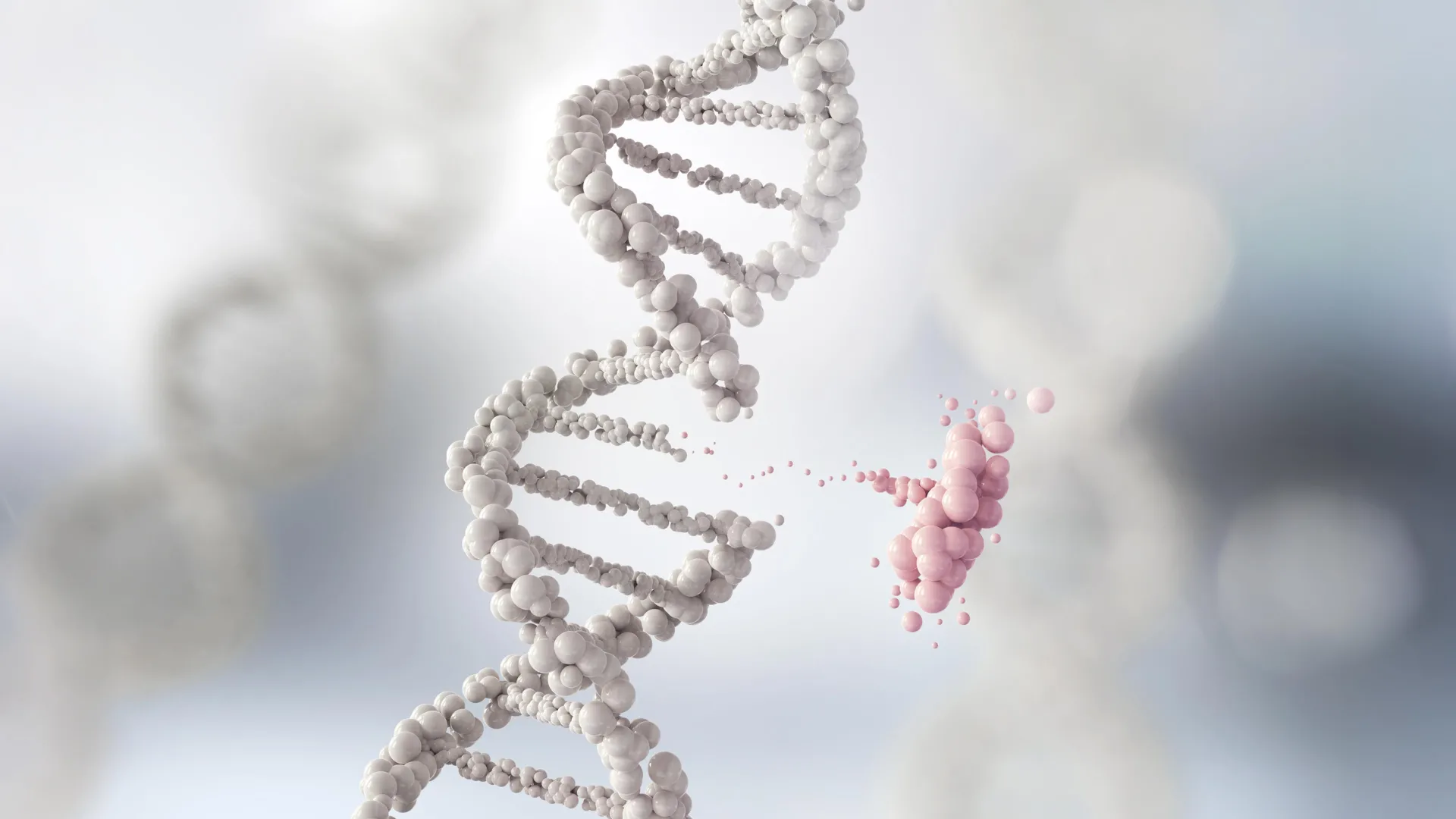
In a landmark study published on November 14 in the journal Molecular Therapy Oncology, researchers at ChristianaCare’s Gene Editing Institute have demonstrated a transformative approach to treating lung cancer by utilizing CRISPR/Cas9 technology to disable the NRF2 gene. This genetic intervention has shown the potential to reverse chemotherapy resistance in lung squamous cell carcinoma, a particularly aggressive and difficult-to-treat form of non-small cell lung cancer (NSCLC). By "turning off" the NRF2 gene, the research team successfully restored the sensitivity of tumor cells to standard-of-care chemotherapeutic agents, offering a potential lifeline to patients who have exhausted traditional treatment options.
The study represents the culmination of more than a decade of specialized research into the molecular mechanisms of drug resistance. The findings indicate that by targeting the master regulator of cellular stress—the NRF2 protein—scientists can dismantle the biological "shield" that cancer cells use to survive the toxic effects of chemotherapy. This discovery is particularly significant because it focuses on re-sensitizing tumors to existing, widely available drugs like carboplatin and paclitaxel, rather than necessitating the development of entirely new, high-cost pharmacological compounds.
The Biological Mechanism of NRF2 and Therapy Resistance
To understand the significance of this breakthrough, one must first look at the role of the NRF2 (Nuclear Factor Erythroid 2-Related Factor 2) gene in human biology. Under normal physiological conditions, NRF2 acts as a vital transcription factor that protects cells from oxidative stress and toxic damage. It triggers the production of antioxidants and detoxification enzymes when a cell is under threat. However, in many types of solid tumors, this protective mechanism is hijacked.
When NRF2 becomes overactive—often due to specific mutations—it provides cancer cells with an extraordinary level of resilience. In the context of lung cancer, the over-expression of NRF2 allows malignant cells to neutralize the DNA-damaging effects of chemotherapy drugs. This creates a state of "acquired resistance," where the drugs that are meant to kill the cancer are instead processed and neutralized by the cell’s internal defense systems before they can take effect.
The researchers at ChristianaCare specifically focused on a mutation known as R34G. This mutation essentially locks the NRF2 "switch" in the "on" position, leading to a continuous production of protective enzymes that shield the tumor. By using CRISPR/Cas9—a precise molecular tool often described as "genetic scissors"—the team was able to knock out the NRF2 gene entirely, effectively stripping the cancer cells of their armor.
A Decade of Rigorous Scientific Inquiry
The path to this discovery was not immediate. The Gene Editing Institute has spent ten years investigating the intersection of NRF2 and oncology. This longitudinal effort involved a tiered research strategy that progressed from basic molecular biology to complex animal models.
"We’ve seen compelling evidence at every stage of research," noted Kelly Banas, Ph.D., lead author of the study and associate director of research at the Gene Editing Institute. "It’s a strong foundation for taking the next step toward clinical trials."
The study utilized human lung cancer cell lines to prove the concept in vitro before moving to in vivo animal studies. In the laboratory, cells that were previously impervious to chemotherapy began to die off rapidly once the NRF2 gene was deactivated. When the research moved to animal models designed to mirror real-world tumor behavior, the results were consistent: tumors treated with CRISPR-targeted NRF2 knockout grew significantly slower and showed a marked increase in vulnerability to carboplatin and paclitaxel.
Precision Delivery via Lipid Nanoparticles
One of the most significant technical hurdles in gene editing is delivery—how to get the CRISPR components into the tumor without affecting healthy tissue. For this study, the researchers employed lipid nanoparticles (LNPs) as the delivery vehicle. LNPs are non-viral microscopic bubbles of fat that can encapsulate the CRISPR machinery and deliver it directly to cells.
This methodology offers several advantages over traditional viral-based delivery systems. LNPs are generally considered safer, as they reduce the risk of an immune response and limit the potential for "off-target" effects—unintended genetic changes in other parts of the genome. Advanced sequencing of the treated cells confirmed that the CRISPR "arrow" hit only the intended target, leaving the rest of the genetic code intact.
"The power of this CRISPR therapy lies in its precision. It’s like an arrow that hits only the bullseye," Banas explained. "This level of specificity with minimal unanticipated genomic side effects offers real hope for the cancer patients who could one day receive this treatment."
The 20% Threshold: A Practical Path to Clinical Use
Perhaps the most surprising and encouraging finding of the study was the efficiency required for therapeutic impact. In many gene therapy contexts, scientists believe they must edit 100% of the target cells to see a clinical benefit. However, the ChristianaCare team discovered that editing only 20% to 40% of the tumor cells was sufficient to significantly enhance the overall chemotherapy response and reduce the total tumor mass.
This "partial editing" success is a major milestone for the field of oncology. In a clinical setting, reaching every single cell in a solid tumor is often impossible due to the tumor’s density and complex blood supply. The realization that a minority of edited cells can drive a majority of the therapeutic response makes the transition to human clinical trials far more feasible. It suggests that even a modest delivery of the CRISPR treatment could tip the scales in favor of the patient’s survival.
Addressing the Burden of Lung Squamous Cell Carcinoma
The study specifically targeted lung squamous cell carcinoma (LSCC), a subtype of non-small cell lung cancer that is notorious for its rapid growth and poor prognosis. According to data from the American Cancer Society, LSCC accounts for approximately 20% to 30% of all lung cancer cases. The scale of the problem is immense; in the United States alone, more than 190,000 individuals are expected to be diagnosed with lung cancer in 2025.
For patients with LSCC, the standard treatment has long been platinum-based chemotherapy. While many patients initially respond to these drugs, a significant portion eventually develops resistance, leading to recurrence and metastasis. By focusing on the NRF2-driven resistance pathway, this research directly addresses the primary reason why many lung cancer treatments fail over time.
Broader Implications for Solid Tumors
While the primary focus of the published research was lung cancer, the implications extend to a wide array of other malignancies. NRF2 overactivity is a known driver of chemotherapy resistance in several other solid tumors, including:
- Liver Cancer: Where NRF2 helps cells survive the harsh, toxin-heavy environment of the liver.
- Esophageal Cancer: Often diagnosed at late stages with high rates of resistance.
- Head and Neck Cancers: Which frequently involve mutations in the NRF2 pathway.
The success of the CRISPR-NRF2 approach in lung cancer provides a blueprint for treating these other resistant cancers. If the mechanism of re-sensitization holds true across different tissue types, this could represent a "platform technology" that can be adapted for various oncology specialties.
"This work brings transformational change to how we think about treating resistant cancers," said Eric Kmiec, Ph.D., senior author of the study and executive director of the Gene Editing Institute. "Instead of developing entirely new drugs, we are using gene editing to make existing ones effective again."
Analysis of Economic and Patient Outcomes
From a healthcare economics perspective, this approach is highly disruptive. The traditional pharmaceutical model relies on the development of novel "blockbuster" drugs, which can take over a decade and billions of dollars to bring to market. These costs are often passed on to patients and insurers, resulting in treatments that cost hundreds of thousands of dollars per course.
The Gene Editing Institute’s strategy focuses on enhancing the efficacy of "generic" or standard chemotherapy drugs. By making older, cheaper drugs work again, this therapy could potentially lower the overall cost of cancer care while improving survival rates. Furthermore, by making chemotherapy more effective, patients may require lower doses or fewer cycles, potentially reducing the debilitating side effects associated with high-dose toxic treatments. This could lead to a significant improvement in the quality of life for patients throughout their treatment regimen.
Next Steps: Toward Clinical Trials
With the publication of these results in Molecular Therapy Oncology, the Gene Editing Institute is now looking toward the future. The transition from animal models to human clinical trials is the next critical phase. This will involve rigorous safety testing and the development of standardized protocols for LNP administration in humans.
The medical community has reacted with cautious optimism. While CRISPR-based therapies have already seen success in blood disorders like sickle cell disease, treating solid tumors with gene editing is a more complex challenge. The ChristianaCare study provides some of the most robust evidence to date that this challenge can be met.
As the researchers move forward, they will focus on refining the delivery mechanism and ensuring that the NRF2 knockout remains stable over time. If successful in human trials, this treatment could redefine the standard of care for millions of cancer patients worldwide, turning the tide against one of the most formidable obstacles in modern medicine: drug resistance.
