
 By Gabriel Paijo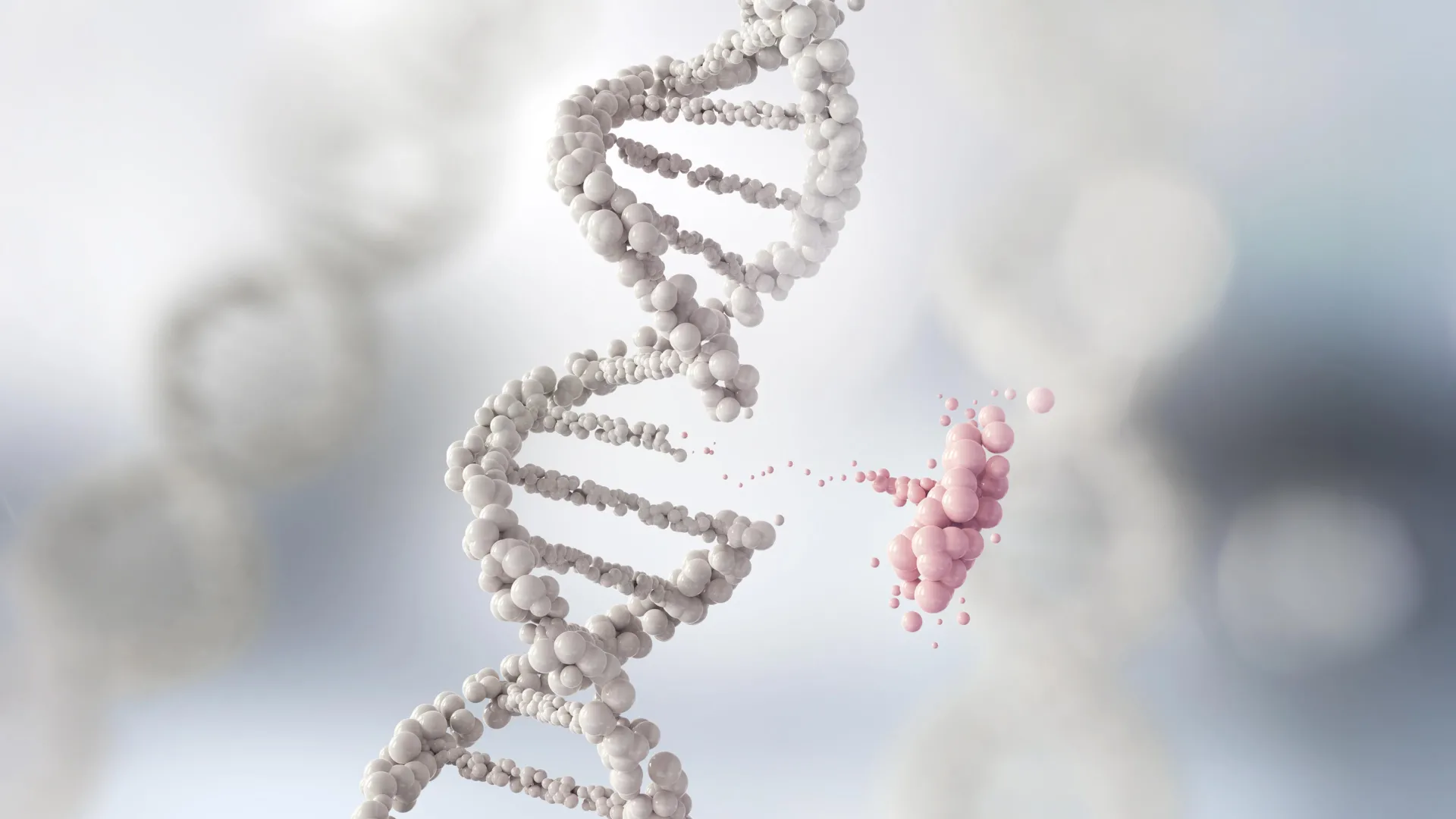
In a landmark study that could redefine the approach to treating advanced malignancies, researchers at ChristianaCare’s Gene Editing Institute have demonstrated that the precision application of CRISPR technology can effectively "switch off" a specific gene responsible for chemotherapy resistance. By targeting the NRF2 gene, the research team successfully restored the sensitivity of lung cancer cells to standard chemotherapy agents, offering a potential lifeline for patients who have exhausted traditional treatment options. The findings, published on November 14 in the peer-reviewed journal Molecular Therapy Oncology, represent the culmination of over a decade of genetic research and provide a robust framework for upcoming clinical trials.
The study primarily focused on lung squamous cell carcinoma, a particularly aggressive subtype of non-small cell lung cancer (NSCLC). This form of the disease is notorious for its ability to develop resistance to platinum-based therapies, which are the standard of care for most solid tumors. By utilizing CRISPR/Cas9—a molecular tool often described as "genetic scissors"—the scientists were able to disable the mechanism that allows cancer cells to survive the toxic environment created by chemotherapy. This intervention not only slowed tumor growth in laboratory models but also allowed drugs that had previously failed to regain their efficacy.
The Challenge of Chemotherapy Resistance in Modern Oncology
Chemotherapy remains a cornerstone of cancer treatment, yet its effectiveness is frequently hampered by the biological adaptability of tumor cells. According to the American Cancer Society, more than 190,000 individuals in the United States are projected to receive a lung cancer diagnosis in 2025. Of these cases, lung squamous cell carcinoma accounts for approximately 20% to 30%. While initial responses to treatment can be positive, many patients experience a relapse as their tumors evolve to withstand the medication.
The primary culprit in this resistance is often a transcription factor known as NRF2 (Nuclear Factor Erythroid 2-Related Factor 2). In healthy cells, NRF2 serves as a vital protector, regulating the antioxidant response to prevent damage from oxidative stress and toxins. However, in various types of cancer, a specific mutation known as R34G causes NRF2 to become hyperactive. In this pathological state, NRF2 acts as a shield for the tumor, neutralizing the "stress" induced by chemotherapy drugs and allowing the cancer cells to proliferate despite treatment.
The team at the Gene Editing Institute identified that this "master controller" was the key to unlocking the resistance barrier. By knocking out the NRF2 gene, they removed the tumor’s primary defense mechanism, leaving it vulnerable to the cytotoxic effects of drugs like carboplatin and paclitaxel.
A Decade of Discovery: The Research Chronology
The recent publication is not an isolated success but the result of a long-term strategic research initiative. For more than ten years, the Gene Editing Institute at ChristianaCare has been at the forefront of investigating the molecular pathways of therapy resistance.
- 2014–2018: Early foundational research focused on identifying the specific genetic mutations that correlate with poor patient outcomes in lung cancer. During this period, NRF2 emerged as a significant biomarker for drug resistance.
- 2019–2021: Researchers began utilizing early iterations of CRISPR technology to experiment with "knocking out" genes in human cell lines. These in vitro studies confirmed that removing NRF2 could sensitize cells to chemotherapy in a controlled environment.
- 2022–2023: The team moved into more complex animal models. These studies were designed to mirror the behavior of human tumors more accurately, focusing on how the gene-edited cells interact within a living biological system.
- 2024: The completion of the current study provided the definitive evidence needed to support clinical development. The research successfully integrated CRISPR delivery systems with standard chemotherapy regimens, showing consistent results across both cell and animal models.
"We’ve seen compelling evidence at every stage of research," said Kelly Banas, Ph.D., lead author of the study and associate director of research at the Gene Editing Institute. "It’s a strong foundation for taking the next step toward clinical trials. We are no longer just looking at a theoretical possibility; we are looking at a proven mechanism for overcoming one of the most significant hurdles in oncology."
Technical Precision: The R34G Mutation and LNP Delivery
The study’s success hinged on the high level of precision afforded by CRISPR/Cas9 technology. The researchers specifically targeted the R34G mutation within the NRF2 gene, which is prevalent in many treatment-resistant lung cancers. To deliver the CRISPR machinery into the tumor cells, the team employed lipid nanoparticles (LNPs).
LNPs have gained global recognition due to their role in the delivery of mRNA for COVID-19 vaccines. In this oncological application, LNPs provide a non-viral delivery system that is both efficient and safe. By avoiding viral vectors, the researchers minimized the risk of inducing an immune response or causing unintended genetic modifications elsewhere in the genome.
Genetic sequencing conducted after the treatment confirmed that the edits were highly targeted. The CRISPR "arrows" hit the "bullseye" of the mutated NRF2 gene with minimal off-target effects. This specificity is crucial for regulatory approval, as it ensures that the treatment does not inadvertently damage healthy DNA.
Perhaps the most significant finding from a clinical perspective was the "threshold of efficacy." The research team discovered that it was not necessary to edit every single cell within a tumor to see a therapeutic benefit. In animal models, editing only 20% to 40% of the tumor cells was sufficient to significantly enhance the overall response to chemotherapy and lead to a reduction in tumor size. This is a critical insight, as achieving 100% gene-editing efficiency in a human patient is currently beyond the reach of modern medicine. Knowing that a partial edit can yield substantial clinical outcomes makes the therapy far more viable for human application.
Broader Implications for Solid Tumors and Patient Outcomes
While the study’s immediate focus was lung squamous cell carcinoma, the implications of the NRF2 knockout extend far beyond a single disease type. Overactivity of the NRF2 pathway is a documented driver of chemotherapy resistance in several other "difficult-to-treat" solid tumors.
Medical data suggests that NRF2 plays a similar shielding role in:
- Liver Cancer: Where high levels of NRF2 correlate with rapid progression and resistance to targeted therapies.
- Esophageal Cancer: A disease with historically low survival rates where chemotherapy often fails due to cellular stress-response mechanisms.
- Head and Neck Cancers: Which frequently recur after initial treatment cycles.
By proving that CRISPR can re-sensitize lung cancer tumors, the researchers have created a blueprint that could be adapted for these other malignancies. This shift represents a philosophical change in drug development. Rather than spending decades and billions of dollars developing entirely new chemotherapy drugs—which tumors might eventually become resistant to anyway—scientists can use gene editing to "repair" the effectiveness of the reliable drugs we already have.
"This work brings transformational change to how we think about treating resistant cancers," said Eric Kmiec, Ph.D., senior author of the study and executive director of the Gene Editing Institute. "Instead of developing entirely new drugs, we are using gene editing to make existing ones effective again."
Expert Reactions and the Path to Clinical Trials
The oncology community has reacted with cautious optimism to the ChristianaCare findings. Independent experts note that while many CRISPR studies show promise in the lab, the transition to the clinic requires rigorous safety testing. However, the use of LNPs and the specific targeting of a well-understood mutation like R34G provide a clearer regulatory pathway than many other experimental gene therapies.
Dr. Banas emphasized the potential impact on the patient experience. "We’re hopeful that in clinical trials and beyond, this is what will allow chemotherapy to improve outcomes for patients and could enable them to remain healthier during the entirety of their treatment regimen," she stated. By making chemotherapy more effective at lower or standard doses, there is also the potential to reduce the cumulative toxicity a patient must endure, potentially improving their quality of life during treatment.
The next phase of research will involve preparing for Phase I clinical trials. This process includes manufacturing the CRISPR/LNP treatment under stringent pharmaceutical standards and obtaining FDA clearance for human testing. If successful in humans, this approach could provide a secondary line of defense for patients who have failed their first round of chemotherapy, turning a "terminal" resistance into a manageable condition.
Conclusion: A New Era of Integrated Cancer Therapy
The findings from ChristianaCare’s Gene Editing Institute mark a pivotal moment in the fight against cancer. By combining the 20th-century power of chemotherapy with the 21st-century precision of CRISPR, researchers have found a way to bypass the evolutionary defenses of the tumor.
As the medical community moves toward personalized medicine, the ability to identify a patient’s specific mutation—such as NRF2 R34G—and deploy a targeted genetic intervention could become a standard part of the oncology toolkit. While challenges remain in the journey from the laboratory to the hospital bedside, the "arrow hitting the bullseye" in this study provides a significant reason for hope for the hundreds of thousands of patients facing a lung cancer diagnosis in the years to come. The study not only validates the decade of work performed at the Gene Editing Institute but also sets a new standard for how researchers can tackle the universal problem of drug resistance.
