
 By admin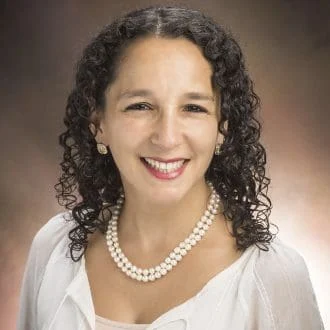
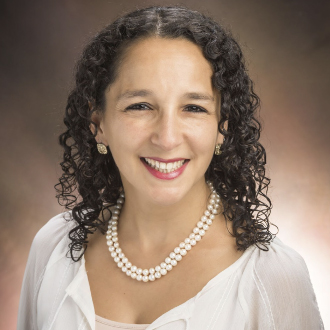
The national non-profit organization CureSearch for Children’s Cancer has officially announced a $1 million grant to Dr. Yael Mossé of the Children’s Hospital of Philadelphia (CHOP) to spearhead the development of a transformative treatment for high-risk neuroblastoma. This funding, awarded through the CureSearch Acceleration Initiative, is designed to bridge the gap between laboratory discovery and clinical application, specifically targeting one of the most lethal forms of pediatric cancer. Neuroblastoma, a malignancy that develops from immature nerve cells, remains a significant challenge for the medical community due to its aggressive nature and the high frequency of relapse in pediatric patients. By focusing on precision medicine, Dr. Mossé’s research aims to refine how clinicians target cancer-driving mutations, offering a more effective and less toxic alternative to traditional therapies.
The Critical Challenge of High-Risk Neuroblastoma
Neuroblastoma is the most common extracranial solid tumor found in infants and young children. It accounts for approximately 8% to 10% of all childhood cancer diagnoses but is disproportionately responsible for nearly 15% of all pediatric cancer-related deaths. The disease typically arises in the adrenal glands but can also develop in nerve tissues along the spine, chest, abdomen, or pelvis. For patients diagnosed with "high-risk" neuroblastoma, the prognosis has historically been guarded. Despite intensive multimodal therapy—including high-dose chemotherapy, surgery, radiation, stem cell transplants, and immunotherapy—the five-year survival rate for high-risk cases remains around 50%.
The primary difficulty in treating high-risk neuroblastoma lies in its genomic complexity and its ability to develop resistance to standard treatments. Many survivors of the current "sledgehammer" approach to treatment suffer from lifelong "late effects," including hearing loss, heart problems, infertility, and secondary cancers. Consequently, the medical community has long sought a "scalpel" approach: precision medicine that can identify and neutralize the specific genetic drivers of a tumor without damaging the developing body of a child.
Dr. Yael Mossé and the ALK Breakthrough
Dr. Yael Mossé, a Professor of Pediatrics at the Perelman School of Medicine at the University of Pennsylvania and a physician-scientist at CHOP, is a leading figure in neuroblastoma research. Her work gained international recognition in 2008 when her team identified that mutations in the Anaplastic Lymphoma Kinase (ALK) gene are the primary cause of the rare, inherited form of neuroblastoma and are also present in a significant percentage of non-inherited, high-risk cases.
The ALK gene provides instructions for making a protein called ALK receptor tyrosine kinase, which is involved in cell growth. In neuroblastoma, this gene can become "turned on" permanently, signaling the cells to divide uncontrollably. Dr. Mossé’s previous research has already led to the use of ALK inhibitors—drugs that block the activity of the mutated protein—in clinical trials. However, the new $1 million grant from CureSearch is focused on the next generation of this work: overcoming drug resistance and developing even more potent therapies that can be fast-tracked to the patients who need them most.
The Acceleration Initiative: Bridging the "Valley of Death"
The grant awarded to Dr. Mossé is part of the CureSearch Acceleration Initiative (AI), a highly competitive program that selects projects based on their potential to reach clinical trials within three years. In the world of pharmaceutical development, the transition from successful laboratory results to human testing is often referred to as the "Valley of Death" because so many promising leads fail due to a lack of funding or the complexity of regulatory requirements.
The Acceleration Initiative is specifically designed to navigate this gap. By providing substantial, milestone-driven funding, CureSearch ensures that researchers have the resources to complete the rigorous preclinical testing required by the Food and Drug Administration (FDA). This includes toxicology studies, drug formulation, and the design of Phase I clinical trial protocols. The $1 million award acts as a catalyst, moving the science forward at a pace that traditional federal funding cycles often cannot match.
Strategic Support and the Norcross Foundation
This specific $1 million project is supported in part by the Norcross Foundation, reflecting a collaborative effort between national non-profits and regional philanthropic organizations. Private funding has become increasingly vital in the landscape of pediatric oncology. While the National Cancer Institute (NCI) provides significant funding for cancer research, only a small fraction of the federal budget—estimated at approximately 4%—is dedicated specifically to pediatric cancers.
Furthermore, the pharmaceutical industry often lacks the financial incentive to develop drugs for children because the market is significantly smaller than that for adult cancers like breast, lung, or prostate cancer. This creates a "funding vacuum" that organizations like CureSearch and the Norcross Foundation aim to fill. By de-risking the early stages of drug development, these organizations make it more feasible for larger pharmaceutical entities to eventually adopt and manufacture these life-saving treatments.
Chronology of the Research and Future Milestones
The timeline for Dr. Mossé’s current project is structured to produce tangible clinical results within a condensed timeframe. Following the discovery of ALK’s role in 2008, the subsequent decade was spent validating ALK as a therapeutic target and testing first-generation inhibitors.
- Pre-Award Phase: Dr. Mossé and her team identified that while first-generation ALK inhibitors showed promise, some tumors developed secondary mutations to bypass the drug’s effects.
- Current Phase (Grant Activation): The $1 million grant will fund the optimization of a novel, more potent ALK inhibitor designed to bind more effectively to the mutated protein, even in cases where resistance has begun to develop.
- 12–24 Months: The team will conduct intensive "in vivo" testing (testing within living organisms) to determine the most effective dosage and identify any potential toxicities.
- 24–36 Months: The goal is to submit an Investigational New Drug (IND) application to the FDA, which, if approved, would allow for the commencement of Phase I clinical trials at CHOP and other leading pediatric oncology centers.
Official Statements and Institutional Reactions
Upon receiving the award, Dr. Mossé emphasized the transformative nature of the funding. "This award provides an unprecedented opportunity to streamline the overall development of a novel therapy for patients with neuroblastoma by accelerating the entire drug development process," she stated. "This translation of our science could not be possible without the support of CureSearch."
Representatives from CureSearch highlighted that Dr. Mossé’s project was chosen through a rigorous peer-review process involving both scientific experts and industry leaders. The selection criteria focused not only on the brilliance of the science but also on the feasibility of the commercialization and clinical path. The organization noted that in an era where federal research funding is increasingly uncertain, their role is to ensure that the "most promising science moves forward" so that no child is left without a safe and effective treatment option.
Broader Implications for Pediatric Oncology
The implications of this research extend beyond neuroblastoma. The success of Dr. Mossé’s ALK-targeting strategy serves as a blueprint for the broader field of pediatric precision medicine. It demonstrates that identifying a single genetic driver can lead to the development of therapies that are significantly more effective than broad-spectrum chemotherapy.
Moreover, this project highlights the growing importance of "translational medicine"—the discipline of turning laboratory discoveries into bedside treatments. As genetic sequencing becomes faster and more affordable, the ability to tailor a child’s treatment to the specific genetic makeup of their tumor is becoming the new standard of care.
Conclusion and Future Outlook
The $1 million investment in the Children’s Hospital of Philadelphia represents a significant step forward in the fight against high-risk neuroblastoma. For the families of the roughly 800 children diagnosed with neuroblastoma in the United States each year, this research offers a beacon of hope. By focusing on the molecular roots of the disease and leveraging private philanthropic support to overcome the hurdles of drug development, Dr. Mossé and CureSearch are working toward a future where a neuroblastoma diagnosis is no longer a source of profound mortality, but a treatable condition with minimal long-term side effects.
As the project moves into its next phases, the medical community will be watching closely. The success of this initiative could not only save lives in the short term but also encourage further investment in the specialized, high-stakes world of pediatric cancer research, ensuring that the youngest and most vulnerable patients receive the benefits of modern scientific innovation.
