
 By admin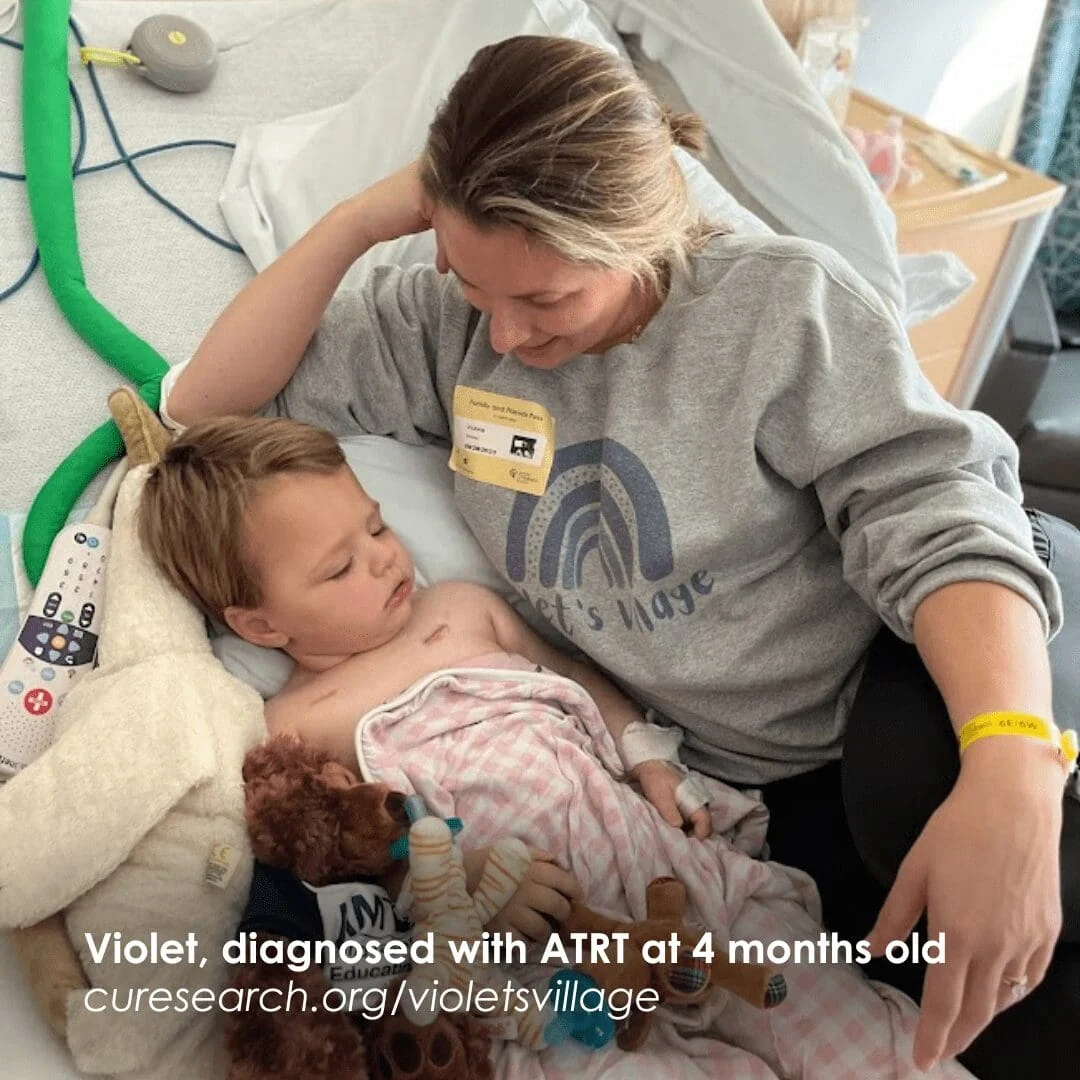
CureSearch for Children’s Cancer, a national non-profit foundation dedicated to accelerating the development of new pediatric cancer treatments, has officially announced the recipient of its 2025 Young Investigator Award. Dr. John Prensner, a physician-scientist at the University of Michigan, has been selected to lead a high-impact research project focusing on Atypical Teratoid Rhabdoid Tumor (ATRT), one of the most aggressive and difficult-to-treat forms of pediatric brain cancer. The grant represents a significant investment in precision medicine, targeting the biological mechanisms of tumors that have historically eluded conventional therapeutic approaches.
The project is a collaborative effort, receiving additional financial backing from the Jeff Gordon Children’s Foundation (JGCF) and Violet’s Village: The Violet Kenney Legacy Fund at CureSearch. This multi-organizational support underscores a growing trend in the philanthropic sector toward co-funding high-risk, high-reward research to address the critical "funding gap" that often stalls the progression of pediatric oncology treatments from the laboratory to clinical trials.
The Clinical Challenge of Atypical Teratoid Rhabdoid Tumor (ATRT)
ATRT is a rare, fast-growing tumor of the central nervous system, predominantly diagnosed in infants and children under the age of three. Unlike many adult cancers, which may develop over decades due to environmental factors or cumulative genetic damage, ATRT is a developmental malignancy that often emerges during the earliest stages of life. The tumors are most frequently located in the cerebellum or the brainstem—areas of the brain responsible for vital functions such as motor coordination, balance, breathing, and heart rate regulation.
The current standard of care for ATRT involves a combination of intensive surgery, high-dose chemotherapy, and occasionally radiation therapy. However, these interventions carry profound risks for very young patients. The developing brain is highly sensitive to the toxic effects of traditional treatments, often resulting in long-term cognitive impairments, endocrine disorders, and physical disabilities. Furthermore, despite the aggressive nature of these treatments, the prognosis for ATRT remains poor compared to other pediatric brain tumors, with survival rates historically hovering between 30% and 50%.
A primary obstacle in treating ATRT is the tumor’s genetic profile. While many cancers are driven by multiple genetic mutations that can be targeted with specific drugs, ATRT is characterized by a "quiet" genome, often featuring only a single significant genetic alteration—the loss of the SMARCB1 gene. Because there are few other mutations to target, researchers have struggled to find "druggable" vulnerabilities within the tumor cells.
Dr. John Prensner’s Innovative Research Methodology
Dr. John Prensner’s research at the University of Michigan aims to break this deadlock by shifting focus away from traditional gene mutations and toward the hidden architecture of the cancer genome. His work centers on Small Open Reading Frames (sORFs), which are tiny segments of DNA that were previously dismissed by the scientific community as "junk DNA" or non-functional sequences.
Recent advancements in genomic sequencing and proteomics have revealed that these sORFs actually produce microproteins—extremely small proteins that play essential roles in cellular signaling and survival. In the context of ATRT, Dr. Prensner believes that these microproteins may be the "hidden drivers" of tumor growth. By identifying which sORFs are active in ATRT cells, his team hopes to uncover entirely new biological pathways that can be inhibited by targeted therapies.
"My hope is that this work will lead to the discovery of new genes that inform the next phase of drug development for ATRT," stated Dr. Prensner upon receiving the award. "This CureSearch award will be important for us to continue to develop a new understanding of the childhood cancer genome."
The study utilizes advanced techniques such as ribosome profiling and mass spectrometry to map the "translatome"—the full set of proteins being produced by a cell at any given time. This approach allows researchers to see exactly what the tumor is doing in real-time, providing a more comprehensive picture than traditional DNA sequencing alone.
The Strategic Importance of the Young Investigator Award
The CureSearch Young Investigator Award is a strategic initiative designed to address a critical "brain drain" in pediatric oncology. Early-career researchers often face significant hurdles in securing federal funding, such as grants from the National Institutes of Health (NIH), which tend to favor established investigators with decades of data. Without early financial support, many promising scientists are forced to leave the field of pediatric research for adult oncology or private industry, where funding is more abundant.
By providing financial stability to investigators like Dr. Prensner, CureSearch ensures that the next generation of scientific leaders remains focused on childhood cancers. Dr. Paisley Myers, Director of Research and Programs at CureSearch, emphasized the urgency of this mission. "Children with ATRT don’t have the same opportunities to benefit from cutting-edge, targeted treatments that are available for other cancers. We urgently need to change that narrative," Myers said.
Philanthropic Collaboration and the Role of Violet’s Village
The 2025 award is notable for its diversified funding model. The partnership with the Jeff Gordon Children’s Foundation brings the visibility and resources of one of the nation’s most prominent pediatric cancer advocates. Susan Robinson, Executive Director of the Jeff Gordon Children’s Foundation, noted that brain tumors are currently the deadliest form of childhood cancer, making the development of new therapeutics a top priority for the foundation.
Equally significant is the involvement of Violet’s Village: The Violet Kenney Legacy Fund. This fund was established in memory of Violet Kenney, a young girl who battled ATRT. Legacy funds like Violet’s Village provide a vital link between the patient community and the scientific community, ensuring that research remains patient-centered and focused on the most urgent clinical needs.
The collaboration between CureSearch, JGCF, and Violet’s Village serves as a blueprint for how specialized non-profits can pool resources to tackle rare diseases that might otherwise be overlooked by larger funding bodies.
Timeline and Future Implications for Pediatric Oncology
The research funded by the 2025 Young Investigator Award is expected to unfold over several phases. The initial phase will focus on the comprehensive mapping of sORFs in ATRT cell lines and patient-derived xenograft models. Following the identification of key microproteins, the research will move into functional validation, where scientists will "knock out" or disable specific sORFs to see if doing so stops tumor growth.
If successful, the data generated by Dr. Prensner’s lab will provide the foundation for the development of novel drugs. These could include small-molecule inhibitors designed to block the function of specific microproteins or antisense oligonucleotides that prevent the microproteins from being produced in the first place.
The implications of this research extend beyond ATRT. The methodologies developed to study sORFs and microproteins could potentially be applied to other "genetically quiet" pediatric cancers, such as Wilms tumors or certain types of sarcomas. By proving that "junk DNA" holds the key to cancer survival, Dr. Prensner’s work could fundamentally alter the field of oncology.
Statistical Context: The Funding Gap in Pediatric Cancer
To understand the weight of this award, it is necessary to consider the broader landscape of cancer research funding. In the United States, pediatric cancer receives only about 4% of the overall federal funding allocated for cancer research by the National Cancer Institute (NCI). This disparity is even more pronounced for rare subtypes like ATRT.
Because the patient population for ATRT is small—estimated at fewer than 100 new cases per year in the U.S.—pharmaceutical companies often find it difficult to justify the high costs of drug development for this specific demographic. This makes philanthropic funding and academic research the primary engines for innovation in the field.
The 2025 Young Investigator Award represents a direct intervention in this market failure. By de-risking the early stages of discovery research, CureSearch and its partners create the necessary evidence base that can eventually attract larger investments and clinical trial partnerships.
Conclusion: A New Direction for ATRT Treatment
The appointment of Dr. John Prensner as the 2025 CureSearch Young Investigator Awardee marks a pivotal moment in the fight against Atypical Teratoid Rhabdoid Tumor. By moving into the "new frontier" of the genome and investigating the roles of microproteins, the project seeks to provide the first truly targeted therapeutic options for infants and toddlers facing this diagnosis.
Through the combined efforts of the University of Michigan, CureSearch, the Jeff Gordon Children’s Foundation, and Violet’s Village, the scientific community is taking a coordinated stand against one of pediatric medicine’s most formidable challenges. As Dr. Prensner’s research progresses, it offers not just the promise of scientific discovery, but the tangible hope of a future where a diagnosis of ATRT is no longer a sentence of uncertainty, but a condition with a clear and effective path to a cure.
