
 By admin
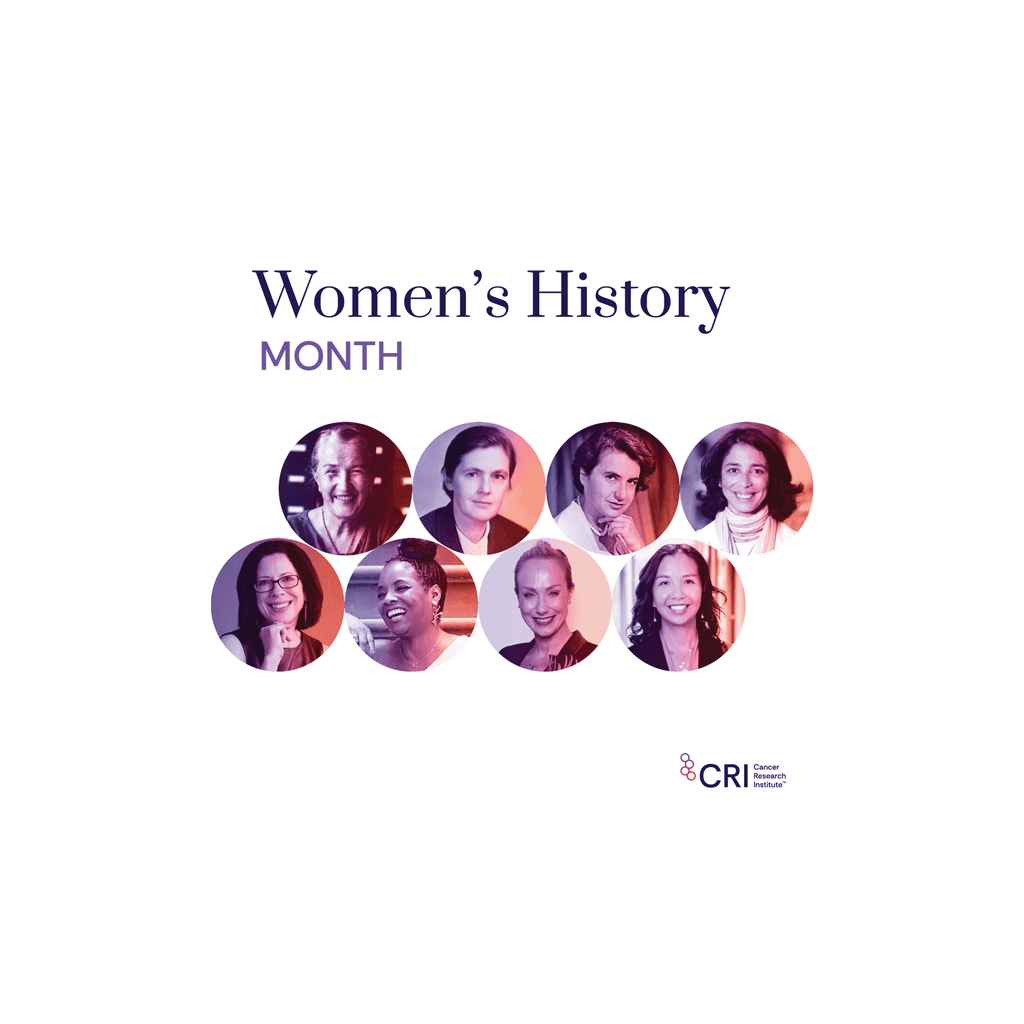
The eight women highlighted by CRI represent a powerful continuum of courage, intellectual curiosity, and an unyielding commitment to progress. Their collective work illuminates how our understanding of disease evolves, how innovative treatments are developed, and how patient care is fundamentally transformed. More than just a chronicle of scientific achievement, their stories are a testament to the idea that true scientific advancement is propelled not solely by discovery, but by the audacious spirit of those willing to question the status quo and envision what is truly possible, often in the face of significant societal and professional barriers.
A Legacy of Disruption: Women at the Forefront of Scientific Advancement
The history of science is replete with instances where women, despite systemic limitations and biases, have made indispensable contributions. Women’s History Month serves as a crucial annual reminder to acknowledge these often-overlooked legacies and to celebrate the ongoing efforts of women who continue to break barriers. The CRI’s initiative emphasizes this historical context, showcasing how female trailblazers have consistently disrupted existing paradigms, leading to breakthroughs that have saved countless lives and reshaped medical practice. The institute, itself a product of such disruption, reaffirms its commitment to fostering an environment where innovation thrives, irrespective of gender.
Pioneering Minds: Reshaping the Foundations of Medicine and Biology
The early to mid-20th century presented immense challenges for women aspiring to careers in science and leadership. Yet, remarkable individuals emerged, whose foresight and tenacity irrevocably altered the course of medical research and public health. Their contributions, often made without adequate recognition, form the bedrock upon which much of today’s advanced medical science stands.
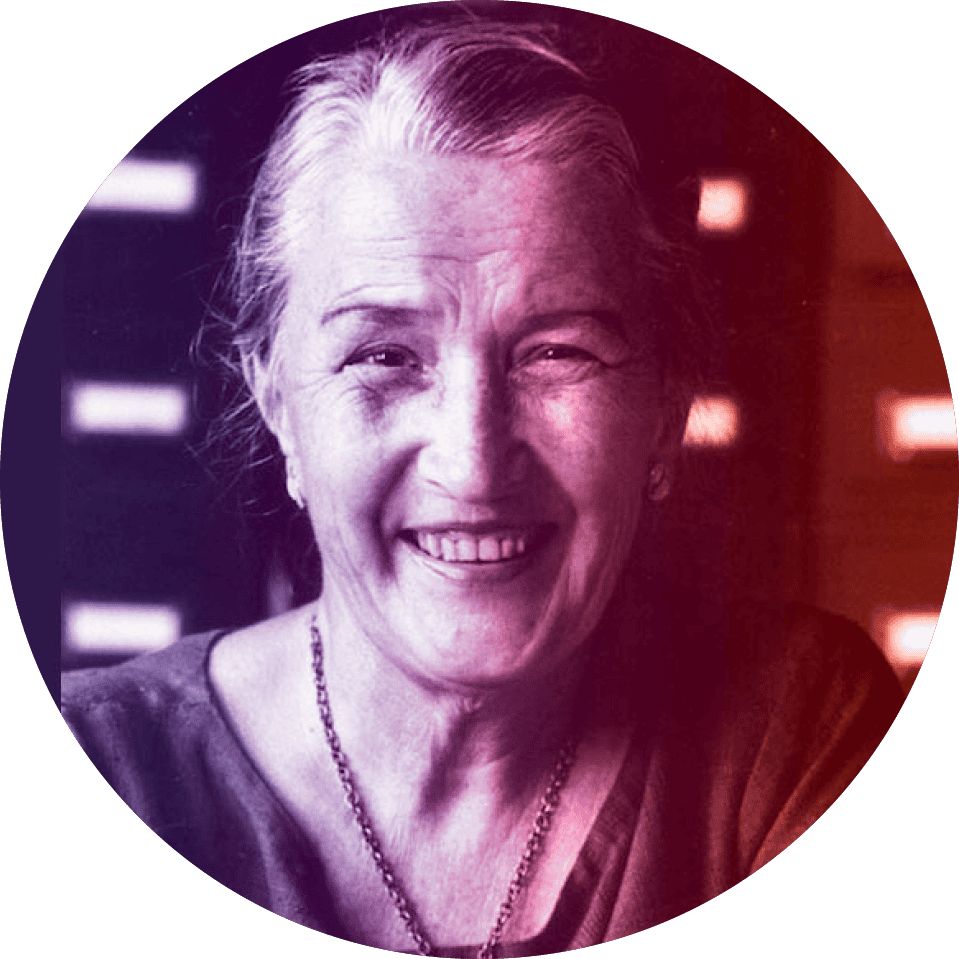
Helen Coley Nauts: Rekindling Immunotherapy’s Flame
In 1953, at a time when the nascent field of cancer research was dominated by surgery and radiation, and women in scientific leadership roles were a rarity, Helen Coley Nauts co-founded the Cancer Research Institute. Her remarkable journey began not as a trained scientist, but as a dedicated daughter determined to honor and revive the groundbreaking work of her father, Dr. William B. Coley. Dr. Coley’s pioneering approach involved the deliberate inoculation of cancer patients with live or partially killed bacteria to stimulate their immune systems—a concept that was decades ahead of its time and largely dismissed by the medical establishment after his death.
Nauts meticulously dedicated two decades to poring over her father’s extensive case files, documenting and presenting his findings on what would later be known as "Coley’s Toxins." She uncovered compelling evidence that these induced infections could, in some cases, trigger tumor regression, even in patients with advanced malignancies. Her exhaustive research and tireless advocacy were instrumental in re-igniting interest in the immune system’s potential to fight cancer. The establishment of CRI, alongside Oliver R. Grace, was a direct outcome of her unwavering belief in this unconventional approach. For nearly 75 years, CRI has continued to champion innovative immunotherapy research, directly supporting scientists whose discoveries have led to new treatments that are now benefiting patients globally. Nauts’s legacy underscores the critical role of perseverance and independent thought in driving scientific progress, even when challenging prevailing dogmas.
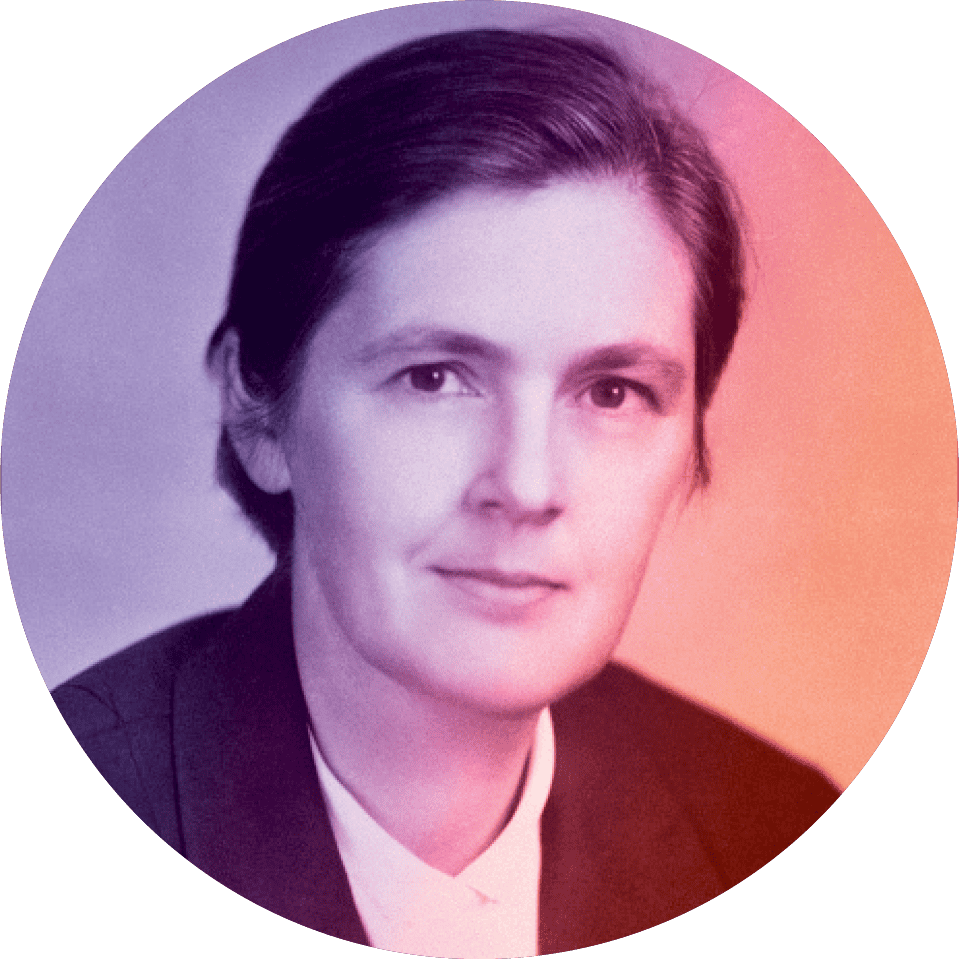
Frances Kelsey: Safeguarding Public Health and Revolutionizing Drug Regulation
Dr. Frances Kelsey, a physician and pharmacologist, stands as a monumental figure in the history of medical regulation, credited with saving countless lives through her unwavering commitment to patient safety. Appointed as a medical officer at the U.S. Food and Drug Administration (FDA) in 1960, Kelsey was assigned the task of reviewing an application for thalidomide, a sedative widely prescribed in Europe for morning sickness in pregnant patients. Despite intense pressure from the pharmaceutical industry, she steadfastly refused to approve the drug for the U.S. market, citing insufficient safety data and concerns about its potential teratogenic effects.
Her courageous decision proved to be profoundly prescient and lifesaving. While thousands of infants in Europe and other parts of the world were born with severe birth defects directly linked to thalidomide exposure, the drug was never approved in the United States, thereby averting a similar public health catastrophe. Kelsey’s actions catalyzed sweeping legislative changes, most notably the 1962 Kefauver-Harris Amendments, which mandated that pharmaceutical companies provide robust evidence of both safety and efficacy before a drug could be marketed. This legislation fundamentally transformed drug development and regulation, establishing a global precedent for stricter oversight. For her integrity and courage, Dr. Kelsey received the President’s Award for Distinguished Federal Civilian Service from President John F. Kennedy, becoming only the second woman to receive this prestigious honor. Ironically, the thalidomide tragedy also inadvertently led to policies that excluded women of childbearing potential from clinical trials, a restriction that persisted until 1993 and significantly contributed to the long-standing underrepresentation of women in clinical research, highlighting the complex, often unintended, consequences of even well-intentioned policy.
Rosalind Franklin: Unveiling Life’s Fundamental Code
Dr. Rosalind Franklin, a brilliant British physical chemist and X-ray crystallographer, made indispensable contributions to one of the most significant scientific discoveries of the 20th century: the structure of DNA. While James Watson and Francis Crick are widely celebrated for elucidating the DNA double helix, it was Franklin’s meticulous and precise X-ray diffraction images, coupled with her insightful interpretations, that provided the critical experimental evidence for its helical structure. Her now-iconic "Photograph 51," captured in 1952, offered the clearest and most compelling visual evidence of DNA’s double helix, fundamentally informing Watson and Crick’s model.
In the early 1950s, scientists knew DNA existed in every cell and contained a phosphate backbone, but its complete three-dimensional structure remained a profound mystery. Working at King’s College London, Franklin, alongside Maurice Wilkins, employed X-ray diffraction techniques to study DNA fibers. Her rigorous work yielded the crucial data that ultimately revealed the molecule’s structure. Tragically, and without her knowledge or explicit permission, Photograph 51 was shown to Watson. This unauthorized sharing of her data, combined with Franklin’s own unpublished research findings, significantly accelerated Watson and Crick’s work. They published their groundbreaking findings in Nature in 1953, acknowledging Franklin and Wilkins in a general sense but not fully crediting the extent of her pivotal contributions. Watson, Crick, and Wilkins were jointly awarded the Nobel Prize in Physiology or Medicine in 1962. Franklin, however, had passed away four years earlier from ovarian cancer at the age of 37, making her ineligible for the posthumous honor. Despite the historical injustices surrounding her recognition, Franklin’s discoveries laid the essential groundwork for decades of advancements in genetics, molecular biology, and medicine, helping scientists unlock the fundamental code of life and paving the way for virtually all modern genetic research, including the burgeoning field of precision oncology.
Driving Modern Breakthroughs: Contemporary Leaders in Immunotherapy
Today, the landscape of scientific research benefits from greater, though still insufficient, diversity. Women are leading laboratories, heading departments, and driving major research initiatives that are pushing the boundaries of what is known about cancer and how to treat it. Their work builds upon the foundations laid by their predecessors, demonstrating the cumulative nature of scientific progress.
Miriam Merad: Decoding the Innate Immune System for Therapeutic Innovation
Dr. Miriam Merad is a distinguished oncologist and immunologist whose pioneering research is profoundly transforming our understanding of the innate immune system and its multifaceted roles in both health and disease. Her work has been instrumental in elucidating how specific innate immune cells, such as macrophages and dendritic cells, can either combat or, paradoxically, promote disease progression, including cancer and inflammatory conditions. By meticulously dissecting the intricate interactions between tumors and the immune system, her laboratory is uncovering novel therapeutic targets and guiding the development of more effective, personalized cancer treatments.
A fervent advocate for translational science, Dr. Merad is deeply committed to accelerating the journey from laboratory discovery to direct patient care. Her research ecosystem at The Icahn School of Medicine at Mount Sinai is characterized by its deep integration, allowing her team to analyze primary patient samples and rapidly translate these insights into early-stage clinical trials. Beyond her scientific achievements, Dr. Merad is a dedicated mentor, having trained numerous postdoctoral fellows, PhD, and MD-PhD students. She actively cultivates a vibrant culture of curiosity, collaboration, and innovation within her lab and the broader scientific community. Her expertise is further leveraged through her role as a vital member of CRI’s Scientific Advisory Council, where she collaborates with other leading experts to identify and invest in the most promising immunotherapy research worldwide.

Elizabeth Jaffee: Advancing Cancer Vaccines and Targeting Pancreatic Cancer
Dr. Elizabeth Jaffee stands as a pioneering leader in the field of cancer immunotherapy, whose groundbreaking work is fundamentally reshaping the future of cancer treatment, particularly for notoriously challenging malignancies like pancreatic cancer. Her research is primarily focused on developing innovative vaccine-based approaches designed to overcome immune tolerance to tumors—a critical hurdle in effective cancer immunotherapy. She has spearheaded the development of a first-generation pancreatic cancer vaccine, and her contributions are recognized through multiple patents related to cancer vaccine technologies.
Dr. Jaffee’s vision extends beyond the laboratory; she is committed to bridging the gap between scientific discovery and clinical application, striving to bring these advanced therapies directly to patients. Her ultimate goal is to realize a future where vaccines could prevent pancreatic cancer from ever developing, a testament to her bold and forward-thinking approach. Beyond her scientific acumen, Dr. Jaffee is profoundly dedicated to mentoring the next generation of researchers. She meticulously selects trainees based on their talent and unwavering commitment to the mission, often fostering lifelong professional relationships and collaborations with scientists who have trained under her tutelage. Her strategic insights and leadership are also invaluable in her capacity as Associate Director of CRI’s Scientific Advisory Council, where she plays a crucial role in guiding the institute’s research investments.
The Power of Patient Advocacy: Transforming Experience into Action
The journey through cancer is profoundly personal, yet the experiences of individual patients can drive collective change. The stories of survivors who transform their personal battles into platforms for advocacy highlight the indispensable role of the patient voice in shaping research priorities, promoting clinical trial participation, and ensuring equitable access to care.

Karen Peterson: A Testament to Survival and Equitable Access to Clinical Trials
Karen Peterson embodies extraordinary resilience and the transformative power of patient advocacy. She is recognized as one of the longest-living individuals in the United States diagnosed with stage 4 triple-negative breast cancer, a highly aggressive and often treatment-resistant form of the disease. Initially diagnosed with stage 1 breast cancer, she underwent extensive treatment, including a double mastectomy. Two years later, the cancer returned with a devastating stage 4 diagnosis, carrying a grim prognosis of just 18 to 24 months life expectancy.
Having already educated herself extensively about her cancer and available treatments, Karen was determined to avoid the debilitating side effects of conventional chemotherapy and was acutely aware that certain treatments could render her ineligible for clinical trials. This knowledge propelled her to actively search for alternatives. Her diligent search led her to a phase 1 immunotherapy clinical trial, where she became the very first triple-negative breast cancer patient to enroll. Remarkably, she emerged as one of the study’s only complete responders. "I was given a 4% chance of survival," Karen states, "And here I am." Today, Karen leverages her profound personal experience to advocate for and educate others, empowering patients to become active participants in their treatment decisions. She participated in CRI’s Patient Roundtable in 2025 and founded Karen’s Club, an advocacy group specifically dedicated to empowering cancer patients of color with the knowledge and confidence to pursue clinical trials that could extend—or even save—their lives. Her tireless efforts continue to bridge critical gaps in patient education and access, particularly for underserved communities.
Sharon Belvin: The Face of Immunotherapy’s Transformative Potential
Sharon Belvin’s story is a powerful testament to the life-changing potential of cancer immunotherapy. At just 22 years old, she received a devastating diagnosis of stage 4 melanoma. In that era, treatment options for advanced melanoma were extremely limited, and survival rates were dismally low, offering little hope for long-term remission. After multiple rounds of chemotherapy failed to halt the progression of her cancer, Sharon faced the stark reality that she was rapidly running out of options. Her oncologist offered one final possibility: an experimental immunotherapy clinical trial for a drug called ipilimumab, now widely known as Yervoy®.
Sharon became one of the very first patients to enroll in this groundbreaking trial. After only four rounds of treatment, her tumors began to miraculously disappear. One year later, she was declared cancer-free, a status she remarkably maintains to this day. Ipilimumab received FDA approval in 2011, marking a watershed moment that transformed the treatment landscape for melanoma and ushered in a new era of cancer immunotherapy. Decades after her initial diagnosis, Sharon is a thriving wife and a mother of three. She has become a passionate advocate for cancer research and clinical trials, sharing her inspiring story to encourage others battling cancer and to powerfully remind the world of the profound importance of continued investment in scientific research. "My life," Sharon affirms, "and the lives of so many others, are proof that this work matters."

Leading the Future: Strategic Vision for Global Health
Leadership is crucial in guiding complex organizations and fields toward future advancements. Women in executive roles bring diverse perspectives and strategic vision, shaping the direction of scientific inquiry and its societal impact.
Alicia Zhou, PhD: Bridging Science and Societal Impact at the Helm of CRI
Dr. Alicia Zhou stands at the helm of the Cancer Research Institute as its Chief Executive Officer, guiding the organization through what is widely considered a pivotal moment in the history of human health. Under her dynamic leadership, CRI is intensifying its focus on strengthening scientific rigor, significantly accelerating the translation of groundbreaking discoveries into tangible treatments, and fostering expanded global collaboration across the entire spectrum of basic, translational, and clinical immuno-oncology research.
Dr. Zhou brings a truly unique and invaluable background that seamlessly bridges the realms of cutting-edge scientific discovery and practical healthcare implementation. Before her tenure at CRI, she served as Chief Science Officer at Color Health, where she led large-scale scientific initiatives and forged critical partnerships with esteemed organizations such as the American Cancer Society and the National Institutes of Health. Her work at Color Health was instrumental in expanding equitable access to cancer prevention and care, addressing long-standing disparities. In 2020, her leadership was profoundly impactful during the global COVID-19 pandemic, where she spearheaded the development and rapid deployment of COVID-19 diagnostics and large-scale testing infrastructure, including the innovative drive-up testing program for San Francisco’s public health system. From navigating complex FDA regulatory approvals to designing high-capacity testing sites, her team demonstrated how mission-driven science can be rapidly translated into profound public health impact. Today, Dr. Zhou’s visionary leadership strategically positions CRI to continue shaping the future of cancer immunotherapy, convening the brightest minds from across the globe to maximize the societal impact of these life-saving treatments, ensuring that breakthroughs reach all who need them.

Enduring Impact: The Imperative of Courage, Curiosity, and Collaboration
From the pioneering discoveries that laid foundational knowledge to the modern breakthroughs in immunotherapy and the fierce advocacy of survivors, the eight women highlighted by the Cancer Research Institute have undeniably reshaped the landscape of science and medicine. Their stories, while diverse, share a common thread: a profound commitment to challenging established norms, an insatiable curiosity to pursue difficult questions, an unwavering dedication to improving patients’ lives, and the courage to step into the unknown.
Their collective work serves as a powerful reminder that scientific progress is not a linear path but a dynamic process driven by persistent inquiry and diverse perspectives. These women exemplify the critical need for different voices and experiences in the scientific community to foster innovation and ensure that research addresses the broadest range of human needs. As cancer immunotherapy continues its rapid evolution, the enduring legacy of these trailblazers—and the ongoing work of countless others who are advancing the field today—serves as a potent affirmation that the future of science, and indeed human health, is continually built and redefined by those willing to disrupt the status quo, pushing the boundaries of what is thought possible for the betterment of all.
Sources
- Cancer Research Institute Archives and Publications
- U.S. Food and Drug Administration Historical Records
- Nature Journal Archives
- Johns Hopkins Medicine Publications
- Mount Sinai Health System Research Publications
- Karen’s Club and Patient Advocate Networks
- Clinical Trial Databases and Publications
