
 By admin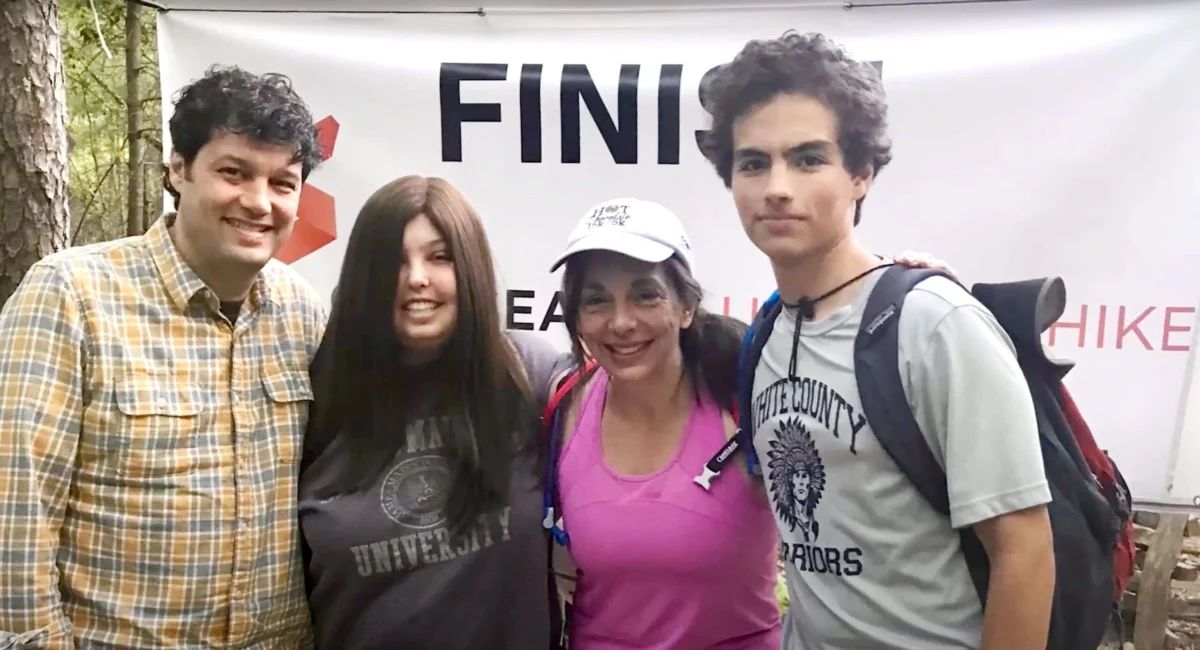
The CureSearch Ultimate Hike represents a convergence of physical endurance, emotional resilience, and philanthropic dedication, serving as a cornerstone for grassroots efforts to fund pediatric cancer research. This national program, organized by the non-profit CureSearch for Children’s Cancer, challenges participants to navigate rugged terrain while simultaneously navigating the complex landscape of medical advocacy. Central to the identity of the event is its logo—a heart containing a map—which symbolizes the dual nature of the journey: the literal physical trek through the wilderness and the metaphorical journey undertaken by families battling childhood cancer. By mobilizing hikers to complete long-distance treks, often exceeding 20 miles in a single day, the organization transforms personal athletic achievements into a vehicle for scientific advancement and clinical breakthroughs.
The Intersection of Endurance and Advocacy
The Ultimate Hike is characterized by its rigorous physical requirements, often taking place on challenging trails such as the Foothills Trail in the Carolinas or the Ice Age Trail in Wisconsin. However, the program is designed to be more than a standard endurance event; it is an immersive experience that connects participants to the visceral struggle of pediatric patients. The "heart of a lion" motif frequently cited by participants reflects the bravery required of children undergoing intensive chemotherapy, radiation, and surgery.
For the hikers, the "adrenaline rush" of the trail is inextricably linked to the mission of accelerating the pace of research. While traditional hiking is often a solitary or recreational pursuit, the Ultimate Hike is structured around a shared objective: ending childhood cancer. This collective focus creates a unique community of survivors, bereaved parents, medical professionals, and advocates. The rugged terrain serves as a physical manifestation of the obstacles faced by researchers and families alike, reinforcing the idea that progress in oncology requires persistence, strategic planning, and significant resources.
The Clinical Reality of Pediatric Oncology
To understand the necessity of the Ultimate Hike, one must examine the current state of pediatric cancer research and the systemic challenges within the pharmaceutical industry. Approximately 15,000 children and adolescents are diagnosed with cancer each year in the United States alone. While survival rates for certain types of leukemia have improved significantly over the last several decades, other forms of the disease, such as certain brain tumors and soft tissue sarcomas, remain stubbornly difficult to treat.
Furthermore, the long-term implications of current treatments are often severe. Because many standard therapies were originally developed for adults, they can be excessively toxic to developing bodies. Up to two-thirds of childhood cancer survivors experience "late effects," which include chronic health conditions, secondary cancers, and cognitive impairments. CureSearch focuses its funding on "translational research," which aims to bridge the gap between laboratory discoveries and clinical trials. By prioritizing the development of less toxic, more targeted therapies, the organization seeks to ensure that children do not just survive their diagnosis, but go on to lead healthy, full lives.
Operational Framework of the Ultimate Hike Series
The Ultimate Hike is not a spontaneous event but a highly structured program that requires months of preparation. Participants typically undergo a 12- to 16-week training regimen, which includes both physical conditioning and fundraising milestones. This period of preparation allows hikers to build the stamina necessary for "all-in-one-day" treks that can range from 20 to nearly 30 miles.
- Recruitment and Orientation: Potential hikers are introduced to the mission through informational sessions that highlight the impact of CureSearch-funded research.
- Training and Logistics: Participants are provided with training guides and often meet for group hikes. This phase is critical for ensuring safety on the trail, as the terrain can be unpredictable and physically demanding.
- Fundraising Requirements: Each hiker commits to a significant fundraising goal, often in the thousands of dollars. These funds are directed toward the CureSearch mission, supporting specific research initiatives like the Catapult Awards, which provide funding for researchers to move their work into Phase I or Phase II clinical trials.
- The Event Weekend: The program culminates in a weekend-long event that includes a pre-hike pasta dinner, the hike itself, and a post-hike celebration. This structure fosters a sense of closure and accomplishment, linking the funds raised directly to the physical effort expended on the trail.
Narratives of Resilience: The Story of Terri and Leah Cohen
The emotional core of the Ultimate Hike is found in the personal stories of those who participate. For many, the hike is a memorial or a tribute. Terri Cohen, a long-time supporter of the program, represents the profound personal stakes involved in these events. Cohen began her journey with the Ultimate Hike while her daughter, Leah, was in the final stages of her battle with cancer.
Recalling her first experience, Cohen noted that she and her son signed up for the hike during a period when Leah’s health had stabilized. The moment Leah met them at the finish line remains a defining memory for the family. Such narratives are common among Ultimate Hikers; the trail becomes a space for processing grief and honoring the legacy of those lost to the disease. By carrying the names and photos of "honored hikers"—children currently in treatment or those who have passed away—participants ensure that the human element of the crisis remains at the forefront of the event.
Chronology and Expansion of the CureSearch Mission
CureSearch for Children’s Cancer has a long history of evolution in the medical and philanthropic sectors. Originally functioning as a network of hospitals and researchers, the organization pivoted its strategy to focus more intensely on the commercialization of pediatric drugs. The Ultimate Hike was established as a primary fundraising arm to support this shift in focus.
- Early 2000s: The organization began identifying the "funding gap" in pediatric oncology, where promising research often stalled due to a lack of financial incentive for large pharmaceutical companies.
- Establishment of the Ultimate Hike: The hiking program was launched to engage the public in a way that traditional galas or road races could not. The "ultimate" nature of the challenge was intended to mirror the magnitude of the childhood cancer crisis.
- Expansion of Trails: Over the last decade, the program has expanded from a single flagship hike to multiple locations across the United States, including the Appalachian Trail, the Pacific Crest Trail regions, and various state-specific trail systems.
- Integration of Technology: In recent years, the program has incorporated virtual hiking options and sophisticated fundraising platforms, allowing for a broader reach and higher levels of engagement even outside of organized event weekends.
The Economic Impact of Grassroots Fundraising on Medical Innovation
The financial contributions generated by the Ultimate Hike are significant in the context of pediatric research funding. Unlike adult cancers, which receive substantial investment from private industry and federal agencies like the National Cancer Institute (NCI), pediatric cancer research is often underfunded. Historically, only about 4% of the NCI’s annual budget is dedicated specifically to childhood cancer.
CureSearch uses the funds raised by hikers to fill this void. Their investment strategy focuses on "high-impact" projects. For instance, the organization’s Catapult Fund has been instrumental in moving therapies for neuroblastoma and certain types of leukemia into the clinical trial phase. By providing the "seed money" for these trials, CureSearch makes it more feasible for larger entities to eventually take over the development and distribution of the drugs. This economic model demonstrates how individual hikers, through their collective efforts, can influence the trajectory of global medical innovation.
Analyzing the Long-term Implications for Pediatric Healthcare
The Ultimate Hike serves as a case study in how endurance-based philanthropy can drive systemic change. Beyond the immediate financial impact, the program raises public awareness about the specific needs of pediatric patients. This awareness is crucial for advocating for legislative changes, such as the RACE for Children Act, which requires companies developing adult cancer drugs to also investigate their potential use in children.
Furthermore, the program addresses the psychological needs of the pediatric cancer community. For survivors and families, the hike offers a sense of agency in a situation that often feels powerless. The act of "conquering the trail" serves as a powerful metaphor for overcoming the trauma of diagnosis and treatment.
As the Ultimate Hike continues to grow, its influence on the landscape of pediatric oncology is likely to expand. The program proves that a dedicated community, fueled by a combination of hope, faith, and love, can mobilize the resources necessary to tackle one of the most challenging frontiers in modern medicine. By scaling rugged terrain and pushing physical limits, these hikers are not merely walking for a cause; they are accelerating the timeline for a future where childhood cancer is no longer a life-threatening reality. The heart on the map remains a guiding symbol, reminding all involved that every step taken on the trail is a step closer to a cure.
