
 By admin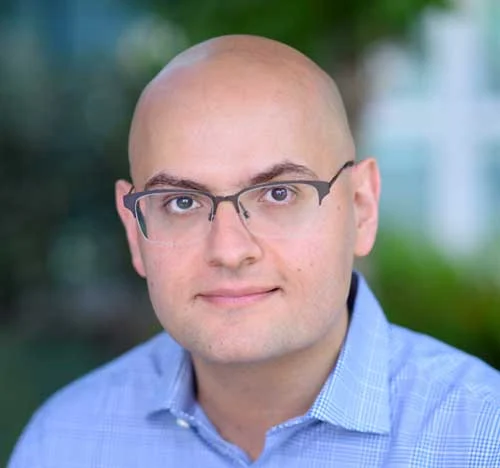
Children’s Hospital Los Angeles (CHLA) has announced a significant advancement in the fight against pediatric cancer as Dr. Babak Moghimi and his research team receive critical funding from CureSearch for Children’s Cancer. This financial support is designated for the development of a highly specialized, next-generation Chimeric Antigen Receptor (CAR) T-cell therapy designed to treat Acute Myeloid Leukemia (AML), the second most common form of leukemia in children. Unlike current immunotherapy treatments that have seen remarkable success in other forms of blood cancer, AML presents a unique set of biological challenges that have historically limited the efficacy and safety of CAR T-cell interventions. Dr. Moghimi’s approach aims to overcome these hurdles by utilizing a dual-antigen targeting system, potentially offering a lifeline to pediatric patients who have exhausted standard treatment options.
The Clinical Challenge: Why Pediatric AML Demands Innovation
Leukemia remains the most prevalent form of childhood cancer, accounting for approximately 25% to 30% of all pediatric cancer diagnoses. Within this category, Acute Lymphoblastic Leukemia (ALL) is the most frequent, while Acute Myeloid Leukemia (AML) accounts for about 20% of cases. While the medical community has made significant strides in treating pediatric ALL—with five-year survival rates now exceeding 90%—the outlook for AML remains considerably more somber.
Pediatric AML is characterized by the rapid growth of abnormal myeloid cells, which interfere with the production of normal red blood cells, white blood cells, and platelets. While initial remission is achieved in approximately 80% to 90% of pediatric AML patients using intensive chemotherapy and bone marrow transplants, the rate of relapse is alarmingly high. For children whose AML returns after initial treatment, or for those whose cancer is refractory (resistant to treatment), the long-term survival rate drops precipitously, often falling below 30%.
The primary obstacle in treating AML with existing CAR T-cell therapies—the revolutionary "living drugs" that have transformed the treatment of B-cell ALL—is the lack of a "clean" target. In B-cell ALL, the CD19 protein is found almost exclusively on B-cells. While CAR T-cells targeting CD19 destroy both cancerous and healthy B-cells, humans can survive without healthy B-cells through regular infusions of immunoglobulin. However, in AML, the proteins (antigens) found on the surface of leukemia cells are also frequently expressed on healthy hematopoietic stem cells and normal myeloid cells. If a CAR T-cell therapy targets these shared proteins, it destroys the patient’s entire blood-forming system, leading to life-threatening bone marrow failure and severe toxicity.
Dr. Moghimi’s Dual-Antigen Strategy: A Paradigm Shift in Precision
To address the issue of "off-tumor" toxicity, Dr. Babak Moghimi and his team at CHLA have developed a sophisticated engineering strategy that focuses on precision and persistence. The core of this innovation lies in the transition from single-antigen targeting to a dual-antigen logic system.
By targeting a combination of two specific antigens rather than one, the next-generation CAR T-cells are designed to act like a biological "AND-gate." In this model, the CAR T-cell is programmed to fully activate only when it encounters a cell expressing both target antigens simultaneously. Since the specific combination of these two markers is highly prevalent on AML blasts but absent or significantly lower on healthy vital cells, the therapy can selectively seek and destroy malignant cells while sparing the healthy bone marrow and other tissues.
This approach not only reduces toxicity but also addresses the issue of "antigen escape." In many failed CAR T trials, the cancer eventually returns because the tumor cells stop producing the single protein the T-cells were trained to find. By requiring the recognition of two antigens, Dr. Moghimi’s therapy makes it much more difficult for the leukemia to evolve a way to hide from the immune system.
Chronology of Development and the Path to Clinical Trials
The development of this novel therapy follows a rigorous timeline of laboratory research and preclinical validation. The project began with the identification of optimal antigen pairs through extensive bioinformatic analysis of pediatric AML samples. Following the identification of these targets, the CHLA team utilized advanced genetic engineering techniques to construct the CAR receptors and test them in vitro (in lab cultures) and in vivo (in animal models).
The recent infusion of funding from CureSearch marks a pivotal moment in the project’s chronology. This grant is specifically intended to bridge the "valley of death"—the difficult period between laboratory discovery and human clinical trials. The funding will support the final stages of preclinical optimization, including safety testing and the scaling of manufacturing processes required by the U.S. Food and Drug Administration (FDA).
The projected timeline for this research involves:
- Preclinical Validation (Current Phase): Refining the dual-targeting mechanism and ensuring that the CAR T-cells maintain "persistence"—the ability to stay active in the body long enough to prevent a relapse.
- Investigational New Drug (IND) Application: Submitting comprehensive data to the FDA to gain approval for human testing.
- Phase I Clinical Trial: Launching a first-in-human study at Children’s Hospital Los Angeles, specifically enrolling pediatric patients with relapsed or refractory AML who have failed standard therapies.
Supporting Data: The Urgent Need for New Modalities
Data from the National Cancer Institute (NCI) and the Surveillance, Epidemiology, and End Results (SEER) program highlight the stagnation in AML outcomes compared to other pediatric malignancies. While overall childhood cancer death rates have declined by more than 50% since the 1970s, the progress for high-risk AML has been incremental.
Furthermore, the intensity of current AML treatments—often involving high-dose cytarabine and anthracyclines followed by allogeneic stem cell transplantation—carries a heavy burden of late-term side effects. Survivors often face lifelong challenges, including cardiotoxicity, secondary malignancies, and endocrine disorders. Dr. Moghimi’s research is not only focused on survival but also on the quality of survival. By creating a more targeted therapy, the medical community hopes to reduce the reliance on "scorched-earth" chemotherapy protocols that damage a child’s developing body.
Statistical modeling suggests that if CAR T-cell therapy for AML can achieve even half the success rate seen in pediatric ALL, hundreds of lives could be saved annually in the United States alone. The precision of the dual-targeting approach is expected to significantly lower the incidence of Cytokine Release Syndrome (CRS) and neurotoxicity, two common and dangerous side effects of early-generation CAR T treatments.
Official Responses and Strategic Partnerships
The announcement has been met with optimism from both the scientific community and patient advocacy groups. Dr. Moghimi emphasized the transformative nature of the CureSearch funding, stating that it allows the team to focus on the specific safety profiles required to treat children, who are more vulnerable to the toxicities of traditional immunotherapy than adults.
"Supported by this generous funding from CureSearch," Dr. Moghimi stated, "our project aims to develop an effective and safe next-generation CAR T strategy to treat children with AML by targeting a combination of two antigens, significantly increasing their accuracy and safety."
CureSearch for Children’s Cancer, a national non-profit foundation, selected this project based on its potential for rapid clinical translation. The organization focuses on funding "high-impact" research that has a clear path to becoming a tangible treatment for patients. By funding Dr. Moghimi’s work, CureSearch is prioritizing the most difficult-to-treat subsets of pediatric cancer, where the need for innovation is most desperate.
Representatives from Children’s Hospital Los Angeles have noted that this project reinforces the institution’s position as a global leader in pediatric hematology and oncology. CHLA’s Cancer and Blood Disease Institute is one of the largest pediatric programs of its kind in the United States, providing a robust infrastructure for the complex manufacturing and monitoring required for CAR T-cell therapy.
Broader Impact and Future Implications for Immunotherapy
The implications of Dr. Moghimi’s research extend beyond pediatric AML. The "logic gate" or dual-targeting technology being refined at CHLA represents a major step forward in the broader field of oncology. One of the greatest challenges in treating solid tumors (such as brain cancer or neuroblastoma) with CAR T-cells is the same issue faced in AML: the lack of unique, tumor-specific antigens.
If the dual-antigen approach proves successful in the clinic for AML, it could serve as a blueprint for engineering CAR T-cells for a wide range of other cancers. This would move the field away from the "one-size-fits-all" antigen approach toward a more personalized, combinatorial strategy.
Furthermore, the focus on "persistence" in Dr. Moghimi’s research addresses a major cause of CAR T failure. By engineering the T-cells to remain vigilant in the patient’s system for longer periods, the therapy acts as a continuous surveillance system, potentially eliminating microscopic traces of cancer that would otherwise lead to a recurrence months or years later.
As the project moves toward its clinical phase, the medical community will be watching closely. The success of this next-generation therapy could redefine the standard of care for AML, moving it from a regime of intensive, generalized toxicity toward a future of precision medicine. For the families of children with relapsed AML, this research represents more than just a scientific milestone; it represents the hope for a future where a diagnosis of relapsed leukemia is no longer a terminal sentence.
