
 By Billy Candra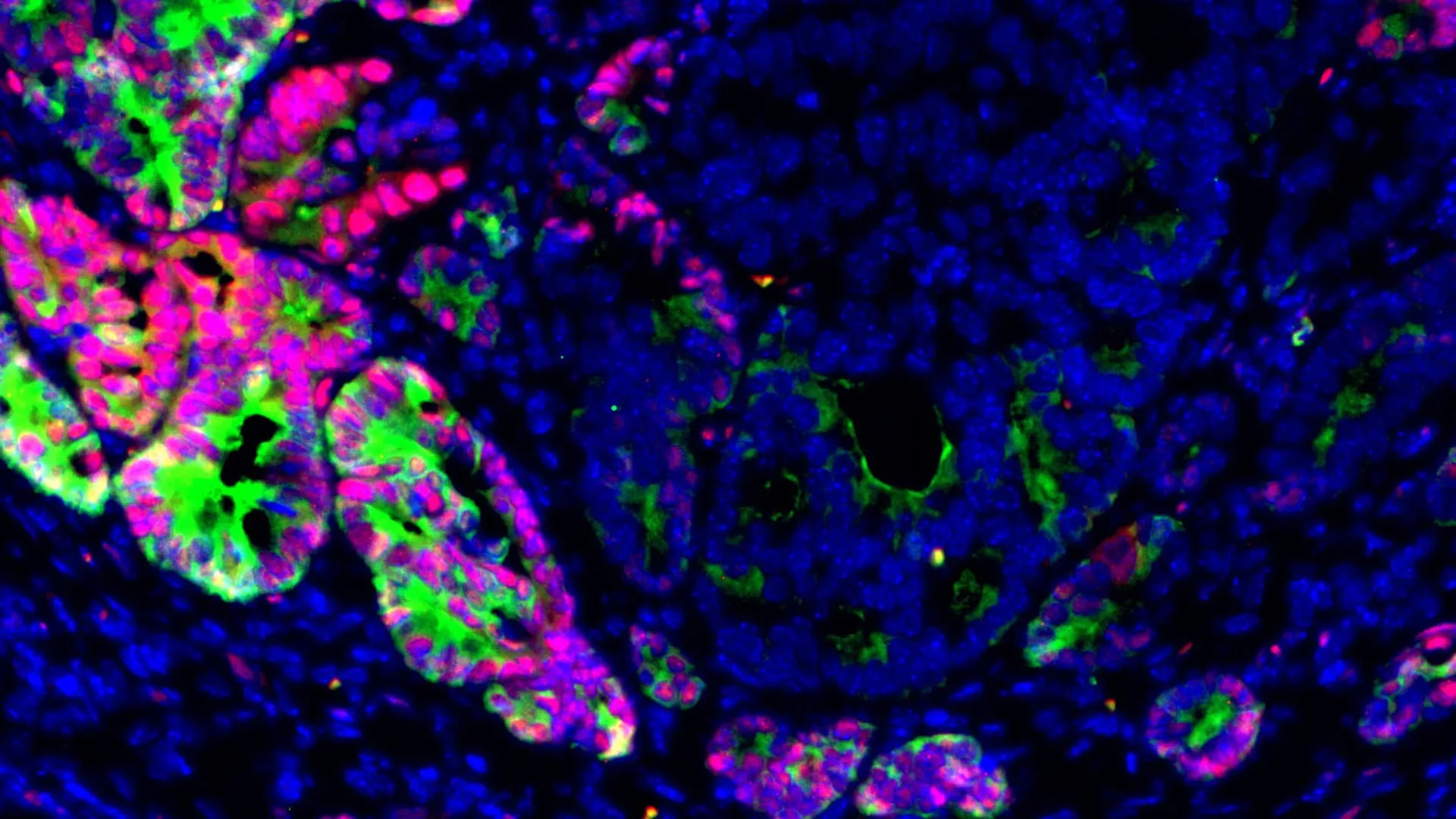
Researchers at Weill Cornell Medicine and the Massachusetts Institute of Technology have identified a crucial epigenetic mechanism that appears to facilitate the deadly spread of colorectal cancer (CRC) to the liver. Their groundbreaking findings, published in Cell Stem Cell, reveal that the loss of GATA6, a transcription factor vital for maintaining cellular identity, can reprogram cancer cells into a more primitive and adaptable state, thereby enabling metastasis. This discovery marks a significant shift in understanding how colorectal cancer progresses and opens new avenues for preventing what remains the leading cause of death from the disease.
Colorectal cancer stands as one of the most common and lethal cancers globally. According to the American Cancer Society, it is the third most common cancer diagnosed in both men and women in the United States, and the second leading cause of cancer-related deaths. While early-stage colorectal cancer often has a favorable prognosis, the grim reality is that survival rates plummet once the disease metastasizes, or spreads, to distant organs. The liver is the most common site for colorectal cancer metastasis, affecting approximately 50% of all patients at some point during their illness. For patients diagnosed with metastatic colorectal cancer, the five-year survival rate can drop to as low as 15%, starkly contrasting with the 90% survival rate for localized disease. This dramatic difference underscores the urgent need to understand and intercept the metastatic process.
The Elusive Nature of Metastasis: A Shift from Genetics to Epigenetics
For decades, the scientific community has largely focused on identifying specific genetic mutations that might drive cancer metastasis. Researchers meticulously sequenced tumor genomes, hoping to pinpoint "driver mutations" that would explain why some primary tumors remain localized while others aggressively spread. However, despite extensive efforts, clear, consistent genetic drivers for liver metastasis in colorectal cancer have remained largely elusive. This lack of definitive genetic culprits suggested that other mechanisms might be at play, prompting a re-evaluation of the fundamental processes governing cancer progression.
The new study, co-led by Dr. Norihiro Goto, assistant professor of medicine in the Division of Gastroenterology & Hepatology at Weill Cornell, and Dr. Omer H. Yilmaz, associate professor of biology at the Massachusetts Institute of Technology, points to a different, increasingly recognized force in cancer biology: epigenetics. Unlike genetic mutations, which involve permanent changes to the DNA sequence itself, epigenetic changes alter how genes are expressed – whether they are turned on or off – without modifying the underlying DNA. These changes can be influenced by environmental factors, lifestyle, and even the cellular microenvironment, leading to profound shifts in cellular behavior.
Dr. Norihiro Goto emphasized this paradigm shift, stating, "We discovered that GATA6 loss acts as a critical switch that can change cancer cells in the primary tumor from non-metastatic to pro-metastatic. Our findings suggest that epigenetic changes may be more important for promoting liver metastasis." This statement highlights the central tenet of the study: metastasis might not always be driven by new mutations, but by existing cells undergoing a dramatic change in identity and function, dictated by epigenetic reprogramming.
GATA6: The Molecular Identity Keeper Derailed
At the heart of this discovery is GATA6, a transcription factor normally essential for maintaining the specialized identity of cells lining the intestine. Transcription factors are proteins that bind to specific DNA sequences, controlling the rate at which genetic information is copied from DNA to RNA, thereby regulating gene expression. In healthy intestinal cells, GATA6 ensures that cells perform their designated functions, acting as a "molecular identity keeper."
However, the researchers observed a striking pattern: GATA6 levels were significantly lower in liver metastases taken from both mouse models and human patients with colorectal cancer. This reduction in GATA6 expression was not merely an incidental finding; it correlated directly with poorer patient outcomes, suggesting a critical role in disease progression. This observation provided the initial clue that GATA6 might be more than just a bystander; it could be a crucial determinant of metastatic potential.
The implications of this finding are profound. If GATA6 is responsible for maintaining cellular identity, its loss could lead to a breakdown of that identity, pushing cells into an undifferentiated or "primitive" state. Such a state could grant cancer cells the flexibility and adaptability required to survive the arduous journey through the bloodstream and establish new colonies in distant organs, a process that specialized cells are typically ill-equipped to handle.
Unraveling Early Metastatic Events with Organoid Models
A significant challenge in metastasis research has been the difficulty in studying the early stages of the process. Traditional analysis of established liver metastases in patients provides only a snapshot of the end-stage disease, obscuring the critical initial events that enable cancer cells to leave the primary tumor and colonize a new site. As Dr. Norihiro Goto explained, "When researchers analyze patient samples from liver metastases, we fail to capture the important signals occurring in the early stages of the metastatic process."
To overcome this limitation, the research team developed an innovative laboratory model utilizing organoids. These miniature, three-dimensional clusters of cancer cells, derived from liver metastases, meticulously replicate many of the complex characteristics of real tumors, including their architecture, cellular diversity, and even some aspects of their microenvironment. This advanced model allowed the scientists to observe the metastatic cascade in unprecedented detail.
The experimental design involved implanting these organoids into the colons of mice. Over time, these organoids developed into increasingly aggressive primary tumors that subsequently spread to the liver. By repeating this cycle several times – harvesting metastatic cells, growing new organoids, and re-implanting them – the researchers could meticulously track how cancer cells gradually acquired and refined their metastatic capabilities. This iterative process was crucial for understanding the chronological development of metastatic potential.
Lineage Plasticity: The Key to Cellular Transformation
Through these meticulous experiments, the researchers uncovered that the loss of GATA6 actively promotes "lineage plasticity." This term refers to the remarkable ability of cells to alter their identity, function, and behavior, essentially switching from one cell type to another. In the absence of GATA6, colorectal cancer cells were observed to activate alternative genetic programs, shedding their specialized intestinal identity and adopting a more flexible, "fetal-like" state.
This transformation into a fetal-like state is critical for metastasis. Fetal cells are inherently more plastic and migratory, traits that are essential during embryonic development but highly detrimental when hijacked by cancer. These transformed cancer cells, unburdened by their original specialized functions, became better equipped to detach from the primary tumor, navigate the circulatory system, evade immune surveillance, and successfully establish new tumors in distant organs like the liver.
It is noteworthy that this type of cellular reshaping, or plasticity, is a normal biological process utilized by the body for essential functions such as wound repair and adaptation to stress. For instance, during tissue injury, resident cells might transiently dedifferentiate or alter their lineage to facilitate regeneration. However, in the context of cancer, this otherwise beneficial biological program is aberrantly activated and exploited, becoming a powerful driver of metastasis.
The LGR5 Switch: A Hallmark of Metastatic Potential
Further evidence supporting the role of GATA6 loss in promoting lineage plasticity came from observations related to LGR5, a well-known marker for intestinal stem cells. Previous research had indicated that LGR5-negative cells possess an enhanced ability to initiate liver metastases.
The new study definitively demonstrated that the shutting down of GATA6 caused a distinct shift in cancer cells, transitioning them from an LGR5-positive state to an LGR5-negative state. These LGR5-negative cells consistently displayed the characteristic fetal-like features and, crucially, exhibited a heightened capacity to spread to other organs. Conversely, when the researchers genetically restored GATA6 activity in these cells, or activated related molecular pathways, the metastatic potential of the colorectal cancer cells was significantly reduced. This reversibility underscored GATA6’s direct and causal role in regulating metastatic competence.
Remarkably, the study also found that the loss of GATA6 primarily influenced the ability of cancer cells to metastasize, with little discernible effect on the growth rate or size of the primary tumor. As Dr. Norihiro Goto, who is also a member of the Jill Roberts Institute for Research in Inflammatory Bowel Disease and the Sandra and Edward Meyer Cancer Center at Weill Cornell, noted, "When we genetically delete GATA6, the frequency and burden of liver metastases in mouse models significantly increase, while having little effect on primary tumor growth." This observation challenges the long-held assumption that faster-growing primary tumors are inherently more metastatic, suggesting instead that metastasis may depend more on specific transitions between cellular states rather than simply the kinetics of primary tumor expansion. This finding represents a significant conceptual advance in the understanding of cancer dissemination.
Implications for Diagnosis and Therapeutic Development
The findings from Weill Cornell and MIT carry substantial implications for both the diagnosis and treatment of colorectal cancer. The most immediate application lies in the potential for GATA6 to serve as a novel biomarker for metastatic risk. Tumors exhibiting low levels of GATA6 expression could indicate a higher likelihood of containing cells capable of undergoing the metastasis-promoting cellular state switch.
Such a biomarker could revolutionize patient management. Currently, clinicians often rely on tumor size, lymph node involvement, and other anatomical factors to assess metastatic risk. Integrating GATA6 expression levels into diagnostic panels could provide a more refined and biologically informed prediction of a patient’s propensity for liver metastasis. This information could guide critical clinical decisions, enabling doctors to identify high-risk patients who might benefit from more intensive surveillance, earlier or more aggressive systemic therapies, or even prophylactic interventions aimed at preventing the initial spread. For instance, a patient with a primary tumor showing low GATA6 might be considered for adjuvant chemotherapy even if their conventional staging suggests lower risk, potentially preventing later metastatic recurrence.
Beyond its diagnostic potential, the study points towards an entirely new therapeutic strategy. Instead of solely focusing on eliminating primary tumors or broadly targeting rapidly dividing cells, future treatments could aim to maintain cellular identity or prevent cancer cells from entering these highly flexible, pro-metastatic states. This approach represents a fundamental shift in therapeutic philosophy, targeting the process of metastasis rather than just the outcome.
However, Dr. Norihiro Goto acknowledged the inherent complexity in developing such targeted therapies. The challenge lies in designing interventions that can specifically disrupt cancer cells’ lineage plasticity without inadvertently interfering with normal tissue repair mechanisms, which rely on similar biological programs for regeneration and adaptation. This necessitates a deep understanding of the unique vulnerabilities and signaling pathways within GATA6-deficient cancer cells that distinguish them from healthy cells.
Future Directions: Precision Medicine and Microenvironment Influence
The research team has already outlined ambitious plans for future investigations. A primary focus will be on identifying specific vulnerabilities unique to GATA6-deficient cancer cells. Pinpointing these molecular Achilles’ heels could pave the way for highly targeted therapies that selectively eliminate metastatic cells or prevent their formation, while sparing healthy tissues. This aligns perfectly with the principles of precision medicine, where treatments are tailored to the specific molecular characteristics of a patient’s tumor.
Furthermore, the team plans to investigate the intricate interplay between the tumor microenvironment and these cellular transitions. The microenvironment – encompassing immune cells, stromal cells, blood vessels, and various signaling molecules – plays a critical role in cancer progression. Understanding how liver-specific signals and the immune landscape influence the epigenetic reprogramming driven by GATA6 loss could reveal additional therapeutic targets or strategies to bolster the body’s natural defenses against metastasis.
"In addition to treating primary tumors, we need to find strategies to target the mechanism of liver metastasis," Dr. Norihiro Goto concluded. "Our study is a step toward developing therapies that block the spread of cancer at the earliest stages." This research provides a robust foundation for future efforts, offering hope for improved outcomes for patients battling colorectal cancer, particularly those at highest risk of its most devastating complication: liver metastasis. The shift in focus from static genetic mutations to dynamic epigenetic reprogramming represents a promising frontier in the ongoing fight against cancer.
This research was supported in part by the Astellas Foundation; Research Abroad from Japan Society for the Promotion of Science; the National Institutes of Health (grants R00AG076987, 01CA254314,5U01CA25055, R01CA258523, R01CA25723, R01DK133919, R01DK140310, R01CA299955, and 3OT2CA297570); Pew-Stewart Trust; AFAR and Glenn Foundation for Medical Research Breakthroughs in Gerontology; Kenneth Rainin Foundation; Crohn’s & Colitis Foundation and Mark Foundation for Cancer Research.
