
 By admin
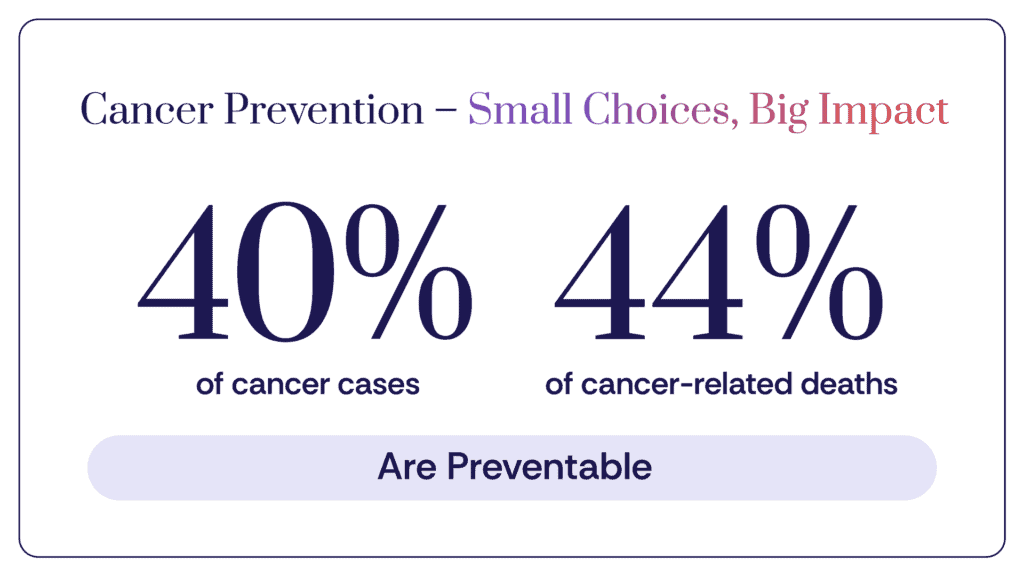
February marks National Cancer Prevention Month, a dedicated period for the United States to underscore the profound impact of lifestyle choices on cancer risk and to empower individuals with actionable strategies for disease prevention. Recent data from the American Cancer Society (ACS) casts a stark light on the preventability of this devastating disease, revealing that a significant 40% of all cancer cases in the U.S. could be averted through modifiable behaviors. Furthermore, an estimated 44% of cancer deaths projected for 2025 are attributed to factors within an individual’s control. This critical insight shifts the narrative from inevitability to empowerment, emphasizing that while perfection in prevention is unattainable, every conscious step taken to mitigate risk contributes meaningfully to long-term health and reduces the national cancer burden.
Understanding Cancer Prevention: A Holistic Approach
Cancer prevention encompasses deliberate actions aimed at lowering the probability of developing cancer. These actions primarily revolve around lifestyle adjustments, including dietary habits, physical activity levels, and the avoidance of known carcinogens. It is crucial to distinguish that prevention is not a guarantee against cancer, as the disease often arises from a complex interplay of both modifiable lifestyle factors and non-modifiable elements such as genetics and unavoidable environmental exposures. However, focusing on controllable variables represents a powerful and accessible first line of defense. Public health initiatives, supported by organizations like the National Cancer Institute (NCI) and the Centers for Disease Control and Prevention (CDC), continually advocate for a multi-faceted approach to prevention, integrating individual responsibility with broader societal and policy changes. The history of cancer prevention efforts dates back decades, with landmark discoveries linking smoking to lung cancer in the mid-20th century sparking a widespread public health movement that continues to evolve with new scientific understanding.
The American Cancer Society’s comprehensive study, often updated in its "Cancer Facts & Figures" publications, serves as a crucial barometer for understanding cancer trends and the potential for prevention. The 2026 projections, highlighting the substantial proportion of preventable cases and deaths, reinforce the urgency of public education and intervention. This data underscores that while medical breakthroughs in treatment are vital, primary prevention remains the most cost-effective and impactful strategy for reducing cancer incidence and mortality rates nationwide. The implications are far-reaching, impacting healthcare systems, individual quality of life, and national economic productivity.
The Six Pillars of Prevention: Actionable Insights
Several key modifiable risk factors have been identified, each offering distinct avenues for reducing cancer risk. These factors, often interconnected, collectively form a robust framework for proactive health management.
1. Eradicating Tobacco Use: The Foremost Preventable Risk
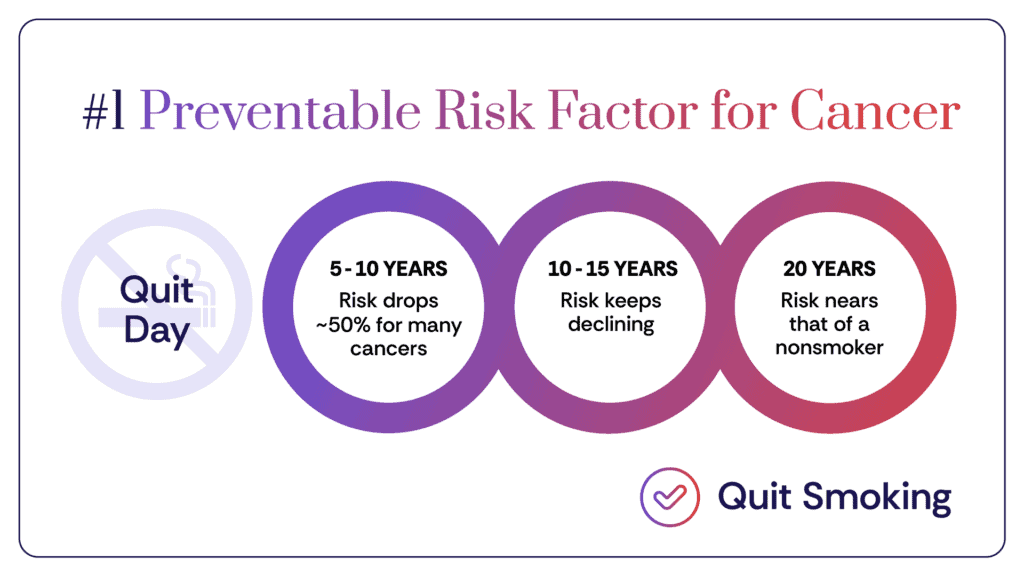
Cigarette smoking stands as the single most preventable cause of cancer and cancer-related deaths globally. The ACS study attributes a staggering 20% of all cancers and 30% of all cancer deaths directly to smoking. The detrimental effects stem from the thousands of chemicals present in tobacco smoke, over 70 of which are confirmed carcinogens. These include notorious compounds like polycyclic aromatic hydrocarbons (PAHs), nitrosamines, and benzene. Upon inhalation, these chemicals inflict direct damage to cellular DNA, leading to mutations that can trigger uncontrolled cell growth – the hallmark of cancer. Moreover, these toxins impair the body’s immune system, hindering its ability to detect and destroy nascent cancer cells.
Lung cancer is overwhelmingly the most common cancer associated with smoking, accounting for approximately nine out of ten related deaths in the U.S. However, the carcinogenic reach of tobacco extends far beyond the lungs, contributing to nearly 20 other cancer types, including esophageal, laryngeal, oral cavity, pharyngeal, pancreatic, bladder, kidney, liver, stomach, colon, rectal, cervical, and acute myeloid leukemia. Even secondhand smoke, the involuntary inhalation of smoke from others’ cigarettes, poses significant risks, primarily causing lung cancer and increasing the risk of larynx, nasopharynx, and breast cancers in adults. The long-term health implications of e-cigarettes, while potentially less harmful than traditional cigarettes, are still under active investigation, with preliminary data suggesting they are not without cancer risk due to the presence of nicotine and other harmful chemicals.
Prevention Tip! Quitting smoking, regardless of how long one has smoked, yields immediate and progressively significant health benefits. Within 5 to 10 years of cessation, the risk of developing 12 types of cancer can drop by half. After 10 to 20 years, an ex-smoker’s cancer risk can approach that of someone who has never smoked. This remarkable reversibility underscores that it’s never too late to quit and reclaim one’s health. Support systems, including nicotine replacement therapy, medication, and counseling, are readily available and significantly improve cessation rates.
2. Moderating Alcohol Consumption: A Clear Link to Cancer
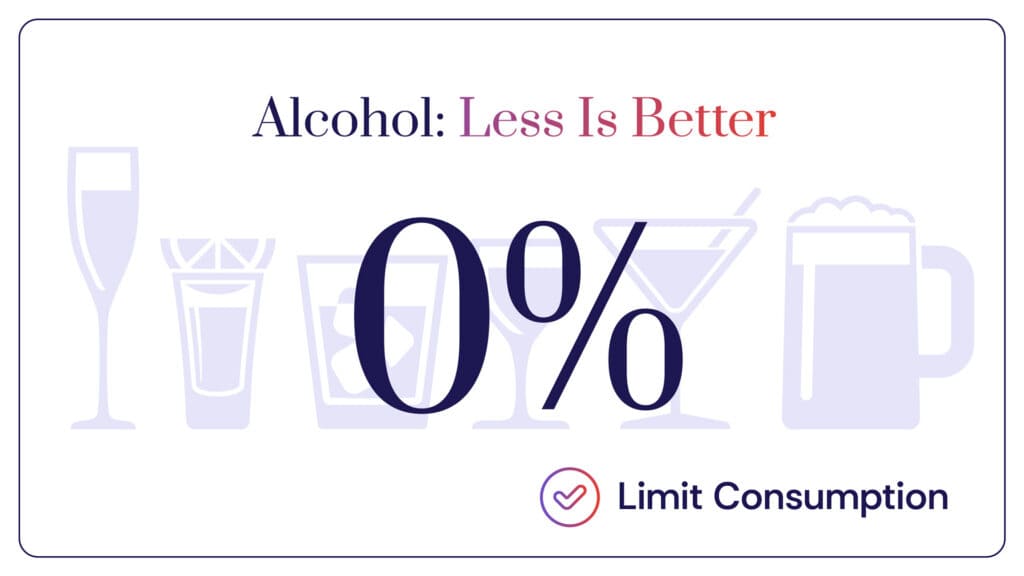
Beyond its well-known effects on liver health and cardiovascular function, alcohol consumption is a distinct and significant risk factor for several cancers, contributing to 5.4% of cancer cases in the ACS study. Even modest alcohol intake has been linked to an increased risk of cancers of the mouth, throat, esophagus, liver, breast, and colorectum.
The mechanisms by which alcohol promotes carcinogenesis are multi-faceted. When alcohol is metabolized in the body, it produces acetaldehyde, a toxic chemical and a known carcinogen that can damage DNA and proteins. Alcohol can also generate reactive oxygen species, leading to oxidative stress and further DNA damage. Chronic alcohol consumption can induce persistent inflammation in tissues, a state conducive to cancer development. Furthermore, alcohol can interfere with hormone levels, particularly increasing estrogen in women, which elevates the risk of hormone-sensitive cancers like breast cancer. For smokers, alcohol acts as a solvent, enhancing the absorption of carcinogens from tobacco into the cells of the mouth and throat, thereby amplifying their combined detrimental effects. Annually, approximately 20,000 adults in the U.S. succumb to alcohol-associated cancers, a majority of which are considered preventable through reduced alcohol intake. Health organizations, including the CDC, consistently advise limiting alcohol consumption to mitigate cancer risk, with the strongest recommendation being to abstain entirely.
Prevention Tip! Consciously reducing alcohol intake or choosing abstinence can significantly lower cancer risk. Substituting alcoholic beverages with non-alcoholic alternatives like "mocktails" or dedicating specific days to be alcohol-free are practical steps. For individuals who do not currently drink, there is no health benefit in starting.
3. The Power of Movement and Maintaining a Healthy Weight
Physical inactivity and excess body weight are increasingly recognized as critical modifiable risk factors for cancer. The ACS study identified excess body weight as the second-most preventable cause of cancer, accounting for 7.6% of cases, while physical inactivity contributed to 3.1%. These factors are implicated in the development of cancers such as stomach, endometrial, esophageal (adenocarcinoma), kidney, liver, colon, breast (postmenopausal), and ovarian cancers.
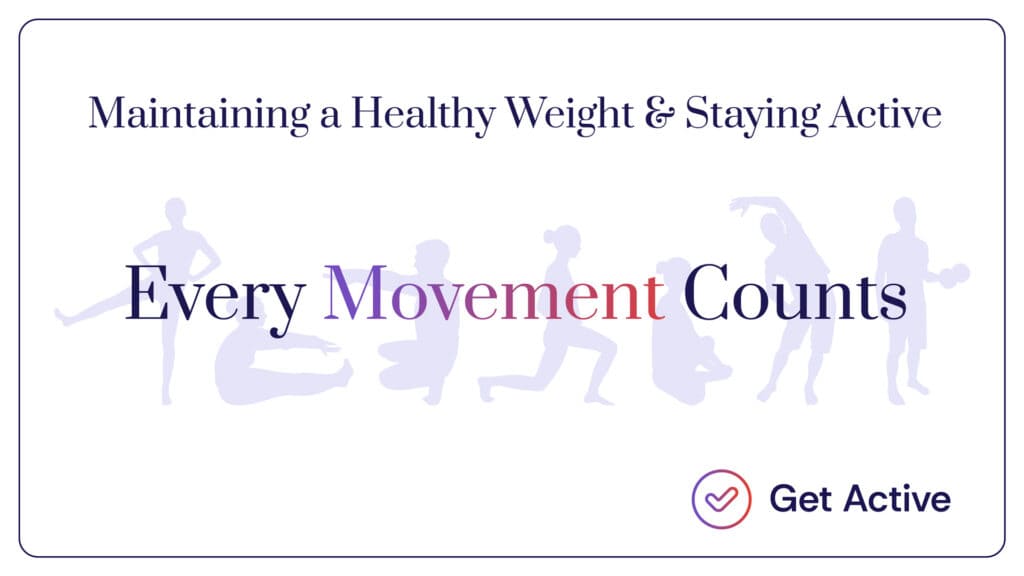
While the exact mechanisms linking excess weight and inactivity to cancer are still being elucidated, several pathways are hypothesized. Adipose tissue (body fat) is not merely an inert storage depot; it is an active endocrine organ that releases a variety of signaling molecules, including adipokines and inflammatory cytokines, which create a state of chronic low-grade inflammation throughout the body. This inflammatory environment can promote cell proliferation and survival, thereby fueling cancer development. Furthermore, excess body fat disrupts hormone balances, leading to higher levels of insulin and insulin-like growth factors (IGF-1), as well as sex hormones like estrogen and testosterone, all of which can stimulate the growth of cancer cells. Physical activity, even moderate levels like walking, plays a crucial role in regulating these hormones, reducing inflammation, improving immune function, and aiding in weight management. The World Health Organization (WHO) recommends at least 150-300 minutes of moderate-intensity aerobic physical activity or 75-150 minutes of vigorous-intensity aerobic physical activity per week for adults.
Prevention Tip! Every form of movement contributes to better health. Incorporating activities like brisk walking, gardening, dancing, or cycling into daily routines can make a significant difference. The focus should be on finding enjoyable activities that can be sustained consistently, starting small and gradually increasing intensity or duration. The objective is not aesthetic perfection but rather holistic health and disease prevention.
4. Nourishing Your Body: Dietary Choices for Cancer Defense
Dietary habits play a profound role in cancer prevention, influencing risk through various mechanisms. The ACS study highlights that diets lacking sufficient fruits and vegetables, low in dietary calcium and fiber, and high in processed foods and red meat are associated with an elevated risk of cancers of the oral cavity, pharynx, esophagus, stomach, and colorectum.
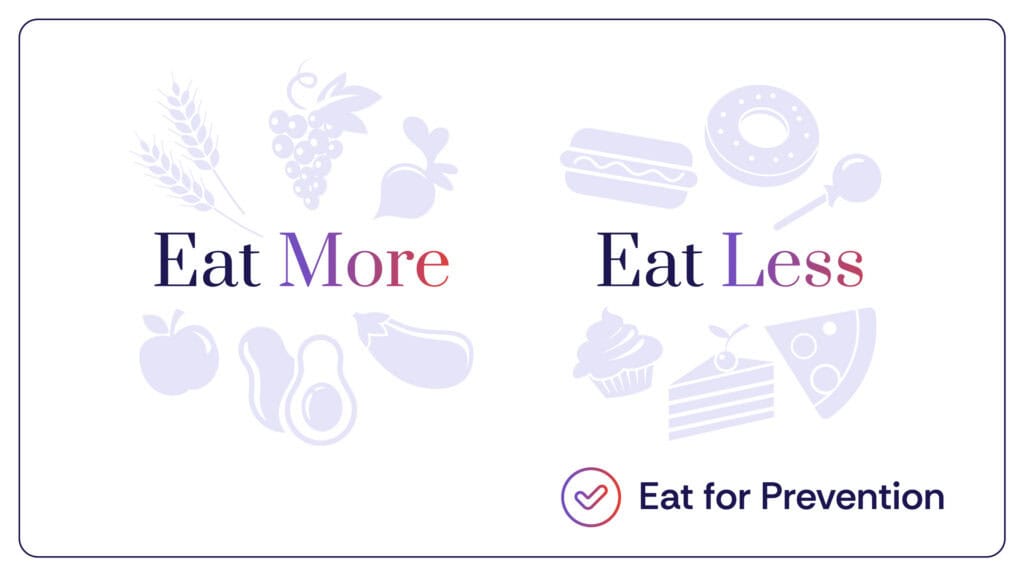
A diet rich in fruits, vegetables, and whole grains provides a wealth of antioxidants, phytochemicals, and fiber. Antioxidants help neutralize free radicals that can damage DNA, while fiber promotes healthy digestion, aids in weight management, and helps remove carcinogens from the digestive tract. Conversely, diets high in processed foods, particularly those high in sugar, unhealthy fats, and refined grains, can contribute to obesity, chronic inflammation, and insulin resistance, all of which foster a pro-cancer environment. Red and processed meats (like bacon, sausage, and deli meats) are also linked to increased cancer risk. The cooking of red meat at high temperatures can produce heterocyclic amines (HCAs) and polycyclic aromatic hydrocarbons (PAHs), which are known carcinogens. Additionally, processed meats often contain nitrites and nitrates, which can form carcinogenic N-nitroso compounds in the body.
Prevention Tip! Dietary changes should prioritize sustainable habits over restrictive perfection. Simple, manageable shifts can yield significant benefits. This includes increasing the intake of colorful fruits and vegetables, choosing whole grains over refined ones, and limiting consumption of red and processed meats, sugary drinks, and highly processed foods. Embracing a plant-forward diet, such as the Mediterranean diet, can be a highly effective strategy for cancer prevention.
5. Embracing Sun Safety: Protecting Against UV Radiation
Ultraviolet (UV) radiation exposure is a primary and preventable risk factor for skin cancer, accounting for 4.6% of preventable cancer cases. UV radiation, whether from natural sunlight or artificial sources like tanning beds, directly damages the DNA in skin cells. This damage can lead to uncontrolled cell growth and the development of various forms of skin cancer, including melanoma (the most dangerous type), basal cell carcinoma, and squamous cell carcinoma. The cumulative effect of UV exposure over a lifetime significantly increases risk, as does a history of severe sunburns, particularly during childhood.
The sun’s UV rays consist of UVA and UVB. UVB rays are the primary cause of sunburn and directly damage DNA, while UVA rays penetrate deeper into the skin and contribute to skin aging, immune suppression, and also play a role in skin cancer development. Tanning beds emit concentrated UV radiation, often at levels higher than the midday sun, making them particularly dangerous and unequivocally linked to increased skin cancer risk.
Prevention Tip! Diligent sun safety practices are crucial year-round, regardless of weather conditions. Always apply broad-spectrum sunscreen with an SPF of 30 or higher to all exposed skin whenever outdoors, even on cloudy days or during winter months, as UV radiation can penetrate cloud cover. Other effective measures include seeking shade, especially during peak UV hours (10 a.m. to 4 p.m.), wearing protective clothing (long-sleeved shirts, pants, wide-brimmed hats), and wearing UV-blocking sunglasses. Avoiding tanning beds entirely is paramount. Regular self-skin exams and professional dermatological check-ups are also recommended for early detection of any suspicious lesions.
6. Harnessing Medical Advances: Vaccines and Early Detection
Two powerful, yet sometimes overlooked, tools in the arsenal of cancer prevention are vaccination and routine cancer screening. These represent crucial forms of primary and secondary prevention, respectively.
Vaccination: Certain viruses are known to cause specific types of cancer. The human papillomavirus (HPV) is a leading cause of cervical, anal, oral, throat, vaginal, and vulvar cancers. The HPV vaccine is highly effective at preventing infection by the strains of HPV most commonly associated with these cancers, thereby preventing cancer development. Similarly, the hepatitis B virus (HBV) is a major risk factor for liver cancer. The HBV vaccine effectively prevents chronic HBV infection, dramatically reducing the risk of liver cancer. Widespread adoption of these vaccines, particularly among adolescents, holds immense potential for eradicating these preventable cancers.
Screening: Cancer screening involves testing seemingly healthy individuals for early signs of cancer or pre-cancerous conditions. The goal is to detect cancer at its earliest stages, often before symptoms appear, when treatment is most likely to be successful and less invasive. For some cancers, screening can even prevent cancer by identifying and removing pre-cancerous lesions (e.g., colon polyps during a colonoscopy). Established screening guidelines exist for several common cancers, including:
- Colorectal Cancer: Colonoscopy, sigmoidoscopy, and stool-based tests are recommended for individuals starting at age 45 (or earlier based on family history/risk factors).
- Breast Cancer: Mammography is recommended for women, typically starting in their 40s or 50s, with frequency varying by age and risk factors.
- Cervical Cancer: Pap tests and HPV tests are crucial for women to detect pre-cancerous changes and HPV infection.
- Lung Cancer: Low-dose CT scans are recommended for high-risk individuals (e.g., long-term heavy smokers).
It is important to note that not all cancers have effective screening guidelines, and recommendations can vary based on individual risk factors, age, and family history. The ACS provides detailed guidelines in its annual "Cancer Facts & Figures" publication.
Prevention Tip! Engage in regular dialogue with your healthcare provider to determine the appropriate vaccination schedule and cancer screening regimen for your age, gender, medical history, and risk profile. Adherence to these recommendations is a proactive step that can save lives.
Public Health Strategies and Policy Implications
The substantial proportion of preventable cancers underscores the critical role of public health initiatives and policy interventions. Beyond individual actions, systemic changes are essential to create environments that support healthier choices. These include:
- Tobacco Control Policies: Implementing higher tobacco taxes, smoke-free laws, restrictions on tobacco advertising, and comprehensive cessation programs have proven highly effective in reducing smoking rates.
- Alcohol Policy: Strategies such as increasing alcohol taxes, regulating outlet density, and limiting advertising can influence consumption patterns.
- Nutrition and Physical Activity Promotion: Policies supporting healthier food environments (e.g., school nutrition standards, front-of-package labeling), urban planning that encourages walking and cycling, and public awareness campaigns about healthy eating and exercise are vital.
- Sun Safety Campaigns: Public education on the dangers of UV exposure, promotion of sunscreen use, and regulation of tanning salons are important.
- Vaccination Programs: Ensuring widespread access to HPV and HBV vaccines and robust public health campaigns to increase vaccination rates are key.
- Healthcare Access: Ensuring equitable access to primary care, preventive services, and cancer screening programs for all populations, particularly underserved communities, is paramount. Addressing health disparities related to socioeconomic status, race, and geography is a continuous challenge in prevention efforts.
The Path Forward: A Collective Responsibility
While the array of cancer-causing factors can seem overwhelming, the central message of National Cancer Prevention Month is one of hope and empowerment. The substantial proportion of preventable cancers highlights that individual choices, combined with supportive public health policies, can collectively make a profound difference. Prevention is not a rigid doctrine demanding perfection, but rather a lifelong commitment to progress through small, manageable steps.
The economic and human costs of cancer are immense. By focusing on prevention, societies can alleviate healthcare burdens, improve quality of life, and extend healthy lifespans. This collective responsibility involves individuals making informed choices, healthcare providers offering guidance and screening, researchers advancing our understanding of cancer mechanisms, and policymakers implementing evidence-based public health strategies.
Conclusion: Progress, Not Perfection
Ultimately, the journey of cancer prevention is one of continuous effort and adaptation. Every mindful decision to choose a healthier path, however small, contributes to reducing risk. Engaging with healthcare professionals to tailor prevention strategies, understanding personal risk factors, and staying informed about the latest guidelines are all integral components of this vital endeavor. By embracing the ethos of "progress over perfection," individuals and communities can collectively work towards a future where the shadow of cancer looms less large, transforming February’s observance into a year-round commitment to health.
Sources
- American Cancer Society. Cancer Facts & Figures 2026. (Inferred based on original article’s date reference)
- World Health Organization (WHO). Global Strategy on Diet, Physical Activity and Health.
- Centers for Disease Control and Prevention (CDC). Cancer Prevention and Control.
- National Cancer Institute (NCI). Cancer Prevention.
- Additional scientific literature and public health guidelines on specific risk factors.
