
 By admin
In a concerted effort to transform the landscape of pediatric oncology, a nationwide fundraising campaign has been launched this June to coincide with Cancer Survivors Month, seeking to secure $37,500 in critical funding. This specific financial target is designed to support the work of a "Young Investigator"—a specialized researcher at the onset of their career—for a duration of six months. The initiative emphasizes a shift in pediatric care from mere survival to ensuring that children diagnosed with cancer can thrive long after their treatment concludes. By prioritizing bold, innovative research, the campaign aims to accelerate the development of therapies that offer higher efficacy with significantly reduced long-term toxicity.
The urgency of this mission is underscored by the story of Elias, a pediatric cancer survivor whose journey illustrates both the devastating nature of the disease and the life-changing potential of modern clinical trials. Elias’s experience serves as a primary case study for why targeted research funding is essential for the future of pediatric medicine.
The Diagnostic Timeline and the Onset of Acute Megakaryoblastic Leukemia
The medical trajectory for Elias began when he was just three years old. His mother, Brittany, first observed an unusual physiological symptom: the appearance of unexplained, dark bruises across his body, even from the most negligible physical contact. Following an immediate consultation with a pediatrician, diagnostic tests revealed a critical situation. Within twenty-four hours, the family was directed to a specialized children’s hospital for emergency intervention.
Elias was subsequently diagnosed with Acute Megakaryoblastic Leukemia (AMKL), a rare and particularly aggressive subtype of Acute Myeloid Leukemia (AML). AMKL is characterized by the malignant proliferation of megakaryoblasts—immature cells that normally develop into platelets. While AMKL is often associated with children who have Down syndrome, where it generally has a favorable prognosis, it is significantly more difficult to treat in children without the condition. For patients like Elias, the diagnosis necessitated an immediate and intensive treatment protocol.
Clinical Trials and the Transition to High-Intensity Care
One week after his diagnosis, Elias was enrolled in a clinical trial investigating a novel treatment for AML. This intervention was specifically designed to mitigate the severe long-term side effects often associated with traditional, high-dose chemotherapy. For pediatric oncology patients, the "cure" can often be as damaging as the disease, leading to secondary cancers, organ failure, or cognitive impairments later in life. The opportunity to access a cutting-edge protocol represented a critical turning point in his care.
Despite the promise of the clinical trial, the physical toll of the treatment remained immense. Elias and his mother spent eight consecutive months confined to the hospital. This prolonged hospitalization was a medical necessity; the intensive chemotherapy effectively eradicated his immune system, leaving him in a state of profound neutropenia. In such a condition, even a minor environmental pathogen could prove fatal, making a return home impossible.
During this period, Elias developed mucositis, a common but agonizing complication of chemotherapy where the digestive tract’s mucous membranes become severely inflamed and ulcerated. The pain was so debilitating that medical staff had to administer morphine to allow the three-year-old to sleep. The emotional burden was further compounded by the global COVID-19 pandemic, which mandated strict hospital protocols that prohibited visitors, isolating the family during their most vulnerable moments.
The "Mayor of 9B": Resilience Amidst Isolation
While the clinical environment was characterized by sterile isolation and physical suffering, Elias became a symbol of resilience within the pediatric ward. Known to the staff and other patients as "The Mayor of 9B," Elias utilized his time in the hospital to foster a sense of community. Despite being tethered to an intravenous (IV) pole, he frequently traversed the hallways, encouraging other children to leave their rooms and engage in social play in the hospital sunroom.
His integration into the hospital’s daily operations extended beyond patient interaction. Elias reportedly assisted nursing staff with minor logistical tasks and collaborated with the maintenance department on small projects, such as painting walls. A notable highlight of his daily routine involved the hospital’s "zamboni"—the industrial floor cleaner. While safety regulations prevented him from riding the machinery during his treatment, his daily presence in the hallway to "race" the machine became a morale-boosting ritual for the facility’s essential workers.
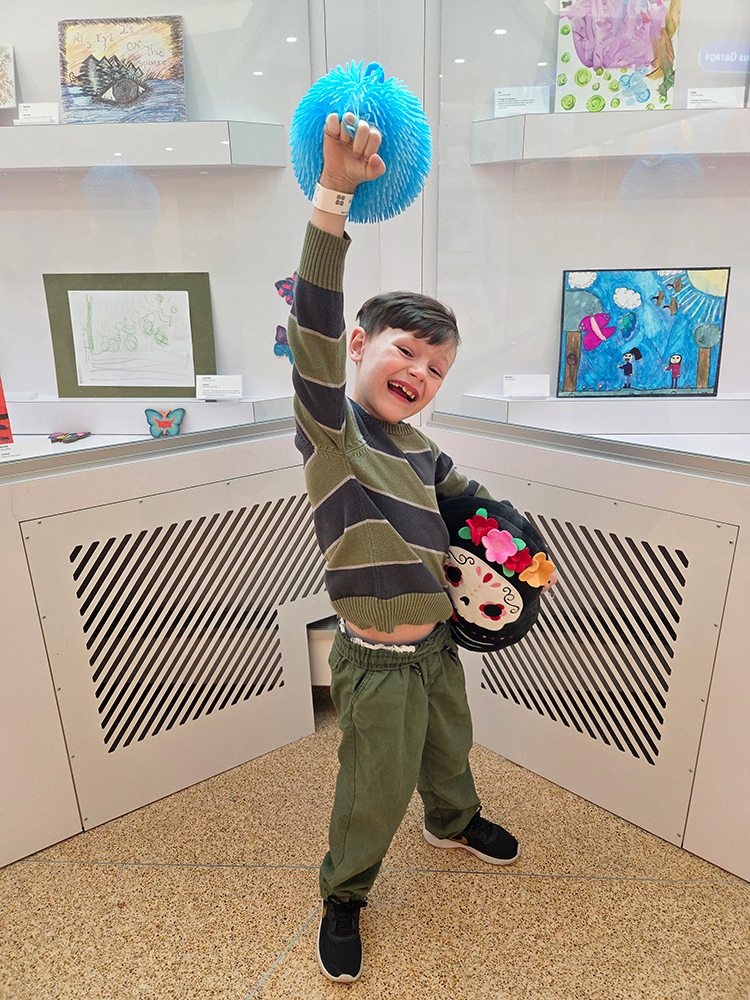
Upon the successful completion of his treatment protocol, the hospital staff organized a symbolic departure. Charles, the maintenance lead, permitted Elias to ride the floor-cleaning machine out of the hospital doors, marking the end of his eight-month residency and his transition from patient to survivor.
Longitudinal Recovery and the Survivorship Program
Elias celebrates his eighth birthday on June 11, 2024, a milestone that carries significant clinical weight. On April 21, 2025, he is scheduled to officially enter a specialized survivorship program. These programs are essential components of modern oncology, focusing on the "late effects" of cancer treatment.
A primary concern for Elias’s medical team was the potential for cardiotoxicity—damage to the heart muscle—which is a frequent side effect of the anthracycline chemotherapies often used to treat leukemia. However, recent evaluations indicate that his heart remains in perfect condition, a success attributed to the refined dosages and monitoring provided by the clinical trial. Today, Elias is an active and creative child with aspirations of entering the fields of engineering or nursing, reflecting a desire to contribute to the systems that supported his recovery.
Statistical Analysis of Pediatric Cancer Research Funding
The success of Elias’s treatment highlights a broader systemic issue within the medical research community: the disparity in funding between adult and pediatric cancers. According to data from the National Cancer Institute (NCI), only approximately 4% of federal cancer research funding is dedicated specifically to pediatric cancers. This "4% gap" means that many childhood cancers are treated with protocols developed for adults decades ago, which are often too harsh for developing bodies.
The fundraising goal of $37,500 targets this gap by supporting "Young Investigators." These are typically post-doctoral fellows or early-career faculty members who bring fresh perspectives and innovative technologies to the field. By funding these researchers, the initiative ensures that the pipeline for pediatric oncology talent remains robust, preventing a "brain drain" to more lucrative or better-funded adult oncology sectors.
Six months of funding for a researcher can cover the laboratory costs and salary necessary to produce the preliminary data required to apply for larger, multi-year federal grants. In this sense, the $37,500 acts as "seed money" that can eventually yield millions of dollars in research value.
Broader Implications for Pediatric Oncology
The implications of such fundraising efforts extend beyond individual stories. The evolution of pediatric cancer care is moving toward "precision medicine," where treatments are tailored to the genetic profile of a specific tumor. AMKL, the cancer Elias fought, is a prime candidate for such research. Identifying the specific genetic drivers of megakaryoblastic proliferation allows scientists to develop targeted inhibitors that kill cancer cells while sparing healthy tissue.
Furthermore, the transition to survivorship programs represents a growing field of medical study. As survival rates for childhood cancers have risen—now exceeding 80% for many types of leukemia—the medical community has shifted its focus to the quality of that survival. Chronic health conditions, including secondary malignancies and cardiovascular disease, affect a significant portion of childhood cancer survivors by the time they reach age 50. Research funded by initiatives like the June campaign is vital for developing "de-escalation" strategies—finding the minimum amount of toxic treatment necessary to achieve a cure.
Conclusion: A Call for Sustained Investment
The narrative of Elias serves as a testament to the efficacy of clinical trials and the necessity of specialized pediatric research. While his story is one of triumph, the aggressive nature of AMKL and the grueling eight-month hospitalization he endured serve as a reminder that current treatments are still far from ideal.
As Cancer Survivors Month continues, the drive to raise $37,500 represents more than just a financial target; it is a commitment to the next generation of medical breakthroughs. By supporting Young Investigators, the campaign seeks to ensure that every child diagnosed with cancer has access to the same life-saving innovations that allowed Elias to trade his IV pole for a seat on a zamboni. The goal is a future where the "Mayor of 9B" is not a title earned through months of isolation, but a memory of a brief and manageable detour on the path to a long, healthy life.
