
 By admin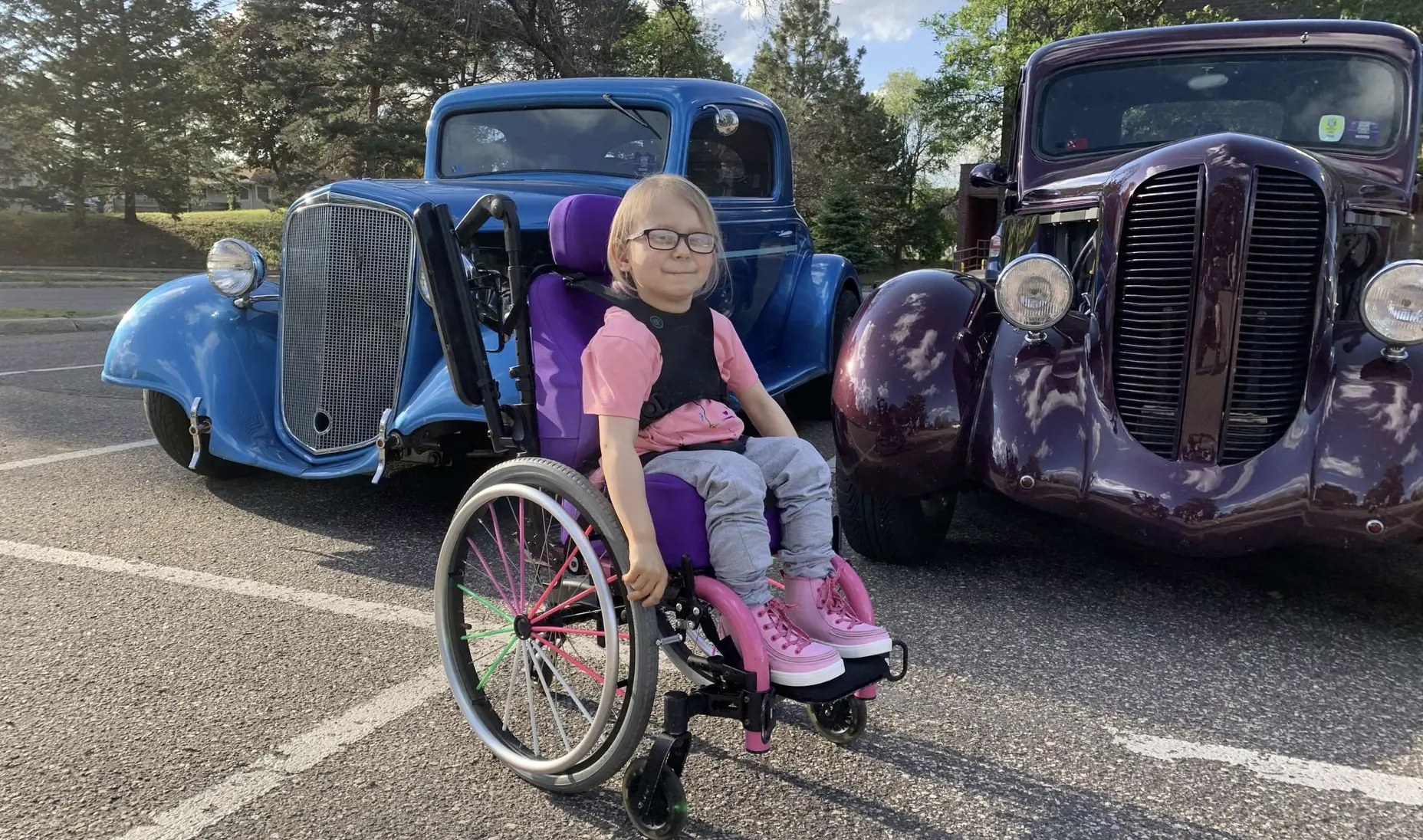
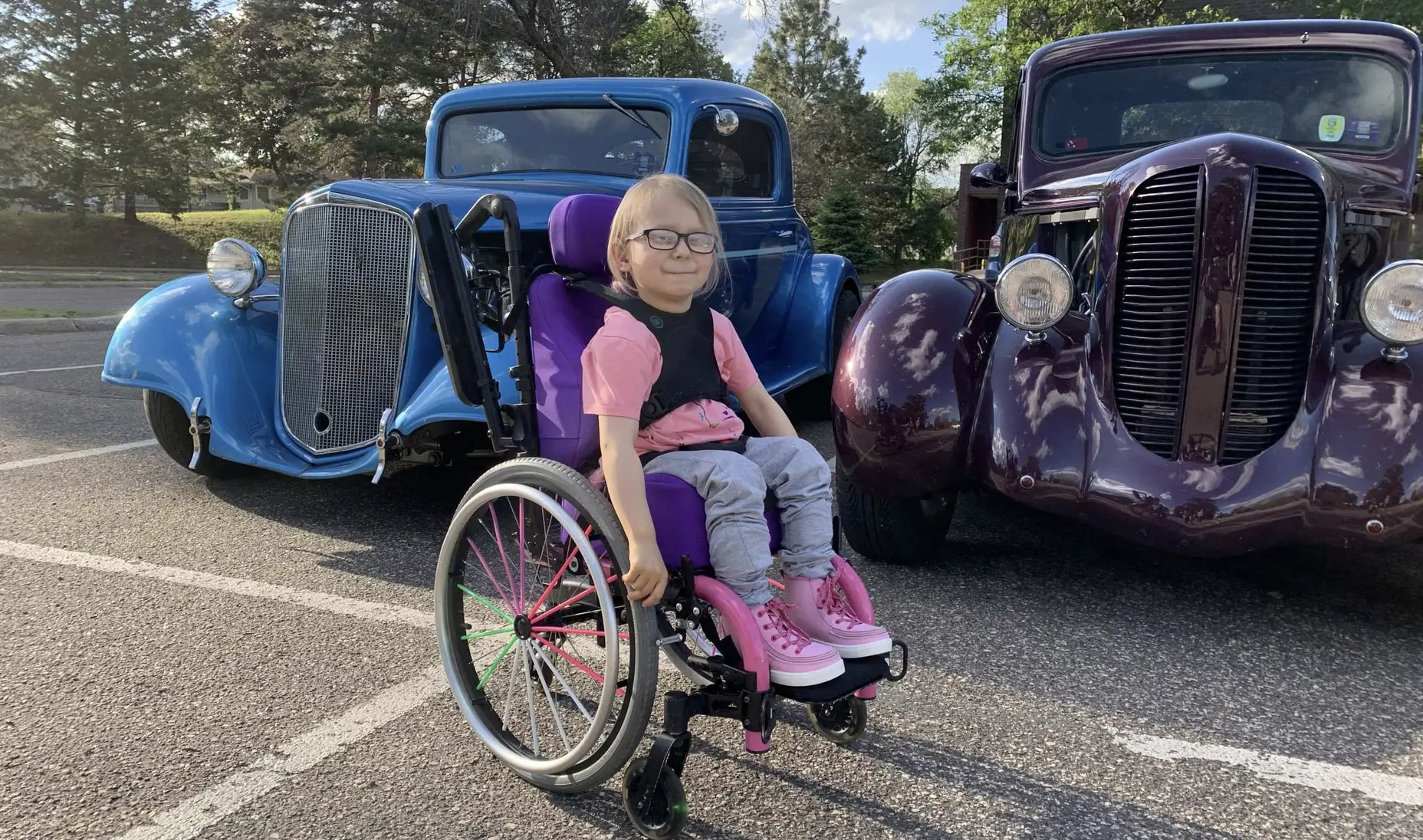
The trajectory of a child’s life can change in an afternoon, a reality the family of a young girl named Emma discovered when she was just two years old. What began as a period of typical toddler development took a harrowing turn when Emma suddenly lost her ability to walk. This loss of motor function prompted an immediate medical investigation, leading to the discovery of a neuroblastoma tumor pressing against her spinal cord. Emma’s diagnosis marked the beginning of a grueling multi-year battle against one of the most aggressive forms of pediatric cancer, a journey that highlights both the extraordinary resilience of young survivors and the critical need for more targeted, less toxic medical interventions.
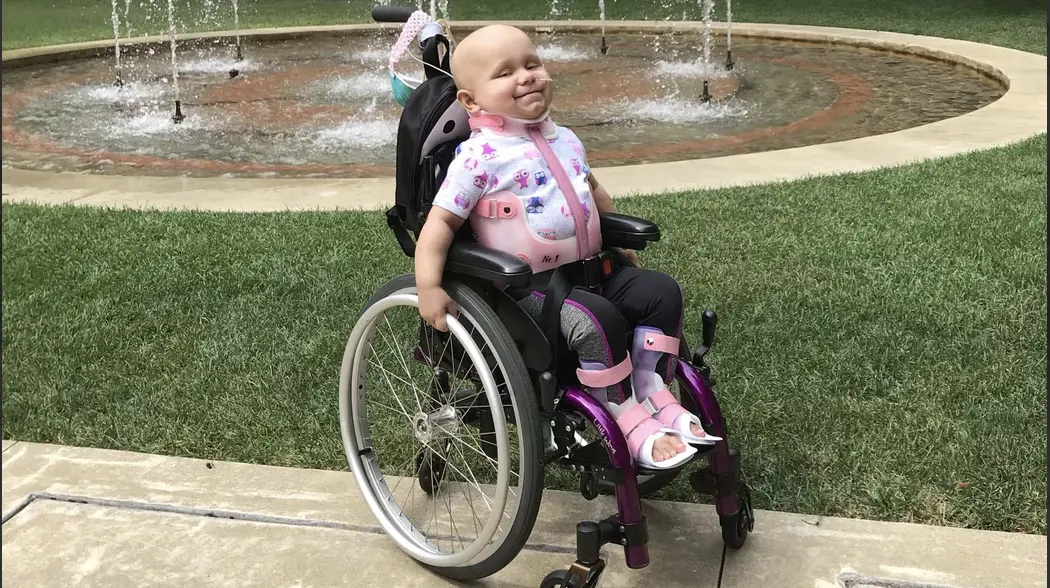
Emma’s case was classified as high-risk neuroblastoma, a designation that triggers some of the most intensive treatment protocols in modern oncology. Over the course of 18 months, the toddler became a permanent fixture in the hospital, undergoing a series of procedures that would be taxing for an adult, let alone a child. Her regimen included aggressive chemotherapy designed to shrink the primary tumor, followed by a complex spinal cord surgery to alleviate the pressure that had paralyzed her. The medical team also performed a partial lung removal and administered proton beam radiation—a more precise form of radiotherapy that aims to spare healthy tissue while destroying malignant cells. To consolidate these efforts, Emma underwent a stem cell transplant and cycles of immunotherapy, an evolving field of medicine that enlists the body’s own immune system to recognize and attack cancer cells.
While Emma eventually reached the status of a survivor, the "cure" for high-risk neuroblastoma often comes with a significant physiological and psychological price. Today, Emma lives with the permanent "late effects" of her treatment. These include profound hearing loss, a common side effect of certain platinum-based chemotherapies, and permanent paralysis resulting from the tumor’s initial impact on her spine. Furthermore, the intensity of her treatment left her with a weakened immune system and a persistent sense of mental exhaustion. For Emma and her family, the end of active treatment was not the end of the struggle; it was the beginning of a new phase of life defined by specialized care, physical therapy, and the constant, underlying fear of a relapse.
Understanding the Pathology of Neuroblastoma
Neuroblastoma is a cancer that originates in the sympathetic nervous system, typically arising from immature nerve cells called neuroblasts. These cells are intended to develop into functioning nerve cells or the adrenal medulla, but in cases of neuroblastoma, they instead grow uncontrollably. While the disease can manifest anywhere along the sympathetic nervous system, it most commonly begins in the adrenal glands, located atop the kidneys.
The clinical presentation of neuroblastoma is highly variable, which often makes early diagnosis difficult. It is the most common extracranial solid tumor in childhood, accounting for approximately 7% to 10% of all pediatric cancers. However, it is responsible for a disproportionate number of pediatric cancer deaths, representing roughly 15% of the total.
Medical professionals categorize neuroblastoma into low, intermediate, and high-risk groups based on several factors, including the age of the patient, the stage of the disease at diagnosis, and the biological features of the tumor, such as the presence of the MYCN oncogene. For children in the low-risk category, the prognosis is exceptionally positive, with survival rates exceeding 95%. Many of these cases require minimal intervention or may even undergo spontaneous regression. Conversely, high-risk neuroblastoma, like the case Emma faced, remains a significant challenge for the medical community. Despite the most aggressive treatments available, the five-year survival rate for high-risk patients remains stubbornly between 50% and 60%, a statistic that underscores the urgent need for research and innovation.
The Burden of Survivorship and the Challenge of Access
Emma’s transition into survivorship brings to light a secondary crisis in pediatric oncology: the long-term management of survivors. As treatment protocols have improved survival rates, the population of pediatric cancer survivors has grown, revealing the extensive long-term damage caused by toxic treatments. For Emma, the physical toll is compounded by logistical barriers. Living approximately an hour away from the nearest hospital, her family must navigate a fragmented care system where specialized physical, occupational, and speech therapists are spread across two different states.
This geographic and logistical strain is a common reality for families in the "maintenance" phase of cancer recovery. The "financial toxicity" of cancer—a term used by researchers to describe the economic burden of treatment and travel—persists long after the primary tumor is gone. For Emma, every bout of common illness is a cause for heightened concern due to her compromised immune system, and the psychological weight of "scanxiety"—the fear associated with regular follow-up imaging—remains a constant presence in her family’s life.
New Frontiers in Research: The Emory University Study
In response to the limitations of current treatments, the Children’s Cancer Research Fund (CCRF) is currently funding a pioneering study led by Kelly Goldsmith, MD, at Emory University. Dr. Goldsmith’s research focuses on a novel form of immunotherapy that utilizes gamma delta T cells, a specialized subset of immune cells that may hold the key to treating high-risk and relapsed neuroblastoma more effectively.
Traditional immunotherapy often focuses on alpha-beta T cells, which are the most common type of T cell in the human body. However, gamma delta T cells possess unique properties that make them particularly attractive for cancer research. Unlike their alpha-beta counterparts, gamma delta T cells do not require a strict "match" between the donor and the recipient, meaning they can be harvested from healthy donors and administered to patients without the same high risk of graft-versus-host disease. This "off-the-shelf" potential could significantly streamline the treatment process for critically ill children.
The Emory project is specifically engineering these gamma delta T cells to target a protein known as GFRA2. This protein has been identified as a marker on neuroblastoma cells that have metastasized, or spread, to the brain. Brain metastasis is one of the most difficult complications to treat in pediatric oncology, as the blood-brain barrier often prevents standard chemotherapy drugs from reaching the tumor. Dr. Goldsmith’s team is working to enhance the ability of these engineered T cells to not only cross into the brain but also to remain active and "persistent" within the body for longer periods, ensuring a sustained attack on the cancer.
The Role of Immunotherapy in Future Protocols
The implications of Dr. Goldsmith’s research extend beyond neuroblastoma. The development of targeted immunotherapies represents a shift toward "precision medicine," where treatments are tailored to the specific genetic and molecular profile of a patient’s tumor. By targeting GFRA2, researchers hope to destroy cancer cells with surgical precision while leaving healthy cells—and the child’s future health—intact.
Medical experts in the field of pediatric oncology suggest that the integration of gamma delta T cell therapy could eventually reduce the reliance on high-dose radiation and cytotoxic chemotherapy. "The goal is not just to save these children, but to save them with their quality of life intact," notes a hypothetical statement from the research community. "If we can successfully engineer immune cells to do the work that toxic chemicals currently do, we can eliminate many of the life-altering side effects like the hearing loss and organ damage we see in survivors today."
Broader Impact and the Path Forward
Emma’s story is a testament to the progress made in pediatric oncology, but it is also a call to action. While she has defied the odds, her life is a daily reminder of the collateral damage caused by current medical limitations. The work being done at Emory University, fueled by donor-supported organizations like the CCRF, represents the next chapter in this struggle.
The success of these clinical trials could redefine the standard of care for high-risk neuroblastoma. If gamma delta T cell therapy proves effective in human trials, it could offer a lifeline to children who have exhausted all other options, particularly those whose cancer has spread to the central nervous system.
Furthermore, the focus on "persistence"—ensuring the immune cells stay active in the body—addresses one of the primary reasons for relapse. If the body’s immune system can be "trained" to remain vigilant against neuroblastoma cells, the 50-60% survival rate could see a significant and long-awaited increase.
For Emma and thousands of children like her, the hope lies in the intersection of compassionate care and rigorous science. As researchers continue to untangle the molecular complexities of neuroblastoma, the focus remains on transforming the harrowing journey Emma endured into a more manageable, less invasive path for the next generation of patients. The ultimate objective is a world where a diagnosis of high-risk neuroblastoma is no longer a coin-flip for survival, but a hurdle that can be cleared without leaving a lifetime of scars in its wake.
