
 By admin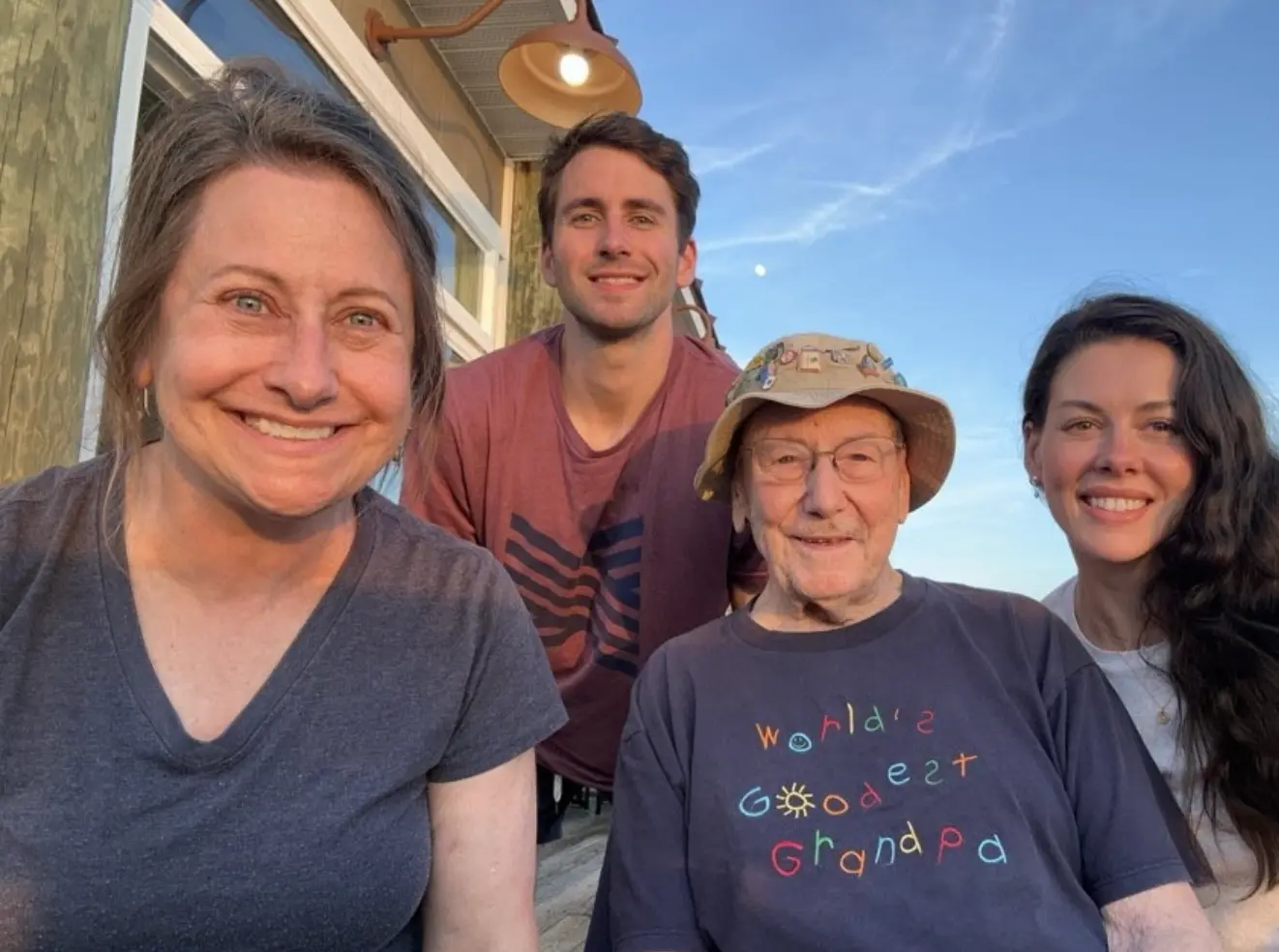
The transition from a high-growth technology startup to the world of high-impact philanthropy is a path increasingly traveled by Silicon Valley’s successful entrepreneurs, yet few bring a perspective as deeply personal and data-driven as Alex Monahan. Following the successful acquisition of his startup, OddsJam, Monahan has pivoted his focus toward a challenge that has shadowed his life since adolescence: the fight against cancer. By partnering with the Children’s Cancer Research Fund (CCRF), Monahan is applying the same analytical rigor that fueled his entrepreneurial success to the complex landscape of pediatric oncology, seeking to accelerate the development of next-generation treatments through technology and strategic investment.
A Legacy Rooted in Personal Adversity
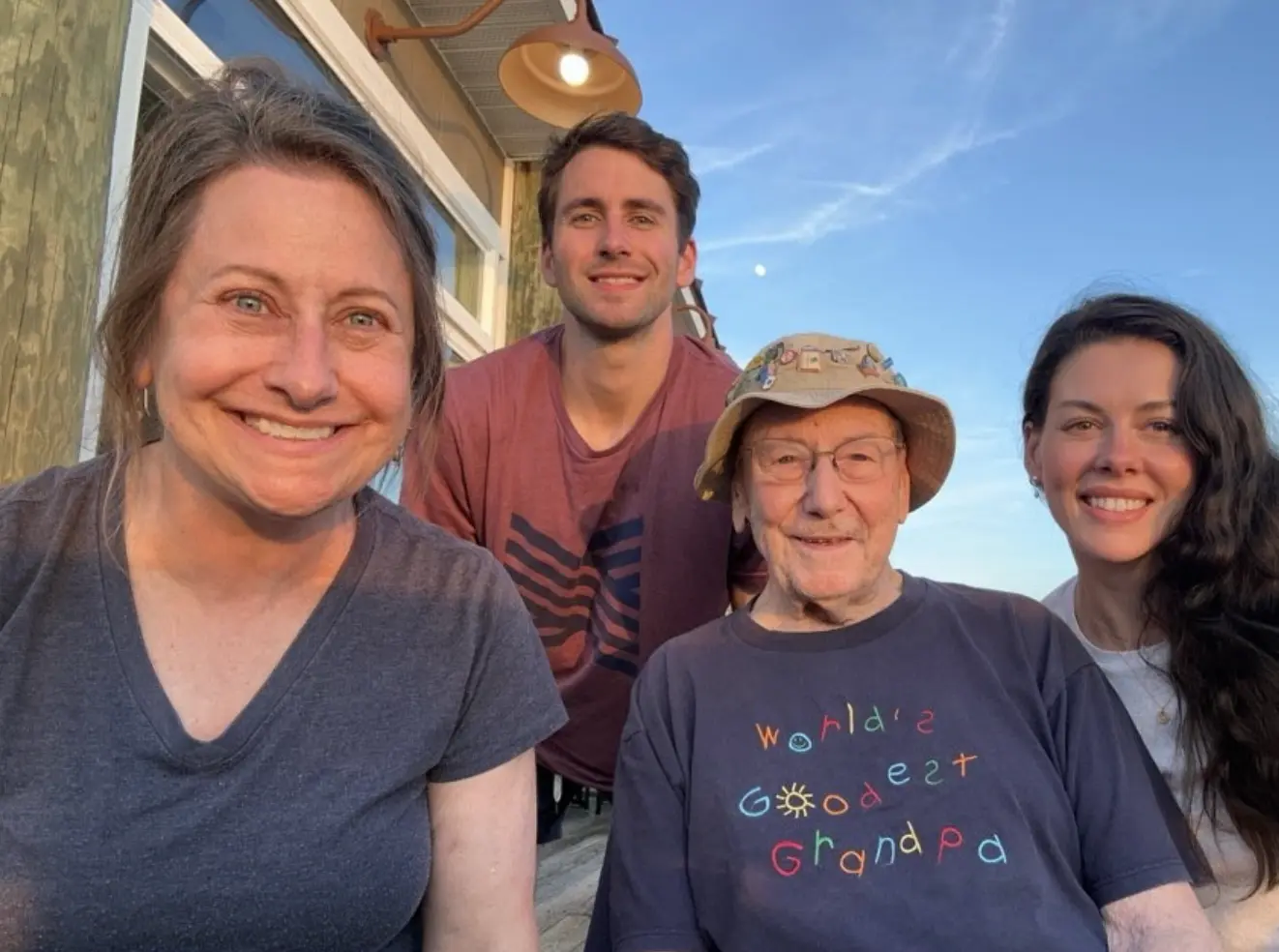
For Alex Monahan, the motivation to fund cancer research is not an abstract altruistic impulse but a response to a lifetime of witnessing the disease’s toll. Growing up in Northern Virginia, Monahan’s formative years were marked by the diagnosis and eventual loss of his grandmother while he was still in high school. This initial encounter with the healthcare system’s limitations was compounded years later when his father faced his own battle with the disease. These experiences instilled in Monahan a profound understanding of the emotional and logistical burdens that cancer places on a family unit.
Reflecting on his journey, Monahan notes that cancer has been a persistent presence in his life. While his personal experiences involved adult family members, the prospect of children facing similar or more aggressive diagnoses struck a particular chord. He recognized that while the loss of an elderly relative is devastating, the interruption of a child’s life represents a unique tragedy that demands a specialized, urgent response. This realization became the catalyst for his search for a philanthropic vehicle that could maximize the utility of his resources.
From Stanford to Startup Success: The OddsJam Journey
Before entering the philanthropic sector, Monahan’s trajectory was defined by academic excellence and technological innovation. At Stanford University, he immersed himself in the world of technology and entrepreneurship, developing a keen eye for market inefficiencies and the power of data analytics. This background led to the founding of OddsJam, a platform designed to provide data-driven insights and transparency for sports enthusiasts and bettors.
The success of OddsJam was built on the ability to process vast amounts of real-time data to provide actionable intelligence—a skill set that Monahan would later realize is directly transferable to medical research. After building the company into a leader in its niche, Monahan navigated a successful exit, selling the startup and finding himself at a crossroads. With the financial means to create a lasting legacy, he began investigating how to apply his analytical mindset to social good.
A targeted search for high-impact organizations led him to the Children’s Cancer Research Fund. Monahan’s decision to become an "instant supporter" was driven by the organization’s transparency and its focus on funding the "seed" research that often struggles to secure federal grants but frequently leads to major breakthroughs in pediatric care.
The Disparity in Pediatric Cancer Research Funding
To understand the significance of Monahan’s contribution, it is necessary to examine the current state of pediatric oncology funding in the United States. Despite cancer being the leading cause of death by disease for children past infancy, pediatric cancer research receives a disproportionately small fraction of federal funding.
According to data from the National Cancer Institute (NCI), only about 4% of the federal budget for cancer research is dedicated specifically to childhood cancers. The remaining 96% is primarily focused on adult cancers, which, while also critical, often have different biological drivers and require different therapeutic approaches than those found in pediatric patients. This funding gap means that many promising avenues for childhood-specific treatments remain unexplored without the intervention of private philanthropy.
Furthermore, the pharmaceutical industry often lacks the financial incentive to develop drugs specifically for children, as the "market" for pediatric oncology is significantly smaller than that for adult cancers like breast, lung, or prostate cancer. This creates a "funding valley of death" where innovative ideas for childhood cures often fail to move from the laboratory to clinical trials. Monahan’s involvement with CCRF is aimed directly at bridging this gap, ensuring that the next generation of treatments is not delayed by a lack of capital.
Technological Integration: AI and the Future of Oncology
As a veteran of the tech industry, Monahan is particularly focused on how modern computational tools can revolutionize the speed and efficacy of medical research. He views technology, specifically Artificial Intelligence (AI) and machine learning, as the primary levers for improving patient outcomes in the 21st century.
In the context of cancer research, AI is being utilized to analyze genomic data at a scale previously unimaginable. By identifying specific genetic mutations that drive tumor growth in children, researchers can develop personalized medicine protocols—tailoring treatments to the individual child’s genetic makeup rather than relying on the "one-size-fits-all" approach of traditional chemotherapy.
Monahan emphasizes that AI can not only speed up the discovery of new drugs but also improve the quality of care by predicting how patients will react to certain treatments. This is especially vital in pediatrics, where the goal is not just survival, but long-term health. Reducing the toxicity of treatments is a major priority; many childhood cancer survivors currently face lifelong health complications, including secondary cancers and organ damage, due to the intensity of traditional treatments. Monahan’s support helps fund research into "smarter" therapies that target cancer cells while sparing healthy tissue, thereby reducing long-term side effects.
The Human Element: Resilience and Survivorship
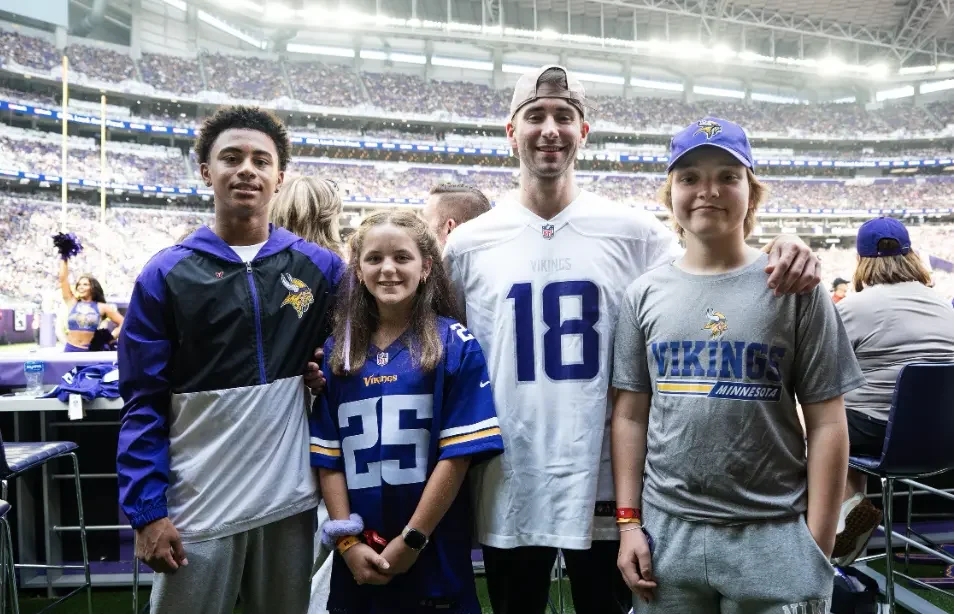
While Monahan’s approach is heavily influenced by data and technology, his commitment is reinforced by direct engagement with the families affected by these diseases. A recent experience at a Minnesota Vikings pre-season game, where he spent time with cancer families in the CCRF suite, provided a stark reminder of the human stakes involved.
For many of these families, the game was a rare moment of normalcy and joy in the midst of grueling treatment schedules. Monahan, who found sports to be his own "escape" during his family’s difficult times, noted the incredible resilience displayed by the children. This event served to pull him out of the "entrepreneurial bubble" and ground his philanthropic goals in the lived reality of those he aims to help.
One area of particular interest for Monahan is the CCRF’s support for brain tumor clinical trials, such as those conducted at Children’s Minnesota. Brain tumors remain one of the deadliest forms of childhood cancer, and the research being funded today is essential for developing the "joy moments" of tomorrow. By focusing on survivorship and quality of life, Monahan is advocating for a holistic view of cancer care that extends far beyond the initial remission.
Strategic Philanthropy: Money as a Tool for Change
Monahan’s philosophy on giving is characterized by a "realistic and resourceful" mindset. He views wealth not as an end in itself, but as a tool to be deployed strategically. His advice to other potential donors, particularly those from the tech sector, is to engage deeply with the science behind the organizations they support.
"I’m not a scientist," Monahan admits, "but I can understand the why and the how." This commitment to understanding the mechanics of the research ensures that his contributions are directed toward the areas of greatest need and highest potential impact. By working closely with the team at CCRF, he has gained clarity on how specific research priorities are set and how donor funds move the needle on those priorities.
This transparency is a hallmark of "Effective Altruism," a growing movement in philanthropy that encourages donors to use evidence and reasoning to determine the most effective ways to benefit others. Monahan’s approach aligns with this trend, prioritizing transparency, measurable outcomes, and the long-term "return on investment" in terms of lives saved and years of life gained.
Implications for the Next Generation of Cancer Care
The involvement of donors like Alex Monahan represents a shift in the philanthropic landscape, where younger, tech-savvy individuals are taking an active role in medical advocacy. This trend has the potential to bring more than just capital to the table; it brings a culture of innovation, a tolerance for high-risk/high-reward research, and a demand for efficiency that can accelerate the pace of traditional institutional research.
Monahan’s perspective is framed by a sense of historical continuity. "We’re the people 20 years ago," he says, referring to the previous generation of donors whose contributions led to the treatments available today. He recognizes that the investments made in 2024 will define the standard of care in 2044. If the current trajectory of AI integration and personalized medicine continues, the next two decades could see a dramatic shift from managing childhood cancer to effectively curing it with minimal long-term impact on the patient.
As Monahan continues his journey with the Children’s Cancer Research Fund, his focus remains on the "urgent and rewarding" nature of the work. By bridging the gap between Silicon Valley innovation and the front lines of pediatric oncology, he is helping to ensure that the future of cancer care is defined by discovery, resilience, and, ultimately, hope for children and their families worldwide. Through his actions, Monahan demonstrates that while he may have moved on from the world of startups, his drive to build something meaningful and transformative is stronger than ever.
