
 By admin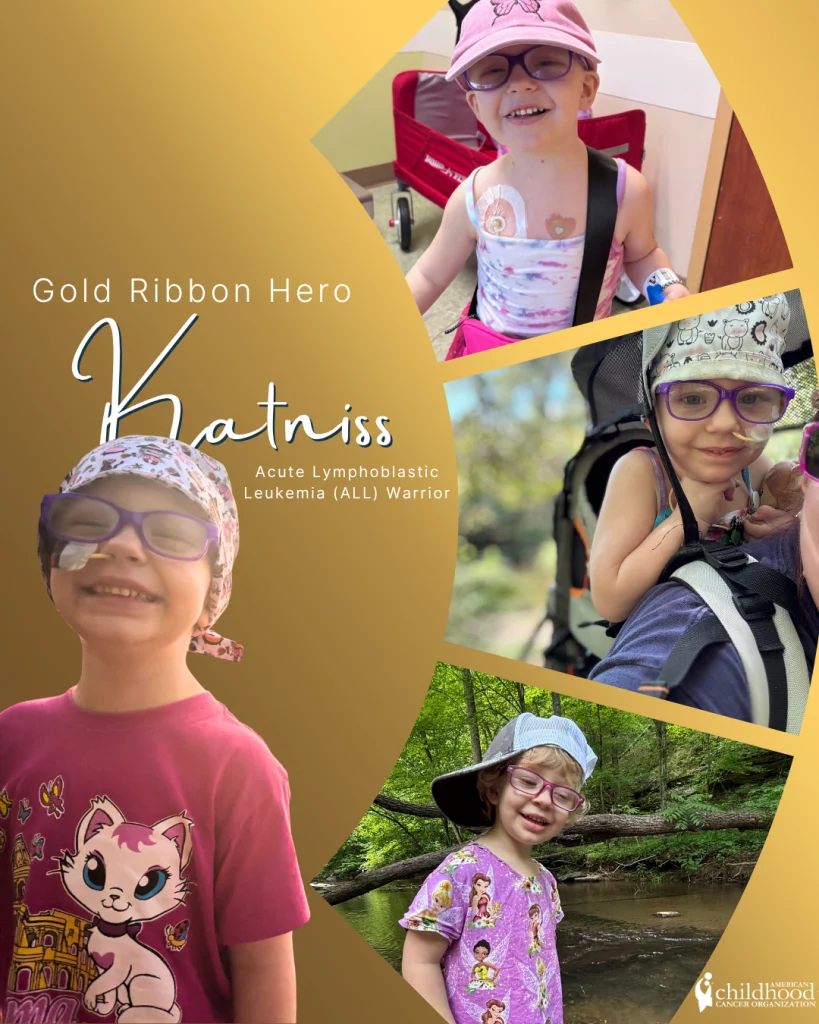
The intersection of personal medical history and modern pediatric oncology was highlighted this year through the story of Katniss, a young patient diagnosed with Acute Lymphoblastic Leukemia (ALL) in June 2025. Her journey, marked by both a sudden medical crisis and a poignant familial connection to the disease, has become a focal point for advocacy efforts led by the American Childhood Cancer Organization (ACCO). Katniss’s experience serves as a contemporary case study in the challenges of pediatric cancer treatment, the importance of community-driven fundraising, and the evolving landscape of leukemia survivorship.
The Clinical Presentation and Diagnosis of Acute Lymphoblastic Leukemia
The medical trajectory for Katniss began in early June 2025 with symptoms that initially mirrored common childhood illnesses. After a diagnosis of strep throat failed to respond to standard treatments, her condition deteriorated rapidly. The onset of hematemesis, or the vomiting of blood, prompted an emergency room visit that shifted the clinical focus from a routine infection to a systemic hematologic crisis.
Clinical evaluations conducted at the time revealed that Katniss was suffering from profound neutropenia—a condition characterized by an abnormally low count of neutrophils, the white blood cells essential for fighting off infections—and anemia. These findings are classic indicators of bone marrow failure, often caused by the proliferation of malignant cells. Within days of her admission, diagnostic testing confirmed a diagnosis of Acute Lymphoblastic Leukemia (ALL).
ALL is the most common form of pediatric cancer, accounting for approximately 25% of all cancer diagnoses in children under the age of 15. It is a fast-growing cancer of the white blood cells, specifically the lymphoid line. According to the National Cancer Institute (NCI), while the five-year survival rate for pediatric ALL has improved significantly over the last several decades—now exceeding 90% for many sub-types—the treatment regimen remains one of the most intensive in pediatric medicine.
A Legacy of Survivorship: The Intergenerational Impact
A significant aspect of Katniss’s case is the history of her mother, Katherine, who is herself a survivor of childhood leukemia. This intergenerational encounter with the disease underscores a rare but deeply impactful dynamic within the oncology community. "As a childhood leukemia survivor myself, hearing my baby girl has the same cancer broke my heart," Katherine stated, highlighting the unique psychological burden faced by survivor-parents.
While most cases of ALL are not considered hereditary in the traditional sense, ongoing research into genetic predispositions suggests that certain germline mutations may increase susceptibility in some families. However, for most families like Katniss’s, the occurrence is viewed by medical professionals as a devastating coincidence. The shared experience between mother and daughter provides a unique support structure, yet it also highlights the long-term reality of cancer as a factor that can span generations within a single family unit.
The Two-Year Treatment Roadmap: Procedures and Protocols
Following her diagnosis in mid-2025, Katniss began a rigorous treatment protocol designed to last approximately two and a half years. This timeline is standard for female patients with ALL, consisting of several distinct phases: induction, consolidation, and a long-term maintenance phase.
The clinical management of her condition involves invasive procedures that are physically and emotionally taxing for pediatric patients. These include:
- Port Placement: The surgical implantation of a venous access device (port-a-cath) to allow for the repeated administration of chemotherapy and the drawing of blood without the need for constant needle sticks.
- Bone Marrow Biopsies: Periodic extractions of marrow from the pelvic bone to monitor the presence of leukemic cells and assess the effectiveness of the treatment.
- Lumbar Punctures: Also known as spinal taps, these procedures are necessary to deliver chemotherapy directly into the cerebrospinal fluid (intrathecal shells) to prevent the leukemia from spreading to the central nervous system.
Throughout the initial months of this regimen, medical reports and family observations have noted Katniss’s resilience. Despite the systemic toll of chemotherapy, she has maintained what her family describes as a "sassy" and determined personality, a psychological trait that clinicians often cite as a vital component of a patient’s quality of life during long-term hospitalization.
Community Advocacy: The Grand Ole Opry Chili Cook-Off
In the fall of 2025, Katniss was selected as an ambassador for a major philanthropic event in Nashville, Tennessee: the Grand Ole Opry Chili Cook-Off. This event, held annually at one of the most iconic venues in American music history, serves as a high-profile fundraiser for the American Childhood Cancer Organization (ACCO).
The partnership between the Grand Ole Opry and the ACCO aims to bridge the gap between cultural institutions and medical advocacy. By featuring "ambassadors"—young patients currently undergoing treatment—the event humanizes the statistics associated with pediatric cancer. The funds raised during the Chili Cook-Off are typically directed toward research, family support services, and the production of educational materials designed to help children understand their diagnosis.
However, the realities of cancer treatment often interfere with public appearances. Due to her compromised immune system (neutropenia) and the scheduling of her chemotherapy cycles, Katniss was unable to attend the actual event. This is a common occurrence in pediatric oncology advocacy; the very patients the events seek to honor are often too ill to participate in large public gatherings.
The Ambassador Experience: A Private Engagement
To ensure Katniss could still participate in her role as an ambassador, the Grand Ole Opry facilitated a private visit several weeks after the main event. This accommodation allowed Katniss and her family to tour the facility under controlled, safer conditions. The family was granted a behind-the-scenes look at the Opry House and attended a live performance, providing a necessary reprieve from the clinical environment of the oncology ward.
Such experiences are categorized by child life specialists as "normalizing activities." These interventions are crucial for maintaining the developmental trajectory of children with chronic illnesses. By providing Katniss with an experience outside of the hospital, the Opry and the ACCO helped reinforce her identity as a child and an ambassador, rather than solely as a patient.
Supporting Data and the Funding Gap in Pediatric Cancer
The advocacy surrounding Katniss’s story highlights a persistent issue in the United States medical landscape: the disparity in research funding. According to data from the ACCO and various pediatric cancer coalitions, childhood cancer research receives only about 4% of the National Cancer Institute’s (NCI) annual budget.
This funding gap is particularly notable given the long-term impact of the disease. While survival rates have increased, survivors of childhood leukemia often face "late effects" from their treatment, including secondary cancers, cardiac issues, and cognitive impairments. Enrichment of research funding is seen as the primary pathway toward developing "targeted therapies" that are less toxic than traditional chemotherapy.
The Grand Ole Opry Chili Cook-Off and similar community-driven initiatives are essential because they supplement federal funding. In 2024 and 2025, regional events in Nashville alone have contributed hundreds of thousands of dollars toward local and national pediatric cancer support networks.
Broader Impact and Implications for the Future
The case of Katniss and her family illustrates the enduring nature of the fight against pediatric leukemia. As she continues her two-and-a-half-year treatment plan, her story remains a point of engagement for the ACCO and its supporters.
From a journalistic and sociological perspective, the "survivor-parent" narrative seen with Katherine and Katniss highlights the successes of past medical advancements. Katherine’s survival allowed her to see her daughter diagnosed in an era where treatments are even more refined than those available 20 or 30 years ago. However, the recurrence of the disease in the next generation also serves as a sobering reminder that the underlying causes of pediatric leukemia remain complex and partially understood.
The integration of corporate and cultural entities, such as the Grand Ole Opry, into the healthcare advocacy space is expected to grow. As public awareness of the "4% funding" issue increases, these partnerships provide a platform for patients like Katniss to reach a broader audience.
Conclusion: The Road Ahead
Katniss remains in the active phase of her treatment as of late 2025. Her medical team continues to monitor her response to chemotherapy, with the goal of achieving and maintaining total remission. Her journey from a sudden ER visit in June to her role as a Nashville ambassador exemplifies the volatility and the community spirit inherent in the pediatric cancer experience.
The data gathered from her case, along with the funds raised in her name at the Grand Ole Opry, contribute to a larger national effort to eradicate childhood leukemia. For now, Katniss’s story is one of resilience—a child who, despite the rigors of biopsies and infusions, continues to represent the "gold ribbon" of childhood cancer awareness with strength and a refusal to be defined solely by her diagnosis.
