
 By admin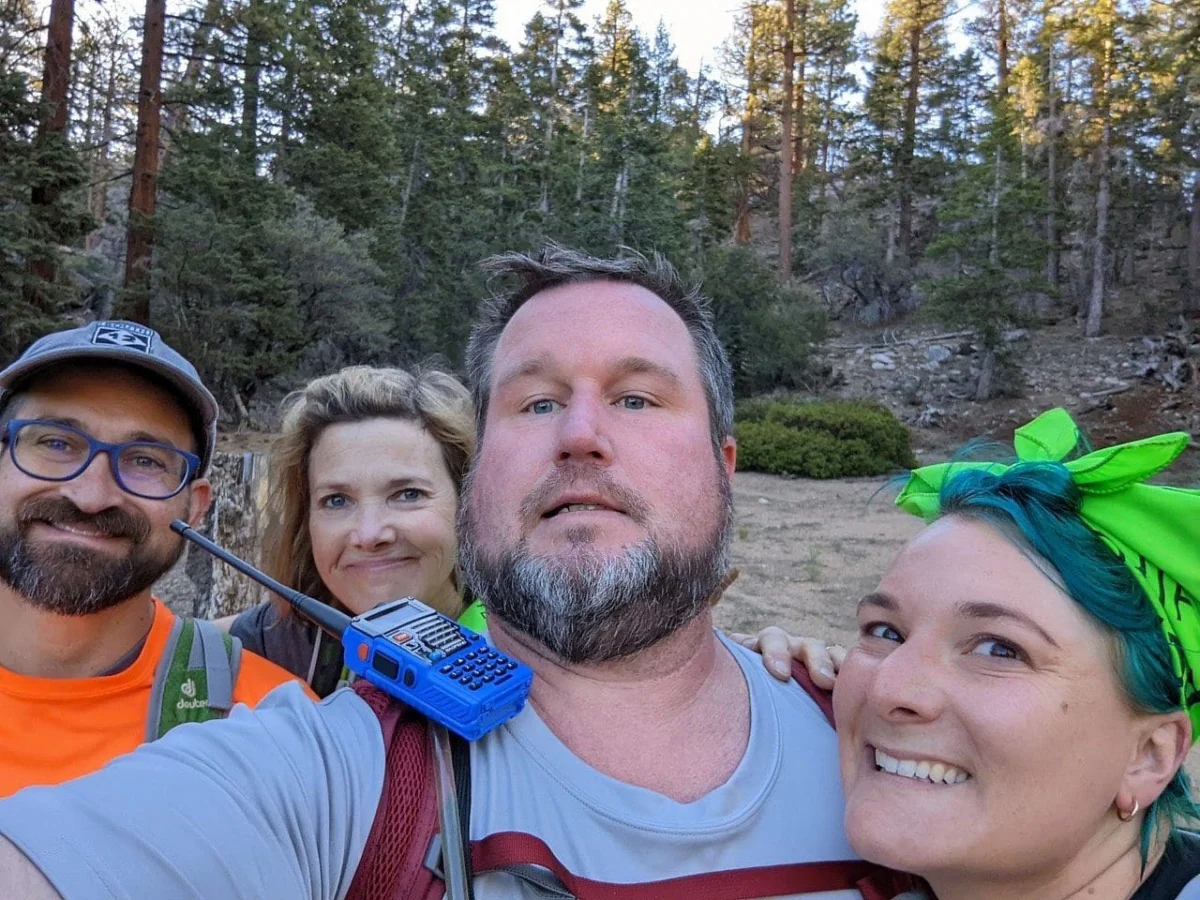
The intersection of personal recovery and philanthropic dedication often produces profound community impact, a phenomenon exemplified by the journey of James and Elizabeth Gunnett. Since 2018, the couple has transformed their individual experiences with grief and mental health challenges into a collective mission to combat childhood cancer through CureSearch for Children’s Cancer. Their story, which began on the demanding trails of the Pacific Crest Hike, has evolved into a multi-year commitment to endurance fundraising, highlighting the critical role of community-driven initiatives in funding pediatric oncological research. As the Ultimate Hike program prepares for its upcoming season at Mt. Tamalpais, the Gunnetts’ narrative serves as a testament to the resilience of the human spirit and the tangible outcomes of the more than $10 million raised by the program to date.
A Convergence of Personal Healing and Philanthropic Action
The genesis of the Gunnetts’ involvement with CureSearch was rooted in a search for meaning during periods of significant personal hardship. In 2018, James Gunnett was grappling with a series of profound losses, while Elizabeth was seeking a constructive outlet to manage severe depression. Their paths converged through the Ultimate Hike, an endurance event designed to test physical limits while raising funds for life-saving medical research.
James was introduced to the program by Chris Morton, a coworker and long-term coach for the organization. Morton’s involvement was deeply personal, driven by his daughter Violet’s survival of liver cancer. This connection underscored the primary objective of the hike: to honor those affected by pediatric cancer and to ensure that future diagnoses are met with more effective, less toxic treatments. Elizabeth, meanwhile, discovered the initiative through an information session, drawn to the promise of a supportive community and a physical challenge that could provide a sense of purpose.
Despite the logistical hurdles inherent in endurance events—including the theft of Elizabeth’s hiking equipment shortly before the 2018 trek—the pair completed the challenge. This initial shared experience laid the foundation for a relationship built on mutual support and a shared commitment to a cause larger than themselves.
Chronology of a Mission-Driven Union
The timeline of the Gunnetts’ relationship mirrors their increasing involvement with CureSearch. Following their initial meeting in 2018, the couple continued to participate in subsequent hikes, integrating the physical demands of the trail into their shared life.
In 2020, two years after their first encounter, James proposed to Elizabeth at Big Bear Lake, California. The choice of location was deliberate, situated on the very trail system where they had first connected. On October 11, 2021, the couple wed, marking a transition from individual hikers to a unified force in the philanthropic community. Now approaching their fourth year of marriage and having completed six Ultimate Hikes together, they lead "Bear Snacks," a Northern California-based team dedicated to recruitment and fundraising for CureSearch.
Their narrative is not merely one of personal romance but of sustained advocacy. By sharing their story, the Gunnetts have become ambassadors for the organization, emphasizing that the "journey" of the hike is an analogy for the long and difficult road faced by families navigating a childhood cancer diagnosis.
The Landscape of Pediatric Cancer and the Funding Gap
The efforts of individuals like the Gunnetts are necessitated by a stark reality in the American healthcare landscape. According to data cited by CureSearch, approximately 42 children are diagnosed with cancer every day in the United States. While survival rates for some forms of pediatric cancer have improved significantly over the last several decades, others remain stubbornly low, and the long-term side effects of current treatments can be devastating.
Childhood cancer research frequently faces a "funding gap." Because pediatric cancers are biologically distinct from adult cancers and are considered relatively rare in the context of the total population, they often receive less attention and funding from major pharmaceutical companies and federal agencies. The National Cancer Institute (NCI) allocates only a small fraction of its total budget specifically to pediatric research.
This is where the Ultimate Hike program plays a pivotal role. As the only national endurance hiking event dedicated solely to childhood cancer, it provides a vital stream of unrestricted funding. Since its inception, the program has raised more than $10 million. These funds are directed toward CureSearch’s mission to accelerate the development of new treatments, specifically focusing on research that has the potential to reach clinical trials quickly.
Logistics and Evolution of the Ultimate Hike
The Ultimate Hike is characterized by its rigorous physical demands, typically requiring participants to trek between 20 and 30 miles in a single day. This "ultimate" effort is intended to symbolize the endurance required of children undergoing grueling cancer treatments.
For the current season, CureSearch has announced a significant geographical shift for its California event. Moving from previous locations to the rugged terrain of Mt. Tamalpais in Marin County, the hike will cover 19 miles of diverse landscapes, including oak woodlands and coastal vistas. This change in venue is designed to provide returning hikers with new challenges while attracting a broader demographic of participants from the San Francisco Bay Area and beyond.
Participation in the hike involves a comprehensive training regimen and a commitment to a specific fundraising goal. Hikers are provided with professional coaching, training schedules, and fundraising tools to ensure they can meet both the physical and financial requirements of the event. The Gunnetts’ team, Bear Snacks, exemplifies the community-centric model of the program, fostering a sense of camaraderie that extends beyond the trail itself.
Strategic Impact of Community-Raised Funds
The $10 million raised by the Ultimate Hike program is not merely a symbolic figure; it represents a strategic investment in the future of pediatric oncology. CureSearch utilizes a unique "Catapult" funding model, which is designed to bridge the gap between laboratory discovery and clinical application.
The organization’s research strategy focuses on:
- Accelerating Clinical Trials: Funding the final stages of research necessary to bring new drugs to the patients who need them most.
- Reducing Toxicity: Developing treatments that target cancer cells more precisely, thereby reducing the long-term health complications often caused by traditional chemotherapy and radiation in developing children.
- International Collaboration: Supporting global research initiatives that allow for the sharing of data and resources across borders, a necessity when dealing with rare pediatric sub-types.
The impact of these funds is tracked through the success of CureSearch-funded researchers, many of whom have gone on to secure larger federal grants or successfully launch clinical trials that have saved lives.
Broader Implications and the Path Forward
The Gunnetts’ story highlights a growing trend in the non-profit sector: the rise of "adventure philanthropy." By combining high-stakes physical activity with charitable goals, organizations like CureSearch are able to engage donors and volunteers on a deeper emotional and physical level. This model creates a self-sustaining community of advocates who remain involved for years, as seen in the Gunnetts’ seven-year tenure with the program.
As the California Ultimate Hike moves to Mt. Tamalpais, the organization aims to build on the momentum generated by participants like James and Elizabeth. The goal is to expand the reach of the "Bear Snacks" team and similar groups to meet the increasing costs of medical research and the rising needs of families affected by cancer.
In an era where medical breakthroughs are often hindered by bureaucratic and financial obstacles, the grassroots efforts of the hiking community provide a necessary catalyst for progress. The Gunnetts continue to emphasize that while their personal story began with a hike, the ultimate objective remains the eradication of childhood cancer.
Reflecting on their journey, James Gunnett noted that the time spent on the trail—though long in miles—feels short when measured against the impact made. Their continued presence in the CureSearch community ensures that the narrative of the Ultimate Hike remains focused on resilience, whether that resilience is found in a relationship born on the trail or in a child fighting for their life in a hospital ward.
For those interested in contributing to the mission, CureSearch offers various avenues for involvement, from direct donations to joining teams like Bear Snacks. As the program enters its next chapter in the woodlands of Marin County, the focus remains steadfast: every mile hiked and every dollar raised brings the medical community one step closer to a world where no child has to suffer the devastating effects of cancer.
