
 By admin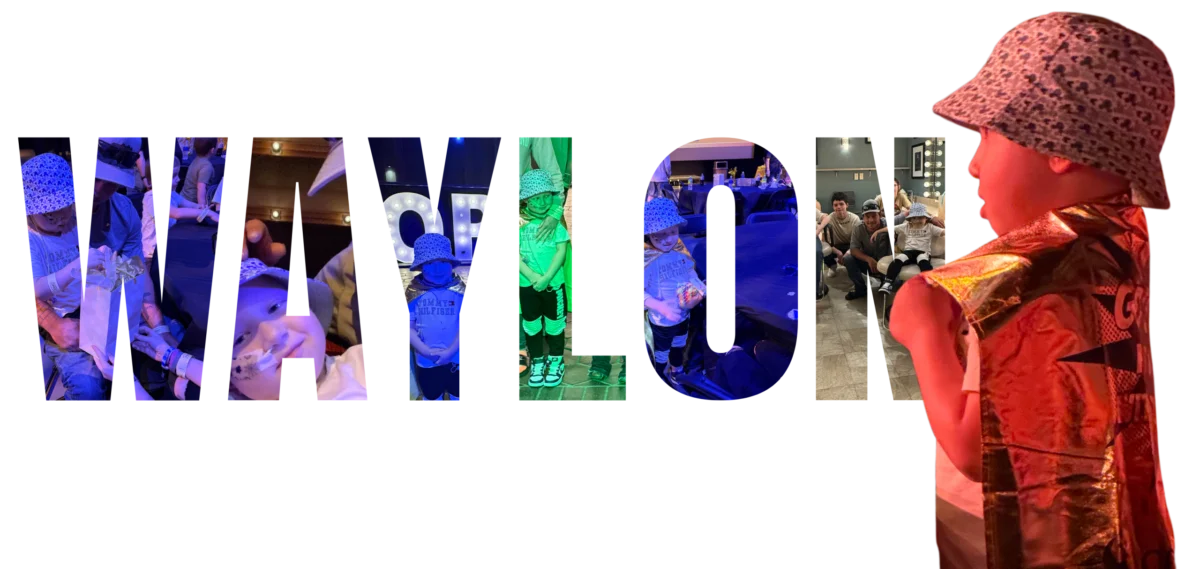
The Grand Ole Opry House, a cornerstone of American music history, recently transformed its hallowed halls into a venue for philanthropy and culinary competition during the third annual Grand Ole Opry Employee Chili Cook-Off and Fundraiser. This initiative, which has rapidly evolved into a significant tradition within the organization, brought together staff members, industry professionals, and families affected by pediatric health challenges to raise funds for the American Childhood Cancer Organization (ACCO). By blending a high-stakes cooking competition with community outreach, the event underscored the Opry’s commitment to leveraging its cultural influence for social advocacy, specifically focusing on the 15,780 children under the age of 19 diagnosed with cancer annually in the United States.

A Convergence of Culinary Skill and Philanthropy
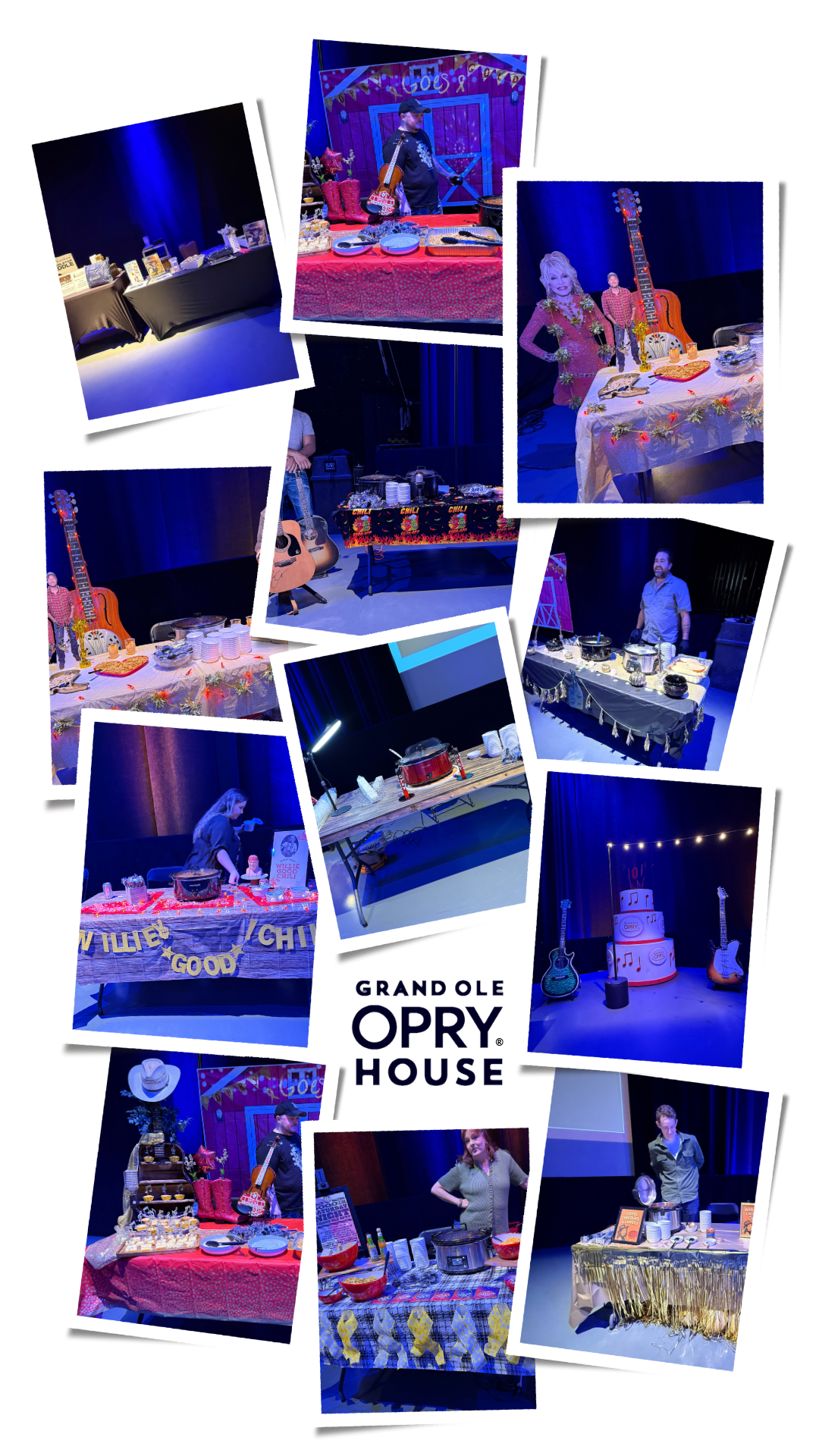
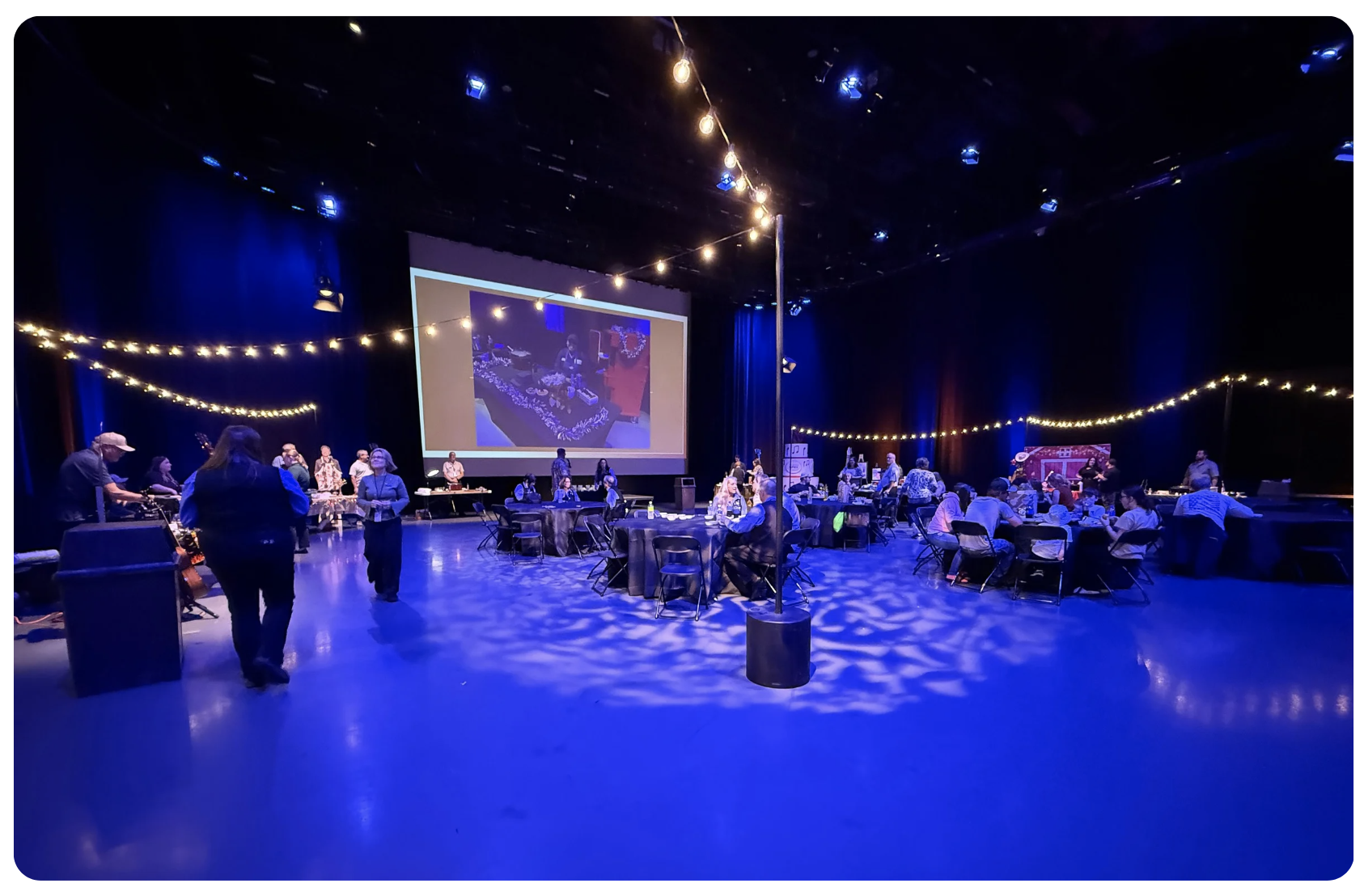
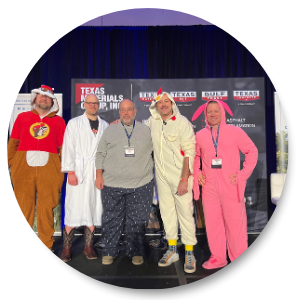
The third iteration of the chili cook-off saw a marked increase in participation and creativity compared to previous years. Employees from various departments of the Opry—ranging from stagehands to executive staff—competed for the top prize, presenting a diverse array of recipes that spanned traditional savory stews to modern, spicy interpretations. The event was not merely a gastronomic display; it was a testament to the internal culture of the Grand Ole Opry, where camaraderie is often expressed through creative expression. Booths were meticulously decorated to reflect the spirit of the Opry, with some featuring to-scale replicas of the famous wooden stage circle and others utilizing life-size cardboard cutouts of country music icons like Dolly Parton to attract voters.
The judging panel reflected the collaborative nature of the fundraiser. Blair Scroggs represented the ACCO, providing an official voice for the beneficiary organization. She was joined by Dawson, the father of a young cancer survivor named Haven, who provided the perspective of the families directly supported by such initiatives. The final "celebrity" judge was Eddie Bayers, a legendary drummer for the Opry Band and a Country Music Hall of Fame inductee. The presence of these figures ensured that the judging process remained rigorous while maintaining a focus on the underlying mission of the day.
Profiles in Resilience: Haven and Waylon
The core of the event’s mission was embodied by two young ambassadors, Haven and Waylon, who attended the festivities with their families. Their presence served as a poignant reminder of the clinical and emotional realities of childhood cancer, which remains the leading cause of death by disease for children in the United States.
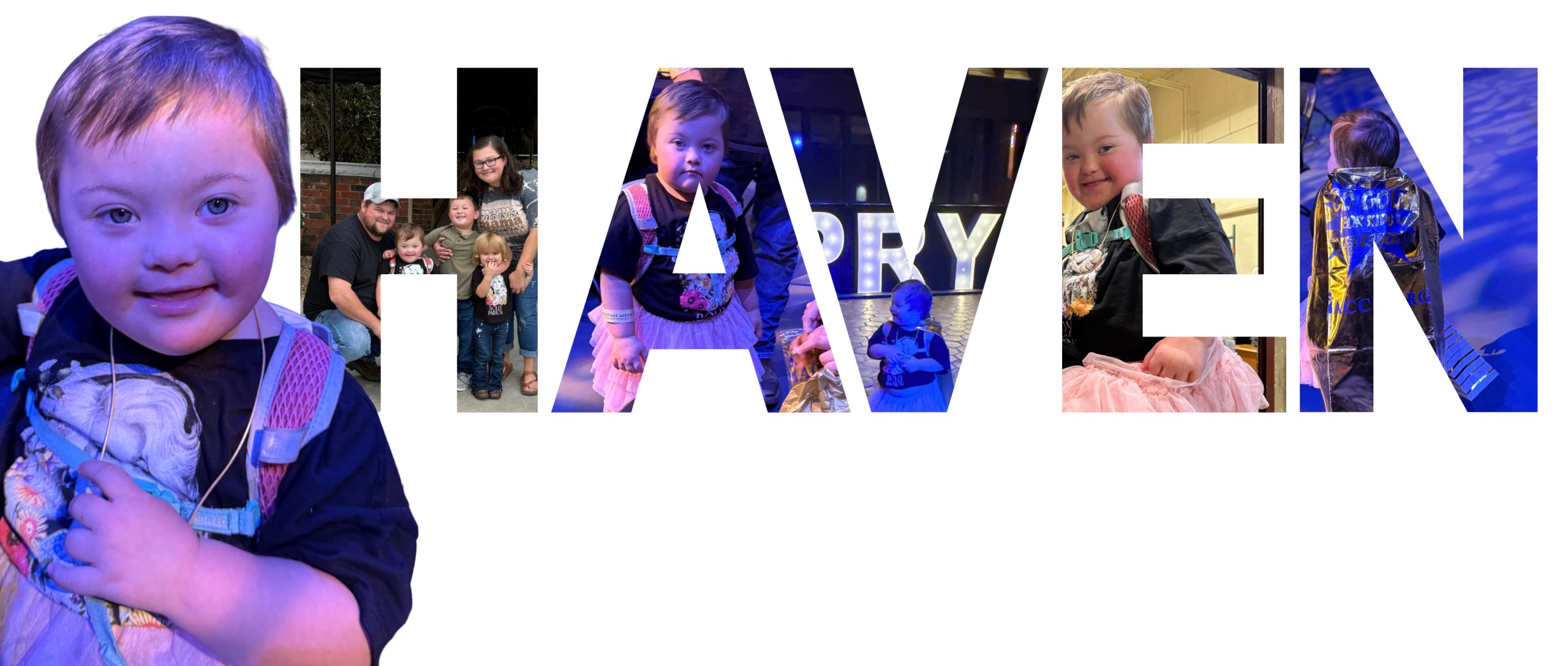
Haven, a four-year-old girl, was diagnosed with B-cell Acute Lymphoblastic Leukemia (ALL) in early March 2025. Her diagnosis was particularly complex due to her Down syndrome, a factor that often complicates pediatric oncology treatments due to increased sensitivity to certain chemotherapy agents. Haven’s journey began a week before her fourth birthday, replacing a planned celebration with hospitalizations and port placement surgery. After six months of intensive treatment, Haven has entered her first month of remission, though she continues to face a rigorous schedule of maintenance therapy. Her family noted that despite the physical toll of her treatment, her resilience remains a primary source of inspiration for her community.
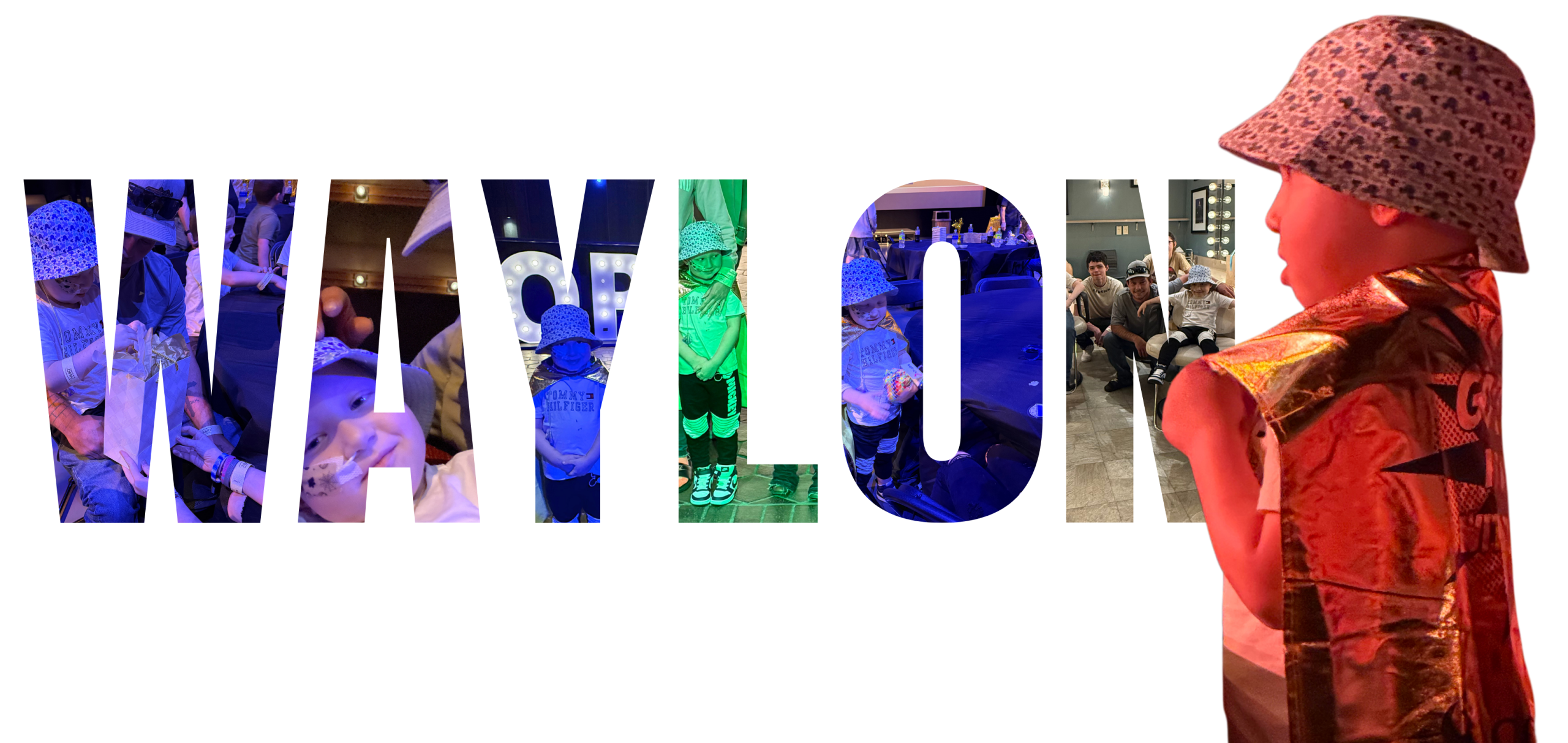
Waylon, a five-year-old boy, presented a different but equally harrowing medical narrative. Diagnosed on April 24, 2025, with large cell/anaplastic medulloblastoma and low-grade glioma (Grade 4, Stage M2), Waylon’s condition required immediate and aggressive intervention. His symptoms—persistent headaches, vomiting, and loss of balance—led to the discovery of a brain tumor. Since his diagnosis, Waylon has undergone two major brain surgeries, completed 33 of 37 scheduled rounds of chemotherapy, and finished a full course of radiation. His ability to maintain a sense of humor and a passion for video games during such intensive clinical cycles highlighted the psychological fortitude often seen in pediatric patients.
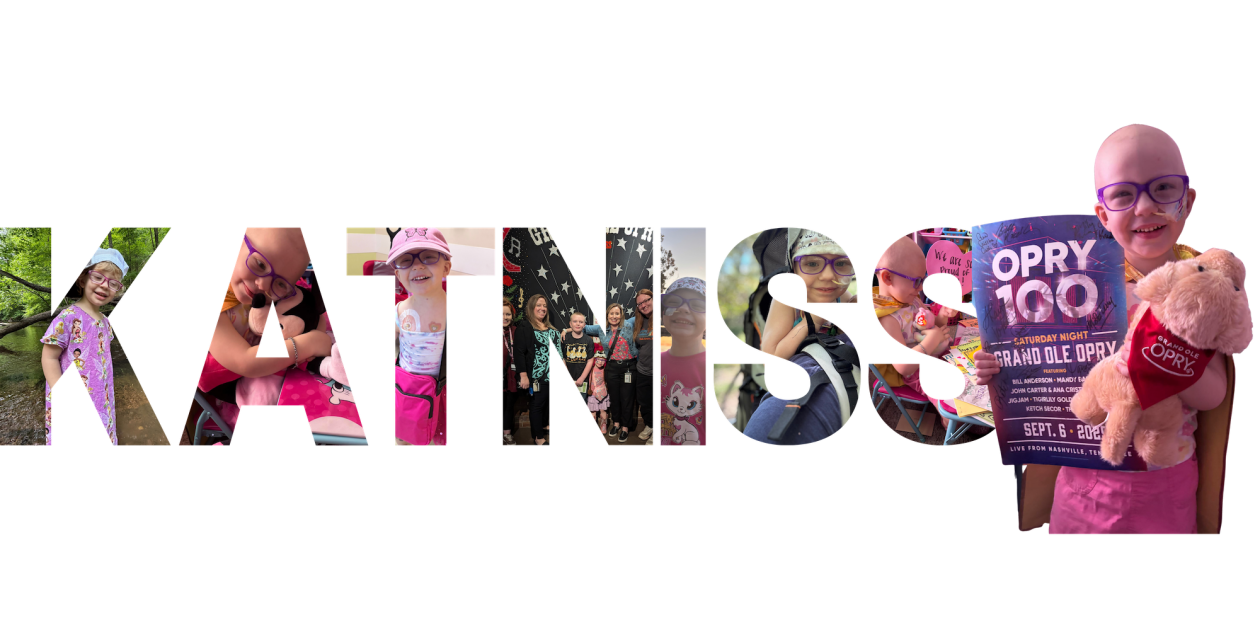
The event also highlighted the story of Katniss, a young girl diagnosed with leukemia in June 2025. Her case brought a unique generational perspective to the fundraiser, as her mother, Katherine, is also a survivor of childhood leukemia. This rare intersection of family history underscores the long-term impact of the disease and the necessity for continued research into late-stage effects and genetic predispositions.
The Artist Experience and Operational Logistics
The Grand Ole Opry provided the visiting families with an "Artist Experience," a behind-the-scenes look at the operations of the world’s longest-running radio show. Families were welcomed through the "Artist Entrance," the same portal used by members of the Country Music Hall of Fame. The logistical coordination involved private tours of the dressing rooms—each themed to honor different eras of country music—and the opportunity for the children to stand on the historic stage.
Following the meal and the conclusion of the cook-off, the families were honored during the live Grand Ole Opry broadcast. The ACCO was officially recognized as the beneficiary of the night’s efforts, broadcasting the message of childhood cancer awareness to a global audience via WSM-AM and digital streaming platforms. This integration of the fundraiser into the official Opry program significantly amplified the reach of the ACCO’s mission, moving beyond the physical confines of the Nashville venue.
Supporting Data and the Landscape of Pediatric Oncology
The funds raised during the chili cook-off are designated for ACCO programs, which include providing educational resources to families, advocating for increased federal research funding, and offering direct support to children undergoing treatment. The necessity of these programs is supported by sobering national statistics. While survival rates for some forms of pediatric cancer have improved significantly over the last 50 years, the incidence of childhood cancer has been slowly increasing.
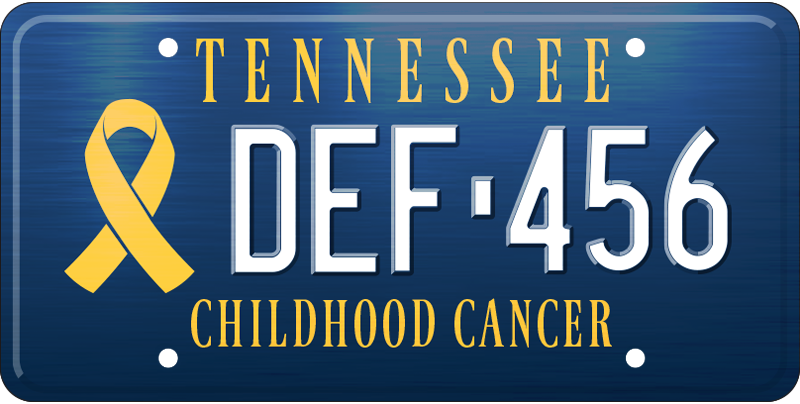
In Tennessee specifically, the ACCO is currently spearheading a legislative and public awareness campaign to introduce a specialized childhood cancer awareness license plate. To move into production, Tennessee state law requires at least 1,000 residents to register for the plate before June 30, 2025. This initiative serves two purposes: it generates recurring revenue for pediatric cancer research and ensures that the golden ribbon—the international symbol for childhood cancer—remains visible on the state’s roadways.
The Role of Corporate Social Responsibility in the Music Industry
The Grand Ole Opry’s decision to host and expand this fundraiser reflects a broader trend in corporate social responsibility (CSR) within the entertainment sector. By engaging employees in a grassroots-style event like a chili cook-off, the organization fosters internal morale while fulfilling its external philanthropic goals. For the ACCO, partnering with an institution like the Opry provides a level of visibility that is difficult to achieve through traditional fundraising methods.
As the oldest and largest grassroots childhood cancer organization in the U.S., the ACCO relies heavily on these types of community and corporate partnerships. Their signature events, such as "PJammin®" (where participants wear pajamas to school or work to honor children confined to hospital beds) and "GO GOLD®" (general awareness campaigns featuring the gold ribbon), are designed to be easily adaptable for corporate environments. The chili cook-off serves as a successful model of how a company can tailor these concepts to fit its specific brand identity and employee interests.
Looking Toward the Future
Following the success of this year’s event, Opry leadership has confirmed that the Employee Chili Cook-Off will become a permanent annual fixture on the organization’s calendar. Plans are already underway for the 2026 event, with discussions involving expanding the competition to include external partners and increasing the fundraising goal.
The long-term impact of the third annual cook-off extends beyond the immediate financial contributions. By bringing families like those of Haven, Waylon, and Katniss into the Opry family, the organization has contributed to a support network that mitigates the isolation often felt by those navigating a cancer diagnosis. As the ACCO continues its work on both a national and local level, the support from iconic institutions like the Grand Ole Opry remains a vital component of the fight against pediatric cancer.
Through the combination of community spirit, corporate engagement, and public awareness, the event demonstrated that even a simple bowl of chili can serve as a catalyst for significant social change. The Grand Ole Opry has once again proven that its influence resonates far beyond the notes played on its stage, reaching into the lives of those who need hope and support the most.
