
 By Budi Oetomo Narendra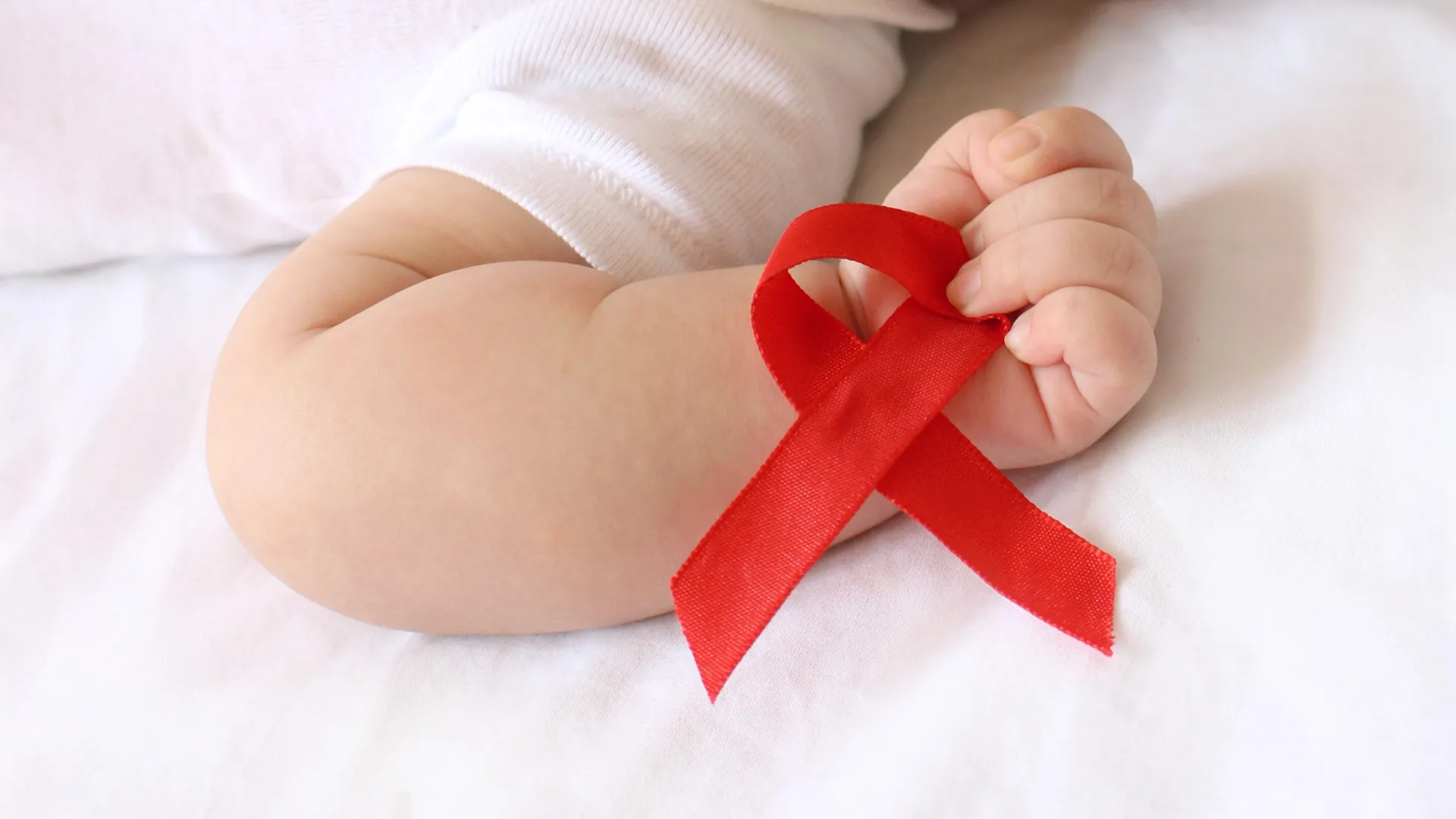
More than 120,000 babies around the world acquire HIV each year, a stark reminder of the persistent global challenge posed by the virus. For millions living with HIV, controlling the infection has historically meant adhering to lifelong antiretroviral treatment (ART), a regimen dependent on the accessibility and affordability of these vital medications. However, a recent study led by Oregon Health & Science University (OHSU) has illuminated a potentially revolutionary path forward, suggesting that a targeted combination of therapies administered to newborns within three days of birth could permanently eliminate the virus. Published in the esteemed journal Nature Microbiology, these findings represent a significant leap towards eradicating pediatric HIV and offer renewed hope for a future free from the burden of lifelong infection.
The study, a collaborative effort involving nonhuman primates at both the Oregon and California national primate research centers, centered on a tripartite therapeutic approach. Researchers administered a combination of neutralizing antibodies, standard antiretroviral therapy (ART), and an experimental monoclonal antibody known as leronlimab over several weeks. Historically, each of these treatments had been tested individually in various capacities, yet none had demonstrated the capacity for permanently clearing the virus. The synergistic effect observed when these three agents were combined was, therefore, a revelation that initially surprised even the lead researchers.
Dr. Jonah Sacha, co-lead author and a professor and chief of pathobiology and immunology at OHSU’s Oregon National Primate Research Center (ONPRC) and Vaccine and Gene Therapy Institute, expressed the profound excitement surrounding the results. "The really exciting part is that it could go to clinical trials immediately to eliminate HIV infection in newborns," Sacha stated, emphasizing the urgency and potential impact of the discovery. He further added that the subsequent phase of research would involve testing the efficacy of this combined regimen in newly exposed adults, potentially broadening its application beyond the neonatal period.
This breakthrough is a testament to persistent scientific inquiry and collaboration. Dr. Nancy Haigwood, a virologist and immunologist with decades of experience studying HIV antibodies and a former ONPRC director and OHSU professor, played a pivotal role in advocating for the combined therapy approach. While Dr. Sacha had contributed significantly to the development of leronlimab, which targets the CCR5 surface protein to prevent HIV entry into immune cells, he initially harbored skepticism about merely combining existing therapies. It was Dr. Haigwood’s conviction that pairing leronlimab with established HIV treatments could yield superior results that ultimately guided the experimental design. Upon witnessing the successful outcome, Haigwood remarked, "We were astounded and overjoyed, actually. It’s a remarkable result."
The Global Burden of Pediatric HIV: A Persistent Challenge
The statistic of over 120,000 babies acquiring HIV annually underscores a critical public health crisis. According to UNAIDS, in 2022, approximately 1.5 million children (0–14 years) were living with HIV globally, with a significant majority residing in sub-Saharan Africa. While considerable progress has been made in preventing mother-to-child transmission (PMTCT) through the provision of antiretroviral drugs to pregnant and breastfeeding women living with HIV, and to their infants, these interventions primarily aim to prevent transmission or suppress the virus, not to cure it.
For infants born with HIV, the prognosis has historically been grim without immediate intervention. Without treatment, about one-third of children infected with HIV at birth die by their first birthday, and half die by age two. Lifelong ART, while transformative, presents its own set of challenges, particularly in resource-limited settings. These include issues of drug accessibility, affordability, adherence to complex daily regimens, and the potential for long-term side effects. A permanent cure administered early in life would not only save countless lives but also alleviate the enormous physical, psychological, and economic burdens associated with managing a chronic condition from infancy. This new OHSU study directly addresses the urgent need for a definitive solution to pediatric HIV.
A Deeper Look at the Triple-Threat Approach
The efficacy of the OHSU-led study hinges on the synergistic action of three distinct therapeutic components:
-
Standard Antiretroviral Therapy (ART): This forms the foundational element of HIV treatment. ART drugs work by targeting various stages of the HIV life cycle, such as replication, integration, and assembly, thereby minimizing the virus’s ability to reproduce and spread within the body. While ART can effectively suppress viral load to undetectable levels, it does not eliminate the latent viral reservoirs—dormant HIV integrated into the host cell’s DNA—which allows the virus to rebound if treatment is interrupted. In the context of the combined therapy, ART serves to "turn off the faucet," significantly reducing the active viral load.
-
Neutralizing Antibodies: These specialized antibodies are part of the adaptive immune system, capable of recognizing and neutralizing pathogens. Broadly neutralizing antibodies (bNAbs) are particularly effective against HIV because they can target a wide range of viral strains. In the combination therapy, neutralizing antibodies act to "mop up" circulating HIV particles, reducing the overall viral presence in the body’s blood supply. Their role is to directly engage and disable free-floating virus, thereby limiting its ability to infect new cells.
-
Leronlimab (Monoclonal Antibody): This experimental monoclonal antibody represents a more targeted intervention. Leronlimab works by blocking the CCR5 co-receptor, a protein found on the surface of certain immune cells (like CD4+ T cells) that HIV commonly uses as a "doorway" to gain entry. By "sealing off" this entry point, leronlimab prevents new infections from occurring. Dr. Sacha elaborates, "For reasons we don’t understand, HIV really wants to use CCR5 receptors to infect cells. By blocking access, it’s like you’ve kept fuel away from the fire." This mechanism is crucial, especially in the early stages of infection when the virus is rapidly disseminating and seeking out new host cells. The success of CCR5 antagonists like maraviroc in adult HIV treatment highlights the therapeutic potential of this approach.
The brilliance of this combination lies in its multi-pronged attack. ART reduces replication, bNAbs clear circulating virus, and leronlimab prevents further cellular infection. This comprehensive assault appears to be uniquely effective in the very early window of infection, preventing the establishment of widespread latent reservoirs that have historically made HIV so challenging to cure.
A Historical Perspective on HIV/AIDS and the Quest for a Cure
The journey to understand and combat HIV/AIDS has been one of the most defining medical sagas of the past four decades. First identified in the early 1980s, HIV quickly escalated into a global pandemic, claiming millions of lives and challenging medical science like never before. The introduction of AZT in 1987 marked the first approved antiretroviral drug, offering a glimmer of hope. However, it was the advent of Highly Active Antiretroviral Therapy (HAART) in the mid-1990s that truly revolutionized HIV treatment, transforming what was once a rapidly fatal disease into a manageable chronic condition.
Despite these advancements, the dream of a permanent cure remained elusive. Efforts focused on eradicating latent viral reservoirs, which act as hidden sanctuaries for the virus, allowing it to persist even under effective ART. Notable cases like the "Berlin Patient" (Timothy Ray Brown) and the "London Patient" (Adam Castillejo), who achieved long-term remission after bone marrow transplants for cancer from donors with a natural genetic resistance to HIV (CCR5-delta 32 mutation), provided proof of concept that a cure was possible. However, such aggressive and risky procedures are not scalable or applicable to the vast majority of people living with HIV.
In the context of pediatric HIV, there have been other attempts at early intervention, most famously the "Mississippi Baby." This infant, born to an HIV-positive mother, received aggressive ART within hours of birth and appeared to be functionally cured, remaining off medication for over two years with no detectable virus. Tragically, the virus eventually rebounded, highlighting the immense difficulty of truly eradicating HIV, especially the latent reservoirs. This historical context underscores the significance of the OHSU study, as it proposes a novel combination that appears to overcome the challenges faced by previous attempts at early intervention.
Path to Human Trials and Broader Implications
The promising results from the nonhuman primate study pave the way for human clinical trials. Given that antiretroviral therapy is already approved for human use, and broadly neutralizing antibodies and leronlimab are currently being evaluated separately in other clinical trials, the regulatory pathway for testing their combination may be expedited. Researchers anticipate that initial studies would likely involve adults who have been recently exposed to HIV, allowing for robust safety and efficacy data collection before progressing to trials with newborns.
If proven successful in humans, this strategy could profoundly alter the landscape of the global HIV epidemic. With approximately 600,000 people still dying from HIV-related causes worldwide each year, a permanent cure for newborns would not only prevent new infections from becoming lifelong burdens but also potentially offer a model for early intervention in adults. The scientific community holds optimism, acknowledging the significant anatomical and physiological similarities between nonhuman primates and humans, suggesting a high likelihood of translational success.
However, the implementation of such a strategy would not be without its challenges. Rapid diagnosis of HIV in newborns is paramount, as the study highlights the critical importance of administering the treatment within the first 72 hours of infection. This necessitates robust screening programs for pregnant women and efficient diagnostic capabilities in birthing facilities, particularly in resource-limited settings where the burden of pediatric HIV is highest. Questions of affordability and accessibility of this multi-drug regimen will also need to be addressed to ensure equitable distribution and impact globally.
Economically, the long-term benefits of a cure could outweigh the upfront costs. The expense of lifelong ART, coupled with the healthcare infrastructure required for monitoring and support, represents a significant financial commitment for individuals and healthcare systems alike. A short-term curative regimen, if successful, could dramatically reduce these long-term expenditures and free up resources.
Unanswered Questions and Future Directions
Despite the groundbreaking nature of these findings, several critical questions remain. Researchers do not yet fully understand the precise mechanisms by which the combined treatment achieved such complete viral clearance. While the individual roles of ART, bNAbs, and leronlimab are understood, their synergistic interaction at a cellular and immunological level warrants further investigation. Dr. Sacha and Dr. Haigwood emphasized that the three therapies appear to be far more potent together than individually, suggesting a complex interplay that warrants deeper study.
Another crucial area of inquiry concerns the optimal "treatment window." In the current study, the combined regimen was administered only within 72 hours of initial infection. "We only tested out to three days," Sacha noted. "Could it work a week after infection? Two weeks? How far can you go after infection, and still purge the virus?" Answering these questions will be vital for determining the broader applicability of the treatment, potentially extending its reach to infants diagnosed later or even to older children and adults with very recent infections. Dr. Haigwood believes that the first week of infection is a highly dynamic period, suggesting that early intervention may be key to disrupting the establishment of viral reservoirs.
The research was supported by substantial funding from the National Institutes of Health, including Award Numbers R01HD080459 from the Eunice Kennedy Shriver National Institute of Child Health and Human Development (NICHD); R01AI154559, R01AI166969, and R01AI129703 from the National Institute of Allergy and Infectious Diseases (NIAID); K01OD036063 from the Office of the Director (OD), NIH; P51OD011092 and U42OD010426 from the Office of Research Infrastructure Programs (ORIP), NIH, to the Oregon National Primate Research Center; and P51OD011107 from ORIP, NIH, to the California National Primate Research Center. The content of this research is solely the responsibility of the authors and does not necessarily represent the official views of the NIH.
The OHSU-led study marks a pivotal moment in the fight against HIV. By demonstrating a potent, early-stage intervention capable of permanently eliminating the virus in a relevant animal model, it has reignited hope for a true cure, particularly for the most vulnerable among us—newborns. As this research progresses towards human clinical trials, the global community watches with bated breath, anticipating a future where pediatric HIV is no longer a lifelong sentence but a treatable condition with a definitive end.
