
 By Gabriel Paijo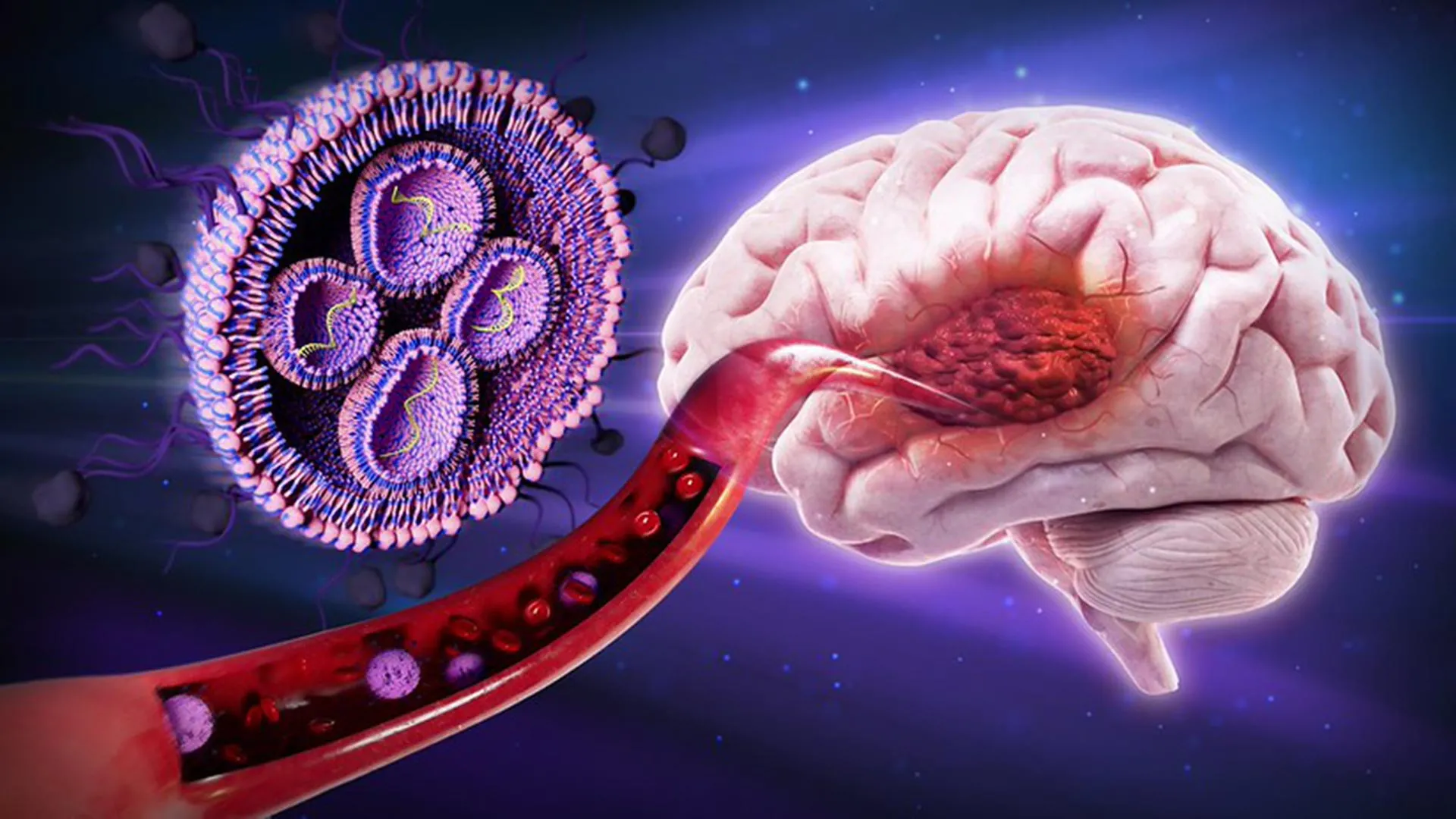
In a significant advancement for neuro-oncology, a multidisciplinary team of researchers at Oregon State University (OSU) has engineered a novel experimental strategy to treat glioblastoma, the most lethal and aggressive primary brain tumor in adults. The study, which utilizes sugar-coated lipid nanoparticles to deliver genetic instructions directly to cancer cells, offers a potential breakthrough for a disease that has remained largely resistant to conventional therapies for decades. Glioblastoma is characterized by its rapid progression and a grim prognosis; currently, fewer than 30% of patients survive for two years following their initial diagnosis, and the five-year survival rate remains a staggering 5% or less. The OSU research, led by Professors Oleh Taratula, Olena Taratula, and Yoon Tae Goo of the College of Pharmacy, addresses the two most formidable obstacles in brain cancer treatment: the impenetrable nature of the blood-brain barrier and the difficulty of targeting malignant cells without damaging the surrounding healthy brain tissue.
The Biological Fortress: Understanding the Blood-Brain Barrier
The primary reason glioblastoma remains so difficult to treat is the blood-brain barrier (BBB). The BBB is a highly selective semipermeable border of endothelial cells that prevents solutes in the circulating blood from non-selectively crossing into the extracellular fluid of the central nervous system where neurons reside. While this barrier is essential for protecting the brain from pathogens and toxins, it also serves as a nearly insurmountable wall for most chemotherapeutic agents. Historically, more than 98% of small-molecule drugs and nearly 100% of large-molecule drugs (such as proteins or gene therapies) are unable to cross the BBB in therapeutic concentrations.
To bypass this biological fortress, the OSU team turned to biomimicry. They recognized that while the brain excludes most substances, it actively "invites" energy sources, specifically glucose, to fuel its high metabolic demands. The brain consumes approximately 20% of the body’s total glucose, transporting it across the BBB via specialized proteins known as glucose transporters, specifically GLUT1. By coating their nanoparticles in mannose—a sugar closely related to glucose—the researchers effectively created a "Trojan Horse." The GLUT1 transporters recognize the mannose on the surface of the nanoparticles and usher them across the barrier and into the brain.
The Innovation of Mannose-Cholesterol Conjugation
The central innovation of the study lies in the chemical engineering of the nanoparticle’s surface. While using sugar to target GLUT1 is not a entirely new concept, previous attempts often failed because the sugar coating was not dense enough to compete with the high levels of glucose already present in the bloodstream. As Oleh Taratula explained, the nanoparticles must compete for the attention of the GLUT1 transporters. To overcome this, the OSU team chemically connected mannose to cholesterol, which is a fundamental structural component of the lipid nanoparticles.
This chemical linkage allowed the researchers to increase the surface coverage of the sugar by sixfold compared to previous methods. This high-density coating ensures that the nanoparticles have a high affinity for the GLUT1 transporters, allowing them to be prioritized for transport across the blood-brain barrier even in the presence of circulating glucose. Once inside the brain, the strategy takes advantage of another biological vulnerability of glioblastoma: its metabolic hunger. Because glioblastoma tumors grow so rapidly, they require massive amounts of energy and express GLUT1 at levels three times higher than normal brain tissue. This disparity causes the nanoparticles to preferentially accumulate within the tumor itself, sparing healthy neurons and reducing the risk of systemic toxicity.
Delivering the Genetic "Kill Switch": The Role of PTEN
The payload carried by these sugar-coated nanoparticles is messenger RNA (mRNA) designed to produce PTEN (Phosphatase and tensin homolog). PTEN is a potent tumor-suppressor protein that acts as a "brake" on cell division. In many forms of cancer, and particularly in glioblastoma, the gene responsible for producing PTEN is either mutated, deleted, or silenced. Without PTEN, the signaling pathways that drive cell growth remain permanently "on," leading to the rapid, uncontrolled proliferation characteristic of Grade IV astrocytomas.
By delivering mRNA directly into the tumor cells, the OSU researchers are essentially "re-installing" the cell’s missing instructions. Once the nanoparticles enter the glioblastoma cells, the cellular machinery reads the mRNA and begins producing functional PTEN proteins. This restores the cell’s ability to regulate its own growth and can trigger apoptosis, or programmed cell death, in the malignant tissue. To ensure the fragile mRNA remains intact during its journey through the bloodstream and across the BBB, the team incorporated a positively charged cholesterol derivative into the lipid nanoparticle shell. This derivative creates an electrostatic bond with the negatively charged mRNA, shielding it from enzymatic degradation.
Clinical Findings and Survival Data
The efficacy of this approach was tested in a sophisticated mouse model of glioblastoma. The results, published in the Journal of Controlled Release, demonstrated a profound therapeutic impact. Mice treated with the mannose-coated, PTEN-mRNA nanoparticles showed a 50% increase in median survival time compared to control groups. Furthermore, the researchers observed significant tumor shrinkage across repeated dosing cycles.
One of the most promising aspects of the data was the lack of organ toxicity. Traditional chemotherapy is often limited by "off-target" effects, where the drug kills healthy cells in the liver, kidneys, or bone marrow. However, because the OSU nanoparticles are specifically "tuned" to the GLUT1 overexpression found in glioblastoma, they remained concentrated in the brain tumors. Extensive pathological examinations of the treated mice revealed no measurable damage to major organs, suggesting that the treatment could be well-tolerated in future human clinical trials.
The Context of Glioblastoma and Current Standards of Care
To understand the weight of this discovery, it is necessary to examine the current standard of care for glioblastoma, often referred to as the Stupp Protocol. This regimen typically involves maximal surgical resection (removing as much of the tumor as possible), followed by concurrent radiation and chemotherapy with the drug temozolomide. Despite this aggressive approach, glioblastoma almost invariably recurs because microscopic "tentacles" of the tumor often extend into healthy brain tissue where they cannot be safely removed by a surgeon or reached by standard drugs.
In the United States, glioblastoma affects approximately 3.19 people per 100,000 annually. It is more prevalent in males and is most commonly diagnosed in individuals around the age of 64. The relentless nature of the disease has led to it being described as "the graveyard of drug development," as hundreds of clinical trials over the last two decades have failed to significantly move the needle on survival rates. The OSU research represents a shift toward "smart" therapeutics that utilize the tumor’s own metabolic reprogramming against itself.
Collaborative Research and Institutional Support
The study was a collaborative effort involving several key researchers from the OSU College of Pharmacy, including Vincent Cataldi, Vladislav Grigoriev, Neera Yadav, Tetiana Korzun, Chao Wang, and Adam Alani. The multidisciplinary nature of the team—combining expertise in pharmacology, nanotechnology, and oncology—was essential for solving the complex engineering hurdles associated with nanoparticle stability and transport.
The research was supported by significant federal and international funding, reflecting the high level of interest in mRNA-based therapies following their successful deployment in COVID-19 vaccines. Grants were provided by the National Cancer Institute (NCI) of the National Institutes of Health (NIH), the Eunice Kennedy Shriver National Institute of Child Health and Human Development, and the National Research Foundation of Korea. This level of institutional backing underscores the potential for the OSU strategy to transition from a laboratory setting into clinical development.
Broader Implications for mRNA Therapy and Neurology
The implications of this research extend far beyond glioblastoma. The successful delivery of mRNA across the blood-brain barrier using a sugar-coated nanoparticle platform could theoretically be adapted for a wide range of neurological disorders. If researchers can deliver PTEN to suppress tumors, they might also deliver other genetic instructions to treat neurodegenerative diseases like Alzheimer’s, Parkinson’s, or Huntington’s disease, all of which are currently hampered by the difficulty of getting large-molecule therapeutics into the brain.
Furthermore, the study validates the use of lipid nanoparticles (LNPs) as a versatile delivery system for oncology. While LNPs gained global fame through the Pfizer-BioNTech and Moderna vaccines, their application in cancer treatment represents the next frontier of precision medicine. By customizing the "targeting ligands" on the surface of the nanoparticle—in this case, mannose—scientists can essentially "address" a package of genetic medicine to any specific cell type in the body.
Analysis of Future Challenges
While the results in the mouse model are highly encouraging, the transition to human patients involves several hurdles. Human brains are significantly larger and more complex than those of mice, and the blood-brain barrier in humans may present different transport kinetics. Additionally, glioblastoma is known for its extreme "heterogeneity," meaning that different parts of the same tumor can have different genetic mutations. A treatment that restores PTEN may be highly effective for some cells but less so for others that have different drivers of growth.
However, the OSU team’s approach of using the GLUT1 transporter is particularly robust because almost all glioblastoma cells, regardless of their specific genetic mutations, require high levels of glucose to survive. This "metabolic signature" provides a universal target that is less likely to be bypassed by the tumor’s ability to evolve and develop resistance.
The next steps for the OSU researchers will likely involve refining the dosing schedules and conducting further safety studies in larger animal models. If these tests are successful, the team could move toward Phase I clinical trials, offering a new glimmer of hope to thousands of patients and families facing a glioblastoma diagnosis. As Olena Taratula noted, the ability to reinstate growth control through PTEN expression, without measurable toxicity, marks a pivotal moment in the quest to turn this deadly cancer into a manageable, or even curable, condition.
