
 By Nana O
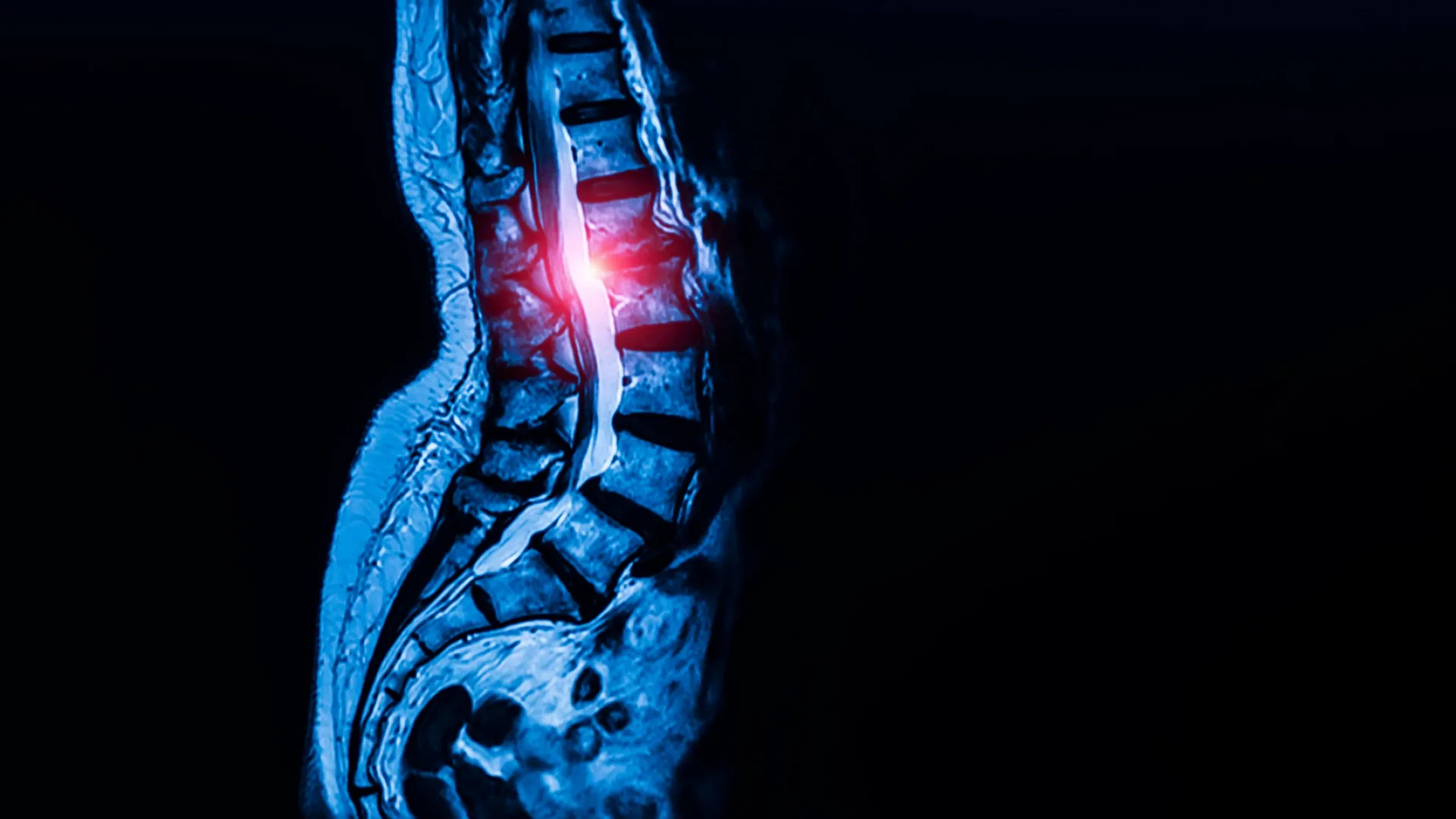
Researchers at Weill Cornell Medicine and the Hospital for Special Surgery (HSS) have achieved a significant breakthrough, identifying a previously elusive population of stem cells believed to be the fundamental architects of the body’s tendons and ligaments. This groundbreaking discovery not only sheds light on the intricate mechanisms of connective tissue development but also offers a promising new avenue for treating lumbar spinal stenosis, a debilitating condition affecting millions worldwide. The findings, published on September 7th in the prestigious journal Cell, have the potential to revolutionize the understanding and management of various musculoskeletal disorders.
For decades, scientists have sought to pinpoint the specific progenitor cells responsible for generating the body’s robust connective tissues. Tendons, which anchor muscles to bones, and ligaments, which connect bones to each other, are crucial for joint stability, mobility, and overall musculoskeletal function. However, their cellular composition, characterized by abundant fibroblast-like cells that share a similar appearance, has made it exceedingly challenging to isolate and characterize distinct stem cell populations. This inherent difficulty meant that while various candidate stem cells were proposed, none had definitively demonstrated the capacity for both self-renewal and the generation of the full spectrum of mature tendon and ligament cell types.
The Quest for the "Master Builders" of Connective Tissue
The research team, led by co-corresponding authors Dr. Matthew Greenblatt, a Rohr Family Research Scholar and associate professor of pathology and laboratory medicine at Weill Cornell Medicine, and Dr. Sravisht Iyer, an associate professor of orthopedics at Weill Cornell Medicine and a spine surgeon at HSS, embarked on a meticulous investigation to identify these critical stem cells. Their journey builds upon previous successes in identifying other crucial skeletal stem cell populations. In 2018, Dr. Greenblatt’s group made headlines for identifying the stem cell responsible for fracture repair in the outer layer of bone. Subsequent research from the lab elucidated the roles of stem cells involved in forming the skull and spine, underscoring their expertise in skeletal development.
The challenge with tendons and ligaments, however, presented a unique hurdle. Unlike bone, which has more distinct cellular markers, the uniformity of fibroblast-like cells within connective tissues obscured clear distinctions between cell types. "We analyzed thousands of individual cells and sorted them into individual cell types. Then we identified which one had the properties we associate with ‘stemness’," explained Dr. Greenblatt. This painstaking process involved advanced single-cell sequencing and sorting technologies, allowing researchers to dissect the cellular landscape with unprecedented resolution.
"Stemness," in this context, refers to the critical attributes of a rare cell population: the ability to continually divide and create more of itself (self-renewal) while also possessing the potential to differentiate into the specialized, mature cells required to build and maintain tendon and ligament tissues. Through extensive experimentation in mouse models, the researchers located these pivotal stem cells residing within specialized niches in tendons and ligaments, suggesting these areas act as natural reservoirs for tissue growth and ongoing repair.
Translating Mouse Discoveries to Human Applications
With a clear identification in mice, the team then turned its attention to validating their findings in human tissue. Dr. Iyer, leveraging his surgical practice at HSS, provided human ligament samples. These samples were obtained from tissue removed during surgical procedures from patients who had given their informed consent, ensuring ethical research practices. The research team, including first author Dr. Lingling Hu, a postdoctoral fellow in both Dr. Greenblatt’s and Dr. Iyer’s labs, meticulously confirmed that the human cells exhibited the same crucial properties: the capacity for self-renewal and the generation of mature ligament cells.
The universality of this stem cell population became apparent as the researchers investigated its presence across various anatomical locations. "We looked in the kneecap ligament; we looked at the Achilles tendon; and everywhere we looked, we found this cell," Dr. Greenblatt stated. This suggests that these newly identified cells are not confined to specific regions but rather serve as the fundamental, body-wide stem cell source for all tendons and ligaments. This broad distribution has significant implications for understanding a wide array of connective tissue disorders.
Unraveling the Link to Lumbar Spinal Stenosis
The discovery of this universal connective tissue stem cell opened a new frontier in understanding lumbar spinal stenosis. This condition, affecting an estimated 103 million individuals globally, occurs when the spinal canal narrows, often due to the thickening of ligaments. This narrowing can compress spinal nerves, leading to excruciating pain, numbness, and significant mobility issues, impacting the quality of life for a substantial portion of the population. Current treatment options for severe cases are often limited to invasive surgery.
The researchers hypothesized that an overactivation of these newly identified stem cells in the lower spine might contribute to the excessive ligament thickening characteristic of lumbar spinal stenosis. To test this, they compared stem cells harvested from the spinal ligaments of patients diagnosed with spinal stenosis with those collected from individuals with herniated discs but no signs of stenosis. The study meticulously adhered to ethical guidelines, with all patients providing informed consent pre-operatively.
The results were striking: ligaments from patients with spinal stenosis contained a significantly higher number of these specialized stem cells. Furthermore, when these excess stem cells were transplanted into mouse models, they demonstrated a propensity to generate more tendon cells compared to stem cells derived from individuals without stenosis. "Though spinal stenosis is a complex condition, this really showed us that these cells are contributing to the pathology," Dr. Greenblatt affirmed, highlighting the direct link between the stem cell population and the disease’s progression.
Delving into Cellular Mechanisms: The Role of Calcium Signaling
Beyond identifying the increased presence of these stem cells in spinal stenosis, the research team delved deeper into the underlying cellular mechanisms. They observed that stem cells associated with stenosis exhibited heightened calcium signaling compared to their healthy counterparts. Calcium signaling is a fundamental cellular process involved in intracellular communication and the regulation of critical functions, including cell growth and activity.
Intrigued by this observation, the researchers conducted further experiments. They found that by genetically increasing calcium signaling in stem cells from healthy ligaments, they could induce excessive tissue growth, mimicking the pathological changes seen in spinal stenosis. Conversely, when they reduced calcium signaling in a mouse model of lumbar spinal stenosis, the abnormal cell growth was effectively halted.
A Promising Therapeutic Target: Calcium Channel Blockers on the Horizon
This critical finding has profound therapeutic implications. The discovery that calcium signaling plays a pivotal role in the aberrant growth of connective tissue stem cells in spinal stenosis suggests that targeting this pathway could offer a novel treatment strategy. Specifically, the researchers pointed to calcium channel blockers, a class of medications already widely prescribed for managing high blood pressure, as a potential therapeutic agent for spinal stenosis.
"This is probably the first work that’s shown a potential therapeutic target for one of the most common spine conditions in the world," commented Dr. Iyer, emphasizing the significance of this discovery for patients with limited treatment options. While further extensive clinical trials will be essential to ascertain the safety and efficacy of calcium channel blockers for spinal stenosis, this research provides a robust scientific rationale for their investigation.
Broader Implications and Future Directions
The implications of this discovery extend far beyond lumbar spinal stenosis. Dr. Greenblatt intends to explore whether these newly identified stem cells are implicated in other connective tissue disorders. Conditions such as Marfan syndrome, a genetic disorder that affects connective tissues throughout the body, and Ehlers-Danlos syndromes are prime candidates for further investigation.
Moreover, understanding the role of these stem cells could unlock crucial insights into why certain tendon and ligament injuries prove so challenging to heal. This includes common and often debilitating injuries such as rotator cuff tears, Achilles tendon ruptures, and chronic tendon degeneration. The research also holds promise for improving outcomes in ligament reconstruction surgeries.
"Given that this cell appears to be the ultimate origin of all tendon and ligament cells, defects in this cell are likely at the heart of a wide range of tendon and ligament disorders," Dr. Greenblatt concluded, underscoring the central role of this stem cell population in musculoskeletal health and disease.
The research was generously supported by a multitude of grants and foundations, including the Marfan Foundation’s Victor A. McKusick Fellowship, a Kellen Scholars Award, the Children’s Tumor Foundation, the Arthritis National Research Foundation, a Jumpstart award from Weill Cornell, a National Research Foundation of Korea award, the National Institutes of Health, a MIND Prize from the Pershing Square Foundation, a Mary Kay Ash Foundation Award, an Innovator Award from the Marfan Foundation, and a Burroughs Wellcome Career Award for Medical Scientists. This collaborative effort highlights the multifaceted support driving significant advancements in biomedical research. The identification of this foundational stem cell population marks a pivotal moment, offering renewed hope for millions suffering from debilitating connective tissue disorders and paving the way for innovative therapeutic interventions.
