
 By admin
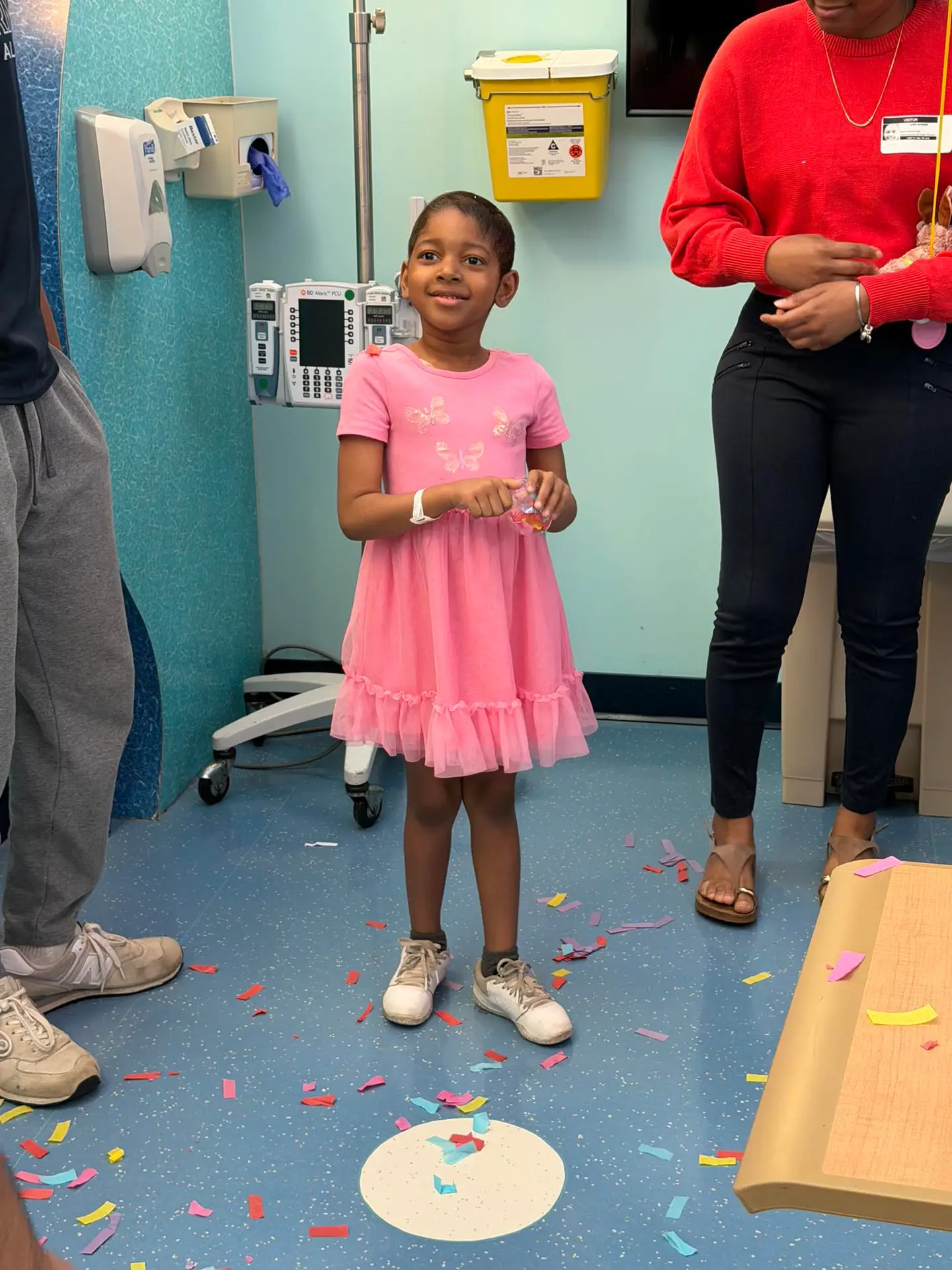
The trajectory of a family’s life can pivot on a single observation, often occurring in the quietest hours of the night. For Cora H. and her daughter, Amari, that pivot occurred on a standard school night, transitioning from a routine evening into a medical emergency that would span months of intensive clinical intervention. What began as an alarming discovery of blood in Amari’s urine led to a 3:00 AM diagnosis in an emergency room hallway, where physicians confirmed the presence of a renal mass. This event marked the beginning of Amari’s confrontation with a Stage 3 anaplastic Wilms tumor, a rare and aggressive form of pediatric kidney cancer that requires a multidisciplinary approach to treatment, including chemotherapy, complex surgery, and long-term survivorship monitoring.
The Clinical Presentation and Initial Diagnosis
Wilms tumor, or nephroblastoma, is the most common type of kidney cancer in children, accounting for approximately 90% of pediatric renal tumors. However, the diagnosis delivered to Amari’s family carried additional gravity. The tumor was identified as having anaplastic histology. In the field of pediatric oncology, "anaplastic" refers to cells that look significantly different from normal cells under a microscope, often indicating a more aggressive growth pattern and a higher resistance to standard chemotherapy treatments compared to "favorable histology" Wilms tumors.
The initial prognosis for Amari suggested the necessity of a radical nephrectomy—the total removal of the affected kidney. However, the medical team at the treating facility opted for a strategic approach involving preoperative chemotherapy. This protocol is often utilized to shrink the tumor mass, potentially allowing for a nephron-sparing surgery. After weeks of systemic treatment, surgeons were able to perform a successful resection that preserved approximately 60 percent of Amari’s healthy kidney tissue. This preservation is a critical factor in long-term health, as it reduces the risk of chronic kidney disease and hypertension later in life, issues that frequently plague childhood cancer survivors who undergo total organ removal.
A Chronology of Treatment and Resilience
The surgical success was merely a milestone in a much longer clinical journey. Following the resection, Amari was required to undergo 32 weeks of adjuvant chemotherapy to address the Stage 3 classification and the aggressive nature of the anaplastic cells. This stage of treatment involves a rigorous schedule of intravenous medications designed to eradicate any residual microscopic disease.
Throughout this eight-month period, the physical and emotional toll on the patient and the family unit was substantial. Pediatric oncology treatment often involves significant side effects, including neutropenia (a low white blood cell count that increases infection risk), severe fatigue, and gastrointestinal distress. Despite these challenges, Amari’s family maintained a policy of transparency. Cora H. emphasized the importance of honesty with her daughters, ensuring they understood each step of the medical process. This psychological approach is supported by child life specialists, who argue that providing age-appropriate information helps reduce anxiety and fosters a sense of agency in pediatric patients.
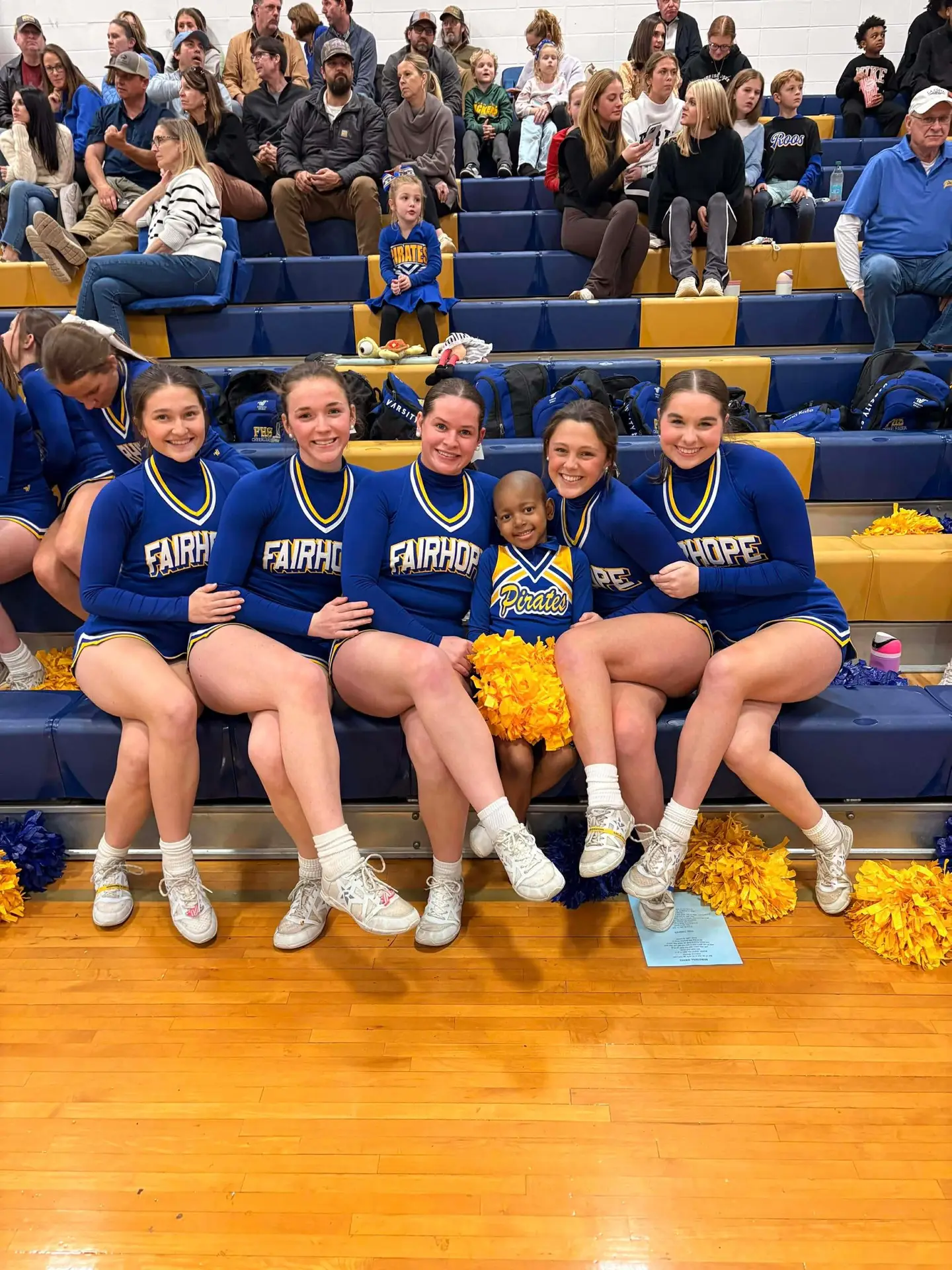
Amidst the cycles of chemotherapy, Amari continued to pursue her interest in cheerleading. Her engagement with her teammates and a morale-boosting meeting with the Dallas Cowboys Cheerleaders served as vital psychosocial support. Such interactions are increasingly recognized in the medical community as "integrative oncology" components that contribute to a patient’s overall well-being and resilience during prolonged hospitalizations.
The Symbolism of the Bell and the Transition to Survivorship
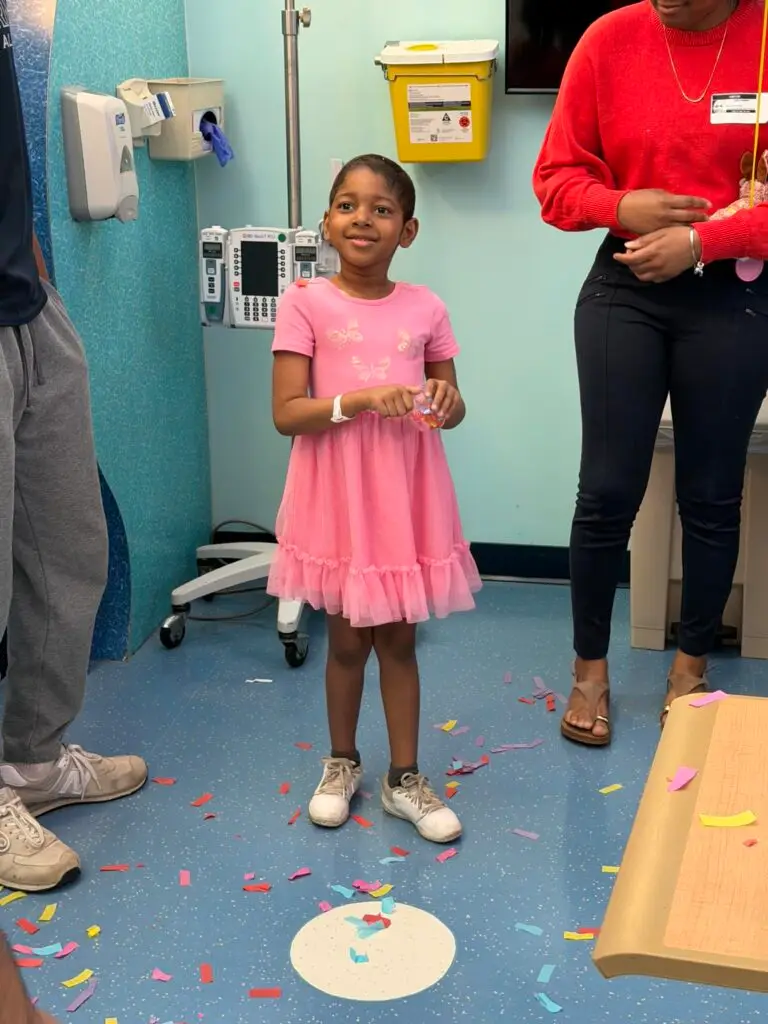
The culmination of Amari’s treatment was marked by a traditional ceremony common in oncology wards worldwide: the ringing of the bell. This ritual serves as a symbolic end to active treatment and a transition into the survivorship phase. For Amari, the event took on added emotional significance as it coincided with the birthday of her late grandmother. Surrounded by a care team of doctors, nurses, and family members, the ringing of the bell signified the successful completion of a grueling 32-week regimen.
Today, Amari has officially entered the "survivorship" phase of her journey. In clinical terms, survivorship begins the day of diagnosis and continues throughout the remainder of the patient’s life. For a Stage 3 anaplastic Wilms tumor survivor, this involves regular follow-up imaging (such as CT scans or ultrasounds) and blood work to monitor for potential recurrence or late-onset side effects of the chemotherapy.
Statistical Context and the Importance of Pediatric Research
Amari’s story is a localized example of a broader national health challenge. According to data from the American Cancer Society, approximately 9,910 children under the age of 15 will be diagnosed with cancer in the United States in 2024. While survival rates for pediatric cancers have improved significantly over the last several decades—rising from less than 50% in the 1970s to over 85% today—certain diagnoses, such as anaplastic Wilms tumors, remain more difficult to treat and require more intensive research.
The month of June is designated as National Cancer Survivors Month, a time dedicated to recognizing the millions of individuals living with a history of cancer. There are currently more than 18 million cancer survivors in the United States, a number projected to reach 26 million by 2040. Among these, pediatric survivors represent a unique demographic. Because their bodies were still developing during treatment, they face a higher risk of "late effects," which can include heart damage, secondary cancers, and cognitive changes.
Research organizations like CureSearch for Children’s Cancer focus specifically on the "gap" in pediatric funding. Historically, pediatric cancer research receives a fraction of the federal funding allocated to adult cancers. This disparity means that many treatments used for children are actually "repurposed" adult medications, which can be overly toxic for a child’s smaller, developing organs. The success of Amari’s treatment, particularly the preservation of her kidney, highlights the advancements in surgical techniques and personalized medicine that are only possible through targeted pediatric research.
Broader Implications and Official Perspectives
The implications of cases like Amari’s extend beyond the individual family to the medical community at large. Oncologists and researchers point to several key takeaways from her successful treatment trajectory:
- Early Detection and Symptom Awareness: The rapid response to Amari’s initial symptom (hematuria) was vital. Public health experts continue to advocate for parental awareness of "red flag" symptoms in children, such as unusual lumps, unexplained bruising, or changes in urinary habits.
- The Value of Nephron-Sparing Surgery: Amari’s case underscores the importance of surgical innovation. Preserving 60% of a kidney significantly alters the long-term quality of life for a pediatric survivor, shifting the focus from mere survival to "thriving" in the decades to follow.
- Psychosocial Support Systems: The involvement of community groups, such as the cheerleading squad and the Dallas Cowboys organization, illustrates the "whole-patient" approach. Modern oncology increasingly recognizes that emotional health is inextricably linked to physical recovery.
In a statement regarding the importance of Cancer Survivors Month, advocacy leaders noted that every child who rings the bell represents a triumph of both the human spirit and scientific progress. However, they also cautioned that the work is far from finished. For the 15% of children who do not survive their diagnosis, and for those who survive with life-altering side effects, the push for less toxic and more effective therapies remains an urgent priority.
Conclusion: A Legacy of Hope
Amari is currently described as "thriving," with interests ranging from K-pop and Demon Slayer to dancing and her ongoing passion for cheerleading. Her story serves as a case study in the efficacy of modern pediatric oncology when combined with early intervention and a robust support network. As she moves forward in her survivorship, her journey remains a testament to the necessity of continued investment in pediatric-specific medical research.
The sound of the bell ringing in the hospital hallway is more than a signal of the end of chemotherapy; it is a call to action for the medical community and the public. During Cancer Survivors Month, Amari’s transition from a patient with a life-threatening tumor to a thriving student and athlete provides a powerful narrative of what is possible when medical expertise meets familial resilience. Her journey ensures that the focus remains on the thousands of other children still waiting for their turn to ring the bell and move toward a future defined not by their diagnosis, but by their dreams.
