
 By Suherman Candra Maholtra
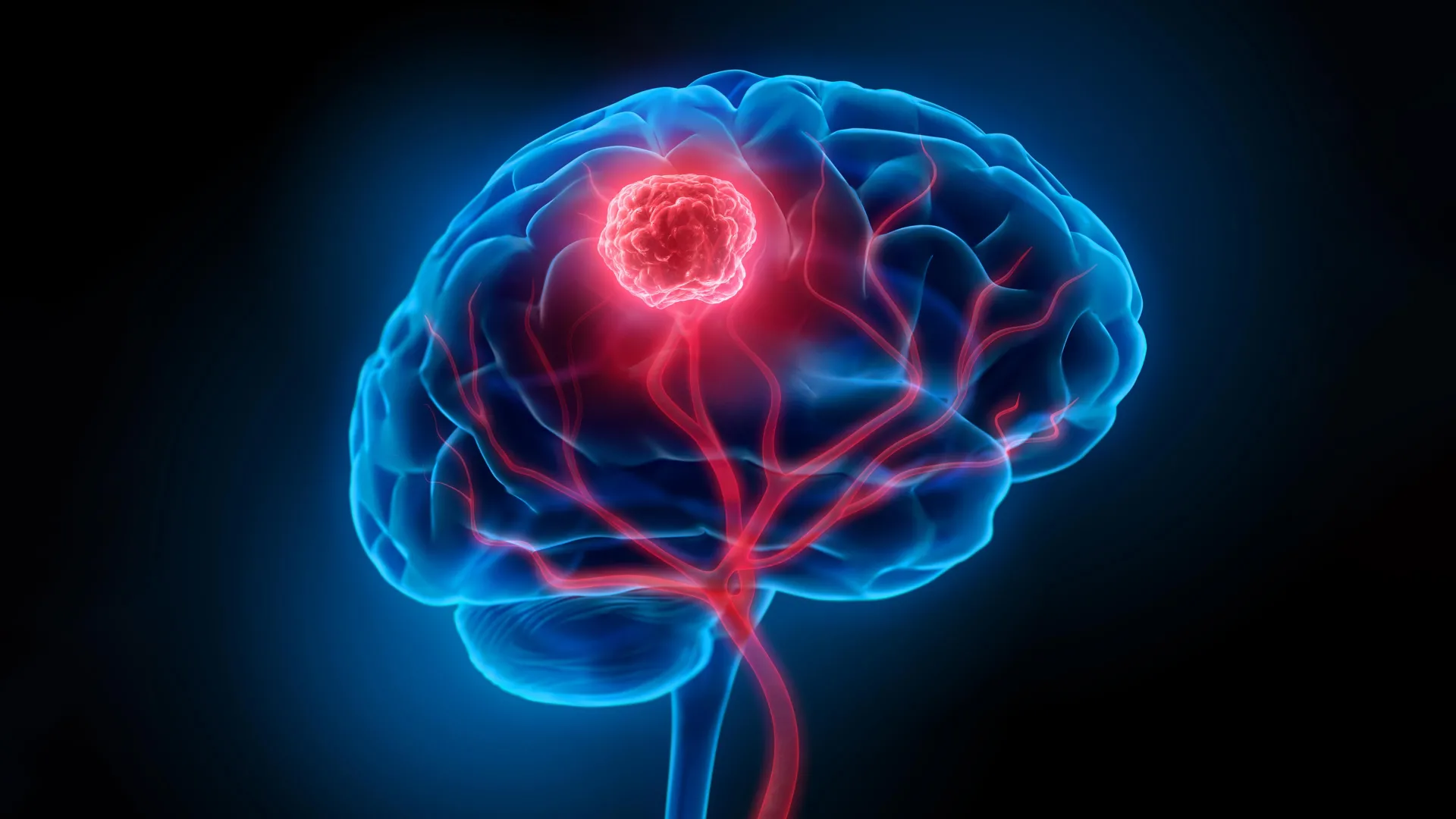
In a landmark advancement for neuro-oncology, researchers at the University of California, San Francisco (UCSF) have engineered a specialized form of immune cell therapy designed to activate only upon entering the brain. This "geographic" activation allows the treatment to aggressively target and destroy malignant cells while remaining dormant in the rest of the body, potentially solving one of the most persistent challenges in immunotherapy: the balance between efficacy and systemic toxicity. The study, published on October 28 in Science Translational Medicine, details a breakthrough in treating Diffuse Midline Glioma (DMG), a devastating childhood brain cancer that has long been considered incurable.
The experimental treatment, known as B-SYNC CAR-T, represents a significant evolution in Chimeric Antigen Receptor (CAR) T-cell therapy. While conventional CAR-T treatments have revolutionized the management of liquid cancers like leukemia and lymphoma, they have historically struggled against solid tumors, particularly those located in the central nervous system. The UCSF team’s new approach utilizes a sophisticated molecular "switch" that ensures the immune cells do not unleash their destructive power until they encounter a specific protein environment unique to the brain.
The Lethal Profile of Diffuse Midline Glioma
To understand the significance of the B-SYNC development, one must first look at the clinical reality of Diffuse Midline Glioma. DMG, formerly known as Diffuse Intrinsic Pontine Glioma (DIPG) when located in the pons, is a highly aggressive tumor that primarily affects children and young adults. It is characterized by its infiltrative growth pattern, meaning it does not form a solid, isolated mass but rather weaves itself into healthy brain tissue.
The tumor typically emerges in the brainstem, a critical "high-rent" district of the central nervous system that controls vital autonomic functions, including breathing, heart rate, blood pressure, and swallowing. Because of this location, surgical resection is impossible; attempting to remove the tumor would result in immediate and catastrophic neurological damage. Furthermore, the blood-brain barrier often prevents standard chemotherapy from reaching the tumor in effective concentrations.
Currently, the standard of care for DMG is limited to palliative radiation, which may shrink the tumor temporarily and offer a few months of symptom relief but does not provide a cure. The prognosis remains grim: the median survival rate is less than one year from diagnosis, and the five-year survival rate is nearly zero. The UCSF breakthrough offers the first tangible hope for a shift in these statistics.
Engineering the B-SYNC Molecular Logic Gate
The B-SYNC therapy is the result of years of collaborative research between the laboratories of Hideho Okada, MD, PhD, a professor of Neurological Surgery, and Wendell Lim, PhD, a professor of Cellular and Molecular Pharmacology. Their work focused on creating a "smarter" immune cell that could navigate the complexities of the brain without attacking healthy organs elsewhere in the body.
The foundation of this technology is the "synNotch" (synthetic Notch) receptor system. In 2021, the team introduced an earlier iteration called E-SYNC, designed for glioblastoma. That version used a mutated protein called EGFRvIII as a trigger. However, the researchers discovered that EGFRvIII was only present in about 20% of glioblastoma patients and was absent in most DMG cases. Furthermore, tumors are notorious for "antigen escape," where they stop producing the target protein to evade the immune system.
To create a more universal and reliable trigger, the scientists identified a protein called brevican. Unlike tumor-specific mutations, brevican is a naturally occurring protein that is widely distributed throughout the brain’s extracellular matrix but is virtually absent in the rest of the body. By programming the T cells to recognize brevican as the "on" switch, the researchers created a therapy that is spatially restricted to the central nervous system.
The B-SYNC system operates through a two-step logic gate:
- The Sensor: The synNotch receptor detects brevican in the brain. This detection triggers the T cell to begin expressing (producing) the Chimeric Antigen Receptors (CARs).
- The Attack: Once the CARs are expressed, they seek out two specific tumor-associated proteins: EphA2 and IL13Rα2. These proteins are highly prevalent in both glioblastoma and DMG cells.
By requiring the presence of brevican before the attack receptors are even built, the B-SYNC cells can circulate through the blood, lungs, and liver in a harmless, "off" state, drastically reducing the risk of off-target inflammatory responses.
Experimental Success and Long-Term Immunity
In preclinical trials involving mouse models, the B-SYNC therapy demonstrated unprecedented efficacy. The researchers implanted mice with human-derived DMG cells and treated them using two different delivery methods: intravenous (IV) injection and intracerebroventricular (ICV) injection.
While the IV delivery showed that the cells could successfully migrate to the brain and activate upon contact with brevican, the ICV delivery—which introduces the cells directly into the fluid-filled cavities of the brain—produced the most striking results. In every mouse treated via the ICV method, the DMG tumors were completely eliminated. By contrast, mice treated with conventional CAR-T cells (which are "always on") failed to achieve tumor control, often succumbing to the disease or treatment-related complications.
One of the most significant findings of the study was the duration of the immune response. In the world of immunotherapy, "T-cell exhaustion" is a major hurdle. When T cells are constantly activated, they eventually become "tired" and lose their ability to kill cancer cells. The B-SYNC cells avoided this fate. Because they only "turned on" when they reached the brain, they preserved their metabolic energy for the actual fight.
To test the longevity of this protection, the researchers performed a "re-challenge" experiment. Seven weeks after the initial tumors were cleared, they re-introduced new DMG cells into the mice. The B-SYNC cells, which were still patrolling the brain more than 70 days after the initial treatment, immediately recognized and destroyed the new cancer cells. This suggests that the therapy could provide lasting protection against recurrence, a common issue in brain cancer.
Chronology of Development and the Road to 2027
The journey of B-SYNC from concept to the verge of clinical application has followed a rigorous scientific timeline:
- 2021: Okada and Lim publish findings on E-SYNC, proving that synNotch systems can work against glioblastoma using EGFRvIII as a trigger.
- 2022–2023: Recognition of the limitations of EGFRvIII leads to the search for a brain-wide signal. Brevican is identified and the B-SYNC architecture is finalized.
- 2023–2024: Senthilnath Lakshmanachetty, PhD, leads the DMG-specific mouse trials, confirming that the dual-target (EphA2 and IL13Rα2) approach effectively covers the heterogeneity of childhood gliomas.
- October 28, 2024: The study is published in Science Translational Medicine, garnering international attention from the oncology community.
- 2025–2026: Preparatory phase for Phase I clinical trials, including FDA regulatory filings and the establishment of manufacturing protocols for patient-specific cells.
- April 2027: Projected start date for the first human clinical trials at UCSF Health.
The upcoming clinical trials will be led by Marie Jaeger-Krause, MD, and Sabine Mueller, MD, PhD. The trial will utilize an autologous approach, meaning T cells will be harvested from the individual patient, genetically engineered in a lab to become B-SYNC cells, and then re-infused into the patient.
To facilitate the ICV delivery, surgeons plan to use an Ommaya reservoir—a small, dome-shaped device implanted under the scalp with a catheter leading into the brain’s ventricles. This allows for the repeated administration of the engineered cells without the need for multiple invasive brain surgeries.
Implications for the Future of Oncology
The implications of the B-SYNC study extend far beyond DMG. The success of a "geographically gated" immune response provides a blueprint for treating other solid tumors that have been resistant to immunotherapy. By identifying tissue-specific proteins (like brevican in the brain) and using them as "localizers," scientists could theoretically develop CAR-T therapies for pancreatic, lung, or breast cancer that only activate within the target organ, sparing healthy tissue.
Sabine Mueller, director of the UCSF Pediatric Brain Tumor Center and a co-founder of the Pediatric Neuro-Oncology Consortium (PNOC), emphasized the emotional and clinical weight of this research. "Diffuse midline glioma is a heartbreaking diagnosis for patients and their families," Mueller stated. She noted that the preclinical data represents a rare moment of "cure" in mouse models of DMG, which justifies the "incredible excitement" within the medical community.
While the transition from mice to humans is always fraught with challenges—including potential differences in protein expression levels and the complexities of the human immune environment—the specificity of the B-SYNC system offers a level of safety and precision that previous generations of CAR-T therapy lacked. If the 2027 trials mirror the success seen in the laboratory, B-SYNC could become the first effective weapon against a disease that has remained undefeated for decades, fundamentally changing the landscape of pediatric oncology.
