
 By Suherman Candra Maholtra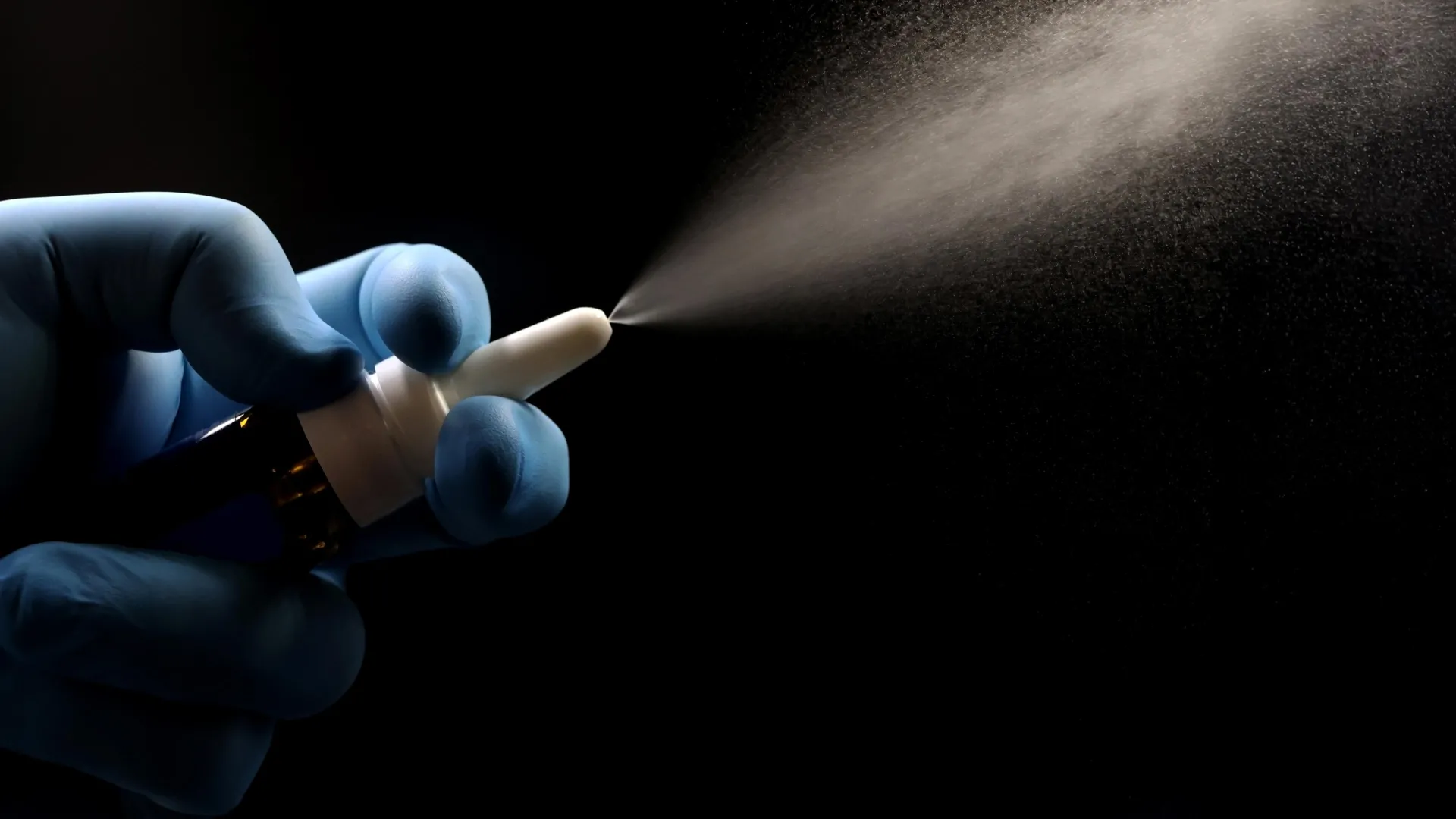
As the H5N1 avian influenza virus continues its unprecedented spread across global wildlife and domestic livestock, researchers at the Washington University School of Medicine in St. Louis have announced a significant breakthrough in vaccine technology. In a study published on January 30 in the journal Cell Reports Medicine, a multidisciplinary team of scientists detailed the development and successful animal testing of an intranasal vaccine designed specifically to target current strains of bird flu. Unlike traditional injectable vaccines, this nasal spray delivery system appears to not only prevent severe disease but also block the initial infection at the point of entry—the respiratory tract—potentially offering a powerful tool to disrupt the cycle of transmission in the event of a human pandemic.
The urgency of this development is underscored by the rapidly evolving nature of the H5N1 virus. Since its re-emergence and subsequent detection in the United States in 2014, the virus has shifted from a pathogen primarily affecting wild waterfowl to one capable of devastating poultry farms and, more recently, infiltrating mammalian populations. The discovery in early 2024 that H5N1 had jumped into dairy cattle across multiple U.S. states marked a turning point for public health officials, signaling that the virus is finding new ways to adapt to mammalian biology. With over 70 human cases and two deaths reported in the U.S. since 2022, the scientific community has grown increasingly concerned that the virus is only a few mutations away from achieving efficient human-to-human transmission.
A Decade of Escalation: The Chronology of H5N1
To understand the significance of the Washington University study, it is necessary to examine the trajectory of the H5N1 virus over the last decade. While H5N1 has been on the global radar since the late 1990s, its behavior in North America has become significantly more aggressive in recent years.
In 2014, the first highly pathogenic H5 avian influenza viruses were identified in wild birds in the United States. For several years, the impact was largely restricted to the agricultural sector, where millions of birds were culled to prevent the spread. However, by 2021 and 2022, a new lineage of the virus (clade 2.3.4.4b) began circulating globally with unprecedented vigor. This strain demonstrated a remarkable ability to infect a diverse range of mammals, including skunks, foxes, seals, and sea lions.
The most alarming development occurred in March 2024, when the U.S. Department of Agriculture (USDA) confirmed the presence of H5N1 in dairy cows in Texas and Kansas. This was the first time the virus had been detected in bovine populations, a development that Jacco Boon, PhD, a professor at WashU Medicine and co-senior author of the study, described as a "unique and totally unexpected event." The spillover into dairy herds, combined with the detection of viral fragments in pasteurized milk, heightened fears that the virus was becoming more integrated into the human food chain and increasing the frequency of human-animal interactions.
The Science of Mucosal Immunity
The core innovation of the Washington University vaccine lies in its delivery method. Traditional influenza vaccines are administered via intramuscular injection, usually in the upper arm. While these "shots" are effective at generating systemic immunity—circulating antibodies in the bloodstream that prevent the virus from causing severe organ damage or death—they are often less effective at preventing the virus from establishing an initial foothold in the nose and throat.
"Our vaccine to the nose and upper airway—not the shot-in-the-arm vaccine people are used to—can protect against upper respiratory infection as well as severe disease," said Dr. Boon. "This could provide better protection against transmission because it protects against infection in the first place."
By delivering the vaccine directly to the mucosal membranes of the respiratory tract, the intranasal formula stimulates the production of immunoglobulin A (IgA) antibodies. These antibodies act as a first line of defense, neutralizing the virus before it can enter host cells in the airway. This "front-door" defense is considered crucial for stopping the spread of respiratory viruses, as an infected individual who does not harbor the virus in their nasal passages is far less likely to shed the virus and infect others.
Overcoming the "Original Antigenic Sin"
One of the most complex hurdles in influenza vaccination is a phenomenon known as "antigenic drift" combined with the immune system’s tendency to rely on "memory." Most adults have been exposed to various strains of seasonal flu or have received numerous flu shots throughout their lives. When a person is exposed to a new flu vaccine, their immune system sometimes "recycles" old antibodies from previous infections rather than creating new, specific antibodies for the new strain. This can lead to a weakened or suboptimal response to a bird flu vaccine.
The WashU research team, including co-author Eva-Maria Strauch, PhD, addressed this by using advanced protein design. They selected specific antigens from H5N1 strains known to have infected humans and engineered an optimized protein that prompts a robust and specific immune response.
During the study, the researchers tested the vaccine in mice and hamsters that had already been exposed to seasonal flu viruses. They found that the nasal vaccine remained highly effective, bypassing the interference of pre-existing immunity. This suggests that the vaccine would be effective in a general population where almost everyone has some level of prior flu exposure.
Experimental Results and Supporting Data
The efficacy of the vaccine was demonstrated through rigorous animal modeling. In the study, mice and hamsters were given the intranasal vaccine and subsequently exposed to high doses of the H5N1 virus. The results were stark:
- Near-Total Protection: Animals that received the nasal vaccine showed almost no detectable virus in their lungs or nasal passages following exposure.
- Superiority Over Injections: When the same vaccine formula was delivered via traditional injection, it provided some protection against severe disease but allowed the virus to replicate in the upper respiratory tract. The nasal delivery was significantly more effective at blocking transmission-level infection.
- Low-Dose Efficacy: The researchers noted that even at low doses, the nasal vaccine provided a high level of protection, which is a critical factor for mass-production and rapid deployment during a pandemic.
- Platform Reliability: The vaccine utilizes a harmless, non-replicating adenovirus as a delivery vehicle. This is the same platform used for a COVID-19 nasal vaccine currently available in India and approved for clinical trials in the U.S. This existing regulatory and manufacturing precedent could accelerate the timeline for human testing of the H5N1 version.
Expert Perspectives and Broader Implications
The development of this vaccine comes at a time when the World Health Organization (WHO) and the Centers for Disease Control and Prevention (CDC) are urging increased vigilance. While the current risk to the general public remains low, the "One Health" perspective—which recognizes the interconnection between human, animal, and environmental health—suggests that the window for preparation is narrowing.
Michael S. Diamond, MD, PhD, the Herbert S. Gasser Professor of Medicine and co-senior author, emphasized the strategic importance of the nasal delivery system. "Delivering vaccine directly to the upper airway where you most need protection from respiratory infection could disrupt the cycle of infection and transmission," Diamond stated. "That’s crucial to slowing the spread of infection for H5N1 as well as other flu strains and respiratory infections."
The economic implications are also substantial. A widespread H5N1 outbreak in humans would not only cause a public health crisis but could also lead to massive disruptions in global trade and the agricultural economy. By developing a vaccine that can be administered easily without the need for needles or highly trained medical staff to perform injections, the WashU team is paving the way for a more democratic and rapid response to viral threats.
Future Outlook and Clinical Development
While the animal results are promising, the transition to human clinical trials is the next critical step. The research team plans to move forward with studies in organoids—lab-grown clusters of cells that mimic human immune tissue—to further refine the vaccine’s design. They are also looking into "multivalent" versions of the vaccine that could protect against multiple strains of avian influenza simultaneously.
The study was a collaborative effort supported by the Cooperative Center for Human Immunology and the Center for Research on Structural Biology of Infectious Diseases. While some of the lead researchers have ties to the pharmaceutical industry—including consultancies with companies like Moderna and Merck—the study underwent rigorous peer review to ensure the integrity of the findings.
As the world continues to monitor the mutations of H5N1 in the American heartland and beyond, the Washington University nasal vaccine represents a proactive shift in pandemic strategy. Rather than waiting for the virus to adapt to humans, scientists are adapting the technology to meet the virus at the very point of entry, offering a shield that is both biologically sophisticated and practically accessible. The move from the "shot in the arm" to a "spray in the nose" may well be the defining evolution in the fight against the next great respiratory threat.
