
 By Suherman Candra Maholtra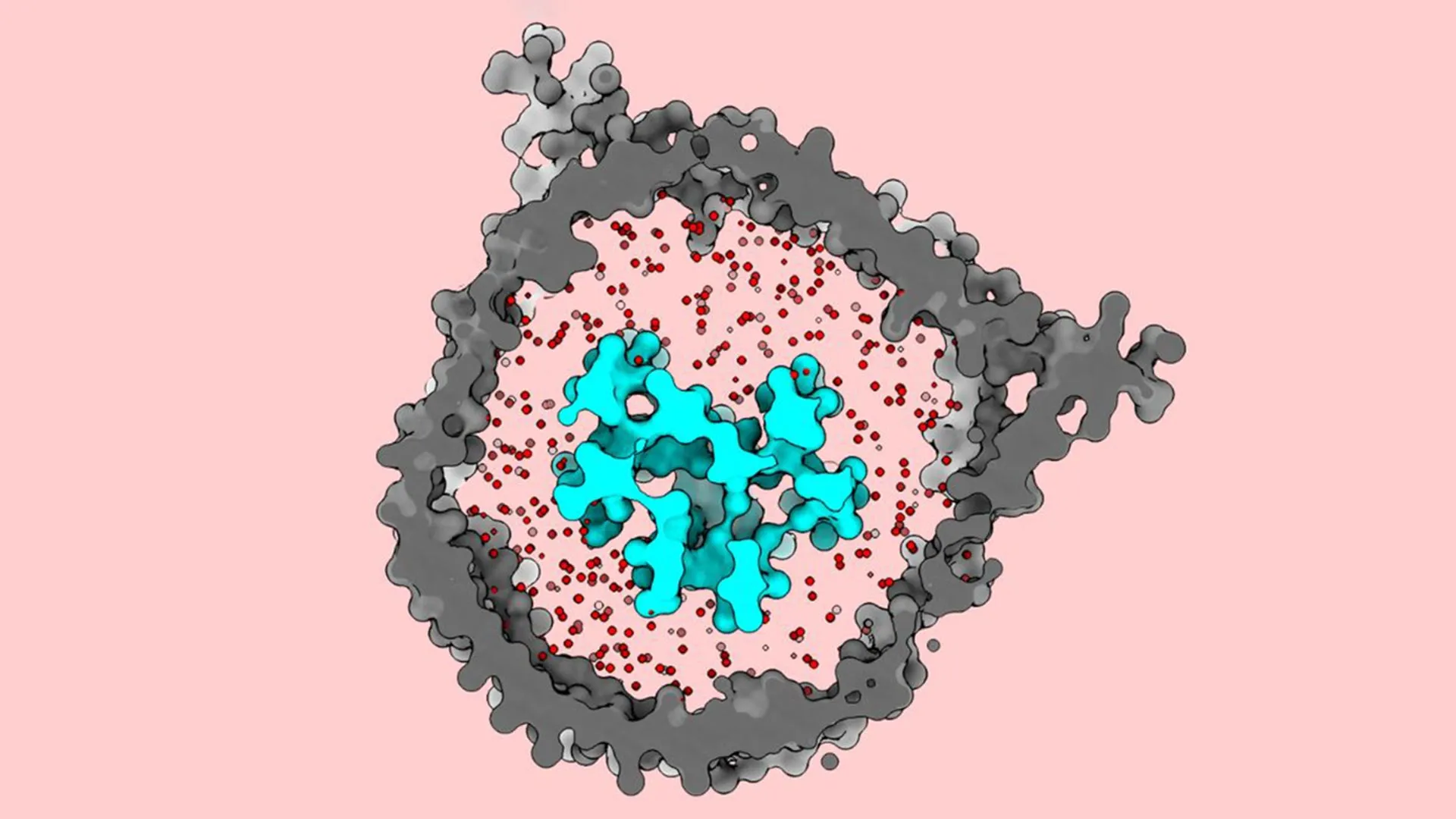
The landscape of oncology has been fundamentally reshaped over the last decade by the rise of T cell immunotherapy, a class of treatments that harnesses the body’s own immune system to identify and liquidate malignant cells. Despite the clinical triumphs of these "living drugs," particularly in treating hematologic malignancies like leukemia and lymphoma, a persistent shadow has hung over the field: a profound lack of understanding regarding the molecular mechanics of the T cell receptor (TCR). This knowledge gap has historically limited the efficacy of immunotherapies in solid tumors, which constitute the vast majority of cancer diagnoses. New research from The Rockefeller University, published in Nature Communications, has finally illuminated this "black box" of immunology, revealing that the TCR operates via a "jack-in-the-box" mechanism that remained hidden due to previous limitations in imaging technology.
The study, led by researchers at the Laboratory of Molecular Electron Microscopy, utilized cutting-edge cryo-electron microscopy (cryo-EM) to visualize the TCR in a state that closely mimics its natural environment within the human body. The discovery that the receptor remains tightly coiled and "closed" until it encounters a specific threat contradicts years of established structural biology models, which suggested the receptor was perpetually "open." By correcting this misconception, the Rockefeller team has provided a new architectural blueprint that could allow scientists to re-engineer T cells with unprecedented precision, potentially opening the door to effective treatments for recalcitrant cancers such as sarcomas.
The Evolution of T Cell Immunotherapy: A Decade of Progress and Hurdles
To appreciate the significance of the Rockefeller discovery, one must look at the trajectory of immunotherapy over the last fifty years. The concept of using the immune system to fight cancer dates back to the late 19th century, but it wasn’t until the 2010s that the technology matured into reliable clinical applications. The most prominent of these is Chimeric Antigen Receptor (CAR) T-cell therapy, which involves extracting a patient’s T cells, genetically modifying them to recognize cancer-specific proteins, and reinfusing them into the patient.
While CAR-T therapies have achieved remission rates of upwards of 80% to 90% in certain types of B-cell acute lymphoblastic leukemia, the success rate for solid tumors—such as those found in the breast, lungs, or bones—has remained stubbornly low. One primary reason is the complexity of the T cell receptor itself. Unlike the synthetic receptors used in CAR-T, the natural TCR is a highly sophisticated machine composed of eight different proteins that must work in perfect synchronization to trigger an immune response.
Historically, the failure to treat solid tumors has been attributed to the "immunosuppressive microenvironment" of the tumor, but the Rockefeller study suggests a more fundamental issue: we simply did not understand how the TCR’s "on switch" actually moved. Without knowing the physical transformation the receptor undergoes when it detects a cancer cell, bioengineers were essentially trying to fix a complex engine without a manual.
Reconstructing the Native Milieu: The Breakthrough Methodology
The primary obstacle in TCR research has been the difficulty of imaging membrane proteins. These proteins live within the oily, lipid-rich bilayer of the cell membrane. To study them under a microscope, researchers traditionally used detergents to strip the proteins away from the membrane. While this makes the proteins easier to handle, it also removes the physical constraints that hold them in their natural shape.
The Rockefeller team, led by Thomas Walz, a world-renowned expert in cryo-EM, took a different approach. Recognizing that the lipid environment is not just a container but a functional part of the receptor’s mechanism, they utilized "nanodiscs." These are microscopic, disc-shaped sections of membrane held together by scaffold proteins. By embedding the TCR into these nanodiscs, the researchers were able to simulate the tension, thickness, and chemical composition of a real T cell membrane.
"We can change the biochemical composition, the thickness of the membrane, the tension and curvature—all kinds of parameters that we know have an influence on the embedded protein," Walz explained. This meticulous reconstruction was essential because, as the study later proved, the membrane itself is what keeps the TCR in its "closed" or dormant state. When previous researchers used detergents, the receptor would spontaneously spring open because the membrane "latch" had been removed, leading to the false conclusion that the receptor was always extended.
The Jack-in-the-Box Mechanism: A Paradigm Shift in Structural Biology
When the Rockefeller team finally visualized the TCR within the nanodisc environment using cryo-EM, the results were startling. In its dormant state—when the T cell is circulating through the blood looking for threats—the TCR is compact and folded inward. It is only when the receptor binds to an antigen (a protein fragment from a virus or cancer cell) presented by a Human Leukocyte Antigen (HLA) molecule that the structure undergoes a radical conformational change.
Like a jack-in-the-box, the receptor springs open, extending its signaling components into the interior of the cell. This physical extension is the mechanical signal that tells the T cell to activate its killing machinery. "The data that were available when we began this research depicted this complex as being open and extended in its dormant state," said Ryan Notti, the study’s first author and a physician-scientist at Memorial Sloan Kettering Cancer Center. "But we found that it does, springing open like a sort of jack-in-the-box."
This discovery provides a clear explanation for why many experimental T cell therapies have failed. If a synthetic receptor is designed based on the "open" model, it may be "leaky," sending weak signals even when no cancer is present, which leads to T cell exhaustion—a state where the immune cells become tired and ineffective before they even reach the tumor. Conversely, if the receptor is too "tightly coiled," it may never activate, allowing the cancer to go undetected.
Clinical Implications for Sarcomas and Solid Tumors
For Ryan Notti, the research is more than a theoretical exercise. As a clinician who treats patients with sarcomas—rare cancers of the bone and soft tissue—he has seen firsthand the limitations of current immunotherapies. Sarcomas are notoriously difficult to treat because they do not always present the clear, easy-to-target surface proteins that blood cancers do.
"Re-engineering the next generation of immunotherapies tops the charts in terms of unmet clinical needs," Notti stated. By understanding the exact physical threshold required to "spring" the TCR, scientists can now look toward "tuning" these receptors. For a patient with a slow-growing or "stealthy" sarcoma, a researcher could theoretically engineer a T cell with a lower activation threshold, making the "jack-in-the-box" more sensitive to the faint signals emitted by the tumor.
Furthermore, this structural clarity allows for better "off-target" risk assessment. One of the greatest dangers in T cell therapy is "cytokine release syndrome" or "off-target toxicity," where the engineered cells attack healthy tissue. Understanding the closed-to-open transition allows engineers to build safety switches that ensure the receptor only springs open when it encounters the exact molecular fingerprint of a cancer cell.
Beyond Oncology: Impact on Vaccine Design and Autoimmunity
While the immediate focus of the Rockefeller study is cancer, the implications extend across the entire spectrum of immunology. The T cell receptor is the fundamental gatekeeper of the adaptive immune system. Its ability to distinguish between "self" and "non-self" is what prevents autoimmune diseases and allows the body to fight off pathogens like influenza or SARS-CoV-2.
Thomas Walz noted that the detailed structures provided by this study could revolutionize vaccine design. "People in the field can now use our structures to see refined details about the interactions between different antigens presented by HLA and T cell receptors," he said. This could lead to the development of vaccines that elicit a more robust T cell response, providing longer-lasting immunity than current vaccines that rely primarily on antibody production.
In the realm of autoimmune research, such as multiple sclerosis or Type 1 diabetes, the "jack-in-the-box" model provides a new way to look at why the immune system mistakenly attacks the body’s own cells. It may be that in certain individuals, the TCR is "too loose," springing open in response to healthy proteins. Developing drugs that can stabilize the TCR in its "closed" position could represent a new class of treatments for chronic inflammation and autoimmunity.
Future Directions and the Role of Basic Science
The success of this study underscores the vital importance of basic science in an era often dominated by "translational" or "applied" research. As Walz pointed out, the TCR is the basis of virtually all oncological immunotherapies, yet the medical community has been using it for years without a complete understanding of its mechanical function. "That’s where basic science steps in," Walz remarked. "This is some of the most important work to ever come out of my lab."
The next steps for the research team involve observing the TCR in even more complex environments, perhaps even within intact cell membranes using cryo-electron tomography (cryo-ET), which allows for the imaging of proteins inside living cells. Additionally, the Rockefeller and Memorial Sloan Kettering teams will likely collaborate on translating these structural insights into new synthetic receptor designs for clinical trials.
The global market for T cell therapies is projected to reach tens of billions of dollars by the end of the decade. However, the true value of the Rockefeller study lies not in its economic potential, but in its ability to turn the tide for patients who currently have few options. By revealing the hidden mechanics of the immune system’s most important sensor, Notti, Walz, and their colleagues have provided the "manual" that the next generation of cancer hunters will use to save lives. In the fight against cancer, the "jack-in-the-box" is no longer a mystery; it is a tool for precision medicine.
