
 By admin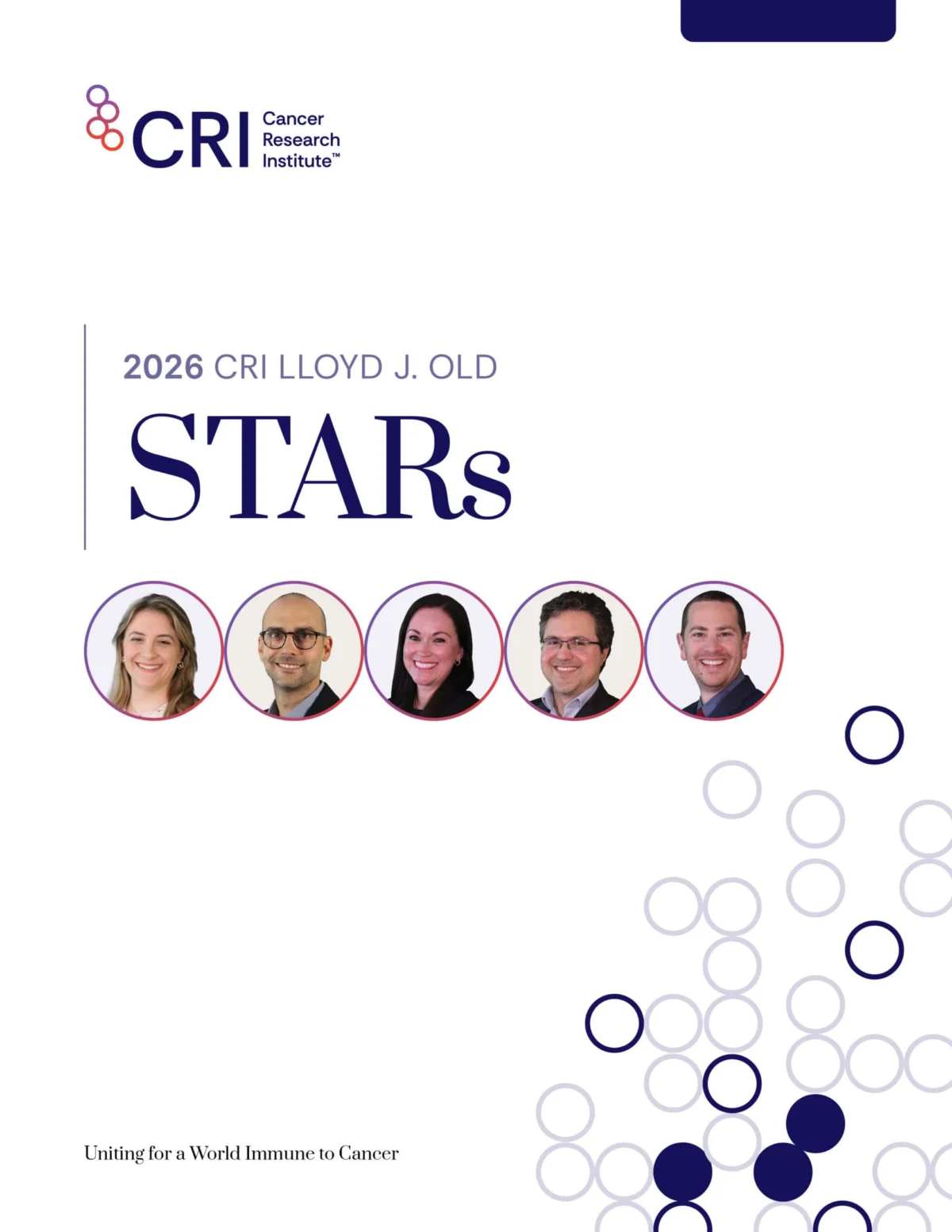
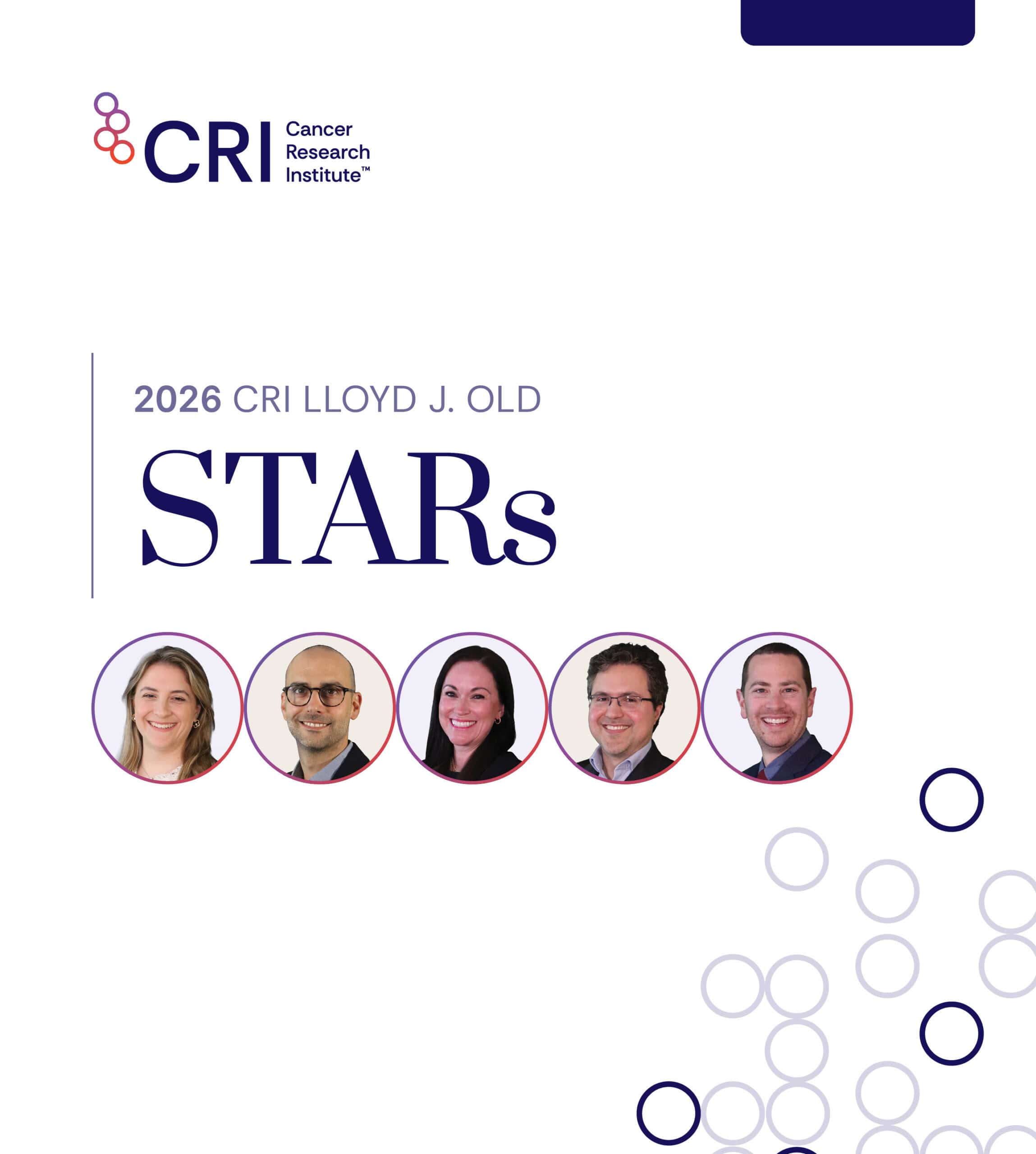
The Cancer Research Institute (CRI) has proudly announced the selection of its 2026 class of Lloyd J. Old STARs (Scientists TAKING Risks), a prestigious cohort of five scientific leaders who stand at the vanguard of cancer immunotherapy. These distinguished researchers will each receive an unprecedented $1.25 million in flexible funding over five years, totaling $6.25 million, designed to empower them to pursue audacious, paradigm-shifting projects that hold the potential to redefine the landscape of cancer care. This significant investment underscores CRI’s unwavering commitment to fostering groundbreaking discoveries by backing individuals whose bold ideas and exceptional track records position them as the next generation of pioneers in the fight against cancer.
The Genesis of Innovation: Understanding the Lloyd J. Old STAR Program
The Lloyd J. Old STAR Program is more than just a grant; it is a strategic investment in scientific intellect and vision. Named in honor of Dr. Lloyd J. Old, a foundational figure in cancer immunology and a scientific director at CRI for four decades, the program embodies his spirit of relentless inquiry and his profound belief in the immune system’s power to combat cancer. Dr. Old, often hailed as the "Father of Modern Tumor Immunology," laid much of the groundwork for what we now recognize as immunotherapy, identifying key cancer antigens and demonstrating the feasibility of harnessing the body’s own defenses against malignant cells. His pioneering work, which spanned from the 1960s until his passing in 2011, illuminated critical pathways that eventually led to revolutionary treatments like checkpoint inhibitors, which have transformed outcomes for patients with various advanced cancers. The STAR program, therefore, is a living tribute to his legacy, meticulously designed to identify and support scientists who share his fearless approach to scientific exploration.
Unlike conventional grants that often stipulate highly detailed research proposals and rigid project scopes, the Lloyd J. Old STAR awards are distinguished by their "flexible funding" model. This crucial element liberates awardees from the constraints of traditional funding mechanisms, allowing them to pivot their research directions based on emerging data, pursue unexpected avenues of inquiry, and explore high-risk, high-reward ideas that might otherwise struggle to secure initial funding. This flexibility is particularly vital in rapidly evolving fields like immunotherapy, where new discoveries frequently open unforeseen research frontiers. The emphasis is placed squarely on the individual scientist – their proven track record, their visionary potential, and the overall promise of their work – rather than on a narrowly defined project. This approach reflects CRI’s deep understanding that true breakthroughs often arise from unencumbered scientific curiosity and the freedom to explore unconventional hypotheses.
A Commitment to Cultivating Future Leaders
The selection process for the Lloyd J. Old STARs is rigorous, drawing upon CRI’s exceptional track record in identifying and nurturing individuals who have gone on to make monumental contributions to immunotherapy. "These are people who are hitting their stride scientifically and career-wise, and this is where you really want to put some jet fuel in the tank," remarked E. John Wherry, PhD, Associate Director of CRI’s Scientific Advisory Council. Dr. Wherry’s statement highlights the program’s strategic timing, aiming to provide critical resources to scientists precisely when their careers are poised for maximum impact.
Echoing this sentiment, Elizabeth Jaffee, MD, also an Associate Director of the CRI Scientific Advisory Council, emphasized, "We’re picking people who are really our next leaders in the field of immunotherapy." This forward-looking perspective is central to the STAR program’s philosophy. By investing in these "next leaders," CRI aims not only to support individual research projects but also to cultivate a cohort of influential scientists who will guide the future trajectory of cancer immunology and treatment for decades to come. The program identifies individuals whose past accomplishments demonstrate a capacity for independent, innovative thought and whose future work is anticipated to have a profound, field-shaping influence.
The Broader Impact of Unrestricted Research Funding
The decision to provide substantial, flexible funding to these five scientists carries significant implications for the broader scientific ecosystem and, ultimately, for cancer patients worldwide. Traditional funding landscapes are often characterized by conservative grant-making, favoring incremental advancements over truly transformative, yet inherently riskier, endeavors. This can stifle innovation, particularly in areas where the path to discovery is unclear or where initial data may be scarce. The CRI’s STAR program directly counteracts this tendency, creating a crucial niche for radical scientific exploration.
Cancer remains a global health crisis, with the World Health Organization (WHO) reporting that it is a leading cause of death worldwide, accounting for nearly 10 million deaths in 2020. While significant progress has been made, particularly with the advent of immunotherapy, many challenges persist. A substantial proportion of patients do not respond to existing immunotherapies, and others develop resistance over time. Furthermore, certain aggressive cancers, such as pancreatic cancer or glioblastoma, remain notoriously difficult to treat effectively with current approaches. These persistent hurdles necessitate continuous, bold scientific inquiry. Flexible funding, by allowing scientists to pursue unconventional hypotheses and explore uncharted territories, significantly increases the probability of discovering entirely new mechanisms of action, identifying novel therapeutic targets, or developing innovative combination strategies that could overcome current limitations.
The history of scientific breakthroughs is replete with examples of discoveries that initially appeared unconventional or high-risk. The very concept of immunotherapy, for instance, was considered fringe science by many for decades before its eventual validation and widespread adoption. The Nobel Prize in Physiology or Medicine in 2018, awarded to James P. Allison and Tasuku Honjo for their discovery of cancer therapy by inhibition of negative immune regulation, stands as a testament to the long and arduous journey of immunotherapy from a speculative idea to a life-saving reality. Programs like the Lloyd J. Old STARs are designed to accelerate this journey, providing the "jet fuel" Dr. Wherry mentioned to propel nascent ideas into potentially transformative clinical applications.
Anticipated Avenues of Exploration for the 2026 STARs
While the specific research projects of the 2026 STARs are not disclosed in detail, their designation as leaders in immunotherapy suggests they will be pushing boundaries across several critical fronts within the field. These likely areas of focus include:
- Understanding and Overcoming Resistance Mechanisms: A significant challenge in immunotherapy is understanding why some tumors develop resistance to treatment. The STARs may delve into the complex biology of the tumor microenvironment, identifying novel immune suppressive pathways or cellular interactions that contribute to resistance, and devising strategies to disarm them.
- Developing Next-Generation Immunotherapies: This could involve exploring new immune checkpoint inhibitors beyond PD-1/PD-L1 and CTLA-4, engineering more potent and precise CAR T-cell therapies, or developing novel oncolytic viruses or therapeutic vaccines that can more effectively stimulate anti-tumor immune responses.
- Personalized Immunotherapy: Tailoring treatments to individual patients based on their unique tumor biology and immune profiles is a frontier with immense promise. The STARs might explore advanced genomics, proteomics, and bioinformatics approaches to identify biomarkers that predict treatment response or guide the selection of personalized therapeutic regimens.
- Addressing "Cold" Tumors: Many cancers are considered "cold," meaning they lack a significant infiltration of immune cells, making them unresponsive to current immunotherapies. Research efforts may focus on strategies to convert these cold tumors into "hot" ones, thereby rendering them susceptible to immune attack.
- Integrating AI and Machine Learning: Leveraging artificial intelligence and machine learning to analyze vast datasets from clinical trials and basic research could accelerate the identification of new drug targets, predict patient outcomes, and optimize treatment strategies.
- Immunotherapy for Rare and Pediatric Cancers: These often under-researched areas could see significant advancements as STARs apply innovative immunological principles to develop therapies for diseases with limited treatment options.
The ultimate goal of these diverse research endeavors is to translate fundamental scientific insights into tangible benefits for patients. This involves not only developing new drugs but also refining existing therapies, reducing toxicity, and expanding the applicability of immunotherapy to a wider range of cancer types and patient populations.
A Legacy of Support and Future Horizons
The Cancer Research Institute has a storied history dating back to 1953, dedicated exclusively to advancing immunotherapy. Its long-standing commitment to funding high-impact research has been instrumental in many of the field’s most significant advancements. By consistently identifying and nurturing promising talent, CRI has played a crucial role in accelerating the pace of discovery, bridging the gap between basic scientific understanding and clinical application. The Lloyd J. Old STAR Program represents the pinnacle of this commitment, offering substantial, long-term support that acknowledges the protracted and often unpredictable nature of transformative scientific inquiry.
The announcement of the 2026 Lloyd J. Old STARs sends a powerful message to the scientific community and the world: that bold, investigator-driven research remains the most potent engine for progress in the fight against cancer. As these five exceptional scientists embark on their high-risk, high-reward journeys, the global cancer community watches with anticipation, hopeful that their fearless ideas will indeed reshape the future of treatment and bring us closer to a world free from the devastation of cancer. The investment in these individuals is an investment in human ingenuity, a testament to the belief that with the right support, the most formidable challenges can be overcome.
