
 By Gabriel Paijo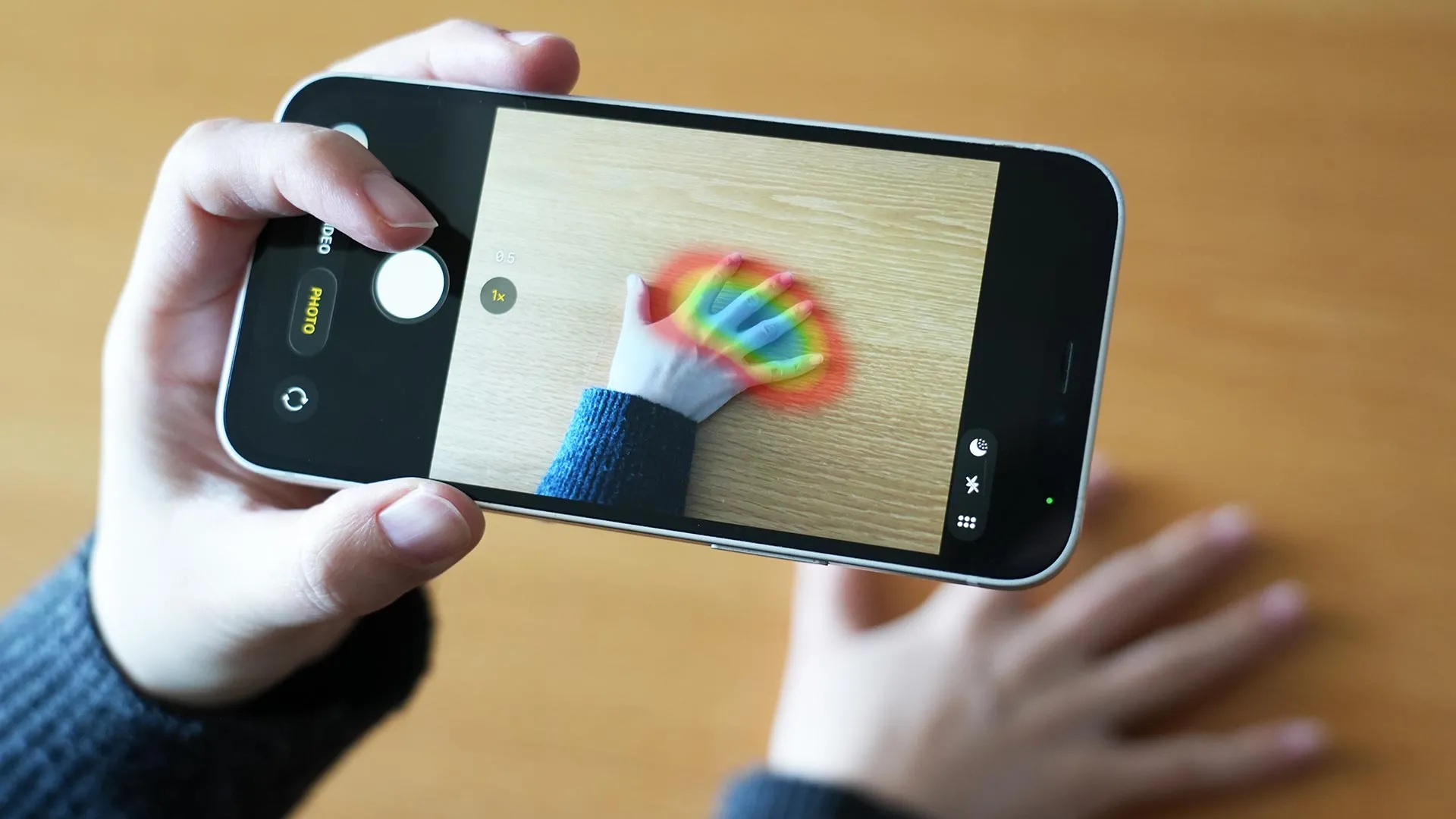
In a significant advancement for the field of endocrinology and medical diagnostics, a research team at Kobe University has successfully developed an artificial intelligence (AI) system capable of identifying acromegaly, a rare and often overlooked hormonal disorder, by analyzing simple photographs of a patient’s hand. The breakthrough, which utilizes images of the back of the hand and a clenched fist, represents a dual victory for clinical medicine: it provides a high-accuracy screening tool for a disease that is notoriously difficult to diagnose in its early stages, and it does so while prioritizing patient privacy by avoiding facial recognition and biometric palm prints.
The study, recently published in the Journal of Clinical Endocrinology & Metabolism, underscores the potential for AI to serve as a bridge between general practitioners and specialized care. By focusing on external physical manifestations that often go unnoticed by patients and non-specialist physicians, the technology offers a non-invasive, cost-effective method to expedite the diagnostic journey for those suffering from excessive growth hormone production.
The Clinical Challenge of Acromegaly
Acromegaly is a rare chronic metabolic disorder typically caused by a benign tumor (adenoma) on the pituitary gland. This tumor triggers the overproduction of growth hormone (GH), which in turn stimulates the liver to produce excess insulin-like growth factor-1 (IGF-1). While the condition is most famously associated with gigantism when it occurs in childhood, it typically manifests in middle-aged adults, where it causes gradual, systemic changes.
The hallmark of acromegaly is "acral" overgrowth—the enlargement of the hands, feet, and facial features. However, because these changes occur over the span of several years, or even decades, they are frequently dismissed as normal signs of aging or lifestyle changes. Patients may find that their rings no longer fit or that they need larger shoe sizes, yet the insidious nature of the progression means that by the time a diagnosis is confirmed, the patient may have already developed severe complications.
Untreated acromegaly is associated with a host of comorbidities, including cardiovascular disease, hypertension, type 2 diabetes, sleep apnea, and an increased risk of certain cancers. Most alarmingly, the delay in diagnosis can shorten a patient’s life expectancy by an average of ten years. Current diagnostic protocols involve blood tests to measure IGF-1 levels and GH suppression tests, followed by MRI imaging of the brain to locate the pituitary tumor. However, the primary bottleneck remains the initial suspicion of the disease; if a doctor does not recognize the physical signs, the necessary tests are never ordered.
Developing a Privacy-First Diagnostic Tool
While previous efforts to utilize AI in medical imaging have often leaned heavily on facial recognition—given that acromegaly causes distinct changes to the brow, jaw, and nose—such methods face significant ethical and regulatory hurdles. Concerns regarding data breaches, the potential for identifying patients without consent, and the stringent requirements of the General Data Protection Regulation (GDPR) and similar laws have slowed the adoption of facial-AI in clinical settings.
Recognizing these barriers, the Kobe University team, led by endocrinologist Hidenori Fukuoka and graduate student Yuka Ohmachi, sought an alternative. They pivoted their focus to the hands, which are also primary sites of soft tissue swelling and bone thickening in acromegaly patients.
To ensure the highest level of privacy, the researchers made a deliberate technical choice to exclude the palms of the hands. Because palm lines are unique enough to be used for biometric identification, their inclusion would have compromised the anonymity of the dataset. By limiting the AI’s input to the dorsal (back) view of the hand and a clenched fist, the team created a system that identifies pathological patterns without capturing identifying biometric markers.
Methodology and Data Integration
The development of the AI model required a robust and diverse dataset, a challenge given the rarity of the disease. The project was a massive collaborative effort involving 15 medical institutions across Japan, including Fukuoka University, Nagoya University, and Hiroshima University, among others.
Over the course of the study, the researchers collected 11,486 images from 725 participants. This group included both patients confirmed to have acromegaly and a control group of individuals without the disorder. The AI was trained using deep learning algorithms designed to recognize the subtle morphological changes associated with the disease, such as "spade-like" widening of the fingers and thickening of the soft tissues on the back of the hand.
The training process involved:
- Feature Extraction: The AI identified specific geometric and textural patterns in the skin and bone structure of the hands.
- Validation: The model was tested against a separate set of images to ensure it could generalize its findings to new patients.
- Comparative Analysis: The AI’s performance was measured against the diagnostic accuracy of human specialists to establish a benchmark for clinical utility.
Performance Results: AI vs. Human Expertise
The results of the study were striking. The AI model demonstrated exceptional sensitivity (the ability to correctly identify those with the disease) and specificity (the ability to correctly identify those without it). In head-to-head comparisons, the AI outperformed experienced endocrinologists who were asked to evaluate the same set of photographs.
"Frankly, I was surprised that the diagnostic accuracy reached such a high level using only photographs of the back of the hand and the clenched fist," said Yuka Ohmachi. The high performance indicates that the AI is capable of detecting microscopic or structural nuances that are invisible to the naked eye, even those of a trained professional.
This superiority does not suggest that AI will replace doctors, but rather that it can act as a high-precision screening filter. In a typical clinical encounter, a physician has only a few minutes with a patient. The AI can process visual data in seconds, flagging potential cases of acromegaly that might otherwise be overlooked during a routine physical examination.
Chronology of Innovation and Future Implementation
The journey toward this AI tool began with the recognition of a "diagnostic gap" in Japanese healthcare, where many acromegaly cases were being caught only after irreversible organ damage had occurred.
- Phase 1 (Data Collection): Over several years, the multi-institutional consortium gathered the necessary image library, overcoming the hurdle of the disease’s low prevalence.
- Phase 2 (Algorithm Development): The Kobe University team refined the convolutional neural networks (CNNs) to focus on non-identifying hand features.
- Phase 3 (Testing and Publication): After rigorous validation, the findings were submitted to the Journal of Clinical Endocrinology & Metabolism, providing the scientific community with a peer-reviewed basis for the technology’s efficacy.
- Phase 4 (Future Deployment): The researchers are now looking toward integrating this tool into health check-up infrastructures and mobile health applications.
The ultimate goal is to create a system where a primary care physician in a remote or underserved area can take a photo of a patient’s hand with a smartphone and receive an immediate risk assessment. If the AI indicates a high probability of acromegaly, the patient can be prioritized for referral to a regional specialist.
Broader Implications for Medical AI and Regional Healthcare
The success of the Kobe University study has implications that extend far beyond a single endocrine disorder. The methodology—using non-identifying body parts to diagnose systemic conditions—could serve as a blueprint for a new generation of "privacy-by-design" medical AI.
The researchers have already identified several other conditions that could be detected through hand imaging:
- Rheumatoid Arthritis: Identifying early-stage joint swelling and deviation.
- Anemia: Analyzing the color and vascularity of the nail beds and skin.
- Finger Clubbing: Detecting signs of chronic lung disease or heart defects.
- Scleroderma: Monitoring skin thickening and tightening.
From a public health perspective, this technology is a powerful tool for reducing healthcare disparities. In many parts of the world, access to endocrinologists is limited to major urban centers. Patients in rural regions may see only general practitioners who, due to the rarity of acromegaly, may only encounter one case in their entire career. By providing these doctors with an "expert in their pocket," AI can ensure that a patient’s geography does not dictate their diagnostic timeline.
Institutional Collaboration and Support
The scale of this research was made possible by the Hyogo Foundation for Science Technology and a sprawling network of academic and medical partners. The involvement of institutions such as Toranomon Hospital, Nippon Medical School, and various national universities highlights the collective interest in solving the "rare disease problem" through technological innovation.
As AI continues to integrate into the medical field, the Kobe University project stands as a model of how to balance the power of big data with the ethical necessity of patient confidentiality. By proving that high-level diagnostic accuracy does not require the sacrifice of privacy, the team has cleared a path for the wider adoption of AI in daily clinical practice.
In the words of lead researcher Hidenori Fukuoka, the technology is intended to "complement clinical expertise, reduce diagnostic oversight and enable earlier intervention." As the system moves from the laboratory to the clinic, it promises to turn the "insidious" progression of acromegaly into a detectable, manageable, and ultimately less devastating condition.
