
 By admin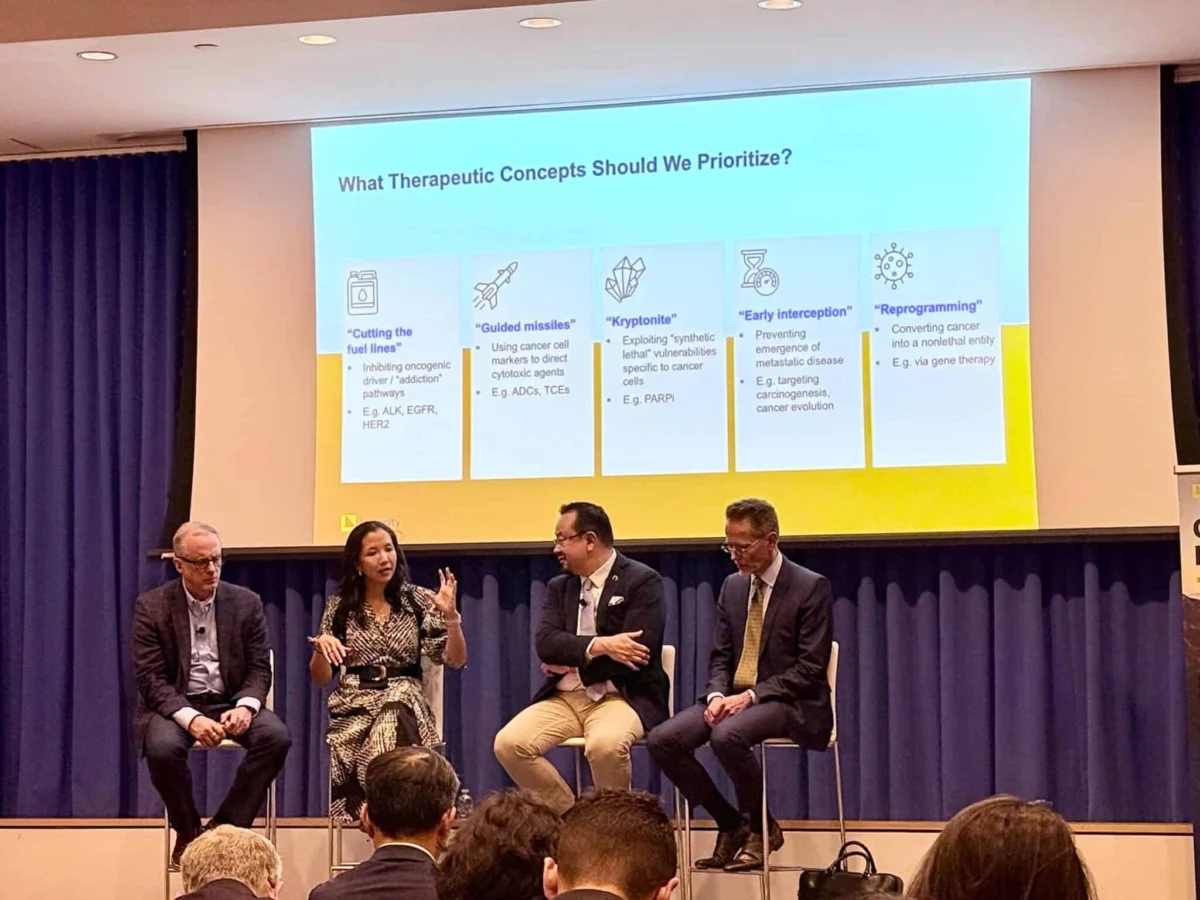
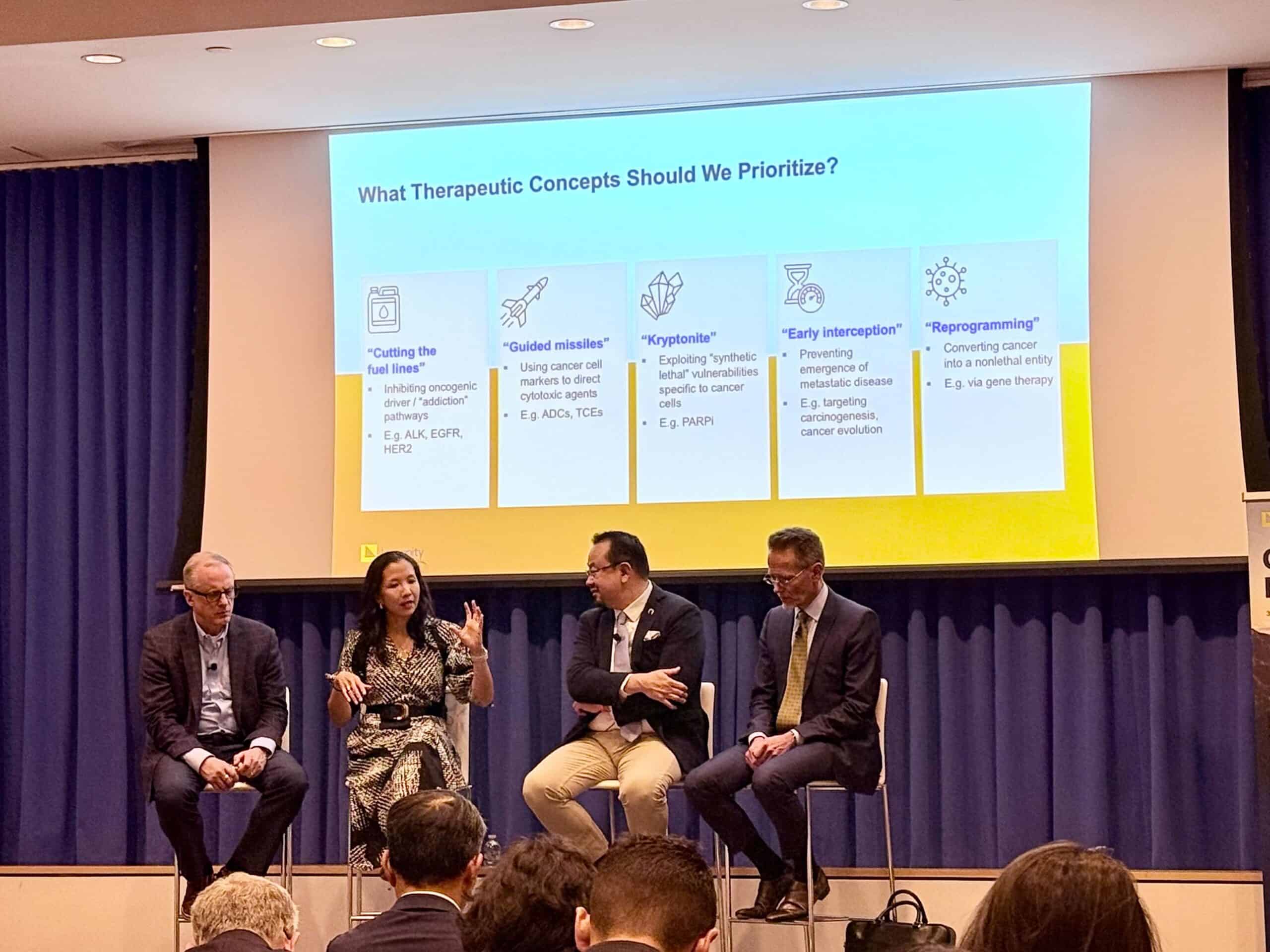
Lumanity’s Cancer Progress 2026, held on April 9th at the New York Genome Center, served as a crucial forum not merely to highlight cutting-edge innovation but to rigorously scrutinize its efficacy and future trajectory. For nearly four decades, this one-day meeting has consistently convened leading figures across biotech, pharmaceutical industries, and academic research, fostering an environment for forthright, often challenging, discussions about what genuinely advances oncology and what impediments persist. The event’s hallmark has been its unwavering commitment to transparent dialogue, culminating this year in a noticeably honest exchange during the final panel, aptly titled "Beyond Next-Gen: How Should We Engineer Future Breakthroughs?"
The esteemed panel, comprised of influential leaders in cancer research and development, tackled the foundational approaches that have driven progress in oncology. A widely acknowledged truth resonated through the discussion: much of cancer’s advancements historically stemmed from a somewhat trial-and-error methodology, colloquially described as "throwing spaghetti at the wall." This approach, characterized by a willingness to test hypotheses even when understanding was incomplete, proved surprisingly effective in past decades, leading to significant breakthroughs, particularly within immuno-oncology. Many of the field’s early successes were born not from perfectly engineered systems but from robust biological insights coupled with imperfect models. However, a unanimous sentiment emerged from the panel: this era of "productive chaos" is nearing its end.
The Evolving Landscape: From Productive Chaos to Directed Strategy
The metaphor of "throwing spaghetti at the wall" perfectly encapsulated the early, often less structured, phases of drug discovery. In the mid-20th century, the advent of chemotherapy saw researchers screening thousands of compounds, often serendipitously discovering agents with anti-cancer properties. Similarly, the initial breakthroughs in immunotherapy, particularly checkpoint inhibitors, emerged from a deep, albeit incomplete, understanding of immune system mechanisms, followed by clinical trials that sometimes explored broad applications. This approach, while fruitful in generating initial hits, is increasingly unsustainable in the face of escalating development costs and the growing complexity of cancer biology.
Dr. Alicia Zhou, Chief Executive Officer of the Cancer Research Institute (CRI), provided a critical nuance to this perspective. She acknowledged the historical value of experimentation but underscored the necessity of contextualizing its application. "There has to be the right time in the development pipeline—when I do think ‘spaghetti’ could be the right technique," Dr. Zhou explained. "But, I think when it comes to combinations, when you’re thinking about the multiple permutations that you could possibly have—that’s where we have to be more directed."
This sentiment resonated strongly across the panel. The current landscape is plagued by an "over-indexing of experimentation," especially in the realm of combination therapies. The prevailing paradigm often dictates: if two therapies show modest benefit individually, combine them. If that combination yields results in one context, broaden its application across various tumor types, lines of therapy, and modalities. This iterative process, while seemingly logical, has led to an explosion of clinical trials, many of which produce more data than actionable insight. The analogy used by the panel was vivid: it’s the difference between carefully testing a recipe and indiscriminately dumping an entire pantry into a pot. What begins as thoughtful exploration quickly escalates into an unmanageable excess of ingredients, combinations, and variables, ultimately burying the crucial signal under a deluge of noise. This phenomenon not only strains research resources but also prolongs the time it takes to identify truly effective treatments for patients.
Deconstructing Cancer’s Heterogeneity: Beyond a Singular Problem
One of the most profound and persistent challenges confronting oncology is not a deficit of innovation, but rather a fundamental disconnect between the inherent complexity of cancer and the often-oversimplified frameworks applied to its treatment. Cancer is not a monolithic disease awaiting a universal cure; it represents a diverse collection of fundamentally distinct problems, frequently approached with a uniform playbook. The panel highlighted this critical mismatch as a significant barrier to achieving widespread progress.
Dr. Zhou eloquently articulated this point, emphasizing that the reasons for varying outcomes across different tumor types are inherently distinct. "There are very different problem sets to be solved," she stated. She further dissected the common understanding of "failure" in oncology, revealing how misleading this singular term can be. A therapeutic agent might fail for a myriad of reasons: it might never effectively engage its intended target, the tumor might lack the necessary biomarker for its mechanism of action, or the cancer could adapt and develop resistance after an initial response. In other scenarios, disease progression might slow, only for metastasis or clonal expansion to ultimately take hold.
Yet, these crucial distinctions—the nuanced mechanics of why a therapy might not succeed—do not always translate into the methodologies of therapy development or testing. This uniformity of response in the face of a highly complex and heterogeneous problem is a critical factor impeding genuine progress. For instance, while checkpoint inhibitors have revolutionized the treatment of melanoma and certain lung cancers, their efficacy in other solid tumors like pancreatic cancer or glioblastoma remains limited. This disparity underscores the need for a more granular understanding of each cancer’s unique biological fingerprint, its specific microenvironment, and the individual patient’s immune response. Precision oncology, which aims to tailor treatments based on genetic and molecular profiles, represents a step in this direction, but its full potential is yet to be realized, hampered by the sheer diversity of cancer mutations and resistance mechanisms.
Artificial Intelligence: A Tool for Augmented Cognition, Not Autonomous Discovery
The pervasive theme woven throughout the entire Lumanity Cancer Progress conversation was the transformative, yet often misunderstood, role of artificial intelligence (AI) in developing new therapies and accelerating their journey to patients. Dr. Zhou distilled the panel’s consensus into a pragmatic summary: AI offers immense utility in oncology, but its fundamental limitations must be acknowledged.
"I believe generative AI is going to hit a wall," she cautioned. "It cannot predict things that we cannot actually validate biologically in the physical world." This statement served as a crucial check against the prevailing hype surrounding AI, particularly generative AI, in scientific discovery. While AI algorithms can analyze vast datasets, identify patterns, and generate novel hypotheses at speeds impossible for humans, their outputs are fundamentally constrained by the quality and nature of the input data. Without robust, biologically sound validation, AI-generated predictions risk being nothing more than sophisticated "hallucinations"—plausible but ultimately unsubstantiated outputs that could lead researchers down costly and unproductive paths.
Dr. Zhou emphasized the imperative not to overstate AI’s inherent understanding of human biological functions. "I think letting AI run amok in that space is actually not useful, because there’s no way for us to validate if the prediction is a hallucination or if it’s biologically sound," she elaborated. The true power of AI, she argued, lies in its ability to augment human intellect and accelerate discovery when supplied with the right, meticulously curated underlying data. "Ultimately, if we can supply the model with the right underlying data, I think that’s where AI can have a real, transformative, and accelerating approach."
As a tangible example of this directed approach, Dr. Zhou highlighted CRI’s newest initiative, the CRI Discovery Engine. This endeavor aims to address the challenges currently faced by scientists struggling to effectively integrate AI into their daily workflows. The core objective of the Discovery Engine is not to replace human intuition or biological experimentation, but to provide a structured framework for leveraging AI to gain a deeper, mechanistic understanding of cancer. "The goal here is to say, can we start to really understand the mechanism of what’s actually happening?" she articulated. This involves moving beyond simply identifying correlations to unraveling causal pathways within the immune system, understanding its vulnerabilities, and pinpointing precise points where therapeutic intervention can be genuinely effective. Without this foundational biological understanding, even the most sophisticated AI tools operate in a vacuum. Therefore, AI is not the breakthrough in itself, but rather a powerful lens that can help researchers discern where the next breakthroughs are truly hidden, by making sense of the overwhelming complexity of biological data.
The global investment in AI for drug discovery is projected to grow significantly, reaching billions of dollars in the coming years. Major pharmaceutical companies are increasingly partnering with AI startups, and specialized AI platforms are emerging. However, the success stories remain nascent, often focusing on accelerating preclinical stages rather than guaranteeing clinical success. The panel’s caution serves as a timely reminder that while AI is an indispensable tool, it must be guided by sound biological principles and rigorous experimental validation to fulfill its promise in oncology.
Immunotherapy’s Unfinished Story: Bridging the Knowledge Gap
Nowhere is the profound complexity of cancer more strikingly evident than in the field of immuno-oncology. Unlike traditional targeted therapies that aim to directly inhibit specific molecular pathways within tumor cells, immunotherapy endeavors to activate and redirect the patient’s own immune system to combat cancer. This involves initiating a sophisticated "conversation between two different cell types and systems at the same time," as Dr. Zhou described, making it an inherently intricate therapeutic modality.
The challenge intensifies when immunotherapy fails to deliver the desired outcome. The reasons for such failures are often elusive and multifaceted. Did the therapeutic agent effectively reach the immune system? Was the immune system adequately activated? Did that activated response successfully navigate the complex tumor microenvironment to reach and eradicate cancer cells, or was it somehow blunted or diverted along the way? These fundamental questions frequently remain unanswered, creating a significant knowledge gap.
Historically, the field’s response to these unanswered questions has often been to simply introduce more variables: more drugs, more combinations, more clinical trials. This proliferation of activity, while well-intentioned, has not always translated into a commensurate increase in understanding. While the number of FDA-approved immunotherapies has surged, benefiting patients with previously intractable cancers like metastatic melanoma and certain types of lung and kidney cancers, a substantial proportion of patients still do not respond, or develop resistance. The consensus among the panel members was unambiguous: there has been an underinvestment in truly comprehending the intricate biology of these immune-tumor interactions, and this critical knowledge gap has now become a significant bottleneck hindering further progress. Deeper research into the tumor microenvironment, mechanisms of immune escape, and predictive biomarkers is essential to unlock the full potential of immunotherapy and extend its benefits to a wider patient population.
Broken Economics: The Systemic Challenge to Innovation
Shifting from the microscopic intricacies of biological mechanisms to the macroscopic structures of the healthcare ecosystem, the discussion broadened to address a critical systemic issue: the dissonance between advancing science and an outdated economic model. While scientific advancements are leading to sharper, more targeted therapies and, in some cases, significantly improved patient outcomes, the economic and regulatory systems surrounding drug development have failed to keep pace.
The emergence of highly specific, personalized therapies often means smaller patient populations, or "niche indications," for new drugs. Developing these drugs, however, still entails a billion-dollar development pathway, driven by extensive preclinical research, multi-phase clinical trials, and regulatory approvals. This creates a profound structural challenge that scientific progress alone cannot resolve. The average cost of bringing a new drug to market is estimated to be over $2 billion, with clinical trial success rates in oncology hovering around 5-10%. These figures highlight the immense financial risk and the need for a sustainable economic model.
This raises a fundamental question for the industry: if the science is evolving rapidly towards precision and personalization, why hasn’t the underlying economic and regulatory model adapted accordingly? The panel forcefully advocated for system-level changes, pushing beyond incremental adjustments to demand fundamental shifts in how oncology operates. This includes rethinking clinical trial design, exploring innovative approaches like synthetic control arms and real-world evidence, and reconsidering current frameworks for therapy approval and reimbursement. Adaptive trial designs, for instance, allow for modifications based on accumulating data, potentially accelerating development and reducing costs. Leveraging real-world data from electronic health records can provide valuable insights into drug efficacy and safety outside the controlled environment of clinical trials. Furthermore, the discussion touched on the need for value-based pricing models that align drug costs with patient outcomes, rather than simply the cost of development. These are not minor tweaks but represent seismic shifts necessary to foster continued innovation and ensure patient access to life-saving therapies.
The Inevitable Disruption and the Urgency of Strategic Action
Since its inception in 1989, Lumanity’s Cancer Progress gathering has consistently focused on anticipating the future of oncology. This year, however, the sense of urgency regarding impending changes felt palpably closer. Dr. Zhou framed disruption not as a distant possibility, but as an undeniable inevitability. "AI is going to fundamentally transform the way we do everything," she declared, underscoring the profound and pervasive impact this technology is poised to have across the entire spectrum of cancer research and treatment.
Yet, AI represents only one facet of a broader landscape of accelerating change. Global competition in biomedical research and development is intensifying, with emerging economies and new scientific hubs challenging established players. The pharmaceutical industry also faces the imminent "patent cliff," where blockbuster drugs with billions in annual revenue are nearing the end of their exclusivity periods, necessitating a robust pipeline of new, innovative therapies. Concurrently, new players—ranging from nimble biotech startups leveraging cutting-edge technologies to unexpected entrants from the tech sector—are entering the ecosystem, bringing with them novel business models and disruptive approaches.
The pace of this transformation is no longer a theoretical construct; it is actively unfolding, reshaping the contours of drug discovery, clinical development, and patient care. Historically, major shifts in oncology have been incremental, but the current confluence of technological advancements, economic pressures, and scientific insights suggests a more rapid, discontinuous evolution. From the early days of surgery and radiation, through the chemotherapy era, the rise of targeted therapies, and the recent breakthroughs in immunotherapy, each phase built upon the last. Now, AI and advanced biological understanding promise a truly personalized, predictive, and preventive approach to cancer, but only if the industry can strategically navigate the impending disruptions.
The "Take Home" Portion: A Call for Intentionality
Lumanity’s Cancer Progress 2026, and particularly the final panel discussion, undeniably fulfilled its core mission: to challenge entrenched assumptions within the oncology landscape. The overarching message was not a rejection of the historical paths that led to current advancements but a clear and unequivocal assertion that those very same approaches will not suffice to propel the field forward.
Experimentation remains vital, and indeed, serendipity will likely continue to play a role in occasional breakthroughs. However, the next wave of transformative discoveries will not emerge from simply intensifying the volume of indiscriminate "spaghetti-throwing." The era of productive chaos must yield to one of intentional, data-driven strategy. The path forward demands a deeper, more systematic understanding of cancer biology, the immune system, and the intricate interplay between them.
The critical pivot now is towards making sense of the vast amounts of data and the multitude of ideas already generated. The question is no longer whether we can generate more hypotheses or develop more experimental compounds; rather, it is whether we can effectively distill existing knowledge, identify truly promising avenues, and apply a more directed, insightful approach to research and development. This shift towards intentionality—leveraging AI as a cognitive amplifier, embracing cancer’s heterogeneity, and reforming economic models—is paramount to unlocking the next generation of breakthroughs and ultimately delivering on the promise of a future where cancer is more effectively treated and, ideally, prevented.
