
 By admin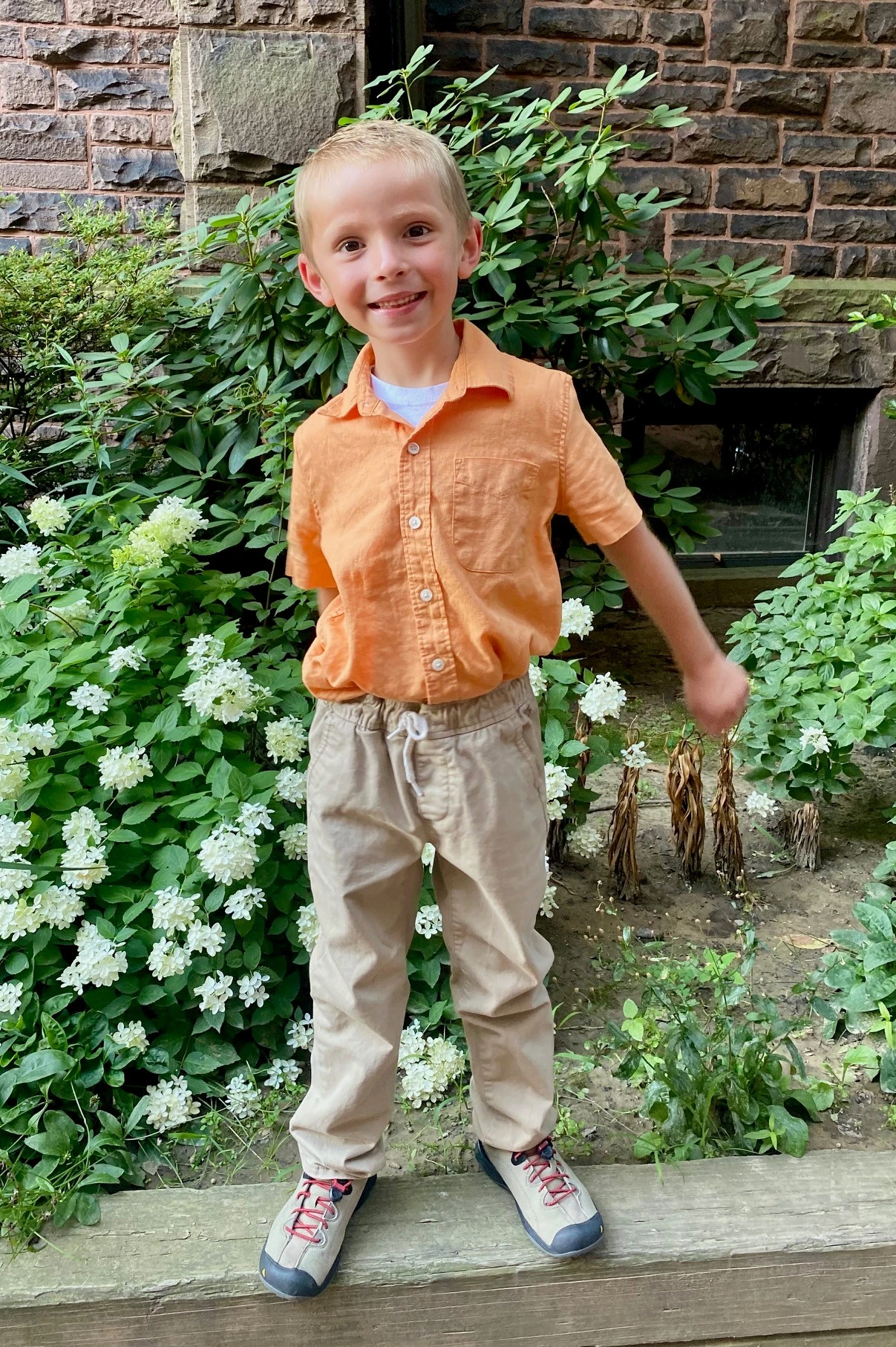
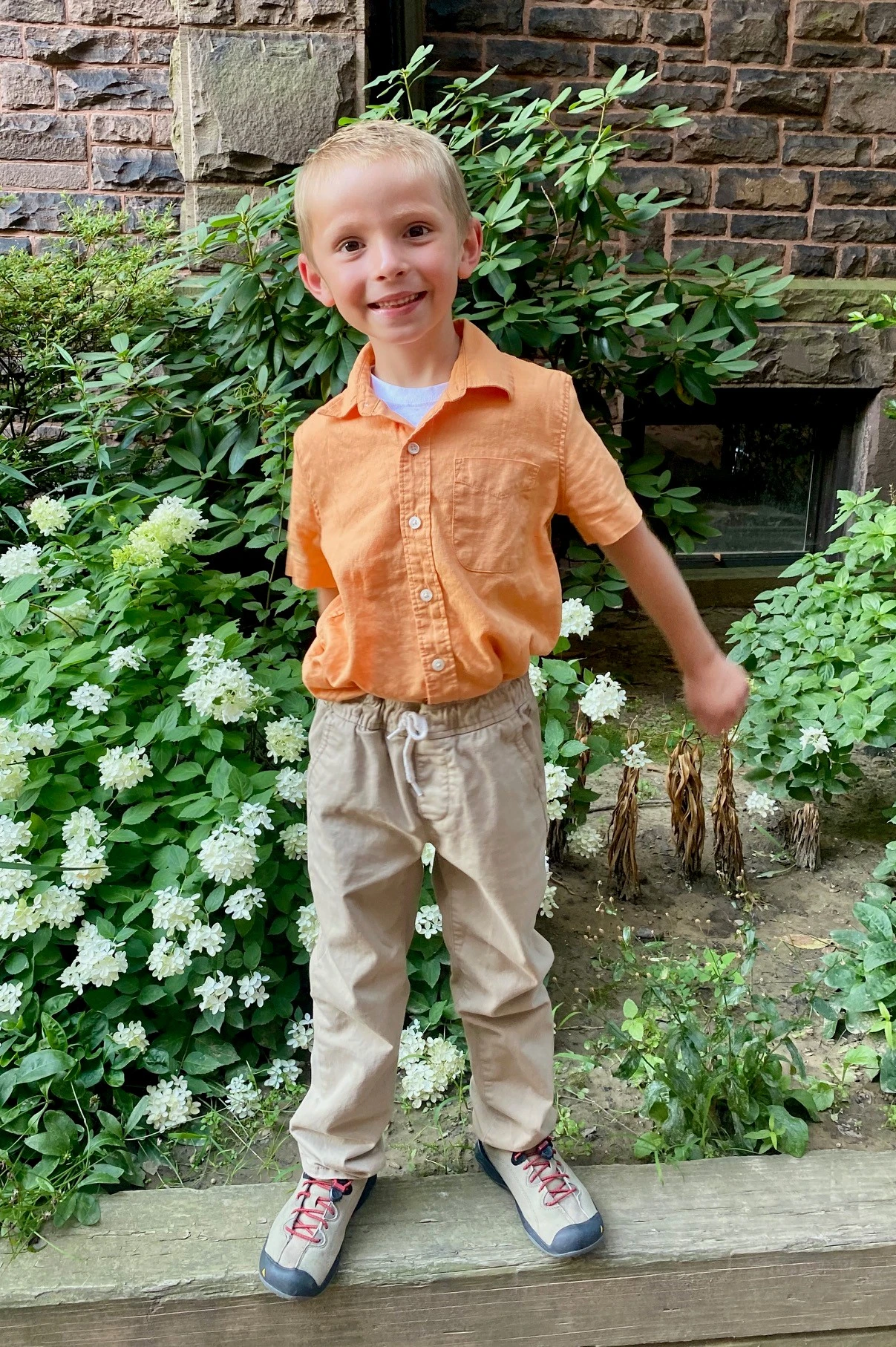
The start of a new school year is traditionally marked by a sense of renewal and growth, but for families navigating the aftermath of childhood terminal illness, these milestones often serve as poignant reminders of what has been lost. In late 2024, as Natalie Gray entered the fourth grade, her mother, Patricia, stood in a school hallway reading an assignment that encapsulated the complex emotional landscape of a "surviving" sibling. Natalie wrote that while she was excited for basketball, she felt a profound sadness because entering fourth grade meant she had officially surpassed every developmental milestone reached by her older brother, Nathan. Nathan Gray died in January 2022 at the age of eight, following a prolonged battle with a rare and aggressive form of kidney cancer known as Wilms tumor. His story, while rooted in personal tragedy, has become the catalyst for a significant national research initiative aimed at closing the survival gap for high-risk pediatric oncology patients.
The Diagnostic Challenge and Early Symptomology
Nathan’s medical journey began when he was just two years old, characterized by a series of intermittent high fevers that baffled his primary care providers. For months, his symptoms followed a cyclical pattern: a sudden spike in temperature followed by a return to his typical energetic and "goofy" demeanor. This presentation led to repeated clinical dismissals. Medical records and parental accounts indicate that because Nathan appeared healthy between febrile episodes, his symptoms were initially downplayed. Patricia was famously told by a practitioner to "put the thermometer away," under the assumption that the child was "too happy to be sick."
This diagnostic delay highlights a recurring issue in pediatric oncology: the difficulty of identifying rare cancers that mimic common childhood ailments. It was only when a subsequent fever led to an emergency room visit that the severity of Nathan’s condition was recognized. Immediate blood transfusions were required, and he was transferred to a specialized children’s hospital. The eventual diagnosis was Wilms tumor, or nephroblastoma, a type of cancer that originates in the kidneys and is the most common form of kidney cancer in children.
Clinical Overview: The Paradox of Wilms Tumor
To understand the stakes of Nathan’s battle, one must examine the statistical reality of Wilms tumor. In the United States, approximately 500 to 600 new cases are diagnosed annually. For the vast majority of patients, the prognosis is exceptionally positive; the five-year survival rate for standard-risk Wilms tumor is upwards of 90%. This high success rate is often cited as one of the great triumphs of modern pediatric oncology.

However, a stark divide exists between initial diagnosis and relapse. When Wilms tumor recurs after primary treatment, the clinical outlook shifts dramatically. For children with "very high-risk" relapsed Wilms tumor—a category that includes those whose cancer returns in the lungs or other distant organs—the survival rate plummets. Data suggests that eight out of ten children in this specific sub-category will not survive. Nathan Gray fell into this statistical minority. Despite achieving a two-year period of remission following his initial treatment, doctors discovered tumors in both of his lungs in May 2019. This relapse signaled a transition into a high-risk category for which standard protocols are often ineffective.
A Community Response and the Limitations of Modern Medicine
Following his relapse, Nathan underwent six years of intensive treatment, including multiple surgeries, rounds of chemotherapy, and radiation. He was treated by some of the nation’s leading institutions, including Geisinger Medical Center, the Children’s Hospital of Philadelphia (CHOP), and Memorial Sloan Kettering Cancer Center (MSKCC).
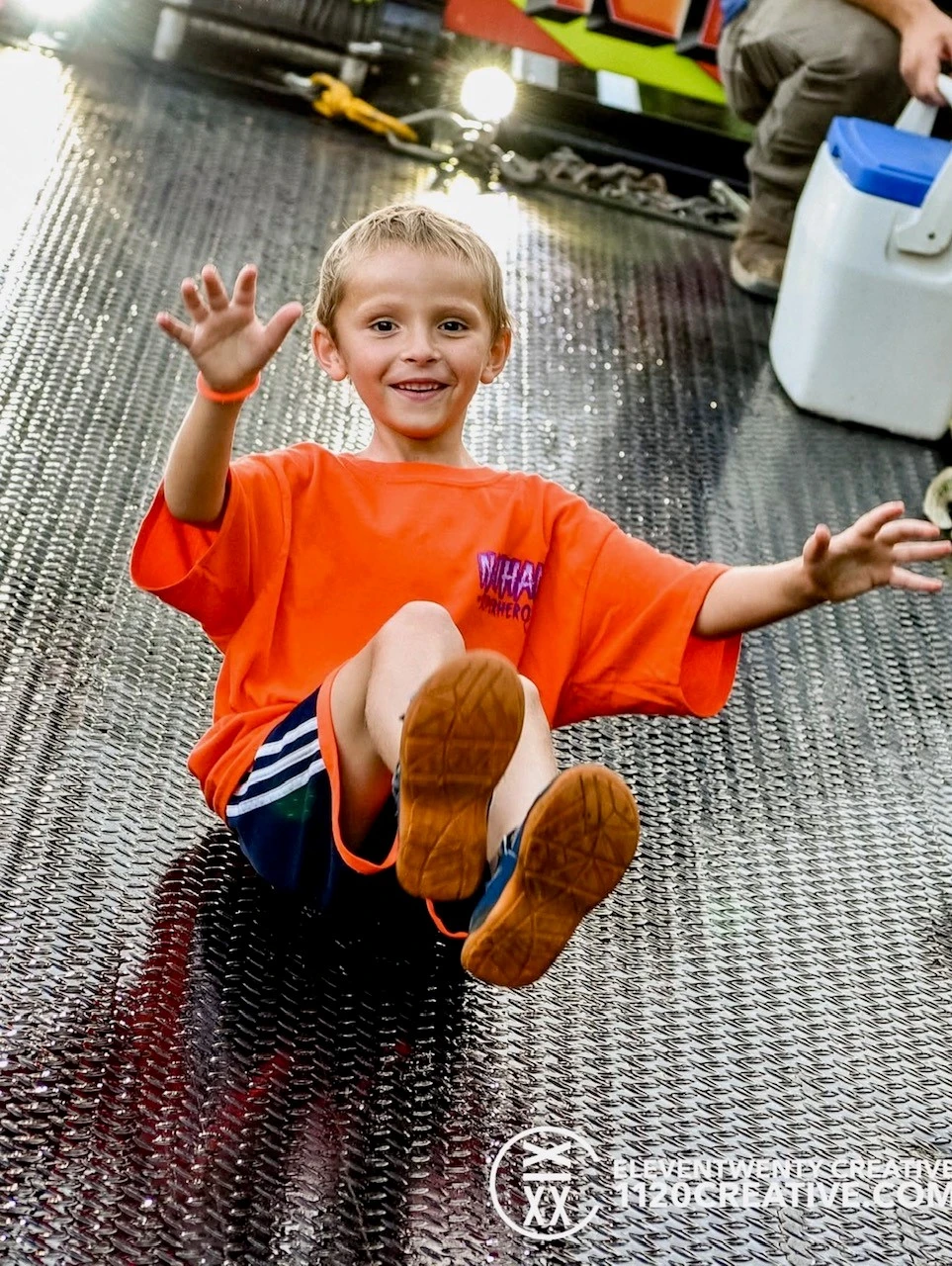
During this period, the Gray family’s local community in Pennsylvania mounted an extensive support campaign. The "orange" movement—named after Nathan’s favorite color—saw local law enforcement, fire departments, and neighbors organizing parades and fundraisers. These efforts provided emotional and financial scaffolding for the family, but they could not compensate for a fundamental lack of medical options.
Patricia Gray describes an exhaustive search for clinical trials or experimental drugs, noting that she "left no rock unturned." However, the family encountered a systemic barrier: the "orphan disease" problem in pharmaceutical research. Because high-risk relapsed Wilms tumor affects a relatively small number of children, it often lacks the commercial incentive required for massive private-sector investment. Consequently, the lifesaving treatment Nathan required simply did not exist in the medical formulary at the time. Nathan passed away on January 6, 2022, leaving behind a family determined to ensure that his "short life" would lead to a longer future for others.
The Pivot to Philanthropy and the 2024 Research Expansion
In the years following Nathan’s death, the Gray family transitioned their grief into a focused philanthropic mission. By late 2024, they partnered with the Children’s Cancer Research Fund (CCRF) to champion a specific research project led by Dr. Michael V. Ortiz, a pediatric oncologist at Memorial Sloan Kettering who had been part of Nathan’s care team.
Dr. Ortiz is currently spearheading a multi-center clinical trial designed to test a novel drug specifically targeting very high-risk relapsed Wilms tumor. This trial represents a critical shift in how rare pediatric cancers are addressed—moving away from broad-spectrum chemotherapy toward more targeted, molecular-based interventions.
Through the advocacy of the Gray family and the CCRF, the trial received a massive influx of support in October 2024. The family attended the Forbes | SHOOK Top Advisor Summit, an assembly of nearly one thousand of the nation’s leading financial advisors. By sharing Nathan’s story, they raised $1 million in a single event. This funding has allowed Dr. Ortiz to expand the trial from a single-site study to a nationwide collaborative effort.
Multi-Center Clinical Trial: Sites and Strategy
The expansion of Dr. Ortiz’s trial is a logistical milestone in pediatric research. Because the patient population for high-risk Wilms tumor is geographically dispersed, a single-site trial often struggles to enroll enough participants to reach statistical significance. With the new funding, the trial has been established at eight major medical hubs across the United States:
- Atlanta, GA
- Boston, MA
- Chicago, IL
- Cincinnati, OH
- Los Angeles, CA
- Palo Alto, CA
- St. Louis, MO
- Washington, DC
The trial aims to enroll 21 pediatric patients. While 21 may seem like a small number in the context of adult oncology, in the realm of rare pediatric tumors, it represents a significant cohort that could provide the data necessary for FDA approval of new treatments. The goal is to provide a "third-line" or "fourth-line" option for children who have exhausted all standard therapies—the very option that was unavailable to Nathan Gray in 2022.
Analysis of the Pediatric Funding Gap
The story of the Gray family highlights a broader systemic issue in the American medical landscape: the disparity in cancer research funding. Currently, only about 4% of the National Cancer Institute’s (NCI) federal budget is dedicated specifically to childhood cancers. The remaining 96% is directed toward adult cancers, which are more prevalent and often driven by lifestyle factors or aging.
Because pediatric cancers are biologically distinct from adult cancers—driven more by developmental mutations than by environmental factors—adult treatments are frequently ineffective or overly toxic for children. This funding gap necessitates the intervention of private nonprofits and family-led foundations. The $1 million raised by the Gray family is not merely a donation; it is a critical bridge that allows researchers to bypass the years-long waiting period often associated with federal grants.
The "Surviving Sibling" Perspective and Long-term Impact
A significant but often overlooked aspect of this narrative is the impact on surviving siblings like Natalie and Jeffery Gray. Natalie’s decision to donate her birthday and "tooth fairy" money to Dr. Ortiz’s research reflects a growing trend of "legacy-building" among the youth in families affected by terminal illness.
Psychologically, milestones like the "first day of fourth grade" serve as markers of "survivor guilt" or "developmental mourning." For Natalie, passing her brother’s age and grade level was not just an academic step, but a confrontation with the finality of his life. By involving the siblings in the philanthropic process, the Gray family is attempting to reshape that narrative from one of "passing him by" to one of "carrying him forward."
Conclusion: A New Standard of Hope
The legacy of Nathan Gray is currently being written in the laboratories of Memorial Sloan Kettering and the seven other sites participating in the new clinical trial. While the medical community could not save Nathan, the data generated from his struggle and the funding raised in his name are providing a roadmap for the next generation of oncology.
The implications of this trial extend beyond Wilms tumor. If the targeted drug proves successful, the multi-center model used to fund and execute the trial could serve as a blueprint for other rare pediatric "orphan" diseases. As Patricia Gray noted during her address to donors, the goal is to ensure that the families of children diagnosed today or tomorrow do not have to face the same "no-hope" scenario her family endured. For the pediatric oncology community, Nathan Gray’s story is a reminder that while medical progress is often slow, it is propelled by the relentless persistence of those who refuse to let a child’s story end with their final breath.
