
 By admin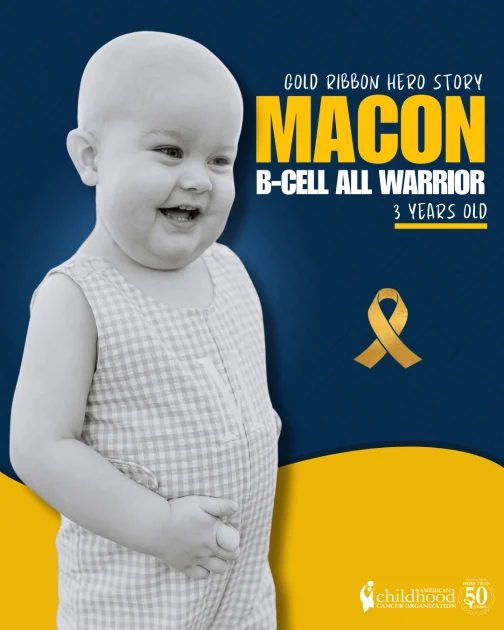
The clinical journey for Macon began not with an emergency room visit or a sudden onset of visible illness, but during a routine two-year pediatric checkup—a milestone typically associated with growth charts and developmental assessments. During this standard wellness visit, a routine finger-prick blood test, designed to screen for basic health markers like hemoglobin levels, revealed a catastrophic anomaly: an extremely elevated white blood cell count. This clinical finding immediately shifted the trajectory of the visit from a routine screening to a medical emergency, as the pediatrician directed the family to proceed directly to the hospital for specialized oncological evaluation.
Within hours of the initial screening, the family’s reality was fundamentally altered. Following extensive diagnostic testing in the emergency department, including comprehensive blood panels and imaging, physicians confirmed that Macon was suffering from B-Cell Acute Lymphoblastic Leukemia (B-ALL). The diagnosis was met with profound shock and disbelief by his parents, particularly because Macon had remained asymptomatic, appearing to be a perfectly healthy and energetic toddler in the weeks leading up to the appointment. This lack of outward symptoms is a noted characteristic in some pediatric leukemia cases, where the internal progression of the disease precedes visible physical decline.
Understanding B-Cell Acute Lymphoblastic Leukemia (B-ALL)
B-Cell Acute Lymphoblastic Leukemia is a type of cancer that originates in the bone marrow, the soft inner part of the bones where new blood cells are produced. In patients with B-ALL, the marrow produces an overabundance of immature lymphocytes, a type of white blood cell. These "leukemia cells" or "blasts" fail to mature into functional B-cells, which are essential for the body’s immune system to fight infections. Instead, these malignant cells multiply rapidly and crowd out healthy red blood cells, white blood cells, and platelets.
According to data from the American Cancer Society and the National Cancer Institute, ALL is the most common form of childhood cancer, accounting for approximately 25% of all cancer diagnoses in children under the age of 15. While the diagnosis is devastating, advancements in pediatric oncology have made B-ALL one of the most treatable forms of childhood malignancy, with a five-year survival rate now exceeding 90%. However, achieving these outcomes requires a rigorous, multi-year treatment protocol that places significant physical and emotional strain on the patient and their family.
Clinical Chronology and Treatment Complications
Macon’s transition from diagnosis to active treatment was immediate. The standard of care for pediatric B-ALL involves several distinct phases: induction, consolidation (or intensification), and maintenance. Macon’s initial phase was complicated by a severe secondary medical challenge. Shortly after his initial treatment began, he developed a serious staph infection (Staphylococcus aureus) in his bloodstream.
Staph infections are a significant risk for pediatric oncology patients due to the presence of central venous access devices—such as the "port" placed in Macon’s chest—and the immunocompromised state induced by chemotherapy. The severity of the infection necessitated the removal and subsequent replacement of his port on two separate occasions. This complication added layers of surgical intervention and intensive antibiotic therapy to an already complex oncological regimen.
Despite these early setbacks, Macon’s treatment progressed through the necessary milestones. His protocol has included:
- Chemotherapy: The administration of powerful cytotoxic drugs designed to kill rapidly dividing cancer cells.
- Lumbar Punctures: Also known as spinal taps, these procedures are performed every six weeks to deliver chemotherapy directly into the cerebrospinal fluid. This "intrathecal" therapy is critical for preventing the leukemia from spreading to the central nervous system.
- Bone Marrow Biopsies: These invasive procedures involve extracting samples of bone marrow to monitor the "minimal residual disease" (MRD). These tests determine the percentage of leukemia cells remaining in the marrow and help oncologists gauge the effectiveness of the current chemotherapy dosage.
Current Status and Long-Term Outlook
Macon is currently navigating the "maintenance" phase of his treatment. While less intensive than the initial induction phase, maintenance therapy is a long-term commitment designed to eliminate any remaining sub-microscopic leukemia cells and prevent a relapse. For Macon, this journey is projected to span a total of two and a half years.
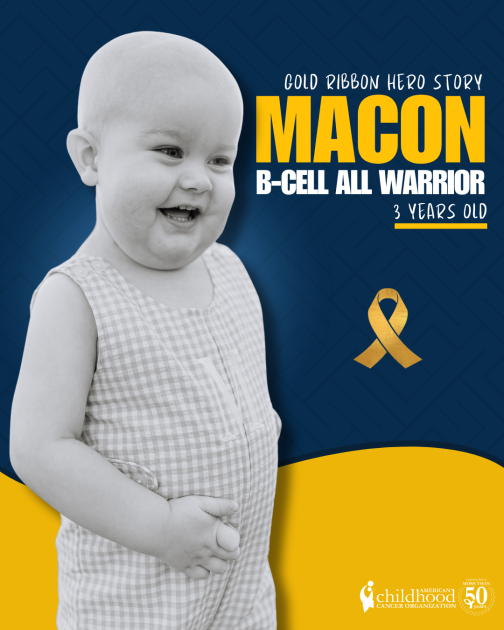
His mother, Madeline, reports that Macon has shown remarkable resilience throughout the first year of his journey. "He just completed his first year of leukemia treatment and has handled chemotherapy incredibly well," she stated. "His weekly blood work continues to show no circulating leukemia cells, and his treatment is working as expected."
Macon remains an active and playful three-year-old, finding joy in outdoor activities, riding toys, and spending time with his sister. This ability to maintain a sense of normalcy is often cited by pediatric specialists as a vital component of a child’s overall well-being during long-term cancer treatment. If his recovery continues on its current trajectory without further complications, Macon is scheduled to complete his final round of therapy and "ring the bell"—a ceremonial milestone marking the end of active cancer treatment—in May 2027.
Supporting Data on Pediatric Oncology Challenges
The story of Macon highlights several broader issues within the landscape of pediatric healthcare. While the survival rates for B-ALL are high, the toxicity of the treatments remains a primary concern for the medical community. The "standard" treatments for childhood leukemia have remained largely unchanged for decades, relying on heavy doses of chemotherapy that can lead to long-term side effects, including heart damage, secondary cancers, and cognitive impairments.
Furthermore, the financial and logistical burden on families is substantial. A study published in the Journal of Oncology Practice indicates that families of children with cancer often face significant out-of-pocket expenses, loss of income due to caregiving responsibilities, and the psychological toll of "scanxiety"—the intense anxiety felt before and after follow-up medical imaging and blood work.
The Role of Advocacy and Research Funding
Organizations like the American Childhood Cancer Organization (ACCO) play a pivotal role in supporting families like Macon’s. Because pediatric cancer research receives a disproportionately small percentage of federal funding compared to adult cancers, non-profit organizations are essential for filling the gap. Only about 4% of the National Cancer Institute’s budget is dedicated specifically to childhood cancer research.
Advocacy groups focus on several key pillars:
- Providing Resources: Offering educational materials to help parents understand complex diagnoses like B-ALL.
- Emotional Support: Connecting families with peer networks to combat the isolation that often accompanies a chronic illness diagnosis.
- Legislative Advocacy: Pushing for increased federal funding and the development of "precision medicine" that can target cancer cells more accurately with fewer side effects on a child’s developing body.
Broader Implications of Early Detection
Macon’s case serves as a powerful testament to the importance of routine pediatric wellness visits. The fact that his leukemia was caught during a standard checkup, despite the absence of symptoms, underscores the life-saving potential of consistent medical screening. Early detection in B-ALL allows for the immediate initiation of induction therapy, which is the most critical window for achieving remission.
The medical community continues to emphasize that while pediatric cancer is rare, the vigilance of primary care physicians and the accessibility of basic diagnostic tools, like the complete blood count (CBC), remain the first line of defense. As Macon moves toward his 2027 completion date, his journey remains a source of data and inspiration for clinical teams working to refine treatment protocols for the thousands of children diagnosed with B-ALL each year.
The fight against childhood cancer is not a solitary one. It requires a coordinated effort between medical professionals, researchers, advocacy groups, and the community at large. As Macon’s mother reminds supporters, children cannot fight these battles alone. The ongoing commitment to funding and awareness is what ensures that "warriors" like Macon have the opportunity to complete their treatment and return to a life defined not by illness, but by the simple joys of childhood.
