
 By admin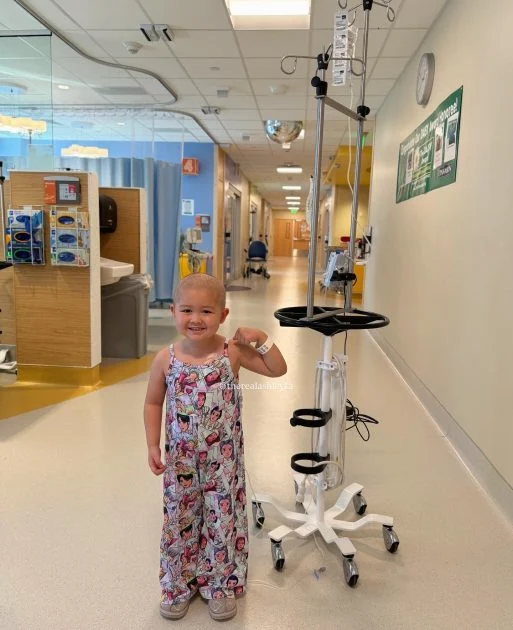
The appointment of four-year-old Rylee as a 2026 Ambassador for the American Childhood Cancer Organization (ACCO) marks a significant milestone in a journey defined by maternal persistence, medical resilience, and the complexities of pediatric oncology. Diagnosed with Acute Lymphoblastic Leukemia (ALL) in August 2024, Rylee’s story has become a focal point for advocacy, highlighting the critical importance of parental intuition and the necessity of specialized pediatric care. Her mother, Ashley, has utilized their platform to document the realities of childhood cancer, emphasizing that the path to a diagnosis is often as harrowing as the treatment itself. Rylee, now in the maintenance phase of her journey, represents thousands of children who face years of intensive therapy to combat the most common form of childhood cancer.
The Path to Diagnosis: A Case Study in Parental Advocacy
The onset of Rylee’s illness was characterized by a series of non-specific symptoms that frequently mimic common childhood ailments. For several days, Rylee exhibited fevers, chills, body aches, a swollen eye, and swollen lymph nodes. Despite multiple visits to Urgent Care and Emergency Room facilities, the initial clinical assessments suggested minor issues, such as allergies or localized infections. This phenomenon, often referred to in medical circles as diagnostic overshadowing, occurs when symptoms are attributed to less severe, more common conditions, potentially delaying the identification of life-threatening illnesses.
Ashley’s refusal to accept these preliminary assessments was the turning point in Rylee’s care. On August 6, 2024, after navigating a cycle of being told her daughter was "fine," Ashley demanded a comprehensive blood test. By 5:00 PM that evening, the results confirmed a diagnosis of leukemia. The timing of the diagnosis added a layer of logistical and emotional complexity, as Rylee’s father, Jacob, was deployed overseas with the military at the time. Alone, Ashley managed the immediate aftermath of the news, which included Rylee being transported via ambulance to a specialized pediatric facility in Denver, Colorado.
Medical experts often cite "maternal intuition" or "parental gut feeling" as a valid clinical indicator that warrants further investigation. In pediatric oncology, where early detection can significantly influence treatment outcomes, the ability of a parent to advocate for their child is paramount. Ashley’s experience serves as a stark reminder that persistence within the healthcare system is often a prerequisite for obtaining life-saving interventions.
Clinical Overview: Acute Lymphoblastic Leukemia and Treatment Protocols
Acute Lymphoblastic Leukemia (ALL) is a type of cancer that affects the blood and bone marrow. It is characterized by the overproduction of immature white blood cells, known as lymphoblasts, which crowd out healthy red blood cells, white blood cells, and platelets. According to the National Cancer Institute, ALL is the most common cancer diagnosed in children, representing approximately 75% to 80% of all pediatric leukemia cases. While the five-year survival rate for pediatric ALL has seen a dramatic increase over the last several decades—now exceeding 90% in many developed nations—the treatment regimen remains one of the most grueling in modern medicine.
Rylee’s initial week of treatment involved a series of invasive procedures designed to stabilize her condition and begin the eradication of cancerous cells. These included:
- Port-a-Cath Placement: The surgical insertion of a central venous access device to allow for the frequent administration of chemotherapy and the drawing of blood samples without repeated needle sticks.
- Bone Marrow Biopsy: A procedure to determine the percentage of leukemia cells in the marrow.
- Lumbar Puncture with Intrathecal Chemotherapy: The injection of chemotherapy directly into the spinal fluid to prevent or treat the spread of leukemia to the central nervous system.
- Transfusion Support: Three blood transfusions and two platelet transfusions were required to address the anemia and low platelet counts caused by both the disease and the initial rounds of chemotherapy.
In early September 2024, Rylee was declared to be in clinical remission, meaning that leukemia cells were no longer detectable in her bone marrow using standard testing methods. However, in the context of ALL, "remission" does not signal the end of treatment. To prevent a relapse, a multi-year protocol is required. Rylee’s treatment plan is scheduled to continue through October 2027, illustrating the long-term commitment required from both the patient and the family.
Innovations in Pediatric Oncology: The Role of Blinatumomab
A significant component of Rylee’s ongoing treatment is the use of Blinatumomab (marketed as Blincyto). This medication represents a shift in oncology toward immunotherapy, which leverages the body’s own immune system to target cancer cells. Blinatumomab is a bispecific T-cell engager (BiTE) antibody. It works by bridging the CD19 protein found on the surface of leukemia cells with the CD3 protein on T-cells, effectively "teaching" the immune system to identify and destroy the cancerous cells.
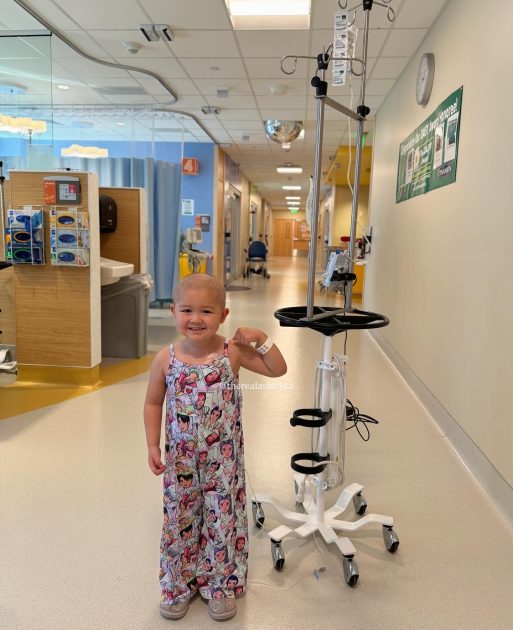
The administration of Blinatumomab is unique in its delivery. It requires a continuous intravenous infusion over a 28-day cycle. For Rylee, this meant carrying her medication and the infusion pump in a small backpack—which her family dubbed her "superhero backpack"—for nearly a month. This technology allows pediatric patients to maintain a degree of mobility and continue some normal childhood activities while receiving life-saving medication, a significant improvement over traditional hospital-bound infusion methods.
The American Childhood Cancer Organization and the Power of Medical Play
As a 2026 ACCO Ambassador, Rylee represents the mission of the American Childhood Cancer Organization, the oldest and largest grassroots childhood cancer organization in the United States. Founded in 1970 by parents of children with cancer, the ACCO focuses on providing resources, advocating for increased research funding, and supporting families through the practical and emotional challenges of a diagnosis.
One of the primary resources highlighted by Rylee is the ACCO’s Medical Play Kit. Therapeutic play is a recognized clinical tool in pediatric medicine, designed to help children process their experiences and reduce the trauma associated with frequent medical procedures. By using toy stethoscopes, syringes, and bandages on dolls or stuffed animals, children like Rylee gain a sense of agency and understanding of their own treatment. Rylee’s enthusiastic participation in "medical play"—joking that she is "Dr. Ta"—demonstrates the psychological benefits of these interventions. They transform a frightening, passive experience into an active, manageable one, fostering the resilience needed for a multi-year treatment journey.
Socio-Economic and Emotional Impact on Military Families
Rylee’s case also sheds light on the specific challenges faced by military families dealing with catastrophic illness. The deployment of a parent creates a significant void in the domestic support system exactly when it is most needed. For Ashley, managing the initial diagnosis, the emergency transport to Denver, and the early stages of intensive treatment while Jacob was overseas required an extraordinary level of fortitude.
The Department of Defense offers programs such as the Exceptional Family Member Program (EFMP) to assist families with special medical needs, but the emotional toll of separation during a health crisis remains a profound burden. Rylee’s story underscores the need for robust community and institutional support for military families, ensuring that those who serve the country are supported when their own families face internal crises.
Analysis: The Imperative for Continued Research and Advocacy
While Rylee’s progress is a testament to the efficacy of current medical protocols, her journey highlights systemic issues within the landscape of pediatric oncology. Despite being the leading cause of death by disease in children in the United States, childhood cancer research receives a disproportionately small fraction of federal funding compared to adult cancers. The "4% for childhood cancer" statistic is a common rallying cry among advocates who argue that the unique biological makeup of pediatric tumors requires dedicated, specialized research.
Furthermore, the long-term effects of current treatments remain a concern. Survivors of childhood ALL often face late-onset side effects, including cardiac issues, secondary cancers, and cognitive challenges, due to the toxicity of traditional chemotherapy. The transition toward immunotherapies like Blinatumomab is a step toward more targeted, less toxic treatments, but continued advocacy is necessary to accelerate the development of these "kinder" therapies.
Conclusion and Outlook
Rylee’s journey from a dismissed patient in Urgent Care to a 2026 ACCO Ambassador is a narrative of survival and the power of the maternal voice. Her story is not merely a personal triumph but a call to action for the medical community and the public at large. It emphasizes the necessity of trusting parental observations, the value of innovative immunotherapies, and the essential role of organizations like the ACCO in supporting families through the darkest periods of their lives.
As Rylee continues her treatment through 2027, she remains a symbol of the "warrior" spirit attributed to children battling leukemia. Her ability to find joy in "superhero backpacks" and medical play kits serves as an inspiration, while her mother’s advocacy provides a roadmap for other parents navigating the complexities of the healthcare system. The fight against childhood cancer is a collective endeavor, requiring the integration of medical expertise, parental vigilance, and sustained community support to ensure that every child has the opportunity to reach the milestone of a cancer-free life.
