
 By admin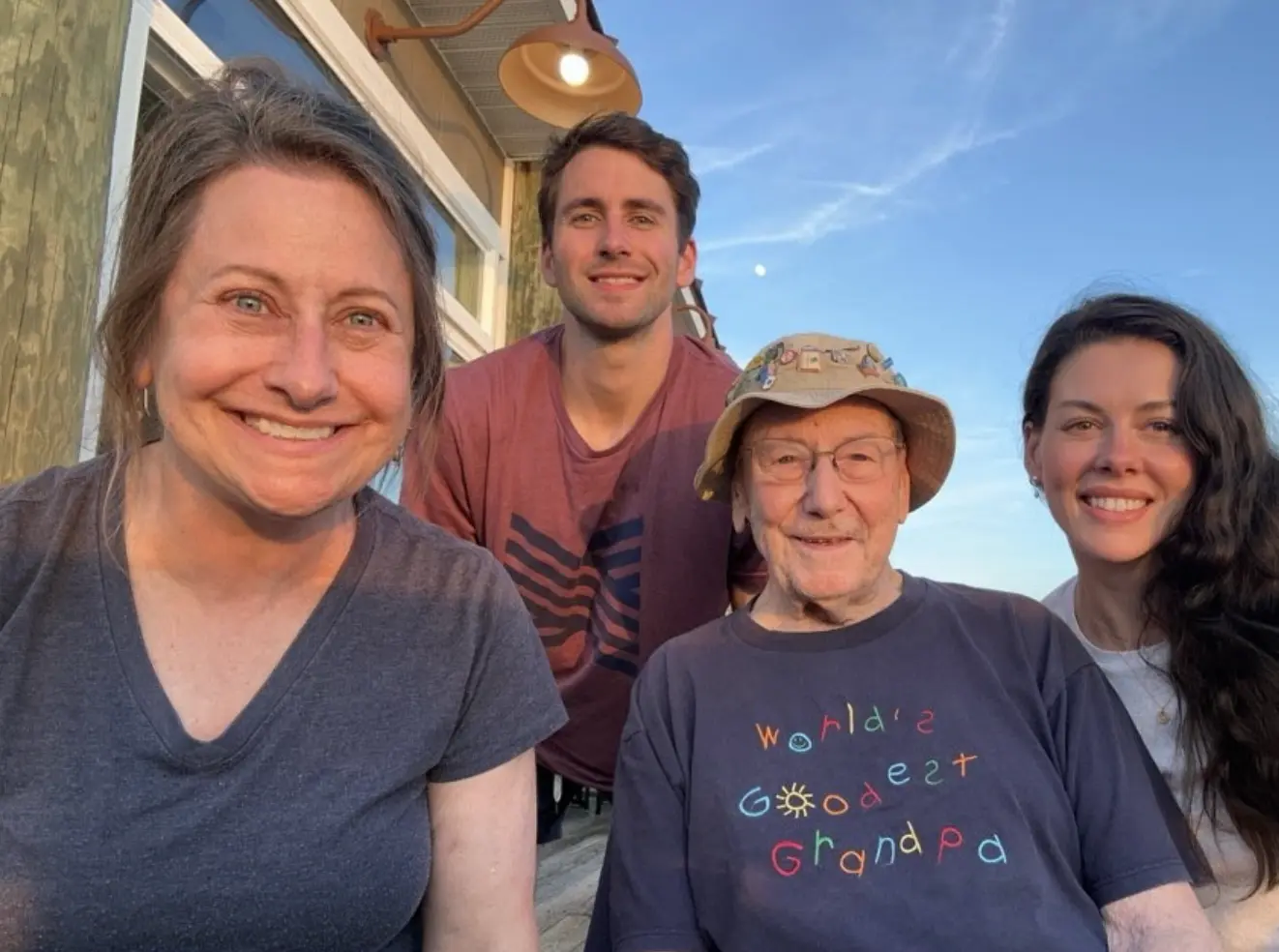
The intersection of high-growth technology and medical philanthropy has found a prominent new advocate in Alex Monahan, the founder of the sports analytics platform OddsJam. Following the successful acquisition of his startup, Monahan has transitioned his focus from data-driven market analysis to the complex landscape of pediatric oncology. By partnering with the Children’s Cancer Research Fund (CCRF), Monahan is applying an entrepreneurial lens to one of the most challenging fields in medicine, emphasizing the role of artificial intelligence and advanced technological tools in improving patient outcomes. His commitment comes at a critical juncture for the sector, as private funding increasingly bridges the gap between federal research grants and the clinical implementation of next-generation therapies.
A Personal Mission Rooted in Northern Virginia
For Alex Monahan, the fight against cancer is not an abstract scientific endeavor but a deeply personal narrative. Growing up in Northern Virginia, Monahan experienced the devastating impact of the disease within his own household. During his high school years, he witnessed his grandmother lose her battle with cancer, an experience that provided an early, sobering look at the limitations of contemporary medical treatment. Years later, his father faced his own cancer diagnosis, further cementing Monahan’s resolve to contribute to a field that had so significantly shaped his family’s history.
"Cancer has been part of my life," Monahan reflected during a recent discussion regarding his philanthropic motives. "I can’t imagine having a child go through it, but I know how hard it was for my family." This proximity to the patient experience has informed his approach to giving, moving him to look beyond mere financial contributions toward a model of "venture philanthropy" that prioritizes scalable impact and long-term survivorship.
From Stanford Innovation to Philanthropic Strategy
Monahan’s professional trajectory began at Stanford University, an institution synonymous with the fusion of technology and entrepreneurship. While he was initially drawn to the field of medicine, his aptitude for computer science and market dynamics led him toward the startup ecosystem. This path culminated in the creation of OddsJam, a platform that utilized sophisticated algorithms to provide transparency and data analysis for sports enthusiasts.
After the sale of his company, Monahan began evaluating his legacy. The transition from a fast-paced tech environment to the world of non-profit support required a rigorous vetting process. A targeted search for organizations maximizing research efficiency led him to the Children’s Cancer Research Fund. Monahan noted that he became an "instant supporter" after recognizing the organization’s commitment to funding high-risk, high-reward research that often struggles to secure traditional government funding.
"We’re the people 20 years ago," Monahan stated, emphasizing the longitudinal nature of medical progress. "What we invest in today will define what cancer care looks like for the next generation."
The Critical Role of Technology in Pediatric Oncology
One of the primary drivers of Monahan’s interest in CCRF is the organization’s integration of modern technology into its research portfolio. As a software expert, Monahan views the current era of oncology as a data problem. The application of Artificial Intelligence (AI) and Machine Learning (ML) is currently revolutionizing how researchers identify genetic markers and develop personalized treatment protocols.
In the realm of pediatric cancer, where patient populations are smaller than in adult oncology, data scarcity is a perennial hurdle. AI tools allow researchers to aggregate and analyze disparate datasets from across the globe, accelerating the discovery of new drug compounds and reducing the time required for clinical trials. Monahan is particularly vocal about the potential for these tools to not only find cures but to minimize the debilitating side effects of current treatments.
"AI and other tools can speed discovery, improve quality of care, and reduce treatment side effects," Monahan explained. By focusing on precision medicine—treatments tailored to the specific genetic makeup of a child’s tumor—philanthropists like Monahan are helping to usher in an era where "brute force" treatments like broad-spectrum chemotherapy are replaced by targeted therapies that preserve a child’s long-term health.
Chronology of Engagement: From Research to the Community
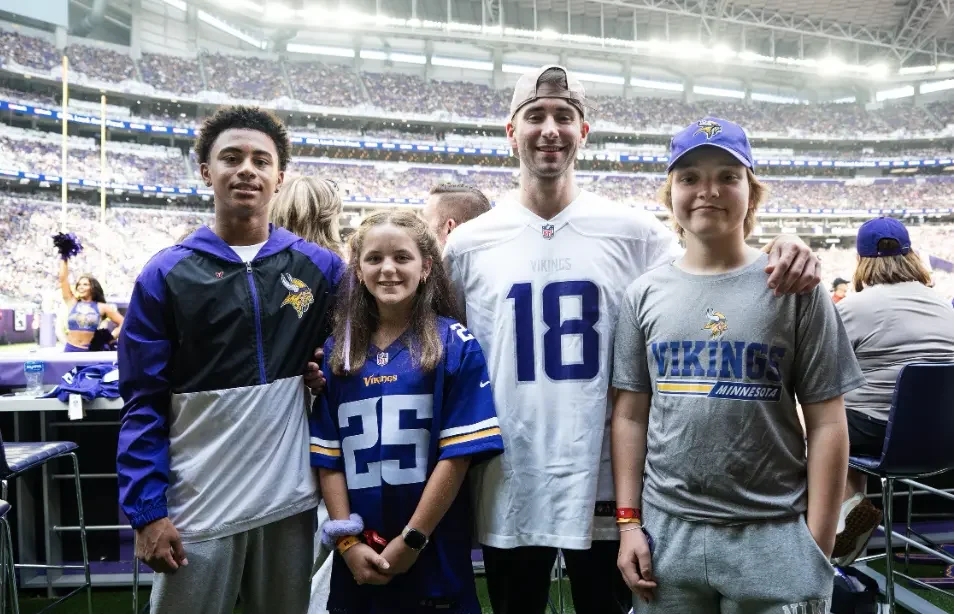
Monahan’s involvement with CCRF has evolved from financial contributions to active community engagement. A significant milestone in this journey occurred during a pre-season Minnesota Vikings game, where Monahan spent time with families currently navigating the challenges of pediatric cancer in the CCRF suite.
For Monahan, who viewed sports as a vital "escape" during his own family’s medical crises, seeing the resilience of the children in attendance provided a human face to the data he analyzes. "Seeing these kids’ excitement and resilience reminded me how important it is to step out of your bubble and help people," he remarked.
This event served as a bridge between the clinical "why" of his giving and the "who" it serves. It followed his initial major donation, which was directed toward high-priority research areas, including a significant brain tumor clinical trial at Children’s Minnesota. This trial represents the cutting edge of pediatric neuro-oncology, focusing on innovative delivery systems for medication that can bypass the blood-brain barrier—a notorious obstacle in treating childhood brain cancers.
Supporting Data: The Funding Gap in Pediatric Research
To understand the impact of Monahan’s contributions, it is necessary to examine the broader financial landscape of cancer research. According to data from the National Cancer Institute (NCI), only about 4% of the federal budget for cancer research is dedicated specifically to pediatric cancers. This discrepancy leaves a massive void that must be filled by private donors and non-profit organizations.
Furthermore, while the overall five-year survival rate for childhood cancer has risen to over 80%, the quality of life for survivors remains a major concern. Statistics indicate that by age 45, more than 95% of childhood cancer survivors will have a chronic health problem related to their previous treatment, such as cardiovascular disease, secondary cancers, or cognitive impairments. Monahan’s focus on "survivorship" aims to address these long-term "late effects" by funding research into less toxic, more refined treatment modalities.
Official Perspectives and Institutional Impact
Leaders within the pediatric research community have noted that donors like Monahan bring more than just capital; they bring a demand for transparency and efficiency. "The influx of support from the tech community has shifted the conversation toward ‘milestone-based’ funding," says a representative from the research sector. "It encourages researchers to think about the path to commercialization and clinical application from day one."
At Children’s Minnesota, the brain tumor clinical trials supported by CCRF donors are seeing promising early-stage results in targeted drug delivery. Medical professionals involved in the project emphasize that without private philanthropy, these trials would likely remain in the conceptual phase for years due to the bureaucratic hurdles of federal grant cycles.
Broader Implications: A New Era of Venture Philanthropy
Alex Monahan’s entry into the philanthropic space reflects a growing trend among young tech entrepreneurs who are bypass traditional, broad-based giving in favor of "deep-dive" involvement in specific scientific challenges. This "venture philanthropy" model treats a donation as an investment in a specific outcome—in this case, a future where childhood cancer is no longer a life-threatening or life-altering diagnosis.
Monahan’s advice to others looking to make a difference is rooted in the same pragmatism that drove his success at Stanford and with OddsJam. "Be realistic about what you can do. Money is a tool, so it’s what you do with it that matters. Access your resources, get started now, and don’t be afraid to understand the science behind your giving."
The clarity provided by the CCRF team regarding how his gifts are utilized has been a cornerstone of his continued involvement. By demystifying the science, the organization allows donors to see the direct line between their capital and a child’s recovery.
Conclusion: Moving the Needle for the Next Generation
As Alex Monahan continues his work with the Children’s Cancer Research Fund, his focus remains on the intersection of urgency and innovation. For Monahan, the mission is personal, but the strategy is professional. By leveraging the tools of the digital age—data, AI, and strategic investment—he is helping to redefine the boundaries of what is possible in pediatric oncology.
Through his support of initiatives like the brain tumor trials at Children’s Minnesota and his advocacy for tech-driven research, Monahan is not merely funding treatments; he is helping to build a sustainable infrastructure for discovery. In doing so, he is moving the needle toward a brighter, healthier future for children everywhere, ensuring that the next generation of families does not have to endure the same hardships he witnessed in his youth.
