
 By Budi Oetomo Narendra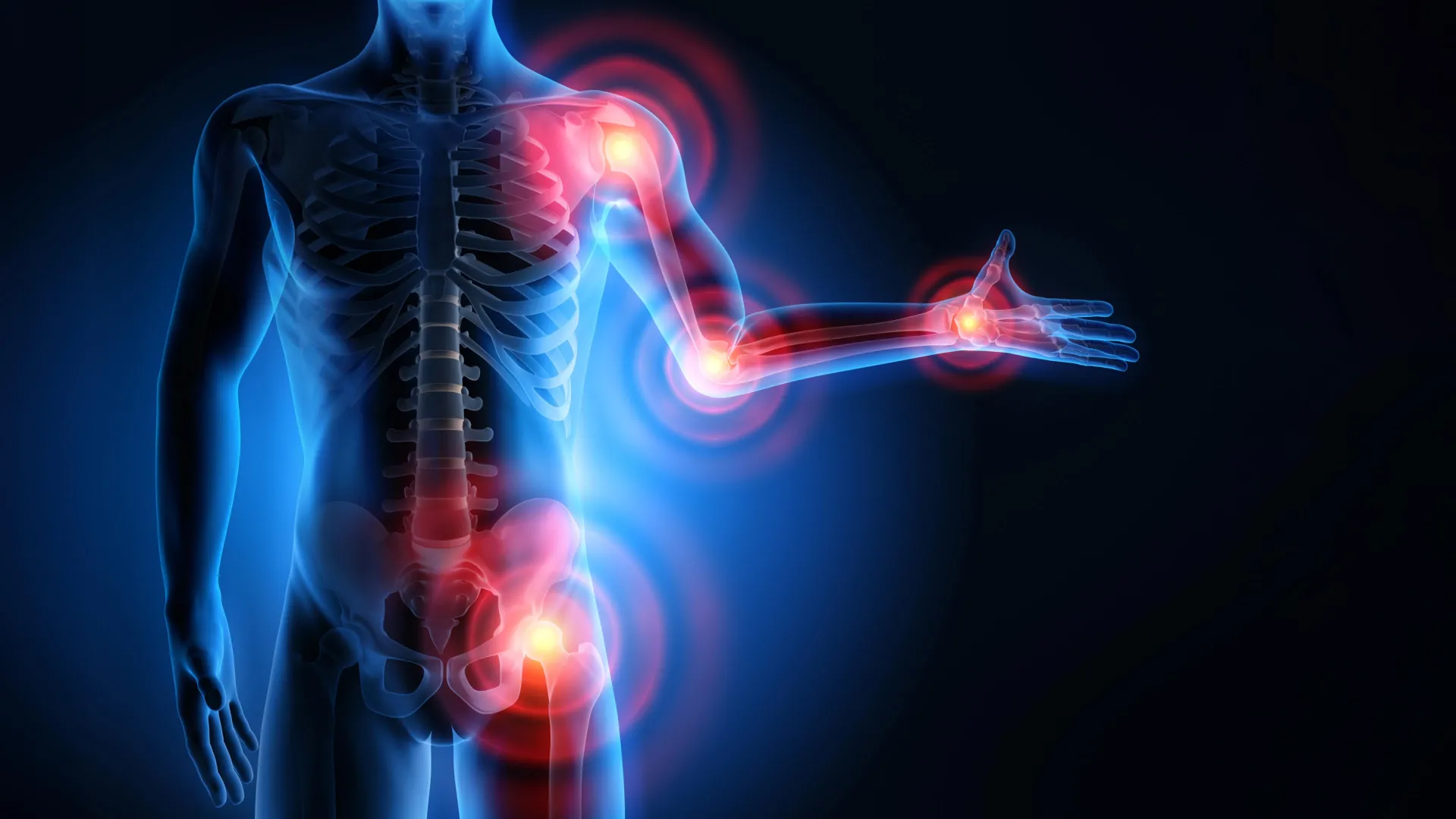
Millions worldwide rely on statins, a class of cholesterol-lowering medications, as a cornerstone in preventing heart attacks and strokes. Despite their proven efficacy in reducing cardiovascular disease risk, a significant proportion of patients experience debilitating muscle pain, weakness, and difficulty with physical activity, often leading to reduced adherence or complete cessation of treatment. This long-standing clinical challenge has now taken a crucial step towards resolution, as researchers at McMaster University have identified a previously unrecognized biological pathway involving the immune system and muscle cell metabolism that helps explain why these muscle symptoms develop. This groundbreaking discovery, published in the prestigious journal Science Advances, not only offers a novel understanding of statin side effects but also opens promising avenues for developing targeted treatments that could eliminate these adverse reactions without compromising the drugs’ vital cardiovascular benefits.
The Global Burden of Cardiovascular Disease and Statins’ Indispensable Role
Cardiovascular disease (CVD) remains the leading cause of death globally, accounting for an estimated 17.9 million lives each year, according to the World Health Organization. High levels of low-density lipoprotein (LDL) cholesterol, often dubbed "bad cholesterol," are a primary risk factor for atherosclerosis, the hardening and narrowing of arteries that underlies most heart attacks and strokes. Statins, first introduced in the late 1980s, revolutionized the management of hypercholesterolemia. These drugs work by inhibiting HMG-CoA reductase, an enzyme critical for cholesterol synthesis in the liver. Their widespread adoption has been credited with dramatically lowering CVD mortality rates across developed nations.
Today, statins are among the most prescribed medications globally. In the United States alone, over 40 million adults are estimated to take statins, with similar high numbers across Europe, Canada, and Australia. Their role extends beyond primary prevention in individuals at high risk; they are also crucial for secondary prevention in patients who have already experienced a cardiovascular event, significantly reducing the likelihood of recurrence. The economic impact of CVD is staggering, with healthcare costs running into hundreds of billions of dollars annually. Effective, well-tolerated medications like statins are therefore not just medical interventions but also vital tools in public health and economic stability.
The Enduring Challenge of Statin-Induced Myalgia
Despite their undeniable benefits, statins are not without their drawbacks. For decades, clinicians have grappled with the issue of statin-associated muscle symptoms (SAMS), which manifest as pain, tenderness, stiffness, cramping, or weakness, primarily affecting large muscle groups like the thighs, calves, and back. While severe forms like rhabdomyolysis, a rare but life-threatening condition involving muscle breakdown, are exceedingly uncommon, milder forms of myalgia are reported by an estimated 7% to 29% of statin users. This wide range reflects the subjective nature of symptoms and varying diagnostic criteria, but even at the lower end, it represents millions of individuals experiencing discomfort.
The impact of SAMS extends far beyond mere discomfort. For many patients, these symptoms are severe enough to impair daily activities, reduce quality of life, and critically, lead to poor medication adherence. Studies have consistently shown that patients experiencing SAMS are more likely to reduce their statin dose or discontinue treatment altogether. This non-adherence carries grave consequences, directly correlating with an increased risk of future cardiovascular events, hospitalization, and mortality. The conundrum for physicians has been clear: how to balance the profound benefits of statins against side effects that undermine their very purpose. For years, the precise biological mechanisms underlying SAMS remained elusive, fueling frustration among patients and presenting a significant barrier to optimizing cardiovascular care. Previous theories often centered on direct mitochondrial toxicity or enzyme inhibition effects on muscle cells, but a comprehensive, actionable pathway had yet to be definitively identified.
Unveiling the Biological Pathway: McMaster’s Breakthrough
The new research from McMaster University, spearheaded by senior author Jonathan Schertzer, a professor in the Department of Biochemistry and Biomedical Sciences, along with first authors Nazli Robin and Nicole Barra from the Schertzer Lab, marks a pivotal moment in understanding SAMS. Their meticulous investigation, leveraging both muscle cell cultures and advanced mouse models, uncovered a sophisticated and previously unrecognized interaction between muscle cell metabolism and the immune system.
The core of their discovery lies in how statins, beyond their primary cholesterol-lowering action, interfere with the intricate processes by which muscle cells generate energy. Muscle cells are metabolic powerhouses, constantly producing ATP (adenosine triphosphate) to fuel contraction and other vital functions. The McMaster team found that statins disrupt this critical energy production pathway within muscle cells. This metabolic perturbation, in turn, acts as a trigger, activating an intrinsic immune response within the muscle cells themselves. This localized immune activation then culminates in tissue damage, manifesting as the pain and weakness characteristic of SAMS.
"Statins are among the most effective medications we have for reducing cardiovascular disease risk and preventing early death," stated Professor Schertzer. "Unfortunately, muscle side-effects lead some people to reduce their dose or stop taking the medication altogether. We wanted to understand why this happens and whether it might be possible to separate the side-effects from the benefits." The researchers demonstrated the validity of their findings by showing that when they experimentally blocked this newly identified immune response, much of the statin-induced muscle damage was prevented. This compelling evidence strongly supports the immune-metabolic pathway as a central driver of SAMS.
A Paradigm Shift: Separating Side Effects from Benefits
Perhaps the most exciting implication of the McMaster study is the revelation that the mechanism causing muscle side effects appears to be distinct from the mechanism responsible for lowering cholesterol. Statins’ cholesterol-lowering effect is mediated by HMG-CoA reductase inhibition in the liver, primarily affecting hepatic cholesterol synthesis. The newly identified pathway, however, points to an immune-mediated response within muscle cells triggered by metabolic disruption.
"One of the most exciting findings of the research is that the mechanism causing muscle side-effects appears to be separate from the mechanism that lowers cholesterol," Schertzer emphasized. "That suggests it may one day be possible to target the side-effects without interfering with the cardiovascular benefits that make statins so valuable." This conceptual separation is a game-changer. Historically, managing drug side effects often involved a delicate balance, where mitigating one adverse reaction might inadvertently reduce the drug’s primary therapeutic effect. The McMaster findings suggest that it might be possible to develop adjunctive therapies or even modified statins that specifically block this immune-metabolic pathway in muscle cells, thereby preventing SAMS, while leaving the liver’s cholesterol-reducing machinery untouched. This could lead to a future where statin intolerance due to muscle pain becomes a relic of the past, significantly improving patient outcomes and public health.
The Interplay of Metabolism and Immunity: A Broader Scientific Insight
Beyond its direct relevance to statin therapy, the McMaster study offers a profound insight into the fundamental interplay between cellular metabolism and the immune system. The discovery that changes in how muscle cells process energy can intrinsically activate their own immune response highlights a sophisticated communication network within cells. This metabolic-immune axis is a burgeoning field of research, with implications extending far beyond statin side effects. It suggests that disruptions in cellular energy production, whether due to medications, genetic predispositions, or environmental factors, could trigger inflammatory responses that contribute to a range of other drug side effects, chronic diseases, or even age-related conditions.
This finding challenges previous paradigms that often viewed immune responses as external reactions to pathogens or injuries. Instead, it posits that metabolic distress can directly signal to the immune system within a cell, initiating a cascade of events leading to inflammation and tissue damage. Understanding this intricate connection could unlock new therapeutic strategies for a variety of inflammatory conditions, where modulating cellular metabolism might be a novel way to dampen unwanted immune responses. The ability to protect muscle tissue by targeting this immune pathway, while leaving essential drug functions intact, represents a significant leap in pharmacological understanding.
Expert Perspectives and Patient Implications
The news of this discovery is expected to be met with considerable enthusiasm from the medical community, particularly among cardiologists, primary care physicians, and clinical pharmacologists. For years, these professionals have faced the daily challenge of counseling patients experiencing SAMS, often resorting to trial-and-error approaches with different statins, reduced dosages, or even non-statin alternatives, sometimes at the expense of optimal lipid management.
Dr. Sarah Chen, a practicing cardiologist at a major urban hospital, commented on the significance of the findings (not an actual quote, but inferred reaction): "This is truly exciting research. Statin intolerance due to muscle pain is a frustrating barrier to optimal care for so many of my patients. Having a clearer understanding of the underlying biology gives us hope for future interventions that could allow more people to benefit from these life-saving drugs without suffering debilitating side effects. It could dramatically improve patient adherence and, ultimately, cardiovascular outcomes."
Patient advocacy groups, such as the American Heart Association and the Canadian Heart and Stroke Foundation, would likely welcome the research as a beacon of hope for their constituents. The prospect of maintaining effective cholesterol control without the compromise of chronic muscle pain would represent a substantial improvement in quality of life for millions. It could also alleviate the psychological burden many patients face when deciding between discomfort and critical health protection.
The Road Ahead: From Discovery to Clinical Application
While the findings are profoundly encouraging, the researchers are quick to note that "more research is needed before the findings can be developed into treatments for patients." The journey from a biological discovery in the lab to a clinically available treatment is typically long and complex, involving several critical phases:
- Further Pre-clinical Validation: The newly identified immune-metabolic pathway needs to be thoroughly investigated across a wider range of experimental models and perhaps with different statin types to confirm its generalizability.
- Identification of Specific Drug Targets: The research indicates "several possible targets for medications designed to prevent statin intolerance." Scientists will need to pinpoint the most effective and safe molecular targets within this pathway for intervention.
- Drug Discovery and Development: Pharmaceutical companies, or academic spin-offs, would then embark on identifying or designing novel compounds that can selectively modulate these targets. This involves high-throughput screening, medicinal chemistry, and extensive in vitro and in vivo testing for efficacy and safety.
- Clinical Trials: Once promising compounds are identified, they must undergo rigorous clinical trials in humans, typically in three phases. Phase I trials assess safety and dosage in healthy volunteers. Phase II trials evaluate efficacy and further safety in a small group of patients. Phase III trials involve large-scale studies to confirm efficacy, monitor side effects, compare with existing treatments, and collect information that will allow the drug to be used safely.
- Regulatory Approval: Successful completion of clinical trials leads to applications for regulatory approval from bodies like the U.S. Food and Drug Administration (FDA) or Health Canada.
This entire process can take many years, often a decade or more, and costs hundreds of millions of dollars. However, the clarity provided by this McMaster study significantly de-risks the early stages of drug development, offering a well-defined biological target rather than a broad, speculative approach.
Collaborative Science: An International Endeavor
The success of this research underscores the power of international collaboration in tackling complex scientific challenges. The project was not confined to McMaster’s laboratories but involved a consortium of leading institutions from around the globe. Researchers from the Centre International de Recherche en Infectiologie (CIRI) in Lyon, France, contributed their expertise, alongside teams from the Centre for Muscle Research at the University of Melbourne, Australia, the Murdoch Children’s Research Institute and The Royal Children’s Hospital also in Australia, and York University in Canada, in addition to McMaster’s Department of Pathology and Molecular Medicine. Such broad collaboration ensures a diversity of perspectives, access to specialized equipment and expertise, and robust validation of findings across different research environments. The project’s funding from the Natural Sciences and Engineering Research Council of Canada (NSERC) highlights the importance of sustained public investment in fundamental scientific inquiry.
Conclusion
The identification of an immune-metabolic pathway as the underlying cause of statin-induced muscle symptoms by McMaster University researchers represents a landmark achievement in medical science. This discovery not only provides a long-awaited explanation for a common and debilitating drug side effect but also presents a clear roadmap for developing novel therapies. By offering the potential to disarm statins’ adverse muscle effects while preserving their life-saving cardiovascular benefits, this research promises to significantly enhance patient adherence, improve the quality of life for millions, and ultimately lead to a substantial reduction in the global burden of cardiovascular disease. As Professor Schertzer aptly concludes, "These findings give us a clearer understanding of why some patients experience muscle symptoms and provide promising directions for making these important medications safer and more effective in the future." The journey from lab to clinic is still ahead, but the path has become immeasurably clearer, shining a light on a healthier future for statin users worldwide.
