
 By George Ongkojoyo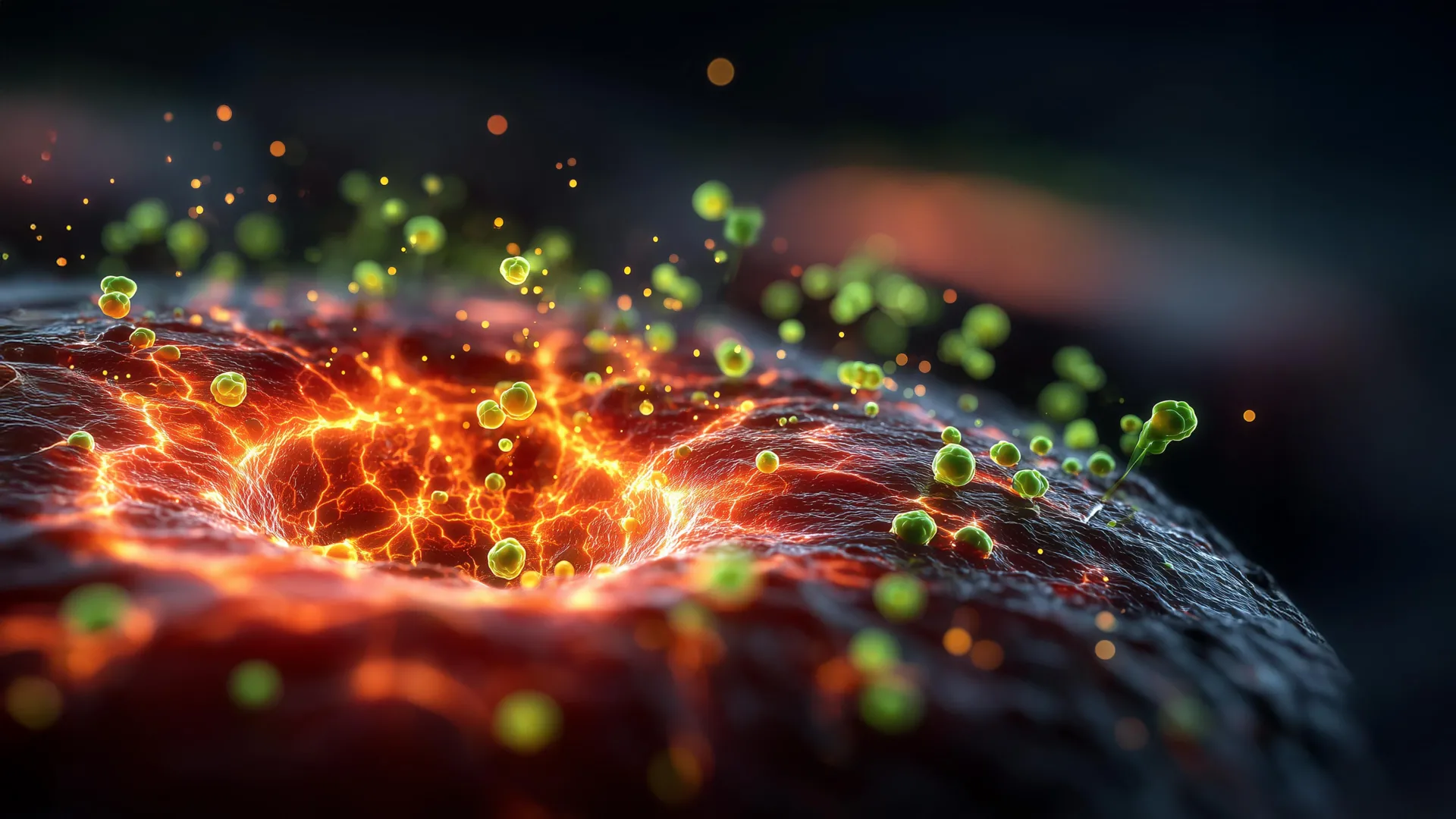
In a landmark study that bridges the fields of herpetology and oncology, researchers at the Japan Advanced Institute of Science and Technology (JAIST) have identified a naturally occurring bacterium within the gut of the Japanese tree frog (Dryophytes japonicus) that exhibits potent anticancer properties. The study, recently published in the prestigious journal Gut Microbes, details how the bacterium, identified as Ewingella americana, managed to achieve a 100 percent complete response rate in mice afflicted with colorectal cancer. This discovery marks a significant departure from traditional microbiome research, shifting the focus from broad gut health to the utilization of specific, isolated bacterial strains as precision-guided therapeutic agents.
The research team, led by experts in biotechnology and immunology, sought to explore the untapped potential of amphibian and reptilian microbiomes—environments that are notoriously harsh and biologically diverse. By isolating individual bacterial strains and testing their direct impact on malignant growths, the JAIST scientists have provided a compelling proof of concept for a new generation of living medicines. Unlike conventional treatments such as chemotherapy and radiation, which often damage healthy tissue, this bacterial approach leverages the unique physiological environment of tumors to achieve highly localized destruction.
A New Paradigm in Bacterial Cancer Therapy
For decades, the relationship between bacteria and cancer has been a subject of intense scientific scrutiny. Early experiments in the late 19th century, most notably by Dr. William Coley, suggested that certain bacterial infections could trigger tumor regression. However, the unpredictability of live infections and the advent of radiotherapy and chemotherapy sidelined these "Coley’s Toxins" for nearly a century. In recent years, the focus shifted toward the gut microbiome—the trillions of microbes living in the human digestive tract—and how their composition affects a patient’s response to immunotherapy.
The JAIST study represents a return to the "living medicine" concept but with modern precision. Rather than attempting to alter the existing microbiome through probiotics or fecal transplants, the researchers focused on identifying a single, high-potency strain that could be cultivated in a laboratory and administered as a targeted drug. The selection of the Japanese tree frog as a source was strategic; amphibians possess unique antimicrobial and immunological defenses that allow them to thrive in microbe-rich environments, suggesting their internal flora might harbor specialized survival mechanisms.
The Screening Process and Identification of Ewingella americana
The discovery was the result of an exhaustive screening process involving 45 different bacterial strains collected from the intestines of three native Japanese species: the Japanese tree frog (Dryophytes japonicus), the Japanese fire belly newt (Cynops pyrrhogaster), and the Japanese grass lizard (Takydromus tachydromoides). The researchers isolated these strains and subjected them to a series of in vitro and in vivo tests to determine their ability to inhibit cancer cell growth without causing systemic toxicity.
Of the 45 strains tested, nine demonstrated varying degrees of anticancer activity. However, one strain—Ewingella americana—consistently outperformed the others. E. americana is a Gram-negative, facultative anaerobic bacterium. In nature, it is often found in diverse environments, ranging from plants to mollusks, but its presence in the gut of the Japanese tree frog appears to have endowed it with specific characteristics suitable for oncological application.
Unprecedented Efficacy in Colorectal Cancer Models
The most striking data emerged during trials involving mouse models of colorectal cancer. The researchers administered a single intravenous dose of E. americana to mice with established tumors. The results were immediate and profound: the tumors were completely eliminated in every subject, resulting in a 100 percent complete response (CR) rate.
To put these results in context, the team conducted comparative trials using current gold-standard treatments. One group of mice received immune checkpoint inhibitors (specifically anti-PD-L1 antibodies), which are the cornerstone of modern immunotherapy. Another group was treated with liposomal doxorubicin, a potent and widely used chemotherapy agent. While both treatments showed some ability to slow tumor growth, neither achieved the total eradication seen with the E. americana treatment. The ability of a single bacterial dose to outperform multi-dose regimens of established pharmaceuticals suggests a highly efficient mechanism of action.
The Dual-Action Mechanism: Direct Lysis and Immune Activation
The success of E. americana is attributed to a "dual attack" strategy that targets tumors on two fronts: biological and immunological.
First, the bacterium takes advantage of the unique microenvironment of a solid tumor. Tumors are often "hypoxic," meaning they have very low oxygen levels because they grow faster than the body can create new blood vessels to supply them. E. americana, being a facultative anaerobe, is uniquely suited to these conditions. While it can survive in oxygen-rich blood, it thrives in oxygen-poor environments. Upon entering the tumor, the bacteria began to multiply at an exponential rate, increasing their population by approximately 3,000-fold within just 24 hours. This massive bacterial colonization causes direct physical and biochemical damage to the cancer cells, a process known as lysis.
Second, the presence of E. americana acts as a powerful "biological flare," signaling the host’s immune system to descend upon the tumor. In many cancers, tumors develop "immune cold" environments, essentially hiding from the body’s natural defenses. The introduction of the bacteria turns the tumor "hot." The researchers observed a massive influx of T cells, B cells, and neutrophils into the tumor site. These immune cells released high concentrations of inflammatory signaling molecules, specifically Tumor Necrosis Factor-alpha (TNF-α) and Interferon-gamma (IFN-γ). This localized "cytokine storm" further decimated the cancer cells and helped establish a long-term immune memory against the malignancy.
Safety Profiles and Tumor Specificity
One of the primary hurdles in developing bacterial therapies is the risk of sepsis—a life-threatening systemic infection. However, the JAIST team reported a remarkably favorable safety profile for E. americana. The bacterium demonstrated a high degree of "tumor tropism," meaning it preferred to settle and grow within the tumor rather than in healthy organs.
Detailed tracking of the bacteria revealed that they were rapidly cleared from the general bloodstream, with a half-life of only 1.2 hours. Within 24 hours of the injection, the bacteria were virtually undetectable in healthy tissues such as the liver, spleen, lungs, kidneys, and heart. The inflammatory response triggered by the treatment was described as "mild and temporary," with cytokine levels returning to baseline within 72 hours. Furthermore, a 60-day observation period showed no signs of chronic toxicity, weight loss, or behavioral changes in the treated mice, suggesting that the therapy is well-tolerated.
Chronology of the Research and Future Directions
The journey from the fields of Japan to the laboratory at JAIST involved several key phases:
- Field Collection: Harvesting intestinal samples from native Japanese amphibians and reptiles.
- Strain Isolation: Culturing 45 distinct strains in specialized media.
- In Vitro Screening: Testing strains against cancer cell lines to identify those with inhibitory properties.
- In Vivo Testing: Administering the top nine candidates to mouse models.
- Optimization: Identifying E. americana as the lead candidate and conducting comparative studies with chemotherapy and immunotherapy.
- Safety Evaluation: Long-term monitoring of toxicity and organ colonization.
Looking forward, the research team plans to expand their investigation to other forms of "hard-to-treat" solid tumors. Colorectal cancer was the primary focus due to its prevalence and the clear role the microbiome plays in its progression, but the mechanisms demonstrated by E. americana could theoretically apply to breast cancer, pancreatic cancer, and melanoma.
The team is also exploring "dose fractionation"—breaking the treatment into smaller, multiple doses—to see if efficacy can be maintained while further reducing the initial inflammatory spike. Additionally, there is significant interest in "combination therapy," where E. americana would be used to "prime" a tumor, making it more susceptible to traditional chemotherapy or newer mRNA-based cancer vaccines.
Implications for Medicine and Biodiversity
The implications of this study extend beyond the immediate results in mice. It highlights a critical, often overlooked argument for the preservation of global biodiversity. As species go extinct, we lose not only the animals themselves but also the complex microbial ecosystems they host—ecosystems that may contain the blueprints for the next generation of life-saving medicines.
"This research demonstrates that the natural world still holds many secrets that can be harnessed for human health," the researchers noted in their concluding remarks. By looking into the gut of a common tree frog, scientists have found a potential solution to one of the most complex challenges in modern medicine.
While the transition from mouse models to human clinical trials is a long and rigorous process fraught with regulatory and biological challenges, the 100 percent success rate in this study provides a powerful incentive for further development. If the results can be replicated in humans, E. americana could become a cornerstone of a new era of "bio-targeted" oncology, offering hope to patients for whom traditional therapies have failed.
The study was supported by a coalition of Japanese scientific agencies, including the Japan Society for the Promotion of Science (JSPS) and the Japan Science and Technology Agency (JST), reflecting a national commitment to pioneering innovative biotechnological solutions. As the global medical community watches closely, the humble Japanese tree frog may eventually be credited with leaping over one of the greatest hurdles in the fight against cancer.
