
 By admin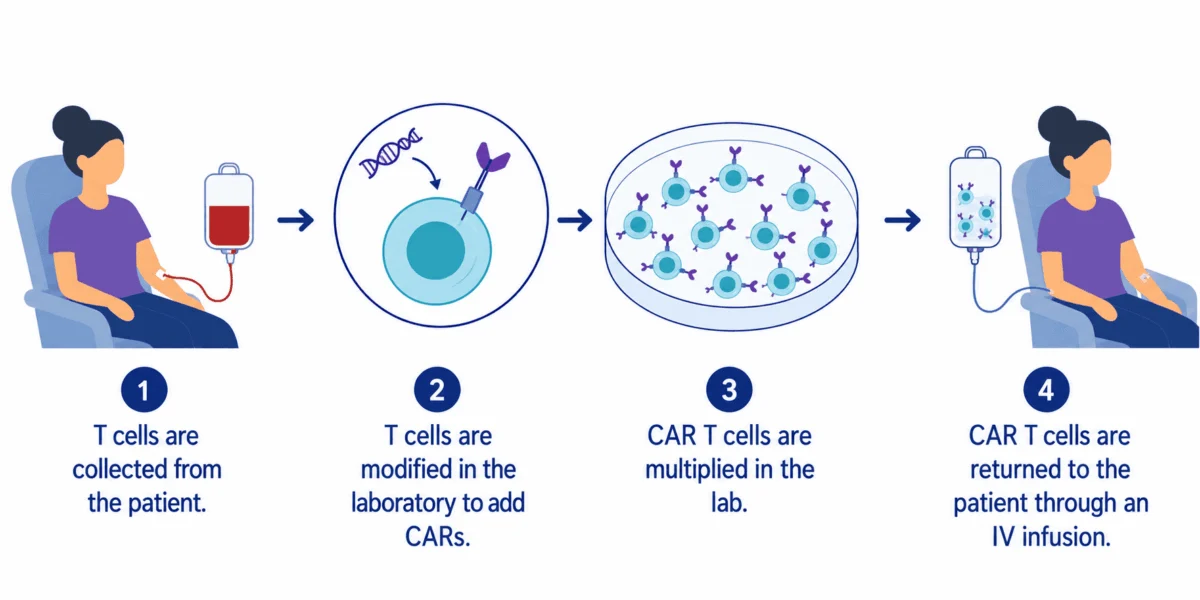
The landscape of cancer treatment has undergone a profound transformation, with innovative therapies offering unprecedented hope for patients battling aggressive malignancies. As survival rates improve, the focus of care increasingly broadens to encompass the long-term quality of life for survivors. Among the most pressing concerns for younger patients, and indeed for many adults, is the potential impact of life-saving treatments on their fertility and future family-building aspirations. A collaborative study, spearheaded by researchers from Blood Cancer United, Moffitt Cancer Center, and University of Florida Health, is now directly addressing this critical question, gathering invaluable data from adults who have undergone Chimeric Antigen Receptor (CAR) T-cell therapy. This groundbreaking research aims to clarify whether this revolutionary immunotherapy affects fertility, identify potentially vulnerable patient populations, and ultimately empower patients and clinicians with better information for informed decision-making regarding survivorship and family planning.
The Evolving Landscape of Cancer Survivorship and Fertility Concerns
September marks Blood Cancer Awareness Month, a period dedicated not only to celebrating advancements in treating blood cancers but also to acknowledging the complex issues that arise as more individuals achieve long-term remission. For many years, the primary focus in oncology was achieving a cure, often at significant cost to a patient’s physical and emotional well-being. However, with remarkable progress in diagnostics and therapeutics, a burgeoning population of cancer survivors now faces a different set of challenges. These "survivorship issues" extend far beyond the immediate post-treatment period, encompassing concerns such as chronic side effects, psychosocial adjustment, and the potential impact on fundamental life goals, including the ability to have biological children.
The intersection of cancer treatment and fertility is a long-standing concern. Traditional therapies like chemotherapy and radiation are well-documented for their gonadotoxic effects, often leading to premature ovarian insufficiency, early menopause, or permanent sterility in both male and female patients. The recognition of these risks has led to the development of fertility preservation strategies, such as sperm banking, egg freezing, and embryo cryopreservation, which are now often discussed with patients prior to commencing treatment. However, the emergence of novel immunotherapies like CAR T-cell therapy presents a new frontier of inquiry, as their mechanisms of action differ significantly from conventional cytotoxic agents, making their specific impact on reproductive health less understood.
Unpacking Chimeric Antigen Receptor (CAR) T-Cell Therapy
CAR T-cell therapy represents a paradigm shift in cancer treatment, leveraging the patient’s own immune system to specifically target and eliminate cancer cells. It is a highly personalized form of immunotherapy, a field that has seen monumental growth over the past two decades. At its core, CAR T involves engineering a patient’s T-cells – a crucial type of white blood cell responsible for immune surveillance and direct cell killing – to recognize and attack cancer.
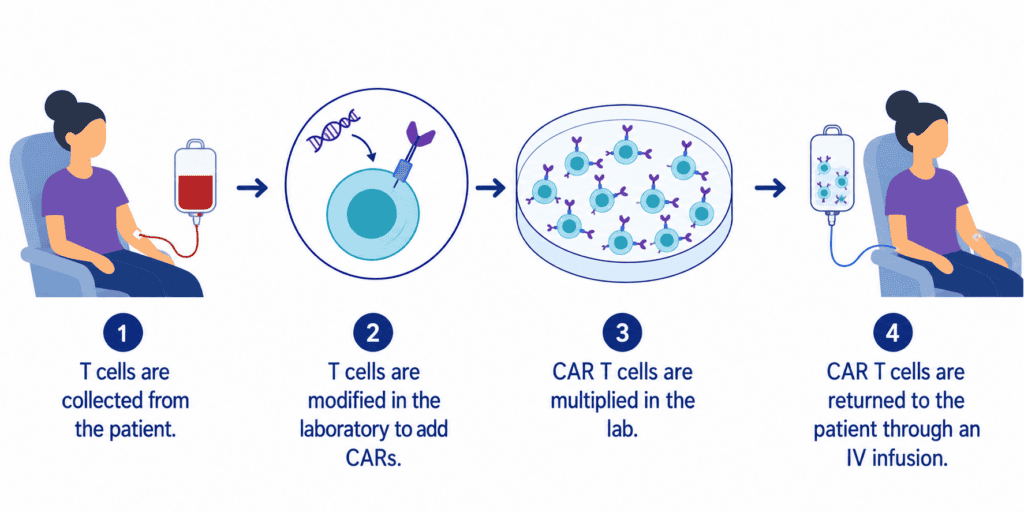
The intricate process begins with a procedure called apheresis, where a patient’s blood is drawn, and their T-cells are selectively collected. These collected T-cells are then sent to a specialized laboratory where they undergo genetic modification. Using a viral vector, a synthetic gene encoding a "chimeric antigen receptor" (CAR) is introduced into the T-cells. This CAR is a sophisticated protein designed to bind to a specific antigen found on the surface of cancer cells, acting like a highly precise homing beacon. For many approved CAR T-cell therapies, this target is CD19, an antigen commonly found on B-cell lymphomas and leukemias, or BCMA (B-cell maturation antigen) for multiple myeloma.
Once modified, these "CAR T-cells" are expanded in the laboratory to produce millions of copies. Finally, the engineered and amplified CAR T-cells are infused back into the patient. Upon re-entry into the body, these supercharged T-cells can now effectively identify, bind to, and destroy cancer cells expressing the target antigen. The immune response unleashed by CAR T-cells can be incredibly potent, leading to durable remissions in patients with previously intractable diseases.
The journey to CAR T-cell therapy has been long and arduous, built upon decades of foundational immunological research. A pivotal moment arrived in 2010 when groundbreaking research led by Dr. Carl June, a distinguished Scientific Advisory Member of the Cancer Research Institute (CRI), demonstrated that CAR T-cells could achieve complete remission in patients suffering from refractory chronic lymphocytic leukemia. This success ignited intense interest and accelerated development, paving the way for the historic approval of the first CAR T-cell therapy by the U.S. Food and Drug Administration (FDA) in 2017. Since then, several CAR T-cell treatments have received regulatory approval for various indications, including specific types of leukemias, lymphomas, and multiple myeloma, transforming the treatment landscape for these aggressive blood cancers.
The Elusive Link: Why CAR T’s Fertility Impact Remains Underexplored
Despite the remarkable efficacy of CAR T-cell therapy, a significant knowledge gap persists regarding its long-term effects on reproductive health. The primary reason for this uncertainty stems from the patient population initially eligible for these pioneering treatments and the design of early clinical trials. The first individuals treated with CAR T-cells typically had aggressive blood cancers that had relapsed multiple times or had become resistant to all other available therapies. These were often patients with very limited life expectancy, for whom CAR T-cell therapy represented a last resort.
Consequently, early studies were appropriately focused on assessing the immediate safety and efficacy of the therapy – determining if it could be administered without undue harm and if it could offer any benefit to patients with few remaining options. Long-term outcomes, particularly those related to quality of life issues like fertility, were secondary considerations, not because they were deemed unimportant, but because the immediate imperative was survival.
This historical context makes isolating the specific impact of CAR T-cell therapy on fertility exceedingly challenging. Most CAR T recipients have a complex treatment history, having previously undergone multiple rounds of conventional therapies known to be gonadotoxic. These often include:
- Chemotherapy: Many cytotoxic chemotherapy agents directly damage rapidly dividing cells, including germ cells in the testes and ovaries.
- Radiation Therapy: Particularly if directed at the pelvic region or total body irradiation (often used in preparation for stem cell transplantation), radiation can cause significant and often irreversible damage to reproductive organs.
- Hematopoietic Stem Cell Transplantation (HSCT): This intensive treatment frequently involves high-dose chemotherapy and/or total body irradiation, making it a major contributor to fertility impairment.
Furthermore, patients typically receive a brief course of lymphodepleting chemotherapy (e.g., fludarabine and cyclophosphamide) shortly before CAR T-cell infusion. This pre-treatment chemotherapy is crucial for clearing out existing immune cells, creating "space" for the engineered CAR T-cells to expand and function effectively. While this lymphodepleting regimen is generally less intense than conventional chemotherapy courses, its potential contribution to fertility issues cannot be overlooked.
As a result, if a patient experiences fertility problems after CAR T-cell therapy, it becomes incredibly difficult to pinpoint the exact cause. Was it the CAR T-cell therapy itself, the preceding lymphodepleting chemotherapy, the extensive prior treatments, the patient’s age at diagnosis, the underlying cancer itself, or a combination of these factors? This multifactorial complexity underscores the urgent need for dedicated research to untangle these variables and provide clearer answers.
Pioneering the Path Forward: The CAR T-Cell Therapy and Fertility Survey
Recognizing this critical void in knowledge, researchers at Blood Cancer United, Moffitt Cancer Center, and University of Florida Health have launched a vital initiative: a patient-facing survey designed to directly collect fertility experiences from adults who have received CAR T-cell therapy for blood cancer. This approach is particularly powerful because it gathers real-world data from individuals living with the long-term consequences of treatment, often capturing nuances that may be missed in controlled clinical trial settings.
Preliminary results from the initial cohort of 106 survey respondents offer an important first glimpse into this uncharted territory. Among these participants, 32 individuals expressed a desire to have children after undergoing CAR T-cell therapy. Of those, 12 reported actively attempting to conceive. Encouragingly, six pregnancies were reported within this group – four by female respondents and two by partners of male respondents.
At the time of this preliminary analysis, three of these pregnancies had resulted in healthy live births, while the other three were ongoing. Notably, none of the six reported using assisted reproductive technology (ART), such as in-vitro fertilization (IVF), to achieve pregnancy. This finding, while preliminary, suggests that natural conception may be possible for some individuals after CAR T-cell therapy, even without advanced reproductive interventions.
It is crucial to interpret these early findings with appropriate caution. These results do not yet definitively conclude whether CAR T-cell therapy causes fertility issues, nor do they quantify the frequency of such effects or identify specific risk factors. The sample size is still relatively small, and the data is self-reported, which inherently carries certain limitations. However, the unequivocal takeaway is that pregnancies and successful live births have occurred after CAR T-cell therapy, offering a beacon of hope for patients grappling with these concerns.
As Nina Logan, MD, Senior Director of Research & Clinical Programs at Blood Cancer United, aptly states, "These early findings are encouraging, but they also highlight how much we still need to learn. Our goal is to give patients and their care teams better information about fertility after CAR T-cell therapy so they can have informed conversations about treatment, survivorship, and their plans for the future." This sentiment underscores the patient-centered mission of the study – to move beyond mere survival to a holistic understanding of life after cancer.
Beyond Oncology: Insights from Autoimmune Disease Treatment
The expanding applications of CAR T-cell therapy are also providing valuable insights into its potential effects on fertility. Researchers are now exploring CAR T-cell therapy for a range of severe autoimmune diseases, such as systemic lupus erythematosus (lupus) and myasthenia gravis, where conventional treatments have failed. Patients with autoimmune conditions often have different disease profiles and, critically, typically have not undergone the extensive, gonadotoxic pre-treatments (like high-dose chemotherapy or radiation) that are common among cancer patients. This makes them a unique cohort for studying the direct effects of CAR T-cell therapy on various organ systems, including the reproductive system.
A 2026 report published in the New England Journal of Medicine described 14 pregnancies among 13 patients who had previously received CAR T-cell therapy for autoimmune disease. At the time of publication, eight healthy infants had been born. While these numbers are still small and come from a different patient population, they add another layer of evidence suggesting that CAR T-cell therapy, when administered in a context without confounding prior gonadotoxic treatments, may not inherently preclude fertility. These findings, coupled with the emerging data from cancer survivors, contribute significantly to the growing body of knowledge regarding reproductive health following CAR T-cell therapy.
Broader Impact and Future Directions in Survivorship Care
The implications of this research are far-reaching, impacting patient counseling, clinical practice, and future research priorities.
Empowering Patients and Clinicians: If research can definitively clarify whether, and to what extent, CAR T-cell therapy affects fertility, clinicians will be equipped to provide clearer, evidence-based guidance to patients. This includes:
- Pre-treatment Counseling: More precise discussions about potential fertility risks specific to CAR T-cell therapy, alongside the known risks of prior treatments.
- Fertility Preservation: Tailored recommendations regarding fertility preservation options (e.g., sperm banking, oocyte or embryo cryopreservation) before initiating CAR T-cell therapy, allowing patients to make informed choices based on their personal circumstances and future family goals.
- Family-Building Options: Comprehensive information about various family-building pathways post-treatment, including natural conception, assisted reproductive technologies, adoption, or surrogacy.
Advancing Clinical Practice: The study highlights the need for standardized protocols in oncology and fertility clinics. This could involve routine fertility assessments for all younger CAR T-cell therapy candidates, long-term follow-up for reproductive health outcomes, and seamless integration between oncology and reproductive endocrinology specialists.
Shaping Future Research: The current survey is a crucial first step, but it also illuminates the path for future investigations. Researchers plan to continue examining patient experiences, but also to delve deeper into:
- Larger, Prospective Studies: Conducting larger, multi-institutional, prospective studies that follow patients from before CAR T-cell therapy through their survivorship, collecting comprehensive data on hormonal levels, gonadal function, and fertility outcomes.
- Mechanistic Studies: Investigating whether CAR T-cells or the cytokines released during the immune response have any direct, specific toxic effects on ovarian or testicular tissue, separate from the lymphodepleting chemotherapy.
- Biomarker Identification: Developing biomarkers that could predict which patients might be at higher risk for fertility impairment after CAR T-cell therapy.
- Long-term Reproductive Health: Understanding the long-term implications for hormonal health, menstrual regularity, and the potential for late-onset fertility issues.
Addressing Policy and Access: The growing number of cancer survivors facing fertility challenges also brings to the forefront issues of healthcare policy and access. Many fertility preservation and treatment options are not fully covered by insurance, creating significant financial burdens for patients already dealing with the costs of cancer care. Robust evidence on the impact of cancer treatments on fertility can bolster advocacy efforts for broader insurance coverage and equitable access to reproductive services for survivors.
The CAR T-Cell Therapy and Fertility Survey is an integral part of this broader effort to enhance survivorship care. By participating and sharing their invaluable experiences, patients become active partners in advancing medical knowledge, helping researchers build the robust evidence base needed to better inform cancer treatment decisions and, crucially, to support a fulfilling life after cancer. The ultimate goal is not just to eradicate disease, but to ensure that survivors can live full, healthy lives, including the opportunity to build the families they envision.
Sources:
- Pediatric cancer immunotherapy and potential for impact on fertility: A need for evidence-based guidance. Transplant Cell Ther, 2024.
- Fertility outcomes following CAR T-cell therapy: Results from a patient-facing survey. Tandem Meetings | Transplantation & Cellular Therapy Meetings of ASTCT and CIBMTR, 2026.
- Pregnancies in patients with autoimmune disease receiving CAR T-cell therapy. N Engl J Med, 2026.
- Approved Cellular and Gene Therapy Products. U.S. Food and Drug Administration, 2026.
- History of Cancer Immunotherapy. Cancer Research Institute.
- Difference between Cancer Immunotherapy and Chemotherapy. Cancer Research Institute.
Disclaimer: We are sharing this research opportunity for informational purposes only. CRI does not endorse or recommend the study, participation in the study, or the study sponsor. CRI is not involved in conducting the study or determining who is eligible to participate. If you are interested in learning more, please contact the study team directly using the information provided.
