
 By admin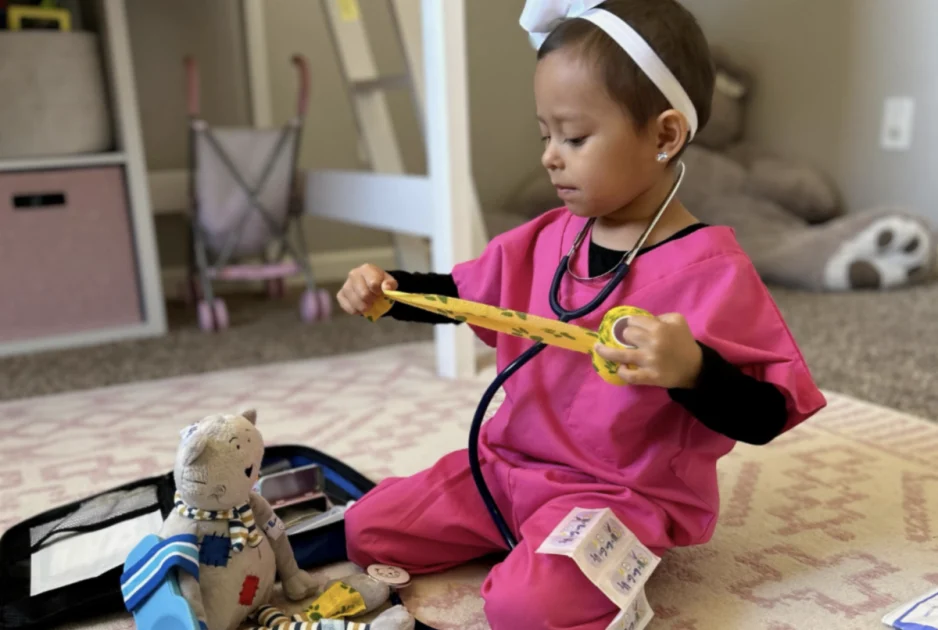
The transition from a standard domestic routine to the high-stakes environment of a pediatric oncology ward is often instantaneous and traumatic. For thousands of families annually, a diagnosis such as Acute Lymphoblastic Leukemia (ALL) marks the beginning of a multi-year medical journey characterized by intensive protocols, psychological strain, and a fundamental restructuring of the family unit. Experts in the field, including childhood cancer advocate and author Laura DeKraker Lang-Ree, emphasize that the initial weeks following a diagnosis are critical for establishing the advocacy and organizational frameworks necessary to sustain long-term treatment. By moving from a state of shock to one of informed surrender and strategic action, caregivers can significantly influence the quality of care and the stability of the home environment.
The Diagnostic Timeline and the Immediate Medical Response
The chronology of a pediatric cancer diagnosis typically begins with non-specific symptoms—lethargy, persistent bruising, or low-grade fevers—that eventually lead to a series of diagnostic tests. For Cecilia Lang-Ree, diagnosed with ALL at age three and a half, this journey reflected the standard clinical pathway: initial blood work followed by bone marrow aspirations and lumbar punctures to confirm the presence of malignant cells.
Once a diagnosis is confirmed, the medical team usually moves with extreme celerity. Within the first 48 to 72 hours, a "roadmap" or clinical protocol is established. In the United States, most pediatric oncology centers follow protocols developed by the Children’s Oncology Group (COG), ensuring that patients receive well-tested, evidence-based treatments. This rapid onset of treatment often leaves parents feeling as though they have lost all control. However, medical experts suggest that this period should be viewed as a time for "informed surrender"—accepting the reality of the diagnosis to clear the cognitive space required for the logistical challenges ahead.
Statistical Context and the Prevalence of Pediatric Leukemia
To understand the scope of the challenge, it is necessary to examine the broader landscape of childhood cancer. According to data from the National Cancer Institute (NCI) and the American Cancer Society, approximately 15,000 children and adolescents under the age of 20 are diagnosed with cancer each year in the United States.
Leukemia remains the most common form of childhood cancer, accounting for roughly 28% of all cases. Acute Lymphoblastic Leukemia (ALL), the specific diagnosis faced by the Lang-Ree family, is the most prevalent subtype. While the diagnosis is formidable, the survival rates for ALL have seen extraordinary improvements over the last five decades. In the 1960s, the five-year survival rate was less than 10%; today, due to standardized protocols and advancements in chemotherapy, the survival rate for children with ALL exceeds 90%. Despite these positive outcomes, the treatment duration for ALL is notably lengthy, often spanning two to three years, necessitating a sustainable long-term management strategy for caregivers.
Establishing a Documentation and Advocacy Infrastructure
One of the primary hurdles for newly diagnosed families is the overwhelming volume of medical information presented during the first week of inpatient care. Journalistic analysis of patient outcomes suggests that organized caregivers are better equipped to prevent medical errors and facilitate clear communication with the oncology team.
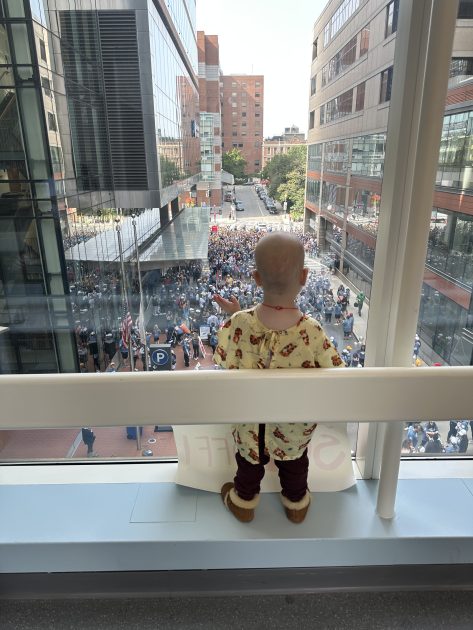
Lang-Ree and other veteran "cancer parents" recommend the immediate implementation of a documentation system. This includes:
- The Medical Journal: Utilizing a laptop or a dedicated notebook to record every meeting with oncologists, hematologists, and nurses. Given the "crisis mode" of the brain during trauma, relying on memory is statistically unreliable.
- Recording Consultations: Many hospitals now encourage parents to record significant meetings on their phones to ensure that spouses or partners who cannot be present can review the data accurately.
- The Information Liaison: Designating a single trusted friend or family member to handle all external communication. This prevents the primary caregiver from having to repeat traumatic details to multiple parties, preserving emotional energy for the patient.
The Role of Clinical Quality Control and Parental Instinct
While medical professionals are highly trained, the complexity of a pediatric oncology ward introduces the risk of human error. Journalistic investigations into hospital safety highlight that parental involvement is a key component of "quality control."
Parents are encouraged to act as a secondary check on all medications and blood products. This involves verifying the patient’s name, the dosage, and the medication type against the prescribed roadmap before any administration. Furthermore, the parent serves as the primary observer of "baseline" behavior. Because oncologists may only see a child for fifteen minutes during daily rounds, they rely on the parent to report subtle changes in mood, appetite, or physical appearance that could indicate a reaction to treatment or a secondary infection. This "intuitive advocacy" is often the first line of defense in identifying complications such as neutropenic fever or chemotherapy-induced toxicity.
The Logistics of Support: Coordinating External Assistance
A pediatric cancer diagnosis creates a ripple effect that impacts employment, education, and household stability. Professional guidance for these scenarios emphasizes the utilization of existing institutional supports.
Employment and Human Resources:
Caregivers are advised to contact their Human Resources departments immediately to discuss the Family and Medical Leave Act (FMLA) or similar corporate policies. Understanding the legal protections for extended time off is essential for financial planning.
School and Education:
For school-aged children—both the patient and their siblings—the interruption of the academic routine is inevitable. Advocacy groups suggest that parents delegate the task of notifying schools to a liaison. While academic progress may be paused during the induction phase of treatment, maintaining a connection with the school community provides a sense of normalcy for siblings and ensures that the patient can eventually transition back to learning via hospital-bound or home-bound instruction services.
Hospital Social Work and Child Life:
Most pediatric hospitals employ Social Workers and Child Life Specialists. These professionals provide resources ranging from financial assistance grants to age-appropriate tools for explaining cancer to the child. For example, explaining a diagnosis to a four-year-old requires non-terrifying language that focuses on "fixing a problem" rather than the abstract concept of mortality.
Preserving Family Dynamics and the "New Normal"
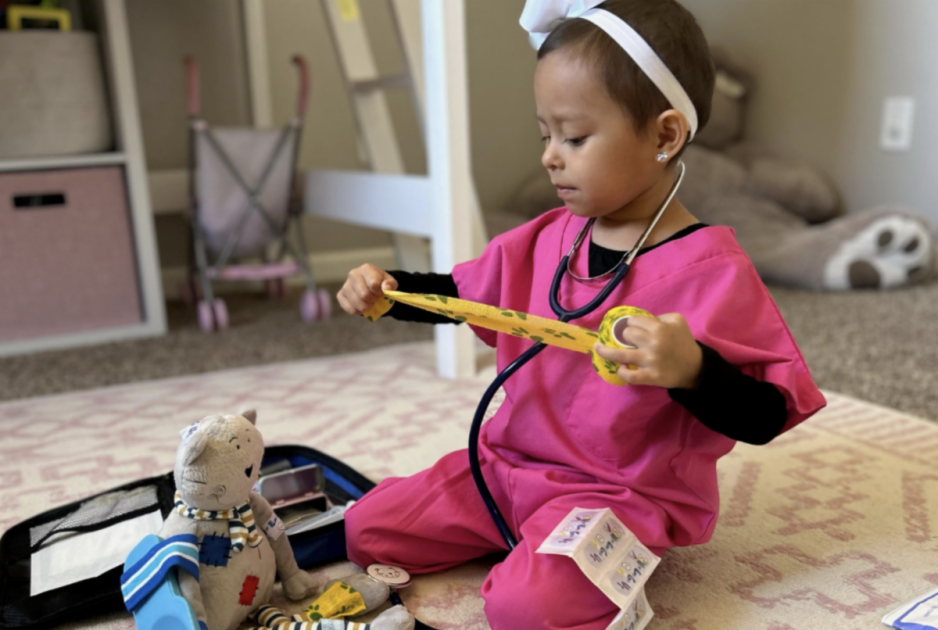
The psychological impact of childhood cancer on the family unit is profound. A common pitfall for parents is the suspension of all standard parenting boundaries in an effort to compensate for the child’s suffering. However, psychologists specializing in pediatric trauma suggest that children find safety in consistency.
Maintaining manners, kindness, and basic behavioral expectations—where physically possible—helps the child feel that their world has not entirely collapsed. Similarly, the "New Normal" involves a deliberate effort to protect the mental health of the caregivers and the integrity of their relationships. Statistics indicate that the stress of a chronic childhood illness can place extreme strain on marriages. Experts recommend that couples prioritize brief moments of connection and solo rest to prevent total burnout, which would ultimately compromise the quality of care provided to the child.
Broader Implications and the Evolution of the Caregiver Role
The experience of navigating childhood cancer often transforms parents into lifelong advocates. Laura DeKraker Lang-Ree’s journey from a mother in the "induction" phase to a bestselling author and speaker reflects a broader trend within the pediatric cancer community: the professionalization of the "Cancer Parent."
The implications of this shift are significant for the healthcare industry. As parents become more informed and vocal, hospital systems are increasingly adopting "family-centered care" models. This approach recognizes the parent not just as a bystander, but as an essential member of the medical team. The long-term survival of the child depends not only on the efficacy of the chemotherapy but also on the resilience and advocacy of the adults standing at the "gate" of their care.
In conclusion, while a pediatric cancer diagnosis is a devastating event, the implementation of structured advocacy, the utilization of support networks, and the maintenance of family boundaries provide a pathway through the crisis. By focusing on one hour at a time and embracing the role of the informed advocate, parents can navigate the complexities of the medical system while providing the emotional stability their children require for recovery. The journey is a marathon, not a sprint, and the strategies established in the first few weeks are the foundation upon which a child’s future health is built.
