
 By admin
Pediatric cancer remains a significant public health challenge in the United States, with approximately 15,000 children and adolescents diagnosed annually. While advancements in medical science have pushed the five-year survival rate for many childhood cancers to over 80 percent, the path to recovery is often characterized by years of intensive and maintenance therapy. For families navigating this landscape, the transition from acute crisis to a sustained medical routine requires a profound shift in psychological and logistical management. Experts and advocates, including Laura DeKraker Lang-Ree, author of The Cancer Parent’s Handbook, emphasize that the key to maintaining family stability during this period is the process of "normalizing the abnormal"—a strategy designed to integrate rigorous medical protocols into daily life without allowing the diagnosis to define the child’s entire identity.
The Chronology of Pediatric Cancer Treatment
The timeline for childhood cancer treatment varies significantly by diagnosis, but common forms such as Acute Lymphoblastic Leukemia (ALL)—the most frequent pediatric cancer—require a multi-year commitment. The standard treatment protocol for ALL typically spans two to three years and is divided into distinct phases: Induction, Consolidation, and Maintenance.
During the Induction phase, which lasts approximately one month, the goal is to achieve clinical remission by eliminating the majority of cancer cells. This is followed by Consolidation (or Intensification), which aims to eradicate any remaining undetectable cells. The final and longest phase, Maintenance, can last for several years. It involves regular chemotherapy, frequent blood tests, and periodic hospital visits to ensure the cancer does not return. This extended duration often creates a "liminal space" for families, where the child is no longer in an acute medical emergency but is not yet free of the medical system. It is during this prolonged Maintenance phase that the concept of a "New Normal" becomes essential for the mental health of both the patient and the caregivers.
Strategic Acceptance and the Psychological Shift
The first step in navigating long-term treatment is the psychological transition from rebellion to acceptance. Mental health professionals suggest that the initial shock of a diagnosis often triggers a "fight-or-flight" response, which, while useful in a crisis, is unsustainable over a multi-year period. According to the National Cancer Institute, chronic stress in caregivers can lead to burnout, depression, and physical health complications.
Advocates argue that "surrendering" to the reality of the diagnosis is not synonymous with giving up. Instead, it is a strategic move to preserve mental bandwidth. By accepting that the treatment timeline is fixed, parents can shift their energy from questioning "why" to solving "how." This shift allows for the creative problem-solving necessary to manage a household under medical duress. This concept is supported by the work of Michael J. Fox, who famously noted that acceptance is the realization that something is what it is, and there must be a way through it.
The Semantics of Health: Redefining the ‘Sick’ Label
Language plays a critical role in how children perceive their own illness and how the community interacts with the family. A common point of friction for families is the label of being "sick." In many cases, particularly during the maintenance phase of leukemia, a child may be in clinical remission and appear physically healthy despite being under a strict regimen of chemotherapy and immunosuppressants.
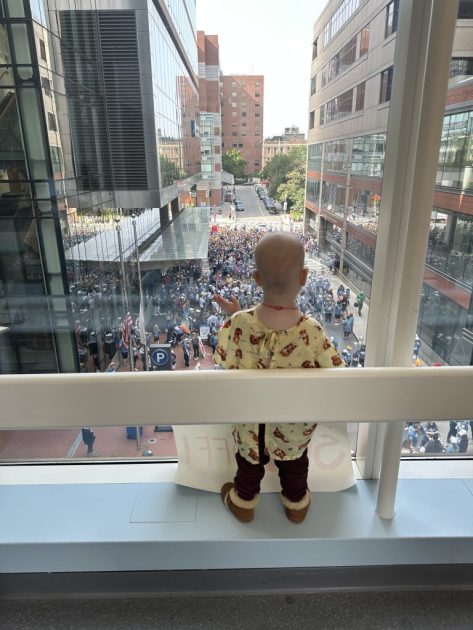
Dr. Lori Wiener, a pediatric psychologist at the National Cancer Institute, notes that recognizing children as living with a "chronic, treatable condition" rather than being "sick" supports their psychological adjustment and social identity. Shifting the terminology from "sick" to "in treatment" creates a huge distinction from a mental health perspective. It allows the child to view the medical procedures as a routine part of their life rather than a sign of frailty. Parents are encouraged to set firm boundaries with friends, family, and medical staff regarding this language to prevent the child from internalizing a victim identity.
Clinical Protocols and the Management of Neutropenia
A primary medical concern during long-term treatment is the management of the child’s Absolute Neutrophil Count (ANC). Neutrophils are a type of white blood cell essential for fighting infections. Cancer treatments, particularly chemotherapy, often suppress the bone marrow’s ability to produce these cells, leading to neutropenia.
A low ANC means the child is highly susceptible to infections that would be minor for a healthy individual. A simple cold or a low-grade fever can lead to emergency hospitalizations and delays in the oncology protocol. Therefore, environmental control becomes a central pillar of the New Normal. This includes:
- Environmental Sanitation: Establishing "no-shoe" zones in the home to prevent the tracking of outdoor pathogens.
- Hand Hygiene: Implementing rigorous hand-washing routines for all family members and visitors.
- Chemical Sensitivity: Avoiding harsh cleaning agents like bleach or ammonia, which can irritate the respiratory system and place additional strain on a liver already processing chemotherapy drugs.
Data suggests that maintaining a controlled environment at home can significantly reduce the frequency of unplanned hospitalizations, thereby providing the family with more "normal" time between scheduled treatments.
Logistical Boundaries and Support Systems
For families in the middle of a multi-year treatment plan, the initial surge of community support often wanes, or becomes misaligned with the family’s actual needs. Journalistic analysis of caregiver dynamics shows that "decision fatigue" is a major contributor to stress. To combat this, parents must transition from being passive recipients of help to active managers of their support network.
Setting specific boundaries is crucial. This involves communicating clear needs—such as specific grocery items or transportation for siblings—rather than accepting generic offers of help that may not be useful. By being specific, parents reduce the cognitive load of managing their social circle and ensure that the support they receive actually facilitates a return to a more stable routine.
Pediatric Coping Mechanisms: Breathwork and Routine
Normalizing medical procedures is perhaps the most challenging aspect of the New Normal. For a child, the repetitive nature of blood draws, injections, and pill-swallowing can lead to significant trauma if not managed correctly.

Pediatric oncology experts recommend involving children in their own care to provide a sense of agency. Techniques such as "whale breathing" or other breathwork exercises can help manage the physiological response to pain and anxiety. Furthermore, the integration of "fun" into medical routines has shown to be effective. For example, transforming a weekly chemotherapy injection into a "taco night" or a "movie night" reframes the event in the child’s mind. By creating a predictable, positive routine around the "nasty" parts of treatment, families can eliminate the daily tantrums and fear that often accompany long-term medical care.
The Role of ‘Positude’ and Psychological Resilience
The term "Positude"—a portmanteau of positive attitude—reflects a growing trend in pediatric oncology that emphasizes the role of mindset in the healing process. While a positive attitude is not a substitute for medical treatment, research indicates that it can improve quality of life and treatment adherence.
For younger children, play therapy is an essential tool for processing their experience. Using toys, such as dinosaurs or action figures, to "fight" the cancer allows children to externalize the disease and feel a sense of power over it. For the family as a whole, gratitude rituals—such as discussing "Roses and Thorns" at dinner—help maintain a focus on the positive aspects of life that exist alongside the cancer diagnosis. This balanced approach ensures that the family remains connected and grounded in reality while actively seeking joy.
Broader Impact and Implications for Family Mental Health
The implications of "normalizing the abnormal" extend beyond the immediate health of the patient. Pediatric cancer is often described as a "family disease" because it affects siblings and the parental relationship with equal intensity. Sibling neglect is a common issue when one child requires constant medical attention. By establishing a New Normal that includes routines for the entire family, parents can ensure that siblings also feel seen and supported.
Furthermore, the long-term psychological impact of childhood cancer, often referred to as "late effects," can include post-traumatic stress disorder (PTSD) in both survivors and their parents. Strategies implemented during the treatment phase—such as boundary setting, clear communication, and the use of coping tools—serve as a foundation for long-term resilience.
As survival rates continue to improve, the medical community is increasingly focusing on the "survivorship" phase. However, the transition to survivorship is only successful if the family has managed to maintain their mental and emotional health during the years of treatment. By normalizing the medical journey, families are better equipped to transition back into "true" normal life once the treatment finally concludes. The goal is not just to survive the cancer, but to emerge from the experience with a family unit that is intact, resilient, and ready for the future.
