
 By admin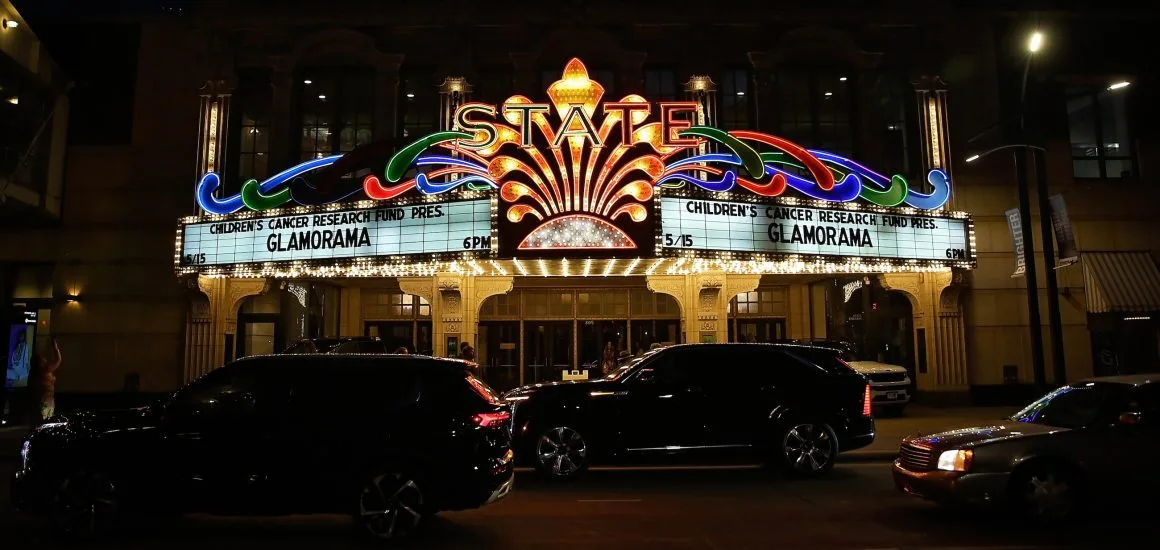
The historic State Theatre in downtown Minneapolis was recently transformed into a vibrant epicenter of haute couture and charitable giving as Glamorama made its highly anticipated return to the Twin Cities. After a hiatus lasting more than a decade, the event emerged not merely as a fashion show, but as a sophisticated multi-sensory experience designed to generate critical resources for the Children’s Cancer Research Fund (CCRF). The revival of this iconic production marks a significant milestone for the Minneapolis philanthropic community, blending the nostalgia of a storied past with a modernized, purpose-driven vision for the future of pediatric medical advancement.
The evening was characterized by a departure from traditional runway formats, opting instead for a series of immersive fashion chapters that integrated high-end design with theatrical storytelling. Under the creative direction of Grant Whittaker, a longtime champion of both Glamorama and the CCRF, the production was built around the imaginative worlds of five young survivors and patients: Fritz, Isaac, Valerie, Anikah, and Alice. By centering the creative output on the perspectives of children who have faced the realities of a cancer diagnosis, the event established a profound emotional bridge between the luxury of the fashion world and the urgency of the medical mission it supports.
A Legacy Reimagined: The Evolution of Glamorama
To understand the weight of Glamorama’s return, one must look at its historical footprint in the Midwest. Originally launched by the Dayton’s department store—and later carried on by Marshall Field’s and Macy’s—Glamorama was for decades the premier fashion event in the Twin Cities. It was known for bringing international designers and world-class musical acts to Minneapolis, often serving as a local equivalent to New York Fashion Week’s high-energy presentations. Following the dissolution of the Macy’s-led iteration in the mid-2010s, a void was left in the local cultural and philanthropic landscape.
The 2024 revival, however, signaled a shift in ownership and intent. Rather than being a corporate-led marketing vehicle for a retail giant, the new Glamorama is a mission-first endeavor led by the Children’s Cancer Research Fund. This transition ensures that the spectacle serves as a direct conduit for fundraising and awareness. By utilizing the State Theatre—a venue known for its Italian Renaissance-style architecture and acoustic excellence—the organizers provided a backdrop that honored the event’s legacy of grandeur while focusing the spotlight on the contemporary needs of pediatric oncology.
The Intersection of Imagination and Couture
The thematic core of the evening was rooted in the "visionary direction" of Grant Whittaker, who sought to translate the abstract imaginations of children into tangible fashion experiences. During the opening remarks, Kenna Dooley, Chief Development Officer of the Children’s Cancer Research Fund, emphasized that the night was inspired specifically by the five children mentioned: Fritz, Isaac, Valerie, Anikah, and Alice.
The production utilized vibrant colors, rich textures, and intricate choreography to bring these "worlds" to life. Attendees were treated to a progression of styles that ranged from avant-garde couture to accessible luxury, all curated to reflect the resilience and creativity of the children the organization serves. This approach moved the audience through a narrative arc that balanced the gravity of the cause with the joy of artistic expression.
Supporting the visual display were electrifying performances by a trio of house music legends: CeCe Peniston, Crystal Waters, and Robin S. These artists, whose careers peaked during the original heyday of Glamorama, provided a nostalgic sonic landscape that resonated with longtime supporters while introducing younger attendees to the high-energy "diva house" genre that once defined the fashion runways of the 1990s. The inclusion of these performers was a strategic nod to the event’s roots, bridging the gap between the event’s historical identity and its current iteration.
Data and the Economic Reality of Pediatric Cancer Research
The celebratory atmosphere of Glamorama was underscored by the sobering statistics that drive the Children’s Cancer Research Fund’s mission. According to national health data, cancer remains the leading cause of death by disease for children in the United States. Despite this, pediatric cancer research receives a disproportionately small fraction of federal funding compared to adult cancers. Historically, only about 4% of the National Cancer Institute’s (NCI) budget is allocated specifically to childhood cancer research.
This funding gap places a massive responsibility on private philanthropic organizations like CCRF. Since its inception, CCRF has contributed over $200 million to research, education, and awareness programs. Events like Glamorama are essential for closing the "innovation gap," providing the seed money necessary for researchers to pursue "high-risk, high-reward" projects that federal grants often overlook.
Elizabeth Allen, CEO of the Children’s Cancer Research Fund, noted during the event that "only through bold support can we change what’s possible for kids and families facing cancer." She further clarified that the event’s impact extends beyond the immediate financial totals of the night. "Glamorama is more than one night of giving," Allen stated. "It brings people into our mission, sparks meaningful connections, and builds lasting momentum for childhood cancer research."
Collaborative Philanthropy: The Role of Community Partners
The success of the Glamorama revival was made possible through an extensive network of regional sponsors and luxury partners. The involvement of local business hubs, such as the 50th and France commercial district, highlighted the event’s deep roots in the Twin Cities community. High-end retailers and boutiques including Grethen House, Fashion Avenue, and MartinPatrick 3 provided the sartorial backbone of the show, demonstrating the strength of the local fashion economy.
Other diverse sponsors included:
- Kowalski’s: A local grocery staple, emphasizing the community-wide support for the cause.
- Landscape Structures: Representing the intersection of child development and community wellness.
- Martha Dayton Design: Adding a layer of local aesthetic expertise.
- Opitz, Odele, and Park Chrysler Jeep: Showcasing the breadth of corporate social responsibility across different sectors of the economy.
These partnerships reflect a broader trend in modern philanthropy where corporate entities seek "experiential" ways to engage with their communities. By aligning with a high-profile event like Glamorama, these brands not only contribute to a vital cause but also participate in the revitalization of the downtown Minneapolis cultural scene, which has been in a state of recovery and transformation in recent years.
Chronology of a Comeback
The journey to bring Glamorama back to the State Theatre was a multi-year effort. After the last Macy’s-sponsored show, discussions began regarding how to preserve the "Glamorama" brand while pivoting its focus toward a more sustainable, non-profit-driven model.
- Phase I (The Hiatus): From 2014 to 2022, the brand remained largely dormant in the public eye, though the CCRF continued its fundraising through more traditional galas and digital campaigns.
- Phase II (The Re-imagination): In late 2022, leadership at CCRF and Grant Whittaker began conceptualizing a return that would focus on "immersive experiences" rather than a standard runway walk.
- Phase III (The Implementation): Throughout 2023, the team secured the State Theatre and reached out to the 90s house music icons to ensure the event had the necessary star power to attract a wide demographic.
- Phase IV (The Execution): The event took place with a sold-out crowd, signaling a successful proof-of-concept for future annual iterations.
Analysis of Broader Impact and Implications
The return of Glamorama carries implications that extend beyond the immediate fundraising goals of the Children’s Cancer Research Fund. First, it serves as a bellwether for the "gala culture" in a post-pandemic world. There has been a notable shift toward events that offer more than a seated dinner; donors are increasingly seeking "experiences" that offer emotional engagement and artistic value. Glamorama’s success suggests that high-concept, theatrical productions are the future of large-scale nonprofit fundraising.
Second, the event provides a significant boost to the Minneapolis "North Loop" and downtown corridors. By drawing thousands of attendees to the Hennepin Theatre District, Glamorama contributes to the local hospitality and service economy, reinforcing the idea that downtown Minneapolis remains a destination for major cultural events.
Finally, and most importantly, the visibility afforded by the event keeps the conversation regarding pediatric cancer in the public consciousness. By highlighting the stories of Fritz, Isaac, Valerie, Anikah, and Alice, the event humanizes the statistics. It transforms a medical crisis into a community-led movement for hope.
As the final notes of "Finally" and "Gypsy Woman" echoed through the State Theatre, the message was clear: Glamorama is back, and its mission is more focused than ever. The fusion of fashion, music, and philanthropy has once again proven to be a powerful catalyst for change, ensuring that the next generation of children facing cancer will have a community standing firmly behind them. Through the visionary leadership of the CCRF and the unwavering support of the Twin Cities, the "imaginations" of the kids who inspired the night are one step closer to a future free from the burden of disease.
