
 By Nana O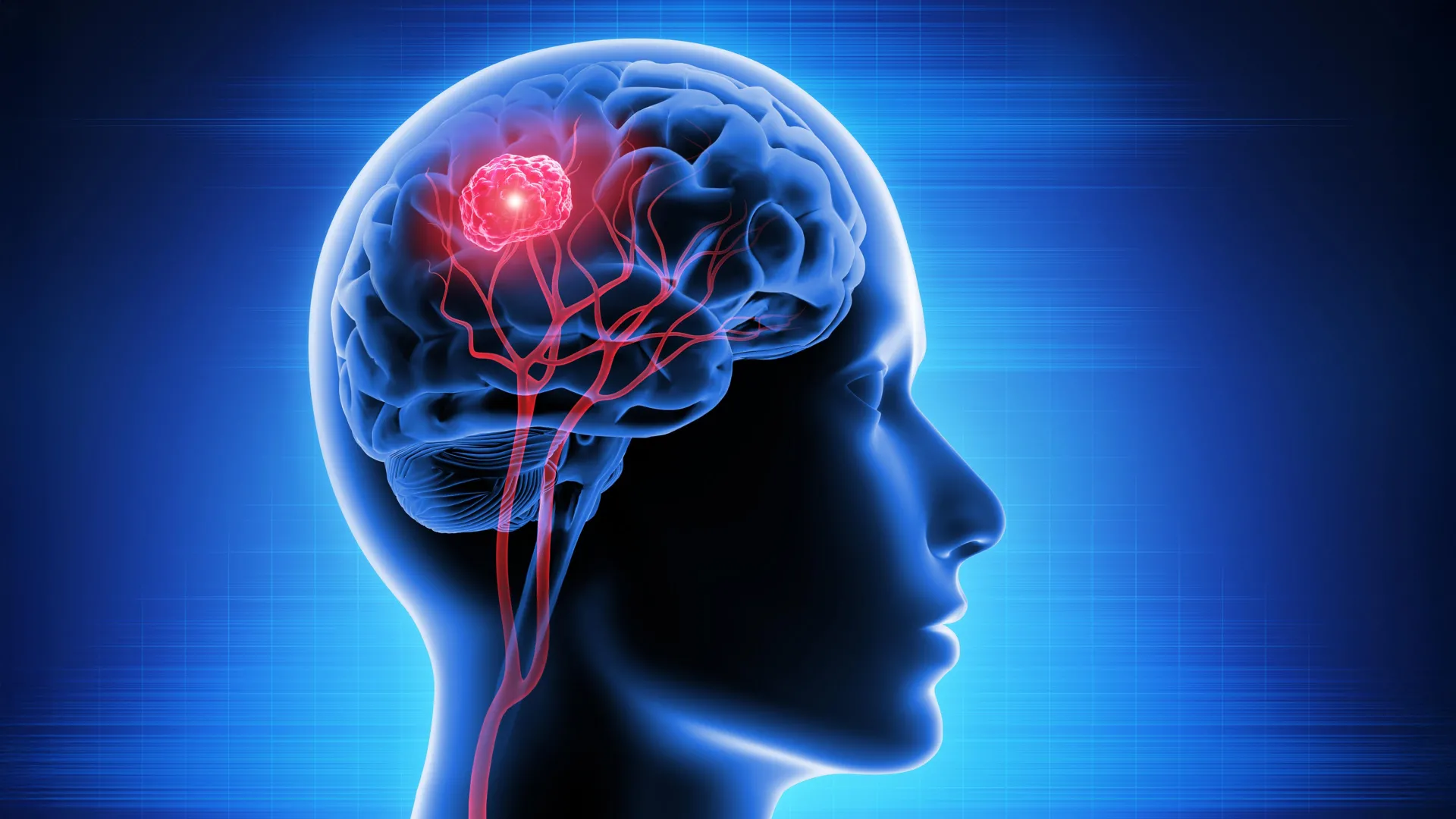
A groundbreaking study published in the esteemed journal Oncoscience has unveiled a novel therapeutic avenue for glioblastoma, a notoriously aggressive and treatment-resistant form of brain cancer. The research, led by a collaborative team from Nitric Oxide Services, LLC and the Cleveland Clinic Foundation Taussig Cancer Center, introduces nitrosylcobalamin (NO-Cbl), a modified vitamin B12 derivative, as a potential agent capable of overcoming the formidable blood-brain barrier (BBB) and selectively targeting tumor cells. This development marks a significant step forward in the arduous battle against a disease that has historically offered grim prognoses for patients.
The Glioblastoma Challenge: A Persistent Therapeutic Hurdle
Glioblastoma multiforme (GBM) stands as one of the most lethal and intractable cancers affecting the human brain. Despite advancements in surgical resection, radiation therapy, and chemotherapy, the median survival rate for patients diagnosed with GBM remains tragically short, often less than 15 months. A primary impediment to effective treatment lies in the presence of the blood-brain barrier (BBB), a highly selective physiological shield that meticulously regulates the passage of substances from the bloodstream into the central nervous system. This protective mechanism, while crucial for safeguarding brain function, inadvertently prevents many potent anti-cancer drugs from reaching tumor sites, thereby limiting their therapeutic efficacy. The persistent challenge of delivering therapeutic agents across the BBB has been a central focus of neuro-oncology research for decades.
Pioneering a Vitamin B12-Based Approach to Brain Cancer Therapy
The current study by Joseph A. Bauer and his colleagues sought to address this critical challenge by investigating the potential of nitrosylcobalamin (NO-Cbl). This innovative compound is derived from vitamin B12, a vital nutrient essential for numerous bodily functions, and is engineered to release nitric oxide (NO). Nitric oxide is a signaling molecule with diverse physiological roles, including the regulation of vascular tone and immune responses, and has also been implicated in anti-cancer mechanisms. The researchers hypothesized that NO-Cbl could not only permeate the BBB but also preferentially accumulate within glioblastoma tumors, offering a targeted delivery mechanism for its therapeutic payload.
To rigorously evaluate NO-Cbl’s potential, the research team employed a multifaceted experimental design. This included in vitro testing against the NCI-60 human tumor cell line panel, a widely used resource for cancer research that encompasses a diverse range of cancer types. Furthermore, the study incorporated pharmacokinetic investigations in animal models, specifically rats bearing glioblastoma tumors, to assess the compound’s absorption, distribution, metabolism, and excretion. Crucially, the researchers also examined NO-Cbl’s performance in combination with established glioblastoma treatments, such as TRAIL (Tumor Necrosis Factor-Related Apoptosis-Inducing Ligand) and temozolomide, in human glioblastoma cell lines.
The initial in vitro findings demonstrated that NO-Cbl exhibited a broad spectrum of antitumor activity across various cancer types within the NCI-60 panel. Notably, cancer cells originating from the central nervous system displayed a moderate yet significant sensitivity to the NO-Cbl treatment, hinting at its potential relevance for brain malignancies.
Navigating the Blood-Brain Barrier and Achieving Tumor Selectivity
One of the most compelling and significant outcomes of this research emerged from the animal experiments. Upon systemic administration, NO-Cbl demonstrated a remarkable ability to traverse the blood-brain barrier. More importantly, the compound exhibited preferential accumulation within glioblastoma tumor tissue. This selective uptake is a critical factor for minimizing off-target effects and maximizing therapeutic concentration at the tumor site.
Further analysis revealed that NO-Cbl remained pharmacologically active within the tumors for an extended duration. Nitrate levels, a surrogate marker for NO release, were observed to remain elevated in tumor tissue for at least 24 hours post-treatment. In stark contrast, nitrate levels in normal surrounding brain tissues declined more rapidly. This pharmacokinetic profile strongly suggests that NO-Cbl is retained within the tumor microenvironment, facilitating a sustained release of nitric oxide directly to the cancerous cells. Figures 2 and 3 of the published study visually corroborate these findings, illustrating sustained levels of nitrate and cobalamin-related metabolites in brain tumor tissue compared to other organs, providing robust evidence for the selective accumulation of NO-Cbl in glioblastoma.
Synergistic Enhancement of Existing Glioblastoma Therapies
Beyond its intrinsic antitumor activity and preferential tumor targeting, the study also explored the potential of NO-Cbl to potentiate the effectiveness of current glioblastoma treatment regimens. In laboratory experiments utilizing well-characterized human glioblastoma cell lines, U87 and D54, the combination of NO-Cbl with either TRAIL or temozolomide resulted in a significantly more pronounced suppression of tumor cell growth compared to the efficacy of each treatment administered individually. These synergistic interactions were further confirmed through detailed analyses across multiple dose ranges, indicating a cooperative effect that amplifies therapeutic outcomes.
The authors summarized these pivotal findings by stating, "This pilot study demonstrates that NO-Cbl crosses the BBB, accumulates selectively in brain tumor tissue, and synergizes with established and experimental glioblastoma therapies." This statement underscores the multifaceted promise of NO-Cbl as a therapeutic agent.
Addressing Treatment Resistance: A New Frontier
A particularly encouraging aspect of the NO-Cbl research is its potential to overcome several biological mechanisms that contribute to glioblastoma’s notorious treatment resistance. Previous research, referenced within the current study, has established that NO-Cbl can induce apoptosis (programmed cell death) through the activation of caspase-8, a key enzyme in the apoptotic cascade. Furthermore, NO-Cbl has been shown to suppress NF-κB survival signaling, a pathway often hyperactivated in cancer cells to promote survival and resistance to therapy. Additionally, NO-Cbl can enhance TRAIL receptor signaling via S-nitrosylation, a post-translational modification that can sensitize cells to TRAIL-induced apoptosis. Collectively, these molecular actions could render glioblastoma cells more susceptible to therapeutic interventions, including those tumors that have developed resistance to temozolomide, the current standard-of-care chemotherapy for GBM.
Early Promise with a Call for Further Research
It is imperative to emphasize that the findings presented in this Oncoscience publication represent the results of a pilot translational study. While highly promising, these early results necessitate further comprehensive investigation before NO-Cbl can be considered for clinical application in human patients. The research team has outlined a clear roadmap for future studies, which will focus on several key areas. These include orthotopic validation of the findings in more sophisticated animal models that better recapitulate the human disease, optimization of dosing strategies to determine the most effective and safest regimens, long-term tracking of nitric oxide activity to understand its temporal dynamics within the tumor, and deeper exploration of the underlying molecular mechanisms in additional central nervous system tumor models.
Broader Implications and Future Outlook
In conclusion, the findings of this study offer compelling early evidence that a cobalamin-based nitric oxide donor, such as NO-Cbl, holds significant potential as a novel therapeutic strategy for glioblastoma. By effectively navigating the blood-brain barrier, selectively targeting tumor tissue, and exhibiting synergistic activity with existing therapies, NO-Cbl presents a promising new avenue for improving drug delivery and combating treatment resistance in one of neuro-oncology’s most formidable adversaries. The potential to circumvent the BBB, a long-standing barrier in brain tumor treatment, combined with its ability to enhance the efficacy of current treatments and overcome resistance mechanisms, positions NO-Cbl as a molecule of significant interest for future glioblastoma research and development. The scientific community will be closely watching the progress of further studies as they aim to translate this early promise into tangible clinical benefits for patients battling this devastating disease.
