
 By admin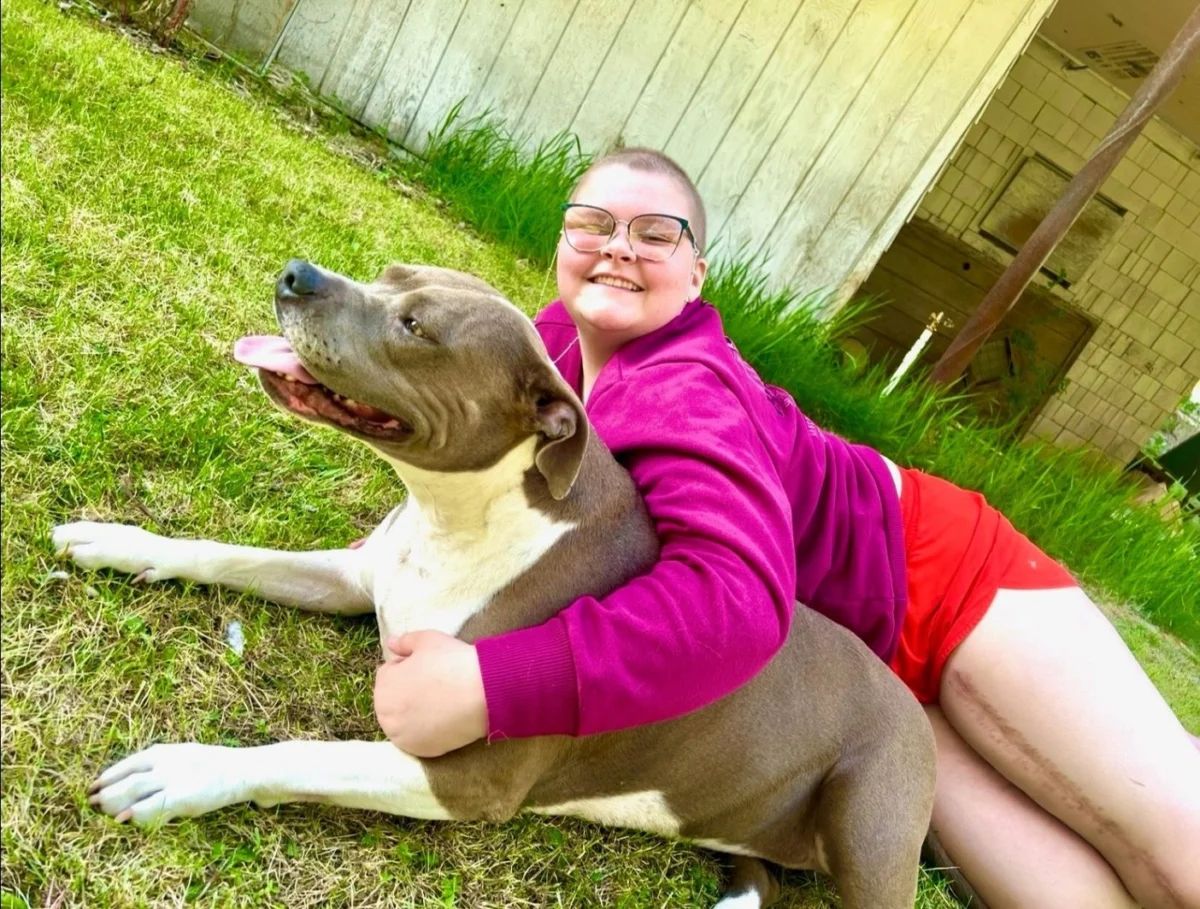
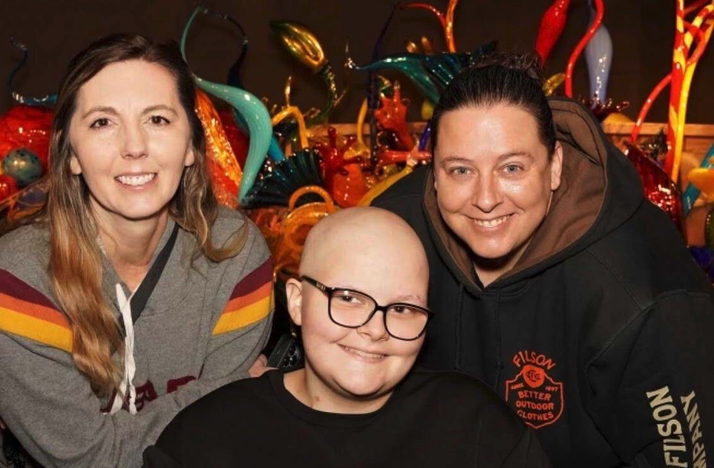
The conclusion of pediatric cancer treatment is often celebrated as a definitive victory, marked by the symbolic ringing of a hospital bell and the final administration of intravenous medication. For fourteen-year-old Madelyn, that moment arrived with the last drop of chemotherapy sliding into her arm, followed by an immediate release of tension as she embraced her mother, Toni, and a family friend. In the immediate aftermath, the atmosphere was one of triumph, with Madelyn exclaiming that she had finally reached the finish line. However, for many families navigating the landscape of pediatric oncology, the cessation of active treatment does not signify the end of the journey; rather, it marks the beginning of a complex phase known as survivorship, characterized by long-term physical rehabilitation and significant psychological adjustments.
The Onset of Osteosarcoma: From Softball Field to Oncology Ward
Madelyn’s medical journey began in the summer of 2024, a period during which she was an active participant in her local softball league. When she first reported persistent leg pain, it was initially attributed to a common sports injury, such as a pulled muscle, sustained while practicing sliding drills. This diagnostic delay is not uncommon in pediatric osteosarcoma cases, as the symptoms frequently mimic growing pains or minor orthopedic injuries. It was only a month later, when the pain became debilitating and led to a physical breakdown, that her mother sought a formal medical evaluation.
An X-ray revealed a significant tumor that had breached the cortex of the femur—the human body’s longest and strongest bone. Subsequent biopsies confirmed a diagnosis of osteosarcoma, a primary bone malignancy that most frequently affects adolescents and young adults during periods of rapid growth. According to the American Cancer Society, osteosarcoma accounts for approximately 2% of childhood cancers, with about 800 to 900 new cases diagnosed annually in the United States. The standard of care typically involves a combination of aggressive chemotherapy and surgical intervention to remove the primary tumor.
Clinical Interventions and Surgical Complications
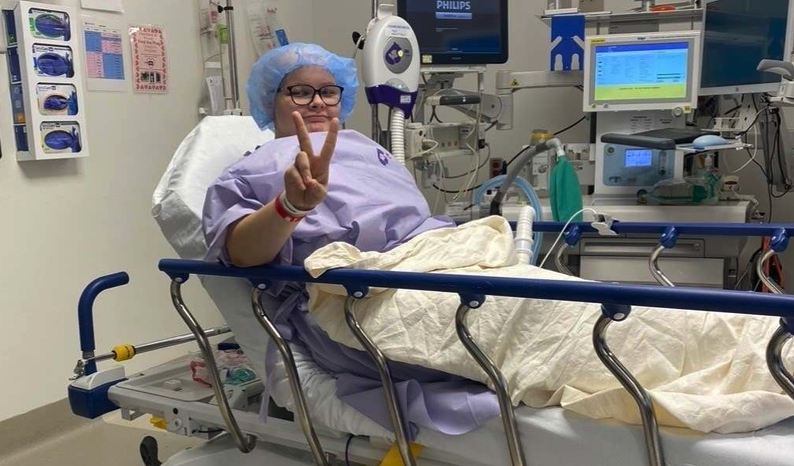
The treatment protocol for Madelyn was intensive, consisting of 30 rounds of chemotherapy. This regimen is designed to shrink the primary tumor and eradicate any micrometastatic disease that may have spread to the lungs or other bones. The side effects were profound, including severe nausea and alopecia, which Madelyn navigated for months. However, the physical challenges were compounded by orthopedic complications.
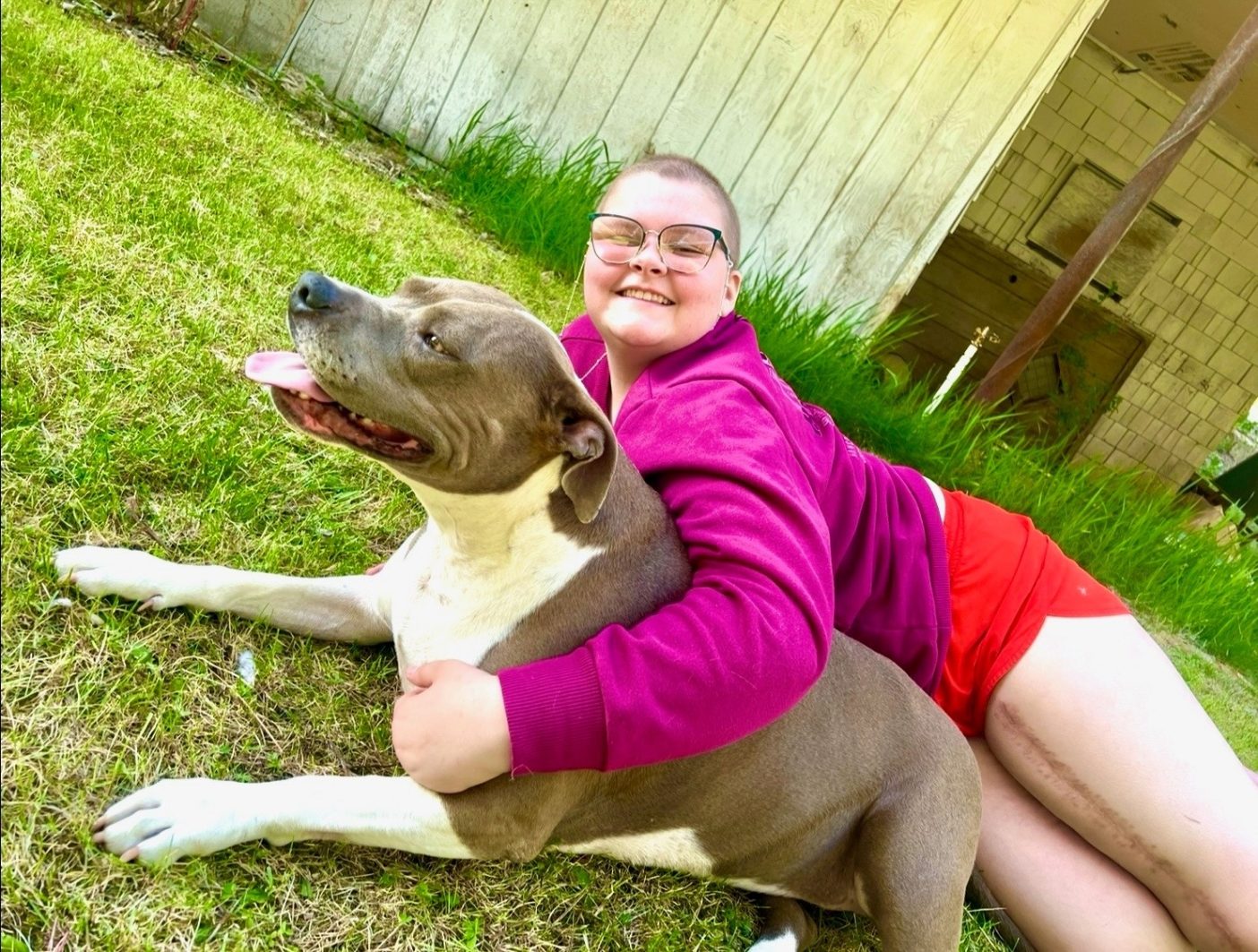
To preserve her leg, Madelyn underwent limb-salvage surgery, a procedure where the cancerous bone is removed and replaced with a prosthetic implant. This is an alternative to amputation, which was the historical standard of care for osteosarcoma. In Madelyn’s case, the surgical team replaced her femur and knee with titanium prosthetics. The recovery was hindered by repeated mechanical failures of the hardware. Because pediatric prosthetics often require custom engineering to match the patient’s anatomy and growth potential, the manufacturing process is lengthy.
Toni noted that the family endured months of waiting as three different prototypes failed during the pressure-testing phase of production. This left Madelyn unable to walk for ten months, a period of forced immovability that impacted her physical development and social integration. It was only after four major surgeries and the eventual successful integration of a titanium femur, knee, and hip component that Madelyn regained the ability to begin the arduous process of physical therapy.
The Transition to Survivorship and the "Alien" Experience
By March 2026, Madelyn reached the milestone of being one year cancer-free. While her physical recovery progressed—transitioning from a wheelchair to a crutch and eventually participating in theater productions—the psychological toll of the experience began to manifest more clearly. This phenomenon is frequently documented in pediatric cancer literature; once the "fight mode" of active treatment subsides, survivors and their families are often left to process the trauma they endured.
Madelyn has reported feelings of profound isolation, describing her return to school as feeling like an "alien" in her old life. The disconnect stems from the vast difference in life experience between a cancer survivor and their peers. While her classmates focused on typical adolescent concerns, Madelyn had faced mortality, chronic pain, and physical disability. Her mother, Toni, observed that Madelyn returned with a level of maturity that distanced her from her friend group, a common social side effect of life-threatening illness in childhood.
Furthermore, the transition has been marked by heightened anxiety and symptoms consistent with post-traumatic stress disorder (PTSD). Madelyn’s preference for staying at home—a "safe zone"—and her fear for her mother’s safety are indicative of the hyper-vigilance that often follows medical trauma. In her mind, the world is no longer a guaranteed safe space, leading to a desire for proximity to her primary caregiver as a protective measure.
Supporting Data: The Long-Term Impact of Pediatric Cancer
The challenges faced by Madelyn and Toni are reflective of broader trends in pediatric oncology. Advances in treatment have pushed the five-year survival rate for childhood cancer to over 85%. However, this success has created a growing population of survivors who face "late effects" of treatment.
Data from the Childhood Cancer Survivor Study (CCSS) indicates that:
- Approximately 60% to 90% of childhood cancer survivors develop at least one chronic health condition related to their treatment.
- Survivors of bone cancers, like osteosarcoma, report higher rates of physical limitations and lower scores in physical health-related quality of life compared to survivors of other pediatric malignancies.
- Mental health struggles, including anxiety, depression, and PTSD, affect a significant portion of survivors. Research suggests that nearly 20% of long-term survivors experience severe psychological distress.
The burden is not limited to the patient. Parents of children with cancer often experience "caregiver burnout" and persistent anxiety. Toni’s experience of returning to work, only to find that colleagues assumed "everything was back to normal" because the physical treatment had ended, highlights a societal lack of understanding regarding the duration of the recovery process.
The Role of Research and Advocacy
The Children’s Cancer Research Fund (CCRF) and similar organizations have pivoted toward prioritizing survivorship research. This field of study focuses on mitigating the long-term physical and mental health consequences of cancer treatment. For teenagers like Madelyn, research aims to develop interventions that build resilience and provide better social reintegration strategies.
Current survivorship initiatives include:
- Psychosocial Support: Developing peer-to-peer networks that allow survivors to connect with others who have shared similar experiences, reducing the "alien" sensation Madelyn described.
- Physical Rehabilitation: Improving prosthetic technology and physical therapy protocols to help patients regain mobility faster and with fewer surgical revisions.
- Long-term Monitoring: Establishing "survivorship clinics" that provide specialized care for the unique health risks survivors face as they age into adulthood.
Madelyn’s Current Status and Future Outlook
Now 15 years old, Madelyn continues to redefine her identity in the wake of her diagnosis. She has embraced creative outlets, such as a food vlog and school theater, and has maintained her role as a leader in her school’s marching band. During her treatment, she served as the drum major from her wheelchair, and her peers showed their support by virtually attending her "bell-ringing" ceremony.
Medically, Madelyn remains in a period of active monitoring. In pediatric oncology, the term "cured" is typically reserved for patients who remain cancer-free for five years post-treatment, as the risk of recurrence is highest during this window. Regular diagnostic scans—a process often referred to by the survivor community as "scanxiety"—remain a permanent fixture of her life for the foreseeable future.
Toni reflects on her daughter’s journey with a mixture of pride and a recalibrated perspective on parenting. She notes that the experience has fostered a sense of patience and an understanding that "tomorrow isn’t promised." This shift in perspective is a hallmark of families who have survived a pediatric cancer crisis; the trivial frustrations of daily life are often overshadowed by a profound appreciation for the present.
As Madelyn continues to experiment with her hair color and document her culinary adventures, she represents the resilience of the modern pediatric cancer survivor. Her story underscores the necessity of a holistic approach to cancer care—one that recognizes that the healing of the mind and the reintegration into society are just as critical as the eradication of the tumor itself. The "finish line" for Madelyn was not the last drop of chemotherapy, but rather the ongoing, daily effort to build a meaningful life despite the physical and emotional scars of her battle with osteosarcoma.
