
 By admin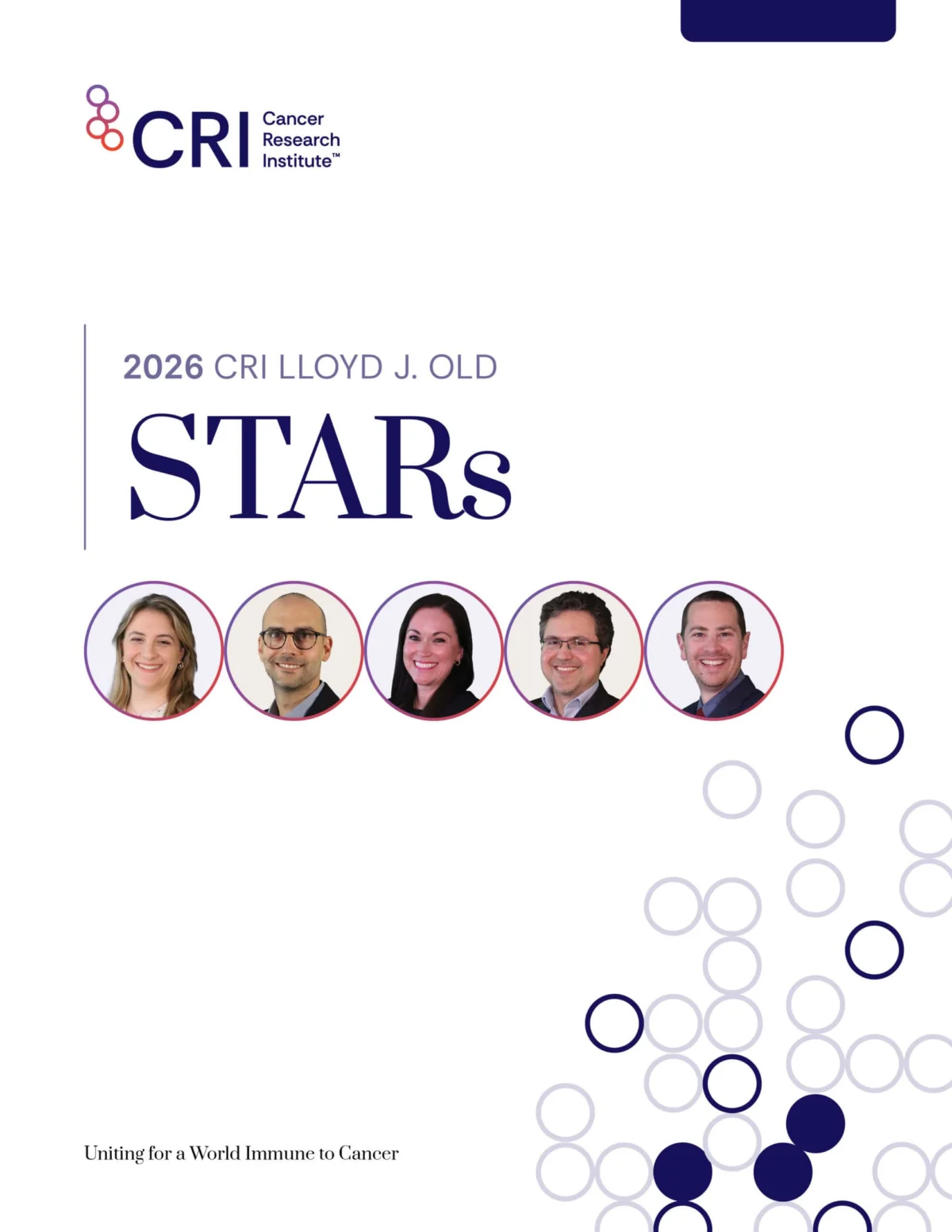
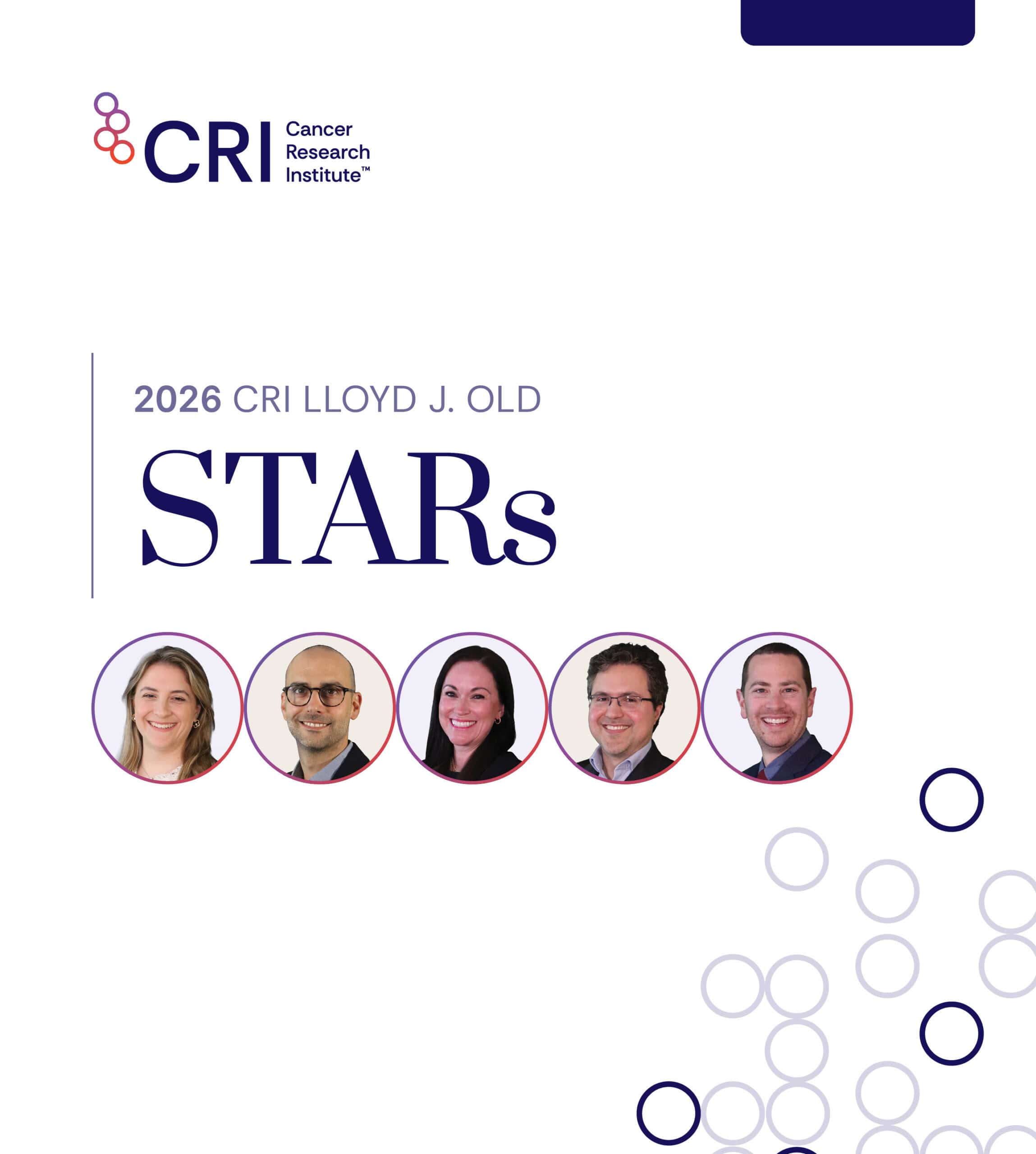
The Cancer Research Institute (CRI) has proudly announced its 2026 class of Lloyd J. Old STARs – Scientists TAKING Risks – marking a significant investment in the future of cancer immunotherapy. Five distinguished scientific leaders have been selected for this prestigious program, each receiving $1.25 million in flexible funding over a five-year period. This substantial commitment, totaling $6.25 million, is designed to empower these researchers to pursue ambitious, paradigm-shifting projects that hold the potential to revolutionize cancer treatment and fundamentally alter the trajectory of oncology. The program, named in honor of Dr. Lloyd J. Old, a foundational figure in modern tumor immunology, embodies CRI’s enduring legacy of identifying and nurturing groundbreaking talent capable of delivering transformative scientific advancements.
The Genesis of Visionary Funding: The Lloyd J. Old STAR Program
The Lloyd J. Old STAR Program is not merely a grant; it is a strategic investment in intellectual capital, an acknowledgment that true scientific breakthroughs often emerge from unconventional thinking and the courage to challenge established norms. Unlike traditional grants that often tie funding to specific, predefined research projects, the STAR awards are designed to support exceptional researchers based on the overall quality, originality, and long-term promise of their work and their scientific vision. This flexible funding model is crucial for fostering the kind of exploratory, high-risk, high-reward research that can lead to truly disruptive innovations in cancer care.
Established to honor the indelible legacy of Dr. Lloyd J. Old (1933-2011), the former scientific director and director of the Ludwig Institute for Cancer Research, this program stands as a testament to his pioneering spirit. Dr. Old is widely regarded as the "father of modern tumor immunology," a visionary whose early work in the 1960s laid the groundwork for what would eventually become one of the most exciting and effective frontiers in cancer treatment: immunotherapy. His foresight and unwavering belief in the immune system’s potential to fight cancer, often in the face of skepticism, catalyzed a paradigm shift in how scientists approached the disease. The STAR program, by supporting "Scientists TAKING Risks," directly mirrors Dr. Old’s own scientific journey, encouraging researchers to pursue bold ideas that might initially seem improbable but could ultimately unlock profound new therapeutic avenues.
A Critical Juncture for Cancer Research: The Power of Immunotherapy
The announcement of the 2026 STAR class comes at a pivotal moment in the global fight against cancer. According to the World Health Organization, cancer remains a leading cause of death worldwide, responsible for nearly 10 million deaths in 2020 alone. While significant progress has been made in various treatment modalities, including surgery, chemotherapy, and radiation, immunotherapy has emerged as a fourth pillar of cancer care, offering unprecedented hope for patients with previously untreatable cancers.
Immunotherapy, which harnesses the body’s own immune system to identify and destroy cancer cells, has transformed the treatment landscape for numerous malignancies, including melanoma, lung cancer, kidney cancer, and certain blood cancers. The initial breakthroughs, such as checkpoint blockade inhibitors, have saved countless lives and extended remission periods for many patients. However, despite these successes, a substantial portion of patients still do not respond to existing immunotherapies, or they develop resistance over time. This highlights the urgent need for continued, innovative research to understand the complex interplay between cancer and the immune system, discover new therapeutic targets, and develop more effective and broadly applicable treatments.
The CRI has been at the forefront of this revolution for decades, providing critical funding for foundational research that paved the way for current immunotherapies. From supporting early studies on tumor antigens and immune cell function to funding clinical trials of novel agents, CRI’s strategic investments have consistently propelled the field forward. The Lloyd J. Old STAR program continues this tradition, focusing on the next generation of scientific leaders who are poised to tackle the remaining challenges and push the boundaries of what is currently possible.
Selection Process and Program Philosophy
The selection of the Lloyd J. Old STARs is an exceptionally rigorous process, reflecting the high caliber of researchers CRI seeks to support. Candidates are typically nominated by leading figures in the field or identified through a meticulous review of their existing body of work. The process involves multiple layers of peer review by CRI’s esteemed Scientific Advisory Council, comprising some of the world’s most prominent immunologists and oncologists. This council evaluates candidates not just on their past accomplishments, but critically, on their potential to drive future innovation and their capacity for independent, visionary thinking.
"These are people who are hitting their stride scientifically and career-wise, and this is where you really want to put some jet fuel in the tank," remarked E. John Wherry, PhD, Associate Director of CRI’s Scientific Advisory Council. This sentiment underscores the program’s philosophy: to provide resources at a crucial stage in a scientist’s career, allowing them to capitalize on momentum and pursue their most ambitious ideas without the typical constraints of traditional funding mechanisms.
Elizabeth Jaffee, MD, also an Associate Director of the Scientific Advisory Council, further emphasized the forward-looking nature of the selection. "We’re picking people who are really our next leaders in the field of immunotherapy," she stated. This focus on leadership extends beyond scientific discovery; it recognizes the importance of individuals who can inspire, mentor, and shape the future direction of cancer research. The STAR awards are an endorsement of these individuals as intellectual pioneers, entrusted with the freedom to explore uncharted scientific territory.
The flexible nature of the $1.25 million grant is a cornerstone of the program’s effectiveness. Researchers are not bound by rigid experimental plans or predefined milestones. This autonomy allows them to pivot quickly in response to unexpected experimental results, pursue novel avenues that emerge during their investigations, and invest in nascent technologies or high-risk projects that might not otherwise qualify for conventional funding. Such flexibility is paramount in rapidly evolving fields like immunotherapy, where unforeseen discoveries can dramatically alter research trajectories. It encourages creativity, fosters intellectual courage, and ultimately accelerates the pace of discovery.
The Broader Impact: Catalyzing a New Era of Discovery
The implications of the Lloyd J. Old STAR program extend far beyond the individual recipients. By investing in these five "Scientists TAKING Risks," CRI is making a strategic contribution to the entire biomedical research ecosystem.
- Accelerating Breakthroughs: The primary aim is to accelerate the discovery of new immunotherapies, diagnostic tools, and deeper understandings of cancer biology. High-risk, high-reward projects, while having a higher chance of failure, also possess the greatest potential for truly transformative breakthroughs that can dramatically improve patient outcomes.
- Fostering Scientific Leadership: By supporting emerging leaders, CRI helps cultivate a robust pipeline of talent dedicated to cancer research. These STARs will likely become mentors to future generations of scientists, establish influential research programs, and contribute significantly to the intellectual discourse of the field.
- Filling Funding Gaps: Traditional funding bodies, often constrained by conservative review processes, can be hesitant to fund highly innovative, unproven concepts. The STAR program consciously addresses this gap, providing a vital lifeline for ideas that may initially appear too speculative but hold immense promise. This type of philanthropic funding often acts as "seed money" that can generate preliminary data, which then enables researchers to secure larger, more conventional grants for further development.
- Enhancing Collaboration and Knowledge Exchange: While the awards are individual, the recognition and resources often facilitate greater collaboration. STARs become part of an elite network of CRI-funded scientists, fostering an environment where ideas are shared, and interdisciplinary approaches are encouraged, leading to synergistic discoveries.
- Inspiring Innovation Across the Field: The success stories emerging from programs like the Lloyd J. Old STARs inspire other researchers and funding organizations to embrace similar models, recognizing the indispensable role of creative freedom in scientific progress.
The 2026 class of Lloyd J. Old STARs represents a renewed commitment to pushing the boundaries of immunotherapy. As the global scientific community grapples with the complexities of cancer, investments in bold, visionary leadership are more critical than ever. The five scientists chosen by CRI are not just recipients of a grant; they are entrusted with the immense responsibility and opportunity to redefine what is possible in the fight against cancer, carrying forward the torch lit by pioneers like Dr. Lloyd J. Old. Their work over the next five years and beyond will undoubtedly shape the future of cancer treatment, offering new hope and pathways to healing for millions worldwide. The journey to conquer cancer is long and arduous, but through strategic support of daring scientific minds, organizations like the Cancer Research Institute continue to illuminate the path forward.
