
 By George Ongkojoyo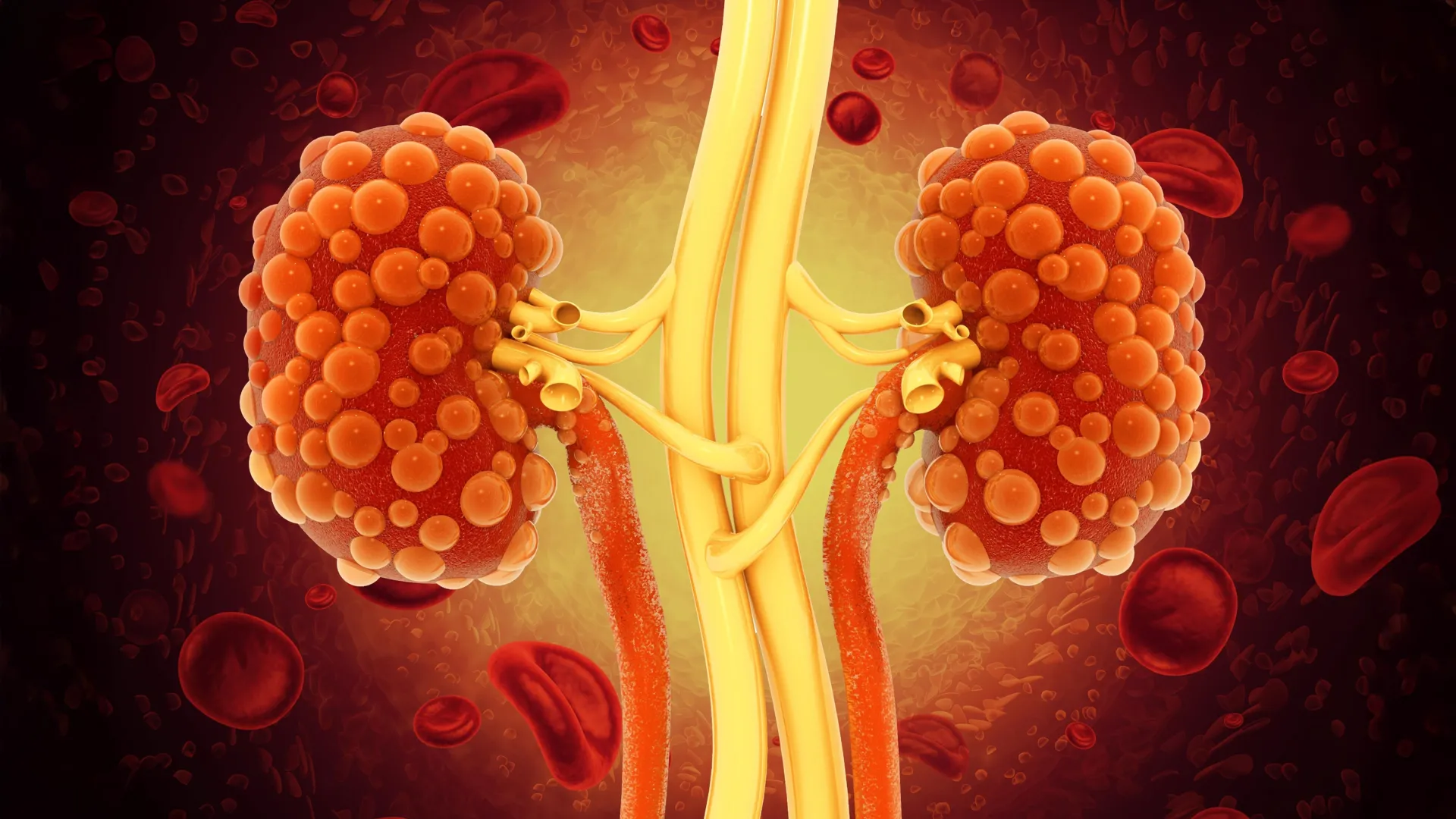
Researchers at the University of California, Santa Barbara (UCSB) have unveiled a pioneering therapeutic approach to treating Polycystic Kidney Disease (PKD), an inherited condition that has long frustrated the medical community due to its lack of a cure and the severe side effects associated with existing treatments. By engineering a specific type of monoclonal antibody capable of penetrating the interior of fluid-filled kidney cysts, the research team, led by biologist Thomas Weimbs, has demonstrated a potential method for halting the progression of this debilitating disease at its source. The study, recently published in the journal Cell Reports Medicine, marks a significant shift from traditional small-molecule therapies toward more precise, targeted immunotherapy.
The Global Burden and Pathology of Polycystic Kidney Disease
Polycystic Kidney Disease is a genetic disorder characterized by the development of numerous fluid-filled cysts within the kidneys. These cysts are not benign; as they grow in size and number, they exert pressure on the surrounding healthy renal tissue, leading to inflammation, fibrosis, and a progressive loss of kidney function. According to the PKD Foundation, approximately 600,000 people in the United States and 12.5 million people worldwide suffer from the condition, making it one of the most common life-threatening genetic diseases.
The disease primarily manifests in two forms: Autosomal Dominant PKD (ADPKD), which is usually diagnosed in adulthood, and the rarer Autosomal Recessive PKD (ARPKD), which affects infants and children. In both cases, the mutations in the PKD1 or PKD2 genes lead to the uncontrolled proliferation of epithelial cells lining the kidney tubules. These cells form "sealed chambers" that trap fluid and growth factors, creating a self-sustaining cycle of expansion. For many patients, the ultimate outcome is End-Stage Renal Disease (ESRD), requiring life-sustaining dialysis or a kidney transplant. Until now, medical intervention has focused largely on symptom management and blood pressure control rather than addressing the underlying cellular mechanics of cyst growth.
Limitations of Current Pharmacological Interventions
The current gold standard for slowing PKD progression is a drug called Tolvaptan, a vasopressin V2-receptor antagonist. While Tolvaptan has been shown to reduce the rate of cyst growth and preserve kidney function in some patients, its use is heavily restricted due to significant drawbacks. The drug requires patients to consume vast quantities of water—often upward of five to seven liters a day—to manage its diuretic effects. More critically, Tolvaptan carries a risk of serious liver toxicity, necessitating frequent and lifelong monitoring of hepatic function.
"The cysts just keep growing endlessly," explained Thomas Weimbs, the senior author of the UCSB study. "And we want to stop them. So we need to get a drug into these cysts that will make them stop."
Small-molecule drugs, like Tolvaptan, often lack the specificity required to target only the diseased tissue, leading to the "off-target" effects that plague PKD patients. While monoclonal antibodies (mAbs) have revolutionized cancer treatment by offering high specificity, the most common form of these lab-made proteins, Immunoglobulin G (IgG), has historically been ineffective for PKD. IgG molecules are too large to traverse the epithelial layers that seal the kidney cysts. Consequently, the therapeutic agents remain in the bloodstream or the interstitial space, unable to reach the growth factor receptors located on the interior lining of the cyst walls.
A Chronology of Innovation: From Hypothesis to Proof of Concept
The journey toward this breakthrough began nearly a decade ago. In 2015, the Weimbs laboratory proposed a radical hypothesis: if standard IgG antibodies could not enter the cysts, perhaps a different class of antibody could. They looked to the body’s mucosal immune system for inspiration, specifically focusing on dimeric Immunoglobulin A (dIgA).
In nature, dIgA is the primary antibody found in mucosal secretions such as tears, saliva, and breast milk. Its unique structure allows it to bind to the polymeric immunoglobulin receptor (pIgR) on the surface of epithelial cells. Once bound, the receptor facilitates a process called transcytosis, where the antibody is actively transported through the cell and released onto the other side. The 2015 paper suggested that since kidney cysts are lined with epithelial cells expressing these receptors, dIgA could serve as a "Trojan horse" to deliver therapeutic payloads directly into the cyst cavity.
Building on this foundation, the current study involved a multi-year effort to engineer a synthetic dIgA antibody. The research team, which included lead author Margaret F. Schimmel and colleagues Bryan C. Bourgeois, Alison K. Spindt, Sage A. Patel, Tiffany Chin, Gavin E. Cornick, and Yuqi Lu, first modified the DNA sequence of an existing IgG antibody. By swapping the "backbone" of the protein, they converted it into a dIgA format while maintaining its ability to recognize a specific target: the mesenchymal-epithelial transition (cMET) receptor.
Experimental Data and Targeted Mechanism of Action
The cMET receptor is a well-known driver of cell proliferation and is highly active in PKD cyst fluid. In the uncontrolled environment of a kidney cyst, epithelial cells secrete growth factors into the internal fluid. These factors then bind to cMET receptors on the same or neighboring cells, creating a "never-ending scheme" of self-activation.
To test their redesigned antibody, the UCSB researchers utilized mouse models of polycystic kidney disease. The results were definitive:
- Successful Penetration: Unlike standard IgG, the engineered dIgA successfully crossed the cyst-lining membrane and accumulated within the fluid-filled chambers.
- Receptor Inhibition: Once inside, the antibody bound to the cMET receptors, effectively blocking the signals that tell the cells to divide and grow.
- Selective Apoptosis: Perhaps most significantly, the treatment triggered a dramatic onset of apoptosis, or programmed cell death, specifically in the diseased cyst-lining cells.
- Safety Profile: The data indicated that healthy renal tissue remained unaffected. The antibody did not trigger cell death in non-cystic parts of the kidney, suggesting a high degree of safety and specificity that current small-molecule drugs lack.
"Our premise was that if you block either the growth factor or the receptor for the growth factor, you should be able to stop this constant activation of the cells," Weimbs stated. The findings confirmed that the dIgA platform could achieve this goal without the systemic toxicity seen in earlier trials of other cMET inhibitors.
Scientific Analysis and Clinical Implications
The implications of this research extend beyond the targeting of the cMET receptor. By proving that the dIgA antibody can serve as a delivery vehicle, the UCSB team has opened the door to a "modular" approach to PKD therapy. Because the cyst fluid contains dozens of different growth factors—such as Epidermal Growth Factor (EGF) and Hepatocyte Growth Factor (HGF)—researchers can now envision a "cocktail" of dIgA antibodies designed to hit multiple targets simultaneously.
This breakthrough aligns with the broader trend toward precision medicine. In the context of nephrology, it represents a shift toward "biologics," which have already transformed the treatment of autoimmune diseases and various cancers. If successfully transitioned to human trials, dIgA therapy could potentially offer a once-monthly or bi-weekly injection that slows or even reverses kidney enlargement, sparing patients from the grueling requirements of Tolvaptan or the inevitability of dialysis.
Industry analysts suggest that this development may attract significant interest from the biotechnology sector. The orphan drug status often granted to PKD treatments, combined with the clear unmet medical need, makes this a high-priority area for pharmaceutical innovation. However, the path to the clinic remains rigorous.
Future Outlook and Challenges
Despite the promising results in animal models, Thomas Weimbs and his team emphasize that the research is still in the preclinical stage. Several hurdles must be cleared before the therapy reaches human patients.
"It would be a good idea to compare blocking of several different growth factors and several receptors, maybe side-by-side to see which is the most effective," Weimbs noted. The team is currently looking for partners in the pharmaceutical industry to help scale the production of these specialized antibodies and to conduct the necessary safety trials required by the FDA.
Future research will focus on:
- Optimization of Antibody Variants: Identifying which growth factor receptors, when blocked, yield the most significant reduction in cyst volume.
- Long-term Safety Studies: Ensuring that the dIgA transport mechanism does not interfere with other mucosal immune functions over long periods.
- Human Compatibility: Refining the "humanization" of the antibody to prevent the human immune system from rejecting the lab-grown proteins.
The study received partial support from the National Institutes of Health (NIH) and the U.S. Department of Defense (DoD), highlighting the perceived importance of PKD research to national public health. As the UCSB team moves into the next phase of their work, the medical community remains cautiously optimistic that the "sealed chambers" of PKD may finally have a key.
Conclusion
The discovery of a cyst-penetrating antibody represents a milestone in the decades-long battle against Polycystic Kidney Disease. By leveraging the body’s own natural transport mechanisms to deliver potent, targeted therapies, the researchers at UC Santa Barbara have provided a roadmap for a future where PKD is a manageable condition rather than a certain path to kidney failure. While the journey from the laboratory bench to the patient’s bedside is long, the successful demonstration of dIgA’s efficacy offers a new sense of hope for millions of patients worldwide.
