
 By admin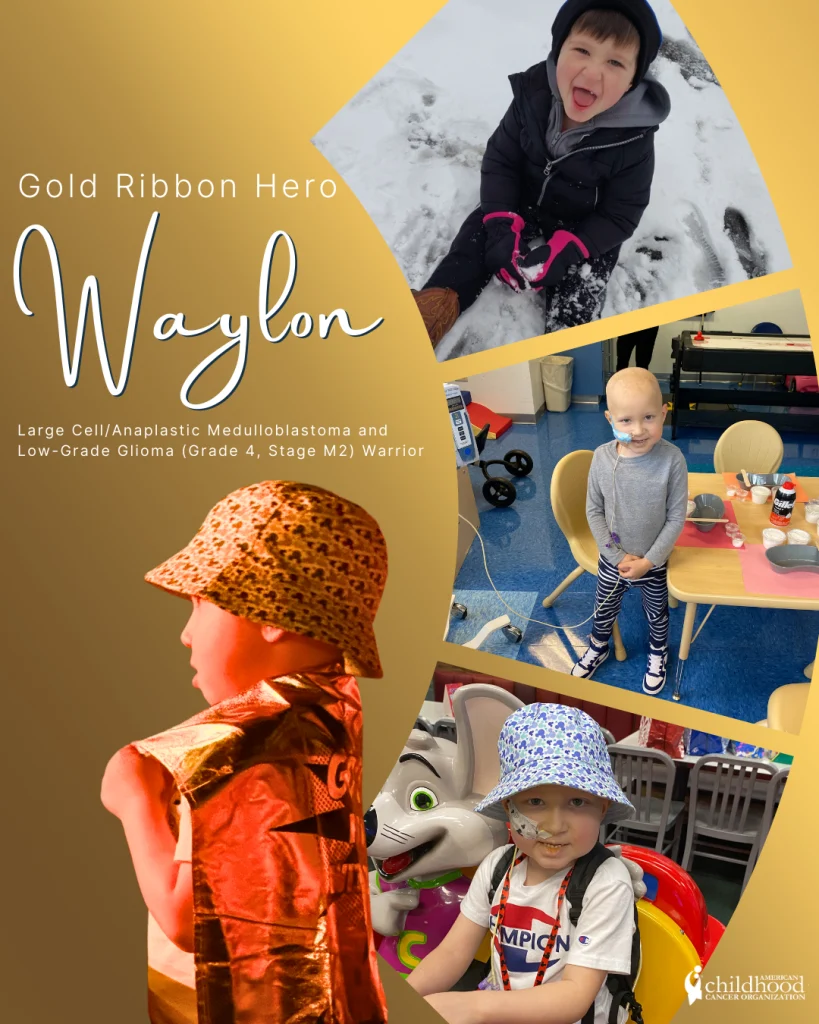
The intersection of pediatric medical crises and community-driven advocacy was highlighted recently through the story of Waylon, a five-year-old boy diagnosed with a rare and aggressive form of brain cancer. Waylon, who has become a symbol of resilience for families navigating the complexities of pediatric oncology, was recently honored as an ambassador at the Grand Ole Opry Chili Cook-Off in Nashville, Tennessee. His journey from the onset of neurological symptoms to his current status as a "cancer warrior" underscores both the severity of pediatric brain tumors and the vital role of public awareness campaigns hosted by national landmarks.
The Onset and Clinical Diagnosis of Waylon’s Condition
The medical narrative for Waylon and his family shifted abruptly in early 2025 when the five-year-old began exhibiting a series of concerning symptoms. According to his mother, Kayla, the family first noticed persistent headaches, recurrent vomiting, and significant issues with physical balance. These symptoms are classic "red flags" for intracranial pressure, often caused by the presence of a mass within the central nervous system. Following a series of diagnostic tests and imaging, Waylon was officially diagnosed on April 24, 2025, with large cell/anaplastic medulloblastoma and low-grade glioma.
The diagnosis was particularly severe, classified as Grade 4 with a Stage M2 designation. In the context of pediatric oncology, medulloblastoma is the most common malignant brain tumor in children, accounting for nearly 20 percent of all pediatric brain tumors. However, the "large cell/anaplastic" subtype is recognized by the World Health Organization (WHO) as an especially aggressive variant, often associated with a higher rate of cellular division and a more challenging prognosis than standard medulloblastoma. The Stage M2 classification indicates that the cancer has metastasized beyond the primary tumor site to other areas within the cerebellar subarachnoid space or the cerebral ventricles.
A Chronology of Intensive Treatment and Intervention
Following the diagnosis in April 2025, Waylon was immediately placed on a rigorous multi-modal treatment protocol designed to combat the aggressive nature of Grade 4 tumors. The standard of care for high-risk medulloblastoma typically involves a combination of surgical resection, radiation therapy, and high-dose chemotherapy.
Waylon’s treatment timeline began with two major brain surgeries aimed at debulking the tumor and relieving the hydrocephalus (fluid buildup) caused by the mass. Surgical intervention in the posterior fossa, where medulloblastomas are typically located, is a delicate procedure requiring precision to avoid damaging critical motor and sensory pathways. Following the surgeries, Waylon transitioned into the adjuvant therapy phase.
To date, Waylon has completed 33 of his 37 scheduled rounds of chemotherapy. This intensive regimen is designed to eradicate any remaining microscopic cancer cells and prevent recurrence, which is a significant risk in anaplastic cases. In addition to chemotherapy, Waylon has successfully finished a full course of radiation treatment. Pediatric radiation, while effective at controlling tumor growth, requires careful calibration to minimize long-term cognitive and developmental side effects, particularly in children under the age of six.
Statistical Context: The Landscape of Pediatric Brain Cancer
Waylon’s case highlights a broader public health challenge. Brain and central nervous system (CNS) tumors are the most common solid tumors in children and are currently the leading cause of cancer-related death among pediatric populations in the United States. While overall survival rates for childhood cancer have improved significantly over the last several decades, the prognosis for high-risk, metastatic medulloblastoma remains a focal point for intensive research.
According to data from the National Cancer Institute (NCI) and the American Childhood Cancer Organization (ACCO), approximately 500 children are diagnosed with medulloblastoma each year in the U.S. The survival rate varies drastically based on the molecular subtype and the extent of the spread at the time of diagnosis. For children with metastatic (Stage M2 or M3) disease, the five-year survival rate typically ranges between 50 and 60 percent, compared to over 80 percent for those with localized disease. These statistics underscore the urgency of early detection and the necessity of the aggressive treatment plan Waylon is currently undergoing.
The Grand Ole Opry and the "Go Gold" Initiative
Amidst the grueling schedule of hospital visits and recovery, Waylon was invited to serve as an ambassador for the American Childhood Cancer Organization (ACCO) during a high-profile event at the Grand Ole Opry in Nashville. The Grand Ole Opry, often referred to as the "home of country music," has maintained a long-standing partnership with the ACCO to support the "Go Gold" movement, which uses the color gold to represent the bravery of children fighting cancer.
The Grand Ole Opry Chili Cook-Off serves as a localized fundraising and awareness event where employees and the community gather to support pediatric cancer initiatives. For Waylon and his family, the event provided a reprieve from the clinical environment of the oncology ward. As an ambassador, Waylon was given a tour of the historic facility, attended the employee cook-off, and watched a live performance at the Opry.
This partnership between a major entertainment venue and a health advocacy group is a strategic component of the ACCO’s mission. By integrating stories like Waylon’s into mainstream cultural events, the organization aims to bridge the gap between medical reality and public perception, fostering a community that is better equipped to support families in crisis.
Official Responses and the Impact on the Family Unit
The emotional toll of a pediatric cancer diagnosis is often described as a "world-turning-upside-down" event, a sentiment echoed by Waylon’s mother, Kayla. For families, the transition from a standard routine to a life dictated by oncology protocols involves significant psychological, logistical, and financial strain.
Advocates from the ACCO emphasize that the impact of childhood cancer extends far beyond the patient. "When a child is diagnosed, the entire family is diagnosed," is a common refrain among pediatric social workers. The presence of support systems, such as those provided by the Nashville community and the Grand Ole Opry, is essential for maintaining the mental health of caregivers and siblings.
Inferred statements from the ACCO leadership suggest that ambassadors like Waylon play a crucial role in humanizing the data. While statistics provide a framework for medical professionals, the lived experience of a five-year-old undergoing 33 rounds of chemotherapy provides the moral imperative for continued funding and legislative support for the Research to Accelerate Cures and Equity (RACE) for Children Act and other similar initiatives.
Broader Implications and the Future of Pediatric Oncology
Waylon’s ongoing battle and his public appearance at the Opry bring attention to the critical need for pediatric-specific cancer research. Historically, pediatric oncology has been underfunded compared to adult cancers, with many treatments being "off-label" uses of drugs originally developed for adults. However, the emergence of molecular profiling for tumors—identifying specific genetic markers in medulloblastoma—is paving the way for more targeted therapies that could potentially reduce the toxicity of treatments like the ones Waylon has endured.
The visibility of Waylon’s story during September, which is recognized globally as Childhood Cancer Awareness Month, serves to educate the public on the specific challenges of brain cancer. Unlike other forms of pediatric cancer, brain tumors often leave patients with long-term neurological or endocrine deficits, necessitating a lifetime of follow-up care.
Conclusion: The Road Ahead for Waylon
As Waylon nears the completion of his chemotherapy regimen, his status as a "warrior" remains a testament to the advancements in modern pediatric medicine and the strength of the human spirit. His participation in the Grand Ole Opry event was more than a recreational outing; it was a platform to highlight the necessity of community support in the face of life-threatening illness.
The medical community continues to monitor Waylon’s progress closely. With 33 rounds of chemotherapy behind him and the completion of radiation, the focus will eventually shift toward monitoring for remission and managing any long-term effects of the intensive therapy. For now, Waylon’s story serves as a beacon for other families navigating the "M2" stage of medulloblastoma, proving that even in the midst of a Grade 4 diagnosis, there is room for community, celebration, and hope. Through the continued efforts of organizations like the ACCO and the philanthropic support of institutions like the Grand Ole Opry, the narrative of pediatric cancer is slowly shifting from one of isolation to one of collective resilience and public advocacy.
