
 By admin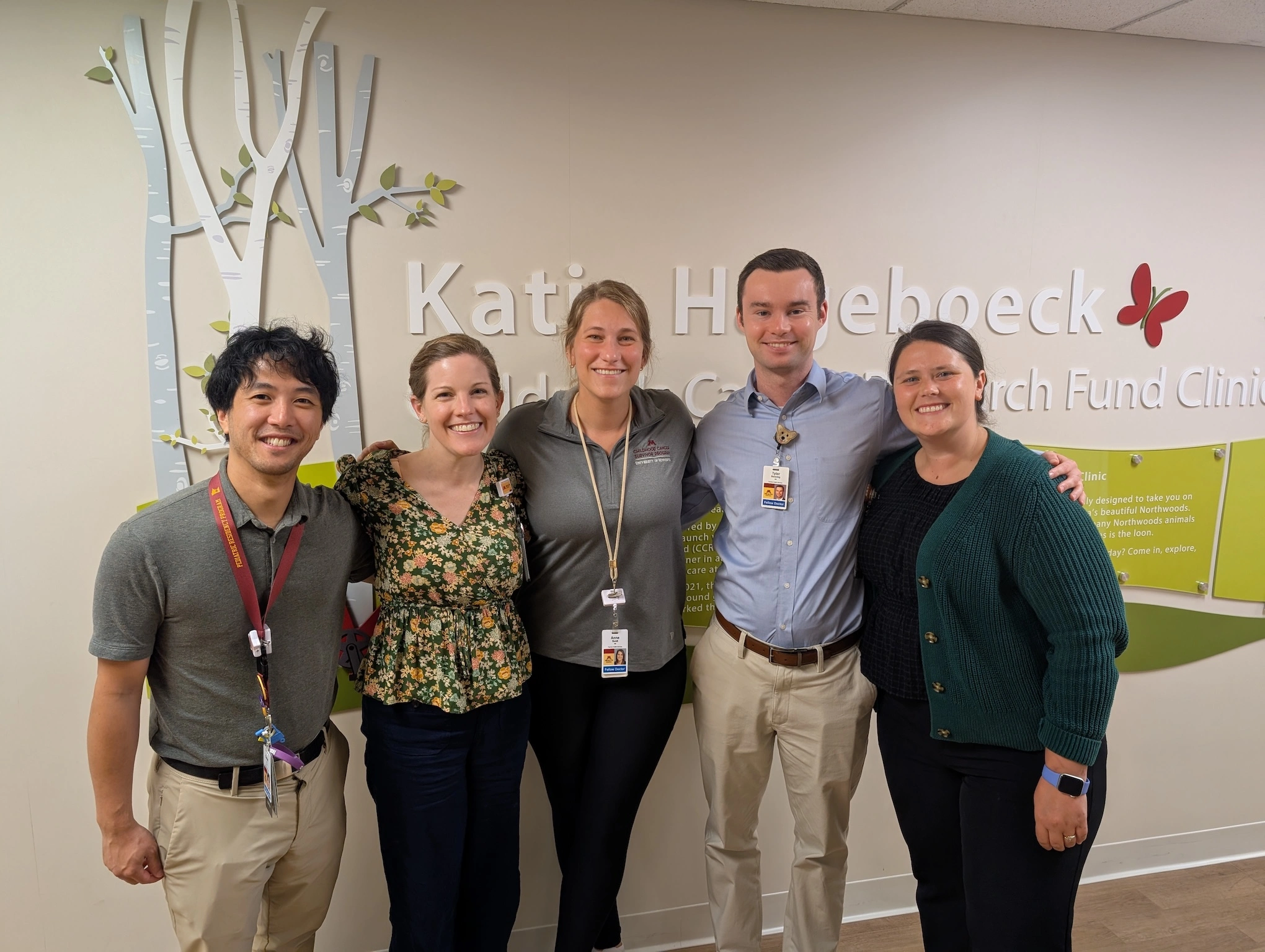
The landscape of pediatric healthcare in the United States is currently facing a dual-edged challenge: while advancements in medical science have led to record-high survival rates for children diagnosed with cancer, the medical infrastructure required to support these survivors is under significant strain. A critical shortage of pediatric oncology specialists is emerging nationwide, threatening the quality of long-term, specialized care for the growing population of childhood cancer survivors. To combat this crisis, the Children’s Cancer Research Fund (CCRF) has announced a landmark 10-year funding commitment to the University of Minnesota’s Pediatric Hematology/Oncology Fellowship Program. This initiative aims to fortify the pipeline of clinician-researchers who are essential for both immediate patient care and the long-term evolution of oncological therapies.
For over four decades, CCRF has been a foundational pillar for advanced medical training, supporting graduate research fellows as they transition into careers in academic medicine. The newly extended commitment ensures that the University of Minnesota remains a premier hub for developing the next generation of specialists. These fellows are tasked with a rigorous dual mandate: providing hands-on clinical care to the most vulnerable patients while simultaneously conducting high-level research to discover the cures of tomorrow.
The Growing Crisis in the Pediatric Oncology Workforce
The shortage of pediatric oncologists is not a localized issue but a systemic concern affecting healthcare networks across North America. According to data from the American Board of Pediatrics, the number of new physicians entering the subspecialty of pediatric hematology/oncology has not kept pace with the increasing complexity of care required for modern treatments. While the five-year survival rate for all childhood cancers combined has risen to approximately 85%, this success brings a new set of challenges. Survivors often require lifelong monitoring for "late effects" of treatment, including secondary cancers, cardiovascular issues, and cognitive impairments.
This increased demand for long-term survivorship care coincides with a period of high attrition among senior physicians. Burnout, an aging workforce, and the financial pressures of academic medicine have led to a narrowing of the talent pool. Without dedicated fellowship programs like the one supported by CCRF, the gap between patient needs and provider availability is expected to widen. The University of Minnesota program serves as a critical intervention, providing the financial stability and mentorship necessary to attract top-tier medical graduates to this demanding field.
A Four-Decade Legacy of Academic Excellence
The partnership between the Children’s Cancer Research Fund and the University of Minnesota is built on a 40-year history of collaborative success. Since the program’s inception, CCRF has recognized that the bridge between laboratory discovery and bedside application is built by fellows. These individuals are typically physicians who have completed their residency and are now specializing in the intricacies of blood disorders and pediatric malignancies.
The curriculum offered through this fellowship is distinct in its breadth. It combines traditional clinical rotations with a heavy emphasis on original research. By funding these positions, CCRF allows fellows to focus on their training without the immediate pressure of securing external grant funding, which is notoriously difficult for early-career researchers to obtain. This "protected time" for research is what transforms a standard physician into a clinician-researcher—a specialist capable of not only treating a disease but also questioning the existing protocols to find more effective, less toxic alternatives.
Integrating Breakthrough Technologies: CAR T and Gene Therapy
One of the most significant aspects of the CCRF-funded fellowship is the exposure it provides to cutting-edge therapeutic modalities. Fellows at the University of Minnesota work alongside world-renowned faculty mentors to explore innovations that were considered science fiction only a generation ago. Among these are Chimeric Antigen Receptor (CAR) T-cell therapy and various forms of gene therapy.
CAR T-cell therapy involves reprogramming a patient’s own immune cells to recognize and attack cancer cells. While this has shown revolutionary results in treating certain types of leukemia, its application in solid tumors remains a frontier of active research. Fellows in the program are at the forefront of these clinical trials, learning how to manage the complex side effects of immunotherapy while refining the delivery mechanisms.
Similarly, gene therapy offers the potential to correct genetic mutations that predispose children to certain cancers or blood disorders like sickle cell anemia. The 10-year funding commitment ensures that as these technologies evolve, the University of Minnesota will have the personnel necessary to lead the national conversation on their implementation.
Expanding the Scope: Bioethics, Health Equity, and Communication
The modern pediatric oncologist must be more than a biologist; they must be a communicator and an advocate. The most recent class of CCRF fellows has expanded its research focus to include critical non-clinical areas that directly impact patient outcomes. These include bioethics, prognosis communication, and health equity.
Research into prognosis communication is particularly vital in pediatrics. How a physician delivers news to a family can dictate the trajectory of the treatment and the mental health of the caregivers. Fellows are studying how to balance hope with clinical reality, ensuring that families are empowered to make informed decisions.
Furthermore, the program’s focus on health equity addresses the systemic disparities in cancer outcomes. Data consistently shows that children from marginalized communities or rural areas often face delays in diagnosis and have less access to clinical trials. CCRF-funded fellows are investigating how to bridge these gaps, ensuring that life-saving innovations reach every child, regardless of their socioeconomic status or geographic location.
The Economic and Scientific Impact of Philanthropic Support
The role of private philanthropy in medical training cannot be overstated. While federal funding through the National Institutes of Health (NIH) and the National Cancer Institute (NCI) is essential for large-scale studies, it often overlooks the "human infrastructure" of medicine. Fellowship programs are expensive to maintain, and hospital budgets are frequently stretched thin.
By providing a 10-year commitment, CCRF offers a level of stability that is rare in the medical field. This long-term horizon allows the University of Minnesota to plan multi-year research projects and recruit fellows who are interested in pursuing complex, long-term scientific questions. The investment acts as a force multiplier: every fellow trained is a specialist who will go on to treat thousands of children over their career and potentially mentor dozens of other physicians.
Analysis of previous alumni from the CCRF program reveals a significant national impact. Former fellows have gone on to lead oncology departments at major children’s hospitals, serve as principal investigators on national clinical trials, and hold leadership positions in organizations like the Children’s Oncology Group (COG). This "alumni effect" ensures that the influence of CCRF’s funding extends far beyond the borders of Minnesota.
Chronology of Innovation and Future Projections
The timeline of CCRF’s involvement illustrates a steady escalation of commitment to pediatric health. In the 1980s and 1990s, the focus was primarily on improving the survival rates of common pediatric cancers like Acute Lymphoblastic Leukemia (ALL). As survival rates improved in the 2000s, the focus shifted toward reducing the toxicity of treatments to improve the quality of life for survivors.
The current decade marks a shift toward precision medicine. The 10-year commitment announced recently is designed to carry the program through 2034, a period during which genomic sequencing is expected to become a standard part of pediatric cancer care. The fellows trained during this window will be the first generation of oncologists to routinely use a child’s unique genetic profile to tailor "designer" treatments that maximize efficacy while minimizing damage to healthy tissues.
Conclusion: Securing the Future of Pediatric Oncology
The Children’s Cancer Research Fund’s investment in the University of Minnesota’s fellowship program is a strategic response to a looming national crisis. By prioritizing the development of clinician-researchers, the program addresses the immediate need for specialized care while fostering the innovation necessary to eliminate childhood cancer as a life-threatening disease.
As the medical community continues to grapple with the workforce shortage, the CCRF model provides a blueprint for how philanthropic organizations can partner with academic institutions to secure the future of healthcare. The 10-year funding commitment is more than a financial donation; it is a pledge to the thousands of children diagnosed with cancer each year that their care will be managed by the most highly trained, compassionate, and innovative minds in the field. Through the dual pillars of clinical excellence and groundbreaking research, these fellows are not just treating a disease—they are reshaping the possibilities of what it means for a child to survive and thrive after cancer.
