
 By Gabriel Paijo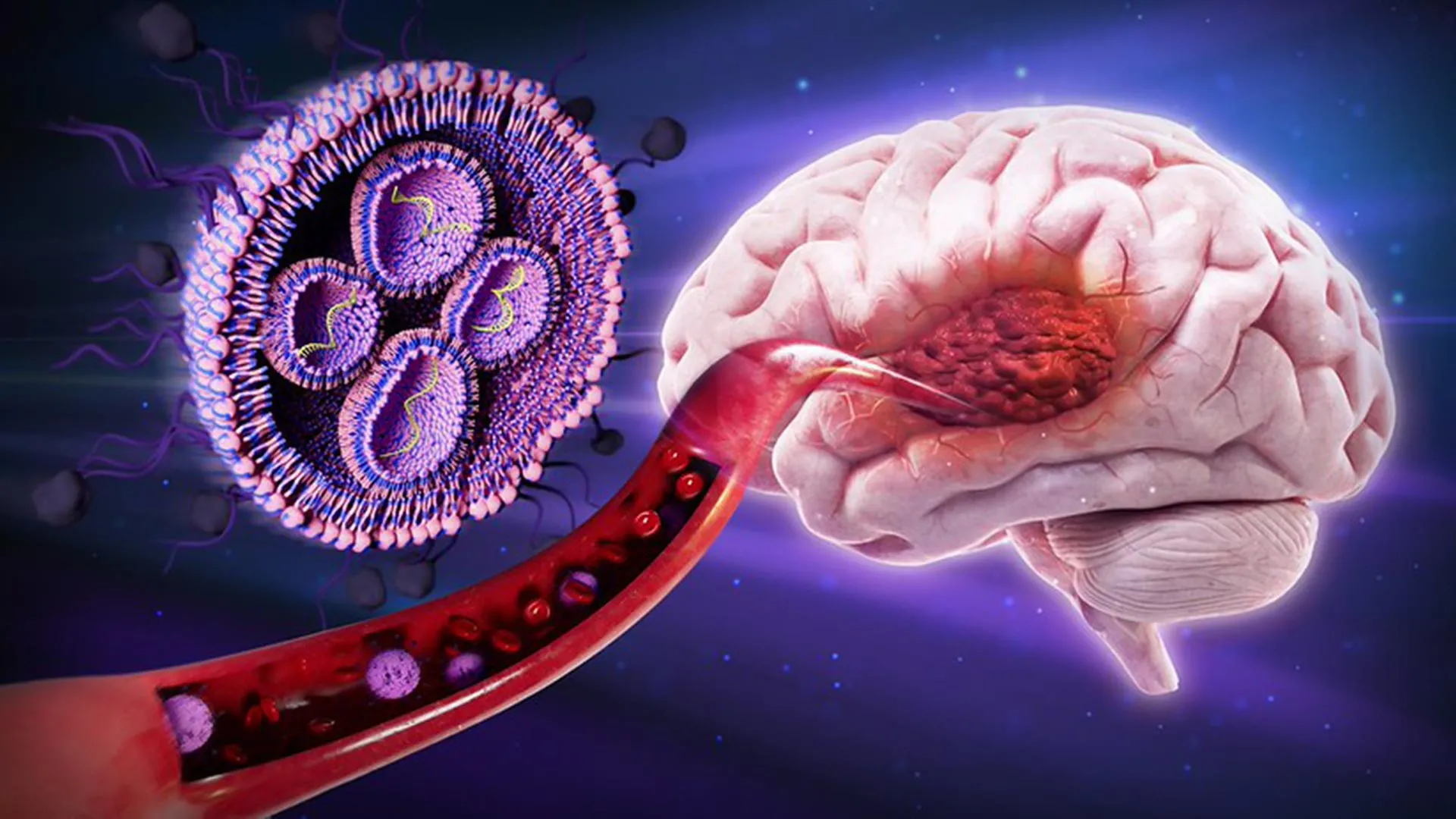
The battle against glioblastoma, the most lethal and aggressive primary brain tumor in adults, has long been stymied by the very biological defenses meant to protect the human brain. However, a team of scientists at the Oregon State University (OSU) College of Pharmacy has unveiled a sophisticated experimental strategy that utilizes "sugar-coated" nanoparticles to bypass the blood-brain barrier and deliver life-saving genetic instructions directly to tumor cells. This breakthrough, recently detailed in the Journal of Controlled Release, offers a new glimmer of hope for a condition where the prognosis has remained stubbornly grim for decades, with fewer than 30% of patients surviving two years post-diagnosis and more than 95% succumbing within five years.
The Biological Fortress: Understanding the Blood-Brain Barrier
To appreciate the significance of the OSU research, one must understand the formidable obstacle known as the blood-brain barrier (BBB). The BBB is a highly selective semipermeable border of endothelial cells that prevents solutes in the circulating blood from non-selectively crossing into the extracellular fluid of the central nervous system. While this barrier is essential for protecting the brain from pathogens and toxins, it is also the primary reason why more than 98% of potential small-molecule drugs and nearly 100% of large-molecule therapies fail to reach brain tissue.
Glioblastoma multiforme (GBM) exploits this protection. While the tumor ravages brain tissue, the BBB remains largely intact in the surrounding areas, preventing chemotherapy and other systemic treatments from reaching the infiltrating edges of the cancer. Consequently, surgeons can rarely remove the entire tumor, and the remaining cells, shielded by the BBB, inevitably lead to recurrence. The OSU team, led by Professors Oleh Taratula, Olena Taratula, and Yoon Tae Goo, sought to turn the brain’s own nutrient-transport system into a "Trojan Horse" to breach this fortress.
The "Trojan Horse" Strategy: Exploiting the GLUT1 Transporter
The central innovation of the OSU study lies in the chemical engineering of the nanoparticle’s exterior. The researchers developed lipid nanoparticles (LNPs)—microscopic fatty spheres—and coated them with mannose. Mannose is a simple sugar, a stereoisomer of glucose, which is the brain’s primary energy source.
The human brain is an energy-intensive organ, consuming roughly 20% of the body’s glucose despite making up only 2% of its weight. To meet this demand, the cells lining the blood vessels in the brain are densely packed with GLUT1, a specialized transporter protein designed to ferry glucose across the BBB. Because mannose is chemically similar to glucose, the GLUT1 transporters recognize and bind to it, effectively pulling the mannose-coated nanoparticles across the barrier and into the brain.
"Blood contains relatively high concentrations of glucose, and that’s what the nanoparticles are competing against for GLUT1’s attention," explained Oleh Taratula. The challenge for the researchers was to make the nanoparticles more "attractive" to the transporters than the surrounding glucose. They achieved this by chemically bonding mannose to cholesterol, a primary structural component of the nanoparticle shell. This technique increased the sugar’s surface density by sixfold, allowing the particles to outcompete glucose for transporter binding sites and ensuring a higher rate of entry into the central nervous system.
Targeted Delivery: The Warburg Effect and Tumor Accumulation
Once the nanoparticles successfully cross the BBB, they face a second challenge: identifying and entering the tumor cells while sparing healthy neurons and glia. The OSU strategy capitalizes on a hallmark of cancer metabolism known as the Warburg Effect. Glioblastoma cells are "metabolically reprogrammed" to consume massive amounts of sugar to fuel their rapid, uncontrolled division.
As a result, glioblastoma cells express GLUT1 at levels approximately three times higher than normal brain tissue. This disparity creates a natural "sink" for the sugar-coated nanoparticles. Once inside the brain, the particles are preferentially drawn to the areas of highest GLUT1 concentration—the tumors themselves. This dual-targeting mechanism—first for the BBB and then for the tumor—minimizes "off-target" effects, which is a common failure point in traditional chemotherapy that often causes systemic toxicity.
Restoring the "Brakes": mRNA and the PTEN Protein
The cargo carried by these nanoparticles is just as innovative as the delivery vehicle. The OSU team loaded the particles with messenger RNA (mRNA) designed to encode for PTEN (Phosphatase and tensin homolog). In healthy cells, PTEN acts as a critical tumor suppressor, functioning as a set of biological "brakes" that prevent cells from growing and dividing too quickly.
In the majority of glioblastoma cases, the gene responsible for producing PTEN is either mutated, deleted, or silenced. Without PTEN, the PI3K/AKT/mTOR signaling pathway remains permanently switched "on," leading to the relentless proliferation characteristic of aggressive brain cancer. By delivering PTEN mRNA, the researchers are essentially providing the tumor cells with a new set of instructions to rebuild their own internal suppression system.
To ensure the fragile mRNA reached its destination without being degraded by enzymes in the bloodstream, the researchers added a positively charged cholesterol derivative to the nanoparticle formulation. This created an electrostatic bond that kept the negatively charged genetic material securely tucked inside the lipid shell until it reached the acidic environment inside the cancer cells.
Experimental Results: Survival Rates and Safety Profiles
The efficacy of this approach was tested using a mouse model of glioblastoma, which mimics the physiological challenges found in human patients. The results, published in the Journal of Controlled Release, were highly encouraging. Mice treated with the sugar-coated, PTEN-mRNA-loaded nanoparticles showed a 50% increase in median survival time compared to control groups.
Furthermore, the researchers observed significant tumor shrinkage across repeated dosing. Perhaps most importantly for future clinical applications, the treatment showed no measurable organ toxicity. "Restoring PTEN expression in tumor cells reinstates growth control," noted Olena Taratula. "Across repeated dosing, tumor shrinkage occurred without any measurable organ toxicity," suggesting that the sugar-coating and targeted delivery successfully protected the liver, kidneys, and other vital organs from the treatment’s effects.
Chronology of Research and Development
The development of this technology follows a decade of advancements in both nanotechnology and genetic medicine.
- 2010-2015: Early research into lipid nanoparticles focused primarily on vaccine delivery and liver-targeted therapies, as the liver naturally filters out foreign particles.
- 2016-2019: The "mRNA revolution," accelerated by the development of COVID-19 vaccines, proved that LNPs could safely deliver genetic instructions to human cells on a global scale.
- 2020-2022: The OSU team began refining the mannose-cholesterol bonding process, seeking a way to overcome the high-competition environment of the bloodstream.
- 2023: Successful trials in animal models demonstrated that the sixfold increase in sugar density was the key to breaching the BBB effectively.
- 2024: Publication of the current findings, marking a transition point from "proof of concept" to "pre-clinical development."
Broader Implications for Neuro-Oncology and Beyond
The implications of the OSU study extend far beyond glioblastoma. The ability to reliably and safely cross the blood-brain barrier using a nutrient-transport mimicry system could revolutionize the treatment of various central nervous system (CNS) disorders.
- Other Brain Cancers: Metastatic brain tumors—cancers that start in the lungs or breast and spread to the brain—could potentially be targeted using similar nanoparticle configurations.
- Neurodegenerative Diseases: Conditions like Alzheimer’s, Parkinson’s, and Huntington’s disease are characterized by the loss of specific proteins or the accumulation of toxic ones. This nanoparticle platform could deliver mRNA to replace missing proteins or CRISPR-based tools to edit out harmful genetic sequences.
- Pediatric Oncology: Diffuse Intrinsic Pontine Glioma (DIPG), a highly lethal childhood brain cancer, currently has no cure. A non-toxic, targeted delivery system would be particularly beneficial for pediatric patients whose developing brains are highly sensitive to radiation and traditional chemo.
Expert Analysis and Future Outlook
While the results are promising, the scientific community remains cautiously optimistic, noting that human brains are significantly more complex than mouse models. The "scaling up" of this technology will require rigorous Phase I clinical trials to ensure that the GLUT1 targeting remains as precise in humans as it was in the laboratory.
"The innovation here isn’t just the sugar coating; it’s the density of that coating," says a brief analysis of the study’s impact. "By solving the ‘competition’ problem between the drug and the body’s natural glucose, the OSU team has addressed one of the most persistent failures in neuro-pharmacology."
The research was a collaborative effort involving several experts from the OSU College of Pharmacy, including Vincent Cataldi, Vladislav Grigoriev, Neera Yadav, Tetiana Korzun, Chao Wang, and Adam Alani. The study received financial backing from several prestigious institutions, including the National Cancer Institute (NCI), the Eunice Kennedy Shriver National Institute of Child Health and Human Development, and the National Research Foundation of Korea.
As the team moves toward the next phase of research, the focus will likely shift to optimizing the dosing schedules and exploring whether this strategy can be combined with existing standard-of-care treatments, such as radiotherapy, to create a multi-pronged assault on glioblastoma. For now, the "sugar-coated" nanoparticle stands as a testament to the power of bio-engineering in turning a cancer’s own appetite into its greatest vulnerability.
