
 By Gabriel Paijo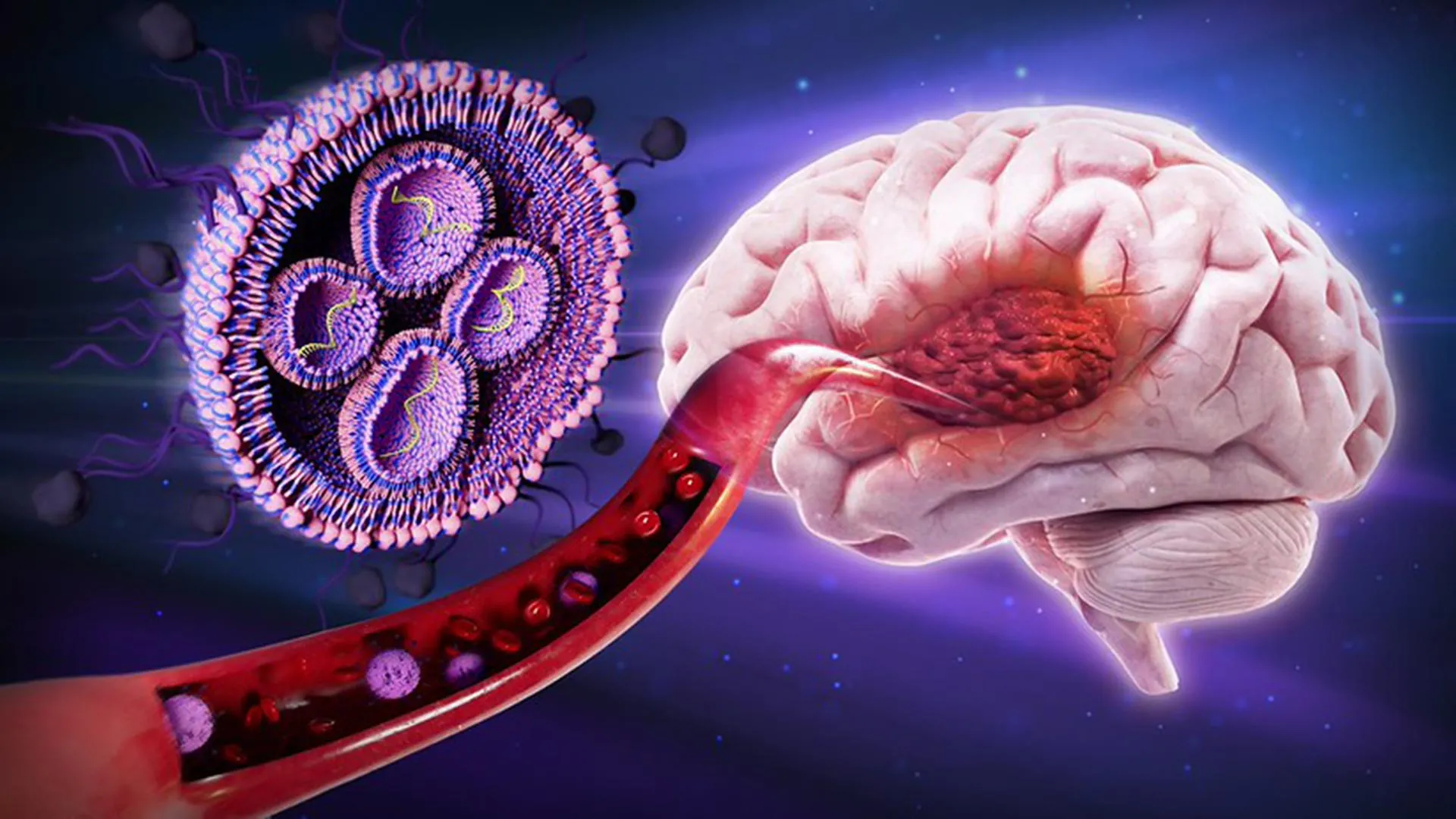
The fight against glioblastoma, the most aggressive and lethal form of primary brain cancer, has long been stymied by the biological defenses of the human body and the elusive nature of the tumors themselves. In a significant breakthrough, a multidisciplinary team of researchers at the Oregon State University (OSU) College of Pharmacy has unveiled an experimental strategy that utilizes sugar-coated lipid nanoparticles to deliver life-saving genetic instructions directly to brain tumors. This innovation, led by professors Oleh Taratula, Olena Taratula, and Yoon Tae Goo, addresses two of the most formidable hurdles in neuro-oncology: the selective penetration of the blood-brain barrier (BBB) and the precise targeting of malignant cells without damaging healthy brain tissue.
Glioblastoma multiforme (GBM) is characterized by its rapid growth and its ability to infiltrate surrounding brain tissue, making complete surgical removal nearly impossible. Current statistics paint a grim picture for patients diagnosed with this condition. Fewer than 30% of patients survive for more than two years following their diagnosis, and the five-year survival rate remains a staggering less than 5%. The development at OSU offers a new glimmer of hope, as experimental trials in mouse models demonstrated a 50% increase in median survival time, a result that could translate into significant life extension for human patients if clinical trials prove successful.
The Dual Challenge of Neuro-Oncology: Access and Precision
The primary reason most systemic cancer therapies fail in the brain is the blood-brain barrier. This physiological shield is a complex, tightly regulated network of endothelial cells, pericytes, and astrocytes that guards the central nervous system. Its evolutionary purpose is to prevent toxins, pathogens, and fluctuating hormone levels in the blood from disrupting the delicate chemical balance of the brain. However, this same protective mechanism treats most chemotherapy drugs and therapeutic proteins as foreign invaders, blocking their passage and rendering them ineffective.
Even when a drug manages to bypass the BBB, it faces a second challenge: selectivity. The brain is the most sensitive organ in the human body. Conventional treatments that kill cells indiscriminately can cause catastrophic neurological damage, leading to cognitive decline, loss of motor function, and a diminished quality of life. The OSU researchers recognized that a successful glioblastoma treatment must act as a "Trojan Horse"—something that the brain’s defense systems recognize as beneficial, which then releases its payload only within the confines of the tumor.
Engineering the Trojan Horse: The Mannose Innovation
The central innovation of the OSU study, published in the Journal of Controlled Release, lies in the specific coating of the lipid nanoparticles. To trick the blood-brain barrier into allowing the particles through, the team looked at how the brain fuels itself. The brain is an energy-intensive organ that relies almost exclusively on glucose. To facilitate the constant intake of sugar, the cells lining the brain’s blood vessels are packed with a transporter protein known as GLUT1.
The researchers discovered that GLUT1 does not only recognize glucose; it also has a high affinity for mannose, a sugar closely related to glucose. By coating their nanoparticles with mannose, the team hypothesized they could "hitch a ride" on the GLUT1 transporters to gain entry into the central nervous system.
However, simple coating was not enough. Because the bloodstream contains high concentrations of natural glucose, the nanoparticles had to compete for the attention of the GLUT1 transporters. Oleh Taratula explained that for the nanoparticles to win this competition, they required a high density of sugar on their surface. The team achieved this by chemically bonding mannose to cholesterol, a primary structural component of the nanoparticle’s lipid shell. This chemical engineering feat allowed them to increase the sugar coverage on the particle’s surface sixfold compared to previous methods, ensuring the particles were prioritized by the brain’s transport systems.
Restoring the Genetic Kill-Switch: The Role of PTEN mRNA
Once the nanoparticles successfully cross the blood-brain barrier, they must deliver a payload that can effectively halt tumor progression. The OSU team chose to use messenger RNA (mRNA) to deliver instructions for the production of a protein called PTEN (Phosphatase and tensin homolog).
PTEN is a powerful tumor suppressor. In a healthy cell, PTEN acts as a biological "brake," preventing cells from dividing too rapidly or growing out of control. In glioblastoma, the gene responsible for producing PTEN is frequently mutated, deleted, or "silenced." Without PTEN, the tumor cells enter a state of unchecked proliferation, leading to the aggressive masses characteristic of the disease.
By delivering PTEN mRNA directly into the tumor cells, the researchers are essentially reinstalling the cell’s internal braking system. Once the mRNA enters the glioblastoma cell, the cell’s own machinery reads the genetic code and begins producing functional PTEN proteins. This restoration of protein expression reinstates growth control, leading to tumor shrinkage.
To ensure the fragile mRNA reached its destination without being degraded by enzymes in the blood or brain, the researchers incorporated a positively charged cholesterol derivative into the nanoparticle. This helped keep the negatively charged genetic material securely "caged" inside the lipid shell until it reached the intracellular environment of the tumor.
Exploiting the Metabolic Hunger of Cancer
The strategy’s precision is further enhanced by the unique metabolism of glioblastoma. Cancer cells are notoriously "hungry" for energy to fuel their rapid division, a phenomenon known in oncology as the Warburg Effect. To satisfy this demand, glioblastoma cells express GLUT1 at levels approximately three times higher than those of healthy brain tissue.
Because the mannose-coated nanoparticles target the GLUT1 transporter, they naturally gravitate toward the areas of highest GLUT1 concentration. This means that after crossing the blood-brain barrier, the particles preferentially accumulate within the tumor itself rather than spreading throughout the healthy regions of the brain. Olena Taratula noted that this metabolic reprogramming of the cancer cells essentially creates a "homing signal" for the sugar-coated treatment.
In the mouse models utilized for the study, this targeted approach resulted in visible tumor shrinkage. Most importantly, the researchers monitored the health of the mice throughout the treatment and found no evidence of organ toxicity. This suggests that the treatment is not only effective but also potentially safer than current systemic chemotherapies, which often cause significant damage to the liver, kidneys, and immune system.
Chronology and the Path Toward Human Application
The development of this technology follows a rigorous timeline of preclinical research. The OSU College of Pharmacy has spent years refining the use of lipid nanoparticles for various medical applications, including imaging and drug delivery. The specific focus on glioblastoma and the mannose-coating technique represents the culmination of a multi-year effort to solve the "BBB problem."
- Conceptualization (2018-2020): Initial research into the role of GLUT1 in brain cancer metabolism and the potential for mannose-based targeting.
- Nanoparticle Engineering (2020-2022): Development of the chemical process to bond mannose to cholesterol, achieving the necessary surface density to compete with blood glucose.
- In Vitro Testing (2022): Testing the particles on cell cultures to ensure they could successfully deliver mRNA and trigger PTEN production.
- Mouse Model Studies (2023): Implementing the treatment in live mice with induced glioblastoma to measure survival rates and toxicity.
- Publication and Peer Review (2024): The findings were formally shared with the scientific community in the Journal of Controlled Release.
The next steps in the chronology of this research involve "scaling up" the production of the nanoparticles and conducting larger-scale animal studies to further validate the safety profile. Following these stages, the team will seek FDA approval for Phase I clinical trials in humans. While the transition from mouse models to human patients is complex, the fundamental mechanisms—the use of GLUT1 for transport and the role of PTEN in tumor suppression—are consistent across species.
Broader Context: The Current Landscape of Glioblastoma Care
To understand the impact of the OSU research, one must look at the current standard of care for glioblastoma, often referred to as the Stupp Protocol. This usually involves maximal surgical resection (removing as much of the tumor as possible), followed by a combination of radiation therapy and the chemotherapy drug temozolomide.
While this protocol has been the gold standard for nearly two decades, its results are often temporary. Glioblastoma is characterized by "glioma stem cells" that are resistant to radiation and chemotherapy. These cells often hide in the margins of the brain, leading to a 90% recurrence rate, usually within centimeters of the original tumor site. Furthermore, temozolomide only works for patients whose tumors have a specific genetic profile (MGMT promoter methylation), leaving a large segment of the population with even fewer options.
The OSU strategy is revolutionary because it does not rely on traditional "cell-killing" toxins. Instead, it uses gene therapy to reprogram the tumor cells’ behavior. By targeting the metabolic "hunger" of the tumor and bypassing the blood-brain barrier, it offers a way to treat the disease that is fundamentally different from the methods that have failed for the last 20 years.
Implications for Future Medicine
The success of the mannose-coated nanoparticle platform has implications that extend far beyond glioblastoma. The ability to reliably and safely cross the blood-brain barrier is the "holy grail" of neurology. This same delivery system could potentially be adapted to treat other central nervous system disorders, such as Alzheimer’s disease, Parkinson’s disease, or multiple sclerosis, by changing the genetic payload carried by the nanoparticles.
Furthermore, the study highlights the importance of multidisciplinary collaboration in modern medicine. The research team included experts from various fields, including Vincent Cataldi, Vladislav Grigoriev, Neera Yadav, Tetiana Korzun, Chao Wang, and Adam Alani. Their combined expertise in pharmacology, chemical engineering, and oncology was essential to solving the complex puzzle of brain-targeted drug delivery.
Conclusion and Institutional Support
The research conducted at Oregon State University was supported by significant federal and international funding, reflecting the high priority placed on finding a cure for brain cancer. Supporters included the National Cancer Institute of the National Institutes of Health, the Eunice Kennedy Shriver National Institute of Child Health and Human Development, and the National Research Foundation of Korea.
As the medical community looks toward the future of oncology, the work of the Taratula and Goo labs stands as a testament to the power of nanomedicine. While glioblastoma remains one of the most difficult challenges in medicine, the development of a "sugar-coated" solution to bypass the brain’s defenses brings the world one step closer to turning a terminal diagnosis into a manageable, or even curable, condition. The 50% increase in survival seen in these early stages provides a strong foundation for the arduous but necessary journey toward human clinical application.
