
 By George Ongkojoyo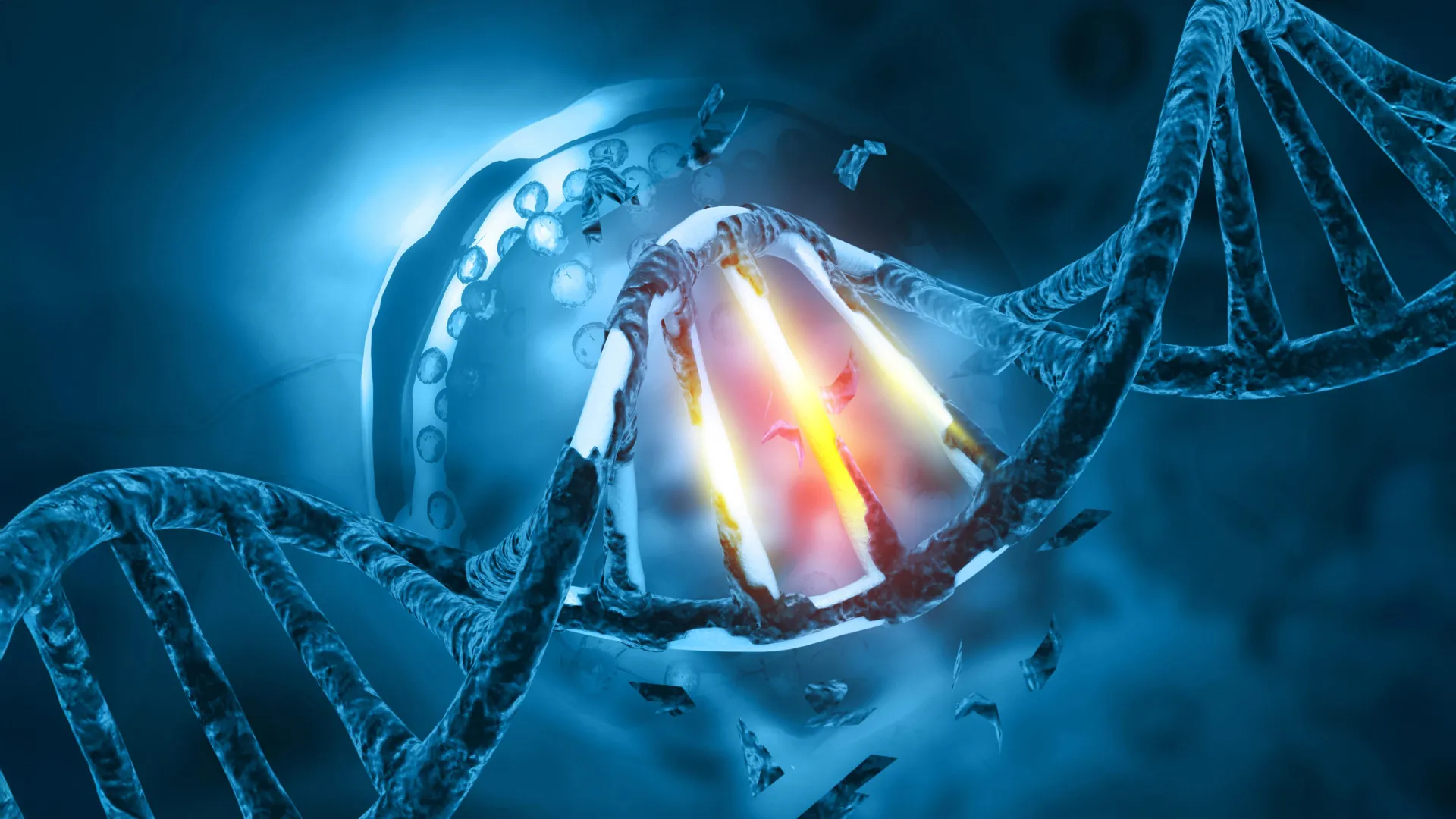
In the complex landscape of molecular biology, tumor suppressor genes have long been recognized as the primary sentinels of cellular integrity. These genes facilitate the production of proteins that meticulously monitor, maintain, and repair DNA, acting as a biological safeguard against the accumulation of harmful mutations that lead to malignancy. For decades, the prevailing clinical understanding has been that a deficiency or malfunction in these repair proteins increases cancer risk. However, groundbreaking research from the Penn State College of Medicine has unveiled a paradoxical reality: an overabundance of a specific DNA repair protein can be just as catastrophic for genomic stability as its absence.
The study, recently published in the prestigious journal Nature Communications, focuses on the gene EXO1 (Exonuclease 1). While EXO1 is essential for routine genetic maintenance, the Penn State team discovered that excessive activity of this gene can actively damage DNA rather than protect it. Instead of repairing genetic material, high levels of EXO1 act as a destabilizing force, breaking down DNA structures and fostering the genomic volatility that characterizes aggressive cancers. This discovery challenges traditional models of tumor suppression and opens a new frontier in personalized oncology, particularly for patients who lack traditional genetic markers like BRCA mutations but exhibit similar disease behaviors.
The Paradox of Genomic Maintenance
To understand the significance of this discovery, one must look at the standard role of EXO1 in the human body. Under normal physiological conditions, EXO1 functions as a "molecular scissors." Its primary duty is to trim and excise damaged sections of DNA, allowing other repair proteins to fill in the gaps with the correct genetic sequences. This process is vital during DNA replication—a high-stakes period when the cell’s entire genetic blueprint is copied.
However, the Penn State researchers, led by George-Lucian Moldovan, a professor of molecular and precision medicine, found that when the cell produces too much EXO1, these molecular scissors lose their precision. Instead of targeted trimming, the protein begins to cut indiscriminately into DNA structures that should remain intact. This hyperactivity leads to the degradation of the genome, creating "toxic lesions" and double-strand breaks that can trigger the transformation of a healthy cell into a cancerous one.
"EXO1 is a double-edged sword," Moldovan explained. "In the right amounts, it is a healer. In excess, it becomes a destroyer. This research shows that the balance of these proteins is just as important as their presence."
Identifying the Prevalence Across Cancer Types
The research team began their investigation by mining vast amounts of genomic data from The Cancer Genome Atlas (TCGA), a comprehensive program managed by the National Cancer Institute. By analyzing thousands of tumor samples, they sought to determine how often EXO1 overexpression occurs in the clinical environment.
The findings were striking. The researchers discovered that EXO1 is overexpressed in approximately 20% to 30% of breast and ovarian cancers. Beyond these common malignancies, elevated levels of the gene were also identified in melanoma, testicular cancer, cervical cancer, and hepatobiliary cancers, which affect the liver, gallbladder, and bile ducts.
The data revealed a particularly strong correlation between high EXO1 levels and basal-like breast cancer. This subtype is notorious for its aggressive nature, high rate of recurrence, and poor prognosis compared to other forms of breast cancer. The discovery of EXO1’s role in this specific subtype provides a potential molecular explanation for why these tumors are so difficult to treat and offers a new target for therapeutic intervention.
The BRCA-Like Phenomenon: A New Biomarker
Perhaps the most significant clinical finding of the study is the relationship between EXO1 and the BRCA pathway. BRCA1 and BRCA2 are well-known tumor suppressor genes. Mutations in these genes significantly increase the risk of hereditary breast and ovarian cancers because the cells lose their ability to protect vulnerable DNA during replication.
The Penn State team discovered that cancer cells with abnormally high levels of EXO1 behave almost identically to cells carrying BRCA mutations. This phenomenon, often referred to in oncology as "BRCA-ness," describes a state where a tumor exhibits the genomic instability of a BRCA-mutant cancer despite having perfectly functional, non-mutated BRCA genes.
"Mechanistically, this overexpression does exactly what the loss of the BRCA pathway does in BRCA-mutant tumor cells," Moldovan stated.
The implications for diagnosis and treatment are profound. Currently, many advanced therapies are reserved exclusively for patients who test positive for BRCA mutations. However, this study suggests that a significant portion of the patient population—those with EXO1 overexpression—might be suffering from the same underlying genomic instability and could benefit from the same targeted treatments, even if they lack the BRCA mutation.
Experimental Validation: How Excess EXO1 Triggers Decay
To confirm their observations from the TCGA data, the researchers conducted a series of sophisticated laboratory experiments using human cancer cell lines. To ensure that the DNA damage was specifically caused by the enzymatic activity of the EXO1 protein and not merely its physical presence in the cell, the team utilized a clever experimental control. They created a "disabled" version of the EXO1 protein that was structurally identical to the original but lacked its biochemical cutting ability.
When they artificially increased the production of active EXO1 in these cells, they observed rapid genomic degradation. However, the cells with the disabled version of the protein remained stable. This confirmed that the protein’s "scissors" were the direct cause of the damage.
The researchers identified two primary mechanisms through which excess EXO1 destroys DNA:
- Expansion of Single-Stranded DNA Gaps: During replication, DNA often exists in a single-stranded state. Excess EXO1 widens the gaps in these strands, making them fragile and prone to breakage.
- Degradation of Reversed Replication Forks: When DNA replication encounters an obstacle, the cell creates a "reversed fork" to pause and fix the issue. EXO1 overexpression causes the protein to attack and erode these forks, leading to a localized loss of genetic material.
Alexandra Nusawardhana, the study’s lead author and a recent doctoral graduate from Penn State, noted that while this damage is harmful to the cell, it creates a unique vulnerability that doctors can exploit. "The accumulation of these toxic lesions, such as double-strand breaks, is ultimately what makes the tumor more sensitive to specific types of chemotherapy," she said.
Revolutionizing Treatment with Targeted Therapies
The discovery that EXO1-overexpressing tumors mimic BRCA-mutant tumors led the team to test whether these cancers would respond to the same specialized drugs. They focused on a class of drugs known as PARP inhibitors, specifically olaparib.
PARP inhibitors work on the principle of "synthetic lethality." They block a secondary DNA repair pathway in cells that are already deficient in their primary repair mechanism (like BRCA-mutant cells). When both pathways are compromised, the cancer cell can no longer repair its DNA and undergoes programmed cell death.
The results of the Penn State experiments were highly promising. Tumors with elevated EXO1 showed high sensitivity to olaparib, responding with a level of efficacy comparable to BRCA-mutant cancers. This suggests that EXO1 could serve as a vital biomarker to identify a much larger pool of patients who are eligible for PARP inhibitor therapy, which typically has fewer debilitating side effects than traditional broad-spectrum chemotherapy.
Furthermore, the team tested the response of these tumors to cisplatin, a common but highly toxic chemotherapy drug. They found that EXO1-overexpressing tumors were exceptionally sensitive to cisplatin. This raises the possibility that clinicians could use lower, less toxic doses of the drug to achieve the same tumor-shrinking results, significantly improving the quality of life for patients during treatment.
A Shift Toward Molecular-Based Oncology
The findings from Penn State College of Medicine contribute to a broader shift in the field of oncology: the transition from tissue-based treatment to molecular-based treatment. Historically, cancers have been treated based on the organ in which they originated—breast cancer, liver cancer, or skin cancer. However, modern precision medicine argues that the genetic "landscape" of the tumor is a more accurate predictor of treatment success.
"We shouldn’t treat cancers based on what tissue they come from but based on the landscape of the genetic mutations present in the tumors," Moldovan emphasized. "That would result in high-efficiency treatment. That’s the future of cancer treatment."
By identifying EXO1 as a marker for "BRCA-ness," the researchers have provided a roadmap for treating a diverse array of cancers with a unified molecular strategy. A patient with EXO1-overexpressing liver cancer and a patient with EXO1-overexpressing breast cancer may have more in common therapeutically than two patients with different types of breast cancer.
Future Outlook and Clinical Integration
The research, which was supported by the National Institutes of Health and Four Diamonds, is now moving toward its next phase. The Penn State team plans to conduct further studies to determine if EXO1 overexpression is a primary driver that causes cancer to develop, or if it is a secondary effect of existing genomic instability.
More importantly, the long-term goal is to launch clinical trials. These trials would involve screening cancer patients for EXO1 levels and then directing those with overexpression into treatment arms using PARP inhibitors or optimized doses of cisplatin. If successful, EXO1 testing could become a standard part of the diagnostic process, similar to how HER2 or BRCA testing is used today.
In the broader context of public health, this discovery offers hope for more effective management of aggressive cancers. By turning a tumor’s own "molecular scissors" against itself, researchers are finding new ways to induce cell death in some of the most resilient forms of the disease. As precision medicine continues to evolve, the ability to identify these unique genetic signatures will be the key to moving beyond "one-size-fits-all" medicine toward a future of truly personalized care.
