
 By admin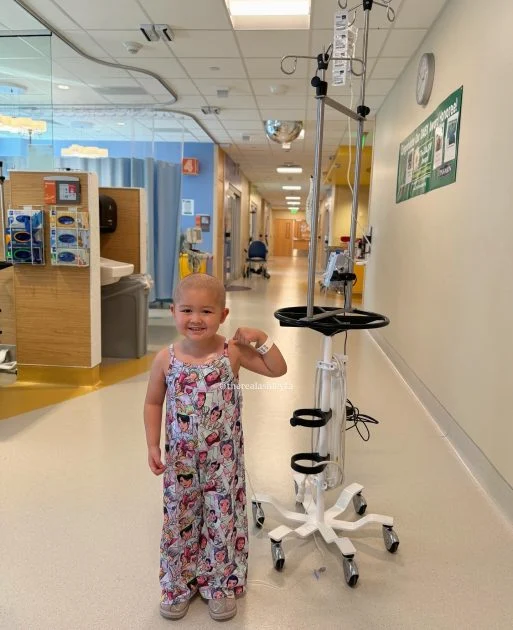
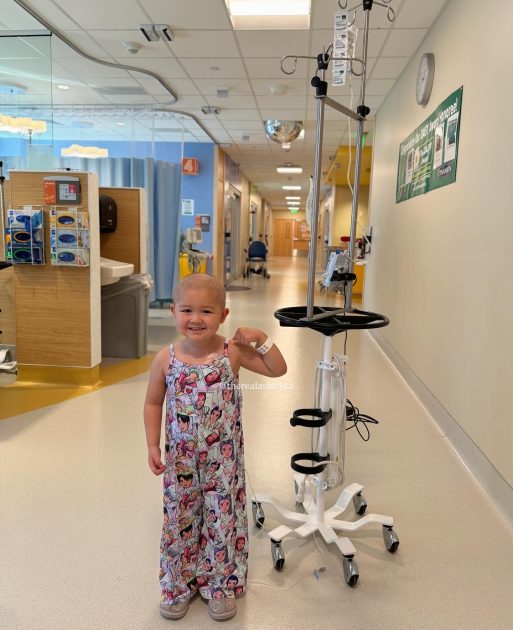
The American Childhood Cancer Organization (ACCO) has officially named four-year-old Rylee as a 2026 Ambassador, highlighting a journey defined by maternal persistence, medical resilience, and the critical importance of early diagnostic advocacy. Rylee, who is currently battling Acute Lymphoblastic Leukemia (ALL), represents the thousands of pediatric patients who undergo intensive oncological protocols each year. Her story, documented by her mother Ashley, serves as a poignant case study in the challenges of navigating the healthcare system when early symptoms of pediatric cancer mimic common childhood ailments.
The diagnostic trajectory for Rylee was fraught with the clinical ambiguity that often characterizes the early stages of childhood leukemia. For several days, Ashley observed a deteriorating clinical picture in her daughter, characterized by a complex constellation of symptoms including persistent fevers, chills, body aches, a swollen eye, inflamed lymph nodes, unexplained bruising, and debilitating joint pain. Despite multiple visits to Urgent Care facilities and Emergency Rooms, initial medical assessments frequently downplayed the severity of the condition. Medical providers initially suggested the symptoms were the result of minor infections or seasonal allergies. However, Ashley maintained a firm conviction that the underlying cause was more systemic and severe than the initial diagnoses suggested.
The escalation of the situation reached a critical juncture on August 6, when Ashley, acting on parental intuition and the visible decline in Rylee’s health, demanded a comprehensive blood panel. The results, delivered at 5:00 p.m. that evening, confirmed the presence of leukemia. The timing of the diagnosis added a layer of logistical and emotional complexity to the crisis, as Rylee’s father, Jacob, was deployed overseas with the military at the time. Left to manage the immediate fallout alone, Ashley coordinated Rylee’s emergency transport via ambulance to a specialized pediatric oncology unit in Denver, Colorado, within hours of the diagnosis.
Clinical Intervention and the Initial Treatment Phase
Upon arrival at the Denver facility, Rylee was immediately enrolled in an intensive induction therapy protocol. The first week of treatment for pediatric ALL is notoriously rigorous, designed to rapidly eliminate leukemic cells from the blood and bone marrow. Rylee underwent several invasive procedures in rapid succession, including the surgical placement of a chemo-port—a device implanted under the skin to allow for frequent access to the venous system—and a bone marrow biopsy to determine the specific subtype and spread of the disease.
Further complicating the initial week were the requirements for central nervous system (CNS) prophylaxis. Rylee underwent a lumbar puncture, a procedure where chemotherapy is injected directly into the spinal fluid to prevent the cancer from migrating to the brain and spine. Her physiological stabilization required three blood transfusions and two platelet transfusions to counteract the anemia and thrombocytopenia caused by both the disease and the initial rounds of chemotherapy. The week culminated in her first two-hour systemic chemotherapy session, marking the beginning of a multi-year medical odyssey.
By early September, medical teams delivered the first piece of optimistic news: Rylee was declared to be in clinical remission. In the context of pediatric oncology, remission indicates that the cancer is no longer detectable in the blood or bone marrow, but it does not signify the end of treatment. For ALL patients, the "road to cure" is a marathon, not a sprint. Rylee’s specific treatment plan is scheduled to continue through October 2027, encompassing several phases designed to ensure the cancer does not return.
Innovation in Pediatric Oncology: The Role of Blinatumomab
In October, Rylee’s treatment transitioned into a phase utilizing Blinatumomab (often referred to as "Blina"). This represents a significant advancement in pediatric oncology. Blinatumomab is a bispecific T-cell engager (BiTE) immunotherapy that works by linking a patient’s own T-cells to the leukemia cells, allowing the immune system to target and destroy the cancer more precisely than traditional chemotherapy.
A unique aspect of Blinatumomab administration is its delivery method. The medication must be infused continuously over a 28-day cycle. To maintain a semblance of normalcy for a four-year-old, the infusion pump is housed in a small, portable backpack. Rylee’s family has reframed this medical necessity as a "superhero backpack," allowing her to remain mobile and active during the month-long treatment cycles. This approach highlights the shift in modern pediatrics toward "home-based" or "ambulatory" intensive care, which seeks to reduce the psychological burden of long-term hospitalization on young children.
Supporting Data: The Landscape of Pediatric Leukemia
Rylee’s diagnosis of Acute Lymphoblastic Leukemia places her within the most common category of childhood cancers. According to data from the National Cancer Institute (NCI) and the American Cancer Society, ALL accounts for approximately 25% of all cancer diagnoses in children under the age of 15. While the five-year survival rate for pediatric ALL has seen a dramatic increase over the last four decades—now exceeding 90%—the treatment remains among the most grueling in the medical field.
The duration of treatment for ALL is a significant factor for families. Typically, boys require three years of treatment, while girls require approximately two to two and a half years. This long-term commitment places an immense strain on the family unit, particularly for military families like Rylee’s, where one parent may be absent due to service obligations. The psychosocial impact of such a diagnosis is profound, necessitating robust support systems and resources provided by organizations like the ACCO.
Psychosocial Support and the ACCO Medical Play Kit
A critical component of Rylee’s resilience has been her engagement with "medical play." Medical play is a therapeutic technique used to help children process their experiences and regain a sense of agency in an environment where they often feel powerless. As an ACCO Ambassador, Rylee has utilized the organization’s Medical Play Kit, which includes child-sized medical equipment and educational materials designed to demystify the procedures she undergoes.
In videos shared by her mother, Rylee is seen interacting with the kit, stating, "I’m really going to be Dr. Ta now!" This transition from patient to "doctor" is a recognized psychological coping mechanism. By "treating" dolls or practicing with the tools of the trade, children like Rylee can externalize their fears and gain a better understanding of their own bodies. The ACCO provides these kits free of charge to families, recognizing that emotional and psychological support is just as vital as clinical intervention in achieving a positive long-term outcome.
Analysis of Parental Advocacy and Healthcare Communication
The story of Rylee’s diagnosis underscores a recurring theme in pediatric medicine: the necessity of parental advocacy. Ashley’s advice to "trust your gut" is supported by various studies on healthcare outcomes, which suggest that parents are often the first to recognize subtle behavioral and physiological changes in their children that may not be immediately apparent during a brief clinical examination.
The initial dismissal of Rylee’s symptoms as allergies or minor infections highlights the "diagnostic lag" that can occur in pediatric oncology. Because childhood cancer is relatively rare compared to common infections, primary care and urgent care providers may initially lean toward more common diagnoses. Ashley’s persistence—returning to the ER and Urgent Care multiple times—was the catalyst for the life-saving blood test. This case emphasizes the need for healthcare providers to maintain a high index of suspicion when a parent reports a constellation of persistent, worsening symptoms that do not respond to standard treatments.
Broader Impact and Future Outlook
As Rylee continues her journey toward her 2027 completion date, her role as an ACCO Ambassador will involve raising awareness for the reality of childhood cancer. The "warrior" narrative often applied to children like Rylee serves a dual purpose: it honors the incredible physical and emotional strength required to endure treatment, and it draws attention to the need for increased funding for pediatric-specific cancer research.
The ACCO emphasizes that "kids can’t fight cancer alone." This mantra reflects the multifaceted support system required to navigate a pediatric diagnosis, encompassing medical professionals, non-profit organizations, and the community at large. For the Ta family, the journey is one of both struggle and hope. Ashley continues to document the process with transparency, noting that when a child is diagnosed, the parents "don’t get to fall apart," but instead must show up every day despite their own emotional distress.
Rylee’s story is a testament to the progress of modern medicine, the power of maternal intuition, and the vital role of charitable organizations in bridging the gap between clinical treatment and emotional recovery. As she continues to host tea parties and play with her siblings while wearing her "superhero" backpack, she remains a symbol of the resilience of the thousands of children currently in the maintenance phase of cancer treatment across the globe.
